How to Experience Easter (Páscoa) in Portugal
Disclosure: This article contains affiliate links. If you buy through them, we may earn a commission at no extra cost to you. Read our full disclosure.
Ah, Easter in Portugal – or as we say here, Páscoa! It's a time that can feel like a beautiful whirlwind for expats, blending deep-rooted religious tradition with joyous spring celebrations and, let's be honest, a fair bit of logistical challenge if you're not prepared. This guide will walk you through what to expect, where to go, and how to truly immerse yourself in the unique spirit of Portuguese Easter, ensuring you navigate the solemnity and the feast with ease.
Understanding Portuguese Páscoa: Traditions, Dates, and Significance
Easter in Portugal is far more than just a long weekend; it’s a profound cultural and religious event, deeply etched into the fabric of daily life, particularly in more traditional regions. As a predominantly Catholic country, Holy Week, known as Semana Santa, is observed with a solemnity and reverence that might surprise those accustomed to a more secular approach to the holiday. The entire week leading up to Easter Sunday is marked by special masses, processions, and ancient customs that have been passed down through generations.
The dates for Páscoa shift each year, always falling on the first Sunday after the first full moon following the spring equinox. This means it can land anywhere from late March to late April. For expats, it's crucial to mark these dates on your calendar well in advance, not just for planning celebrations but also for understanding potential closures and travel disruptions. Good Friday (Sexta-feira Santa) is a national public holiday, meaning most shops, banks, and government offices will be closed. While Easter Monday isn't a national holiday, many businesses, especially smaller, family-run establishments, will often remain closed or operate on reduced hours, allowing families to extend their celebrations. This can certainly throw a wrench in your plans if you haven't checked ahead!
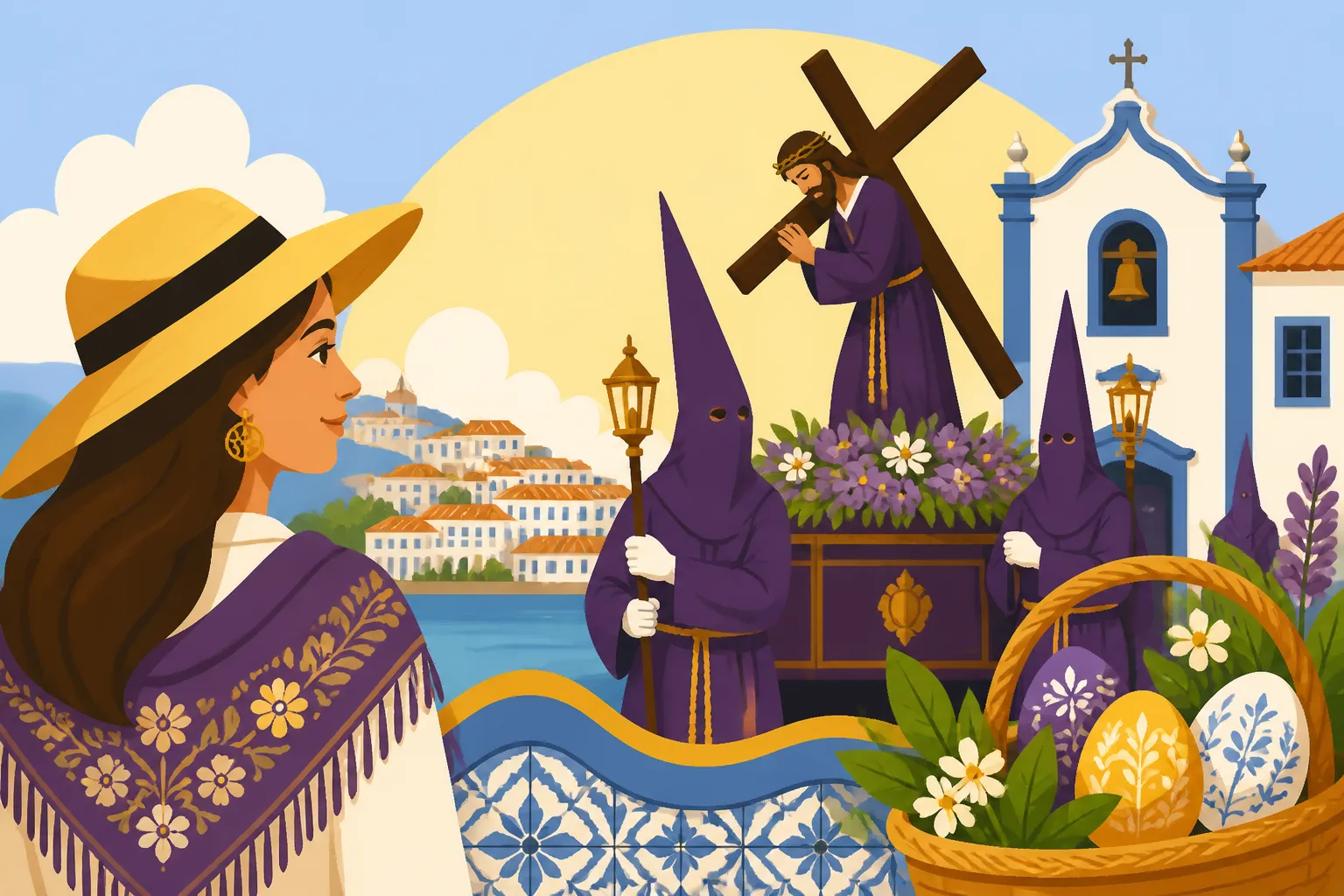
The religious significance is paramount, particularly during the latter half of Semana Santa. Maundy Thursday (Quinta-feira Santa) often features the "Washing of the Feet" ceremonies, while Good Friday is observed with a palpable sense of gravity. This is when you'll see the most striking and moving processions, depicting the Passion of Christ. These aren't just parades; they are deeply spiritual events, often with participants dressed in traditional robes, carrying religious effigies, and moving slowly through historic streets, sometimes in complete silence or accompanied by mournful music. It’s a powerful experience, even if you’re not religious, to witness such communal devotion.
Then comes Easter Sunday (Domingo de Páscoa), which erupts in a burst of joy and celebration, commemorating the resurrection of Christ. This is the day for family gatherings, sumptuous meals, and the exchange of gifts, particularly the iconic Folar de Páscoa and chocolate. Beyond the church services, a unique tradition in many towns and villages is the "Compasso," a group led by the local priest who visits homes, bringing blessings and a small cross to be kissed by each family member. It’s a beautiful, intimate tradition that really highlights the community spirit here.
Where to Experience the Most Authentic Easter Celebrations
While Easter is celebrated across Portugal, some regions truly stand out for their deeply rooted and visually spectacular traditions. If you’re looking to immerse yourself in the heart of Portuguese Páscoa, a bit of strategic planning goes a long way. These are the places where the past truly comes alive during Holy Week.
Braga: The Epicenter of Holy Week
Without a doubt, Braga, in the north of Portugal, is the quintessential destination for experiencing Semana Santa. Its ancient history as a major religious center of the Iberian Peninsula means its Easter celebrations are some of the most elaborate and traditional in the country, attracting thousands of pilgrims and tourists alike. The entire city transforms, adorned with purple and black banners, signaling the solemnity of the week.
The highlight of Braga's Easter is its array of mesmerizing processions. The Procissão do Senhor Ecce Homo, or the Procession of the Lord Ecce Homo, on Maundy Thursday, is particularly poignant. It's often called the "Procession of the Farricocos" due to the barefoot penitents who lead it, dressed in dark tunics with pointed hoods and carrying torches, creating a truly unforgettable and somewhat eerie spectacle that dates back to the 16th century. Then, on Good Friday, the Procissão do Enterro do Senhor (Procession of the Burial of the Lord) sees the city's streets plunged into darkness, lit only by candles, as the effigy of Christ is carried through the historic center in solemn silence. The sheer scale and historical authenticity of these events are something you simply have to witness to understand, a profound cultural experience that goes beyond mere observation. Finding a good spot to watch can be a challenge, so arrive early and be prepared for crowds.
Lisbon and Porto: Urban Celebrations
In the larger metropolitan areas like Lisbon and Porto, Easter traditions are still observed, but often with a slightly different flavor compared to the intense, city-wide devotion found in Braga. While you won't typically see entire cities draped in mourning colors, churches across Lisbon and Porto will host special masses and services throughout Holy Week.
In Lisbon, the Sé de Lisboa (Lisbon Cathedral) and the Basílica da Estrela are notable for their Good Friday services and processions, though they tend to be less grand and fewer in number than those in Braga. You might find smaller, local processions in historic neighborhoods like Alfama or Mouraria, which offer a more intimate glimpse into community traditions. Similarly, in Porto, the city’s majestic cathedral and various churches hold significant services. Many families here will focus more on the culinary aspects and gatherings on Easter Sunday, rather than the extensive week-long public displays. If you're staying in these cities, check local parish schedules for specific times. For general cultural insights throughout the year, you might enjoy exploring articles on Lisbon Neighborhood Guide: Best Areas for Expats and Digital Nomads or Porto Neighborhood Guide: Where to Live for Culture, Tech, and Family to get a feel for the local vibe.
Rural Portugal: Intimate Traditions
For an experience that’s truly off the beaten path and brimming with local charm, head to Portugal's smaller towns and rural villages. Here, Easter traditions often feel more personal, deeply communal, and untouched by mass tourism. You won't find the grand spectacles of Braga, but you'll discover a warmth and authenticity that is incredibly rewarding.
One of the most heartwarming traditions in these areas is the "Compasso Pascal," or the Easter Visit. On Easter Sunday morning, led by the local priest, a small procession of men, often carrying a cross adorned with flowers and a silver plate to collect offerings, visits every home in the parish. Families eagerly await their arrival, opening their doors to receive a blessing for their household. It’s a moment of deep connection, often accompanied by the sharing of food and drink, including the traditional Folar de Páscoa and sometimes a glass of Moscatel or Port wine. If you're fortunate enough to be invited into a home during a Compasso visit, it's a privilege and a truly authentic insight into Portuguese life. These experiences are a stark contrast to the bustle of the cities and highlight the close-knit communities that define much of inland Portugal.
Culinary Delights of Easter in Portugal
If there’s one thing guaranteed during any Portuguese holiday, it’s an abundance of delicious food. Páscoa is no exception; it’s a time for feasting, for indulging in rich, traditional dishes that warm the soul and fill the stomach. While some dishes are enjoyed nationwide, many have distinct regional variations, making a culinary tour of Portugal during Easter a truly delightful experience.
The Iconic Folar de Páscoa
The undisputed star of the Easter table is the Folar de Páscoa. This traditional sweet or savory bread is steeped in symbolism, representing new life and the resurrection. What makes the Folar so fascinating is its regional diversity. In the north, particularly in places like Bragança, you’ll find the savory version, often enriched with cured meats such as linguiça, chouriço, and ham, sometimes with a hard-boiled egg baked right into the crust. It’s dense, flavorful, and incredibly satisfying, often served as part of the main meal.
Travel south, and the Folar takes on a distinctly sweet character. In regions like the Algarve, it’s a lighter, brioche-like bread, delicately flavored with lemon or orange zest, often adorned with colorful sugar sprinkles or candied fruits. The sweet version from places like Olhão is almost like a rich cake, laced with cinnamon and fennel. Regardless of its incarnation, receiving or sharing a Folar is a quintessential part of the Portuguese Easter celebration. If you’re doing your own grocery shopping, keep an eye out for them in pastelarias and supermarkets like Continente or Pingo Doce; they often start appearing a few weeks before Easter itself.
The Easter Feast: Lamb, Kid, and Beyond
The main course for Easter Sunday lunch is traditionally roasted lamb (cordeiro) or kid goat (cabrito). These tender meats are slow-roasted to perfection, often marinated with garlic, wine, and herbs, and served with roasted potatoes and a medley of seasonal vegetables. The preparation methods can vary slightly from region to region, but the end result is always a succulent, flavorful centerpiece for the family meal. It's a dish that embodies the celebratory spirit of the day after the solemnity of Good Friday.
Alongside the lamb or kid, you'll often find a spread of other traditional Portuguese dishes, depending on the family's preferences and regional influences. Codfish, a staple in Portugal, might still make an appearance in some households, though it's more prevalent during Lent. Desserts are, of course, a big deal. Beyond the sweet Folar, expect a range of sugary delights. Pão de Ló, a light and airy sponge cake, is another common sight, often accompanied by ovos moles, a rich egg yolk and sugar cream from Aveiro. And, naturally, there will be an abundance of chocolate eggs and the ubiquitous amêndoas de Páscoa – sugar-coated almonds that come in a rainbow of colors and are eagerly devoured by children and adults alike. Remember that Portuguese coffee culture and restaurant etiquette: Ordering Like a Local can be a nuanced affair, so try to blend in even during this festive season!
| Easter Dish | Type | Description | Typical Region |
|---|---|---|---|
| Folar de Páscoa | Bread | Sweet (citrus, cinnamon, egg) or Savory (smoked meats, hard-boiled egg) | Nationwide, regional variations |
| Cabrito Assado | Main Course | Roasted kid goat, tender and often marinated with herbs and wine | Central & Northern Portugal |
| Cordeiro Assado | Main Course | Roasted lamb, a common alternative to kid goat, prepared similarly | Nationwide |
| Pão de Ló | Dessert | Light, airy sponge cake, sometimes with a gooey center | Nationwide |
| Ovos Moles | Dessert/Sweet | Rich egg yolk and sugar cream, often in wafer casings | Aveiro (but enjoyed everywhere) |
| Amêndoas de Páscoa | Confectionery | Sugar-coated almonds, colorful and a traditional Easter gift | Nationwide |
Dining Out During Easter
If you're planning to dine out for Easter Sunday, be warned: many popular restaurants, especially those known for traditional Portuguese cuisine, will be fully booked weeks in advance. It's highly advisable to make reservations well ahead of time. Some restaurants will offer special Easter menus (Ementa de Páscoa), which can be a fantastic way to sample the festive dishes without the hassle of cooking.
Smaller, family-run establishments might close for the entire holiday weekend to allow their staff to celebrate with their families. Always check opening hours in advance to avoid disappointment. Online platforms like Booking.com can be useful not just for accommodation, but sometimes for restaurant reservations or finding places with updated opening hours. If you're staying in a more tourist-heavy area, you might find more options open, but they will likely be busy. Embracing the opportunity to cook your own meal with ingredients from local markets can also be a wonderful experience if you have access to a kitchen; just ensure you do your grocery shopping before Good Friday!
Navigating Travel and Logistics During the Easter Period
Traveling in Portugal during Easter can be both rewarding and challenging. On one hand, you get to witness truly unique cultural celebrations. On the other, you'll be contending with increased crowds, fully booked transportation, and potentially higher prices. A little foresight will save you a lot of stress.
Booking Accommodation and Transportation
Easter is one of the busiest travel periods in Portugal, especially for domestic tourism. Many Portuguese families travel to their hometowns or to popular destinations to celebrate. This means that accommodation, particularly in hotspots like Braga, Porto, Lisbon, or the Algarve, gets booked up quickly. If you plan to visit a specific city for its Easter festivities, secure your lodging months in advance. Websites like Booking.com are your best friend here; cast a wide net and be flexible with your exact dates if possible. Don't underestimate the appeal of smaller towns, as they can also fill up.
Public transport, including trains and long-distance buses, also sees a significant surge in demand. Seats on major routes, especially between Lisbon and Porto or towards the north, sell out fast. Consider booking your train tickets with Comboios de Portugal (CP) well ahead of time, or use a platform like Omio to compare and book bus and train tickets across different operators. Driving can offer more flexibility, but be prepared for heavier traffic on highways, especially on the Wednesday/Thursday before Good Friday and the Sunday/Monday after Easter. Keep in mind that Portuguese public holidays 2026: When supermarkets and banks are closed will also affect gas station and roadside service availability.
Road Closures and Local Movement
If you're driving or even just walking around a city known for its processions (like Braga), expect significant road closures. Local police will reroute traffic, and entire streets in historic centers will become pedestrian-only zones for hours at a time. This can make getting around by car nearly impossible and even walking challenging due to the sheer volume of people. Factor in extra time for all your movements.
For instance, in Braga, the main routes for the processions are often cordoned off from early afternoon until late at night on Good Friday. Public transport within these cities might also be affected, with bus routes diverted or suspended in central areas. The best advice is to embrace walking, wear comfortable shoes, and enjoy the atmosphere. If you've booked a guided tour, services like GetYourGuide can sometimes provide structured itineraries that account for these closures, but always double-check with your guide.
Embracing the Pace and Practicalities
One of the most valuable lessons I've learned living in Portugal is the importance of patience, and this applies tenfold during peak holiday periods. Things will move slower, queues will be longer, and service might be a bit more stretched. Take a deep breath, lean into the slower pace, and see it as part of the cultural experience.
Stock up on any essentials before Good Friday, as many smaller shops will be closed, and even larger supermarkets might have reduced hours. Pharmacies will generally have a rotating schedule for farmácia de serviço (after-hours service), but it’s always better to be prepared for minor ailments. Cash is also a good idea, as smaller vendors or pop-up stalls during festivals might not accept card payments, and ATMs can sometimes run low on cash during busy periods. For tips on daily essentials, a read of Daily Life in Portugal: Supermarkets, Language, and Cultural Etiquette might be helpful. Enjoy the solemn beauty and the festive spirit, and you’ll have an unforgettable Portuguese Easter!
Disclaimer
The information provided in this guide is intended for general informational purposes only and is based on current understanding and typical experiences. While every effort has been made to ensure accuracy, regulations, opening hours, and local customs can change without notice. Always verify specific details, particularly dates, opening times, and travel arrangements, with official sources or local providers before making plans. Travel insurance is always recommended.