Cost of living in the Algarve: Winter vs Summer price differences for expats
Disclosure: This article contains affiliate links. If you buy through them, we may earn a commission at no extra cost to you. Read our full disclosure.
Moving to southern Portugal often comes with dreams of year-round sunshine and endless sea views, but many newcomers are caught completely off guard by the region’s drastic economic swing. The contrast between quiet winter months and booming summer tourist seasons creates a financial roller coaster for foreign residents. This guide breaks down the true cost of living in the Algarve across both seasons, helping you budget accurately and avoid common financial pitfalls.
Understanding the Algarve Seasonal Economy
The Algarve operates on a dual-speed economy that completely transforms local prices depending on the month. From November through March, coastal towns slow down, outdoor cafe tables empty out, and local businesses adjust their pricing to appeal to the year-round resident population. Once May arrives, an influx of European holidaymakers triggers an immediate, region-wide price hike that impacts housing, dining, transport, and leisure. Understanding how these price fluctuations happen helps you plan a realistic annual budget rather than relying on high-season estimates or low-season illusions.
The Dual Identity Real Estate Market
The most drastic cost variation occurs in accommodation. Property owners across towns like Lagos, Albufeira, and Vilamoura often prefer short-term holiday rentals because they can charge per week in July what they would charge per month in January. If you are relocating under a broader plan like the Living in Portugal Guide 2027: The Complete Relocation Manual for Expats, securing year-round housing must be your absolute top priority.
Landlords frequently offer winter-only leases at discounted rates, usually running from October through April. While these arrangements seem appealing to digital nomads or winter escapees, they force tenants to move out just as high season begins. When summer hits, those same apartments shift into short-term holiday rentals (Alojamento Local), driving local long-term rental stock down and pushing asking prices up for anyone trying to secure a year-round lease on short notice.
Dining Out, Entertainment, and Local Inflation
Seasonal inflation extends far beyond housing into everyday social life. Restaurants along the coast regularly swap out their winter menus for summer versions, subtly raising prices on seafood, grilled meats, and drinks by fifteen to thirty percent. In quiet fishing villages and major hubs alike, the casual daily lunch special (prato do dia) that costs a reasonable fee in February might disappear entirely by June to make room for higher-margin tourist dining.
Supermarkets generally maintain consistent shelf prices year-round across major chains, but smaller local markets in high-foot-traffic areas often adjust their prices during peak months. Beachside amenities, sunbed rentals, parking fees near popular coves, and recreational activities double or triple in price between June and September. Navigating these regional differences requires careful planning, especially if you are evaluating location choices using resources like The Algarve for Expats: Lagos, Faro, and Tavira Compared.
Comparing Key Expat Expenses Winter vs Summer
Living in southern Portugal requires a flexible budgeting approach. While your grocery bills remain relatively stable, your utility bills, accommodation expenses, and leisure spending will look drastically different in January compared to August.
| Expense Category | Winter Season (Nov – Mar) | Summer Season (May – Sep) | Seasonal Variance Factors |
|---|---|---|---|
| Short-term Rent (1-bed) | Lower baseline pricing | Up to 200% – 300% higher | Peak holidaymaker demand |
| Long-term Rent (1-bed) | Fixed via annual lease | Fixed via annual lease | Rare availability in summer |
| Electricity & Utilities | Higher (€120 – €220/mo) | Lower to Moderate (€80 – €140/mo) | Heating/dehumidifiers vs A/C |
| Dining Out (Couple) | Moderate (€30 – €45/meal) | Higher (€45 – €70/meal) | Menu price hikes & seasonal menus |
| Car Rental / Mobility | Very Low (€5 – €15/day) | Extreme (€40 – €90/day) | Massive tourist fleet demand |
| Mobile Data & Roaming | Standard home fiber/SIM | Increased cellular load | Local network congestion |
Housing, Rent, and Utilities
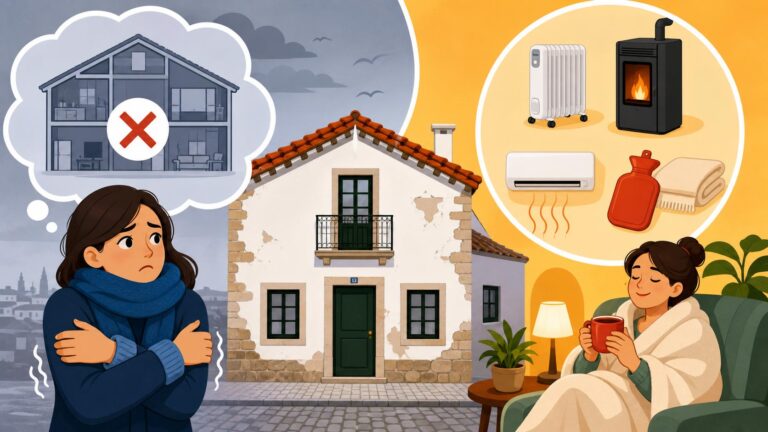
While summer brings higher accommodation costs for anyone without a fixed contract, winter introduces surprising utility expenses that catch many foreign residents off guard. Portuguese homes are built primarily to keep summer heat out, meaning they often lack modern thermal insulation, double glazing, or central heating systems. For a deeper look into why traditional builds behave this way, read Why do Portuguese houses lack central heating? Practical winter solutions.
During the damp, chilly winter months from December through February, indoor temperatures can feel colder than the air outside. To keep living spaces comfortable and prevent dampness, expats end up running electric space heaters, radiators, and heavy-duty moisture absorbers constantly. If you want to keep wall fungus at bay, researching the Best dehumidifiers to buy in Portugal to prevent winter wall mold is essential. These appliances run on electricity, which carries high tariff rates and value-added tax in Portugal, often sending winter electric bills soaring way above summer cooling costs.
In contrast, summer utility bills are driven mainly by air conditioning usage. However, because coastal breezes offer relief during the evening hours, many residents find their electric bills are actually lower in July than during the humid depths of January. To avoid surprise rental rate increases between seasons, look for verified long-term platforms like Uniplaces to lock in stable, year-round housing agreements that clearly specify utility expectations before you sign a lease.
Connectivity Goods and Seasonal Shopping Solutions
Staying connected and furnishing a home in the Algarve also comes with seasonal considerations. During peak summer months, coastal mobile towers become heavily congested by millions of holidaymakers. Digital nomads working remotely from coastal cafes or rented villas often need backup connectivity to avoid unexpected internet drops. Using flexible mobile data packages from providers like Airalo gives you instant access to alternative local networks, ensuring reliable coverage even when local Wi-Fi networks slow down under heavy summer usage.
Shopping for household goods, seasonal clothing, and appliances locally in the Algarve can present challenges. Local retail options outside major malls in Faro or Portimão are somewhat limited, and regional stores frequently mark up seasonal items like portable heaters in winter or beach gear in summer. Many residents bypass local seasonal markups by ordering home goods, kitchenware, and dehumidifiers online through Amazon Spain, which delivers directly across the Algarve within two to three business days without added import duties.
For a broader perspective on overall household expenses across different regions of the country, refer to the detailed analysis in Cost of living in Portugal 2026: Detailed Budgets for Singles and Families.
Practical Strategies to Balance Your Year Round Algarve Budget
Managing your finances successfully in southern Portugal comes down to anticipating seasonal shifts rather than reacting to them when your monthly statement arrives. By establishing fixed contracts and adopting local living habits, you can enjoy the coastal lifestyle without suffering summer budget shock or winter heating surprises.
Securing Year-Round Leases and Avoiding Seasonal Evictions
The single most effective way to protect your budget from seasonal swings is securing an official, legally registered annual lease (contrato de arrendamento de longa duração). Always ensure your contract is registered on the national tax portal (Finanças) to protect your tenancy rights. Before committing to a property, review the core legal requirements outlined in Renting an Apartment in Portugal: Contracts, Fees, and Tenant Rights.
Be cautious of landlords offering informal verbal agreements or contracts that explicitly end in May. These “winter lets” seem convenient initially, but finding alternative housing in the Algarve between June and September is exceptionally difficult and expensive. If you are forced onto the open market during peak summer, you will pay premium tourist rates for basic shelter.
Health and emergency planning should also figure into your location and budgeting choices. If you plan to settle near smaller inland villages, keep medical accessibility in mind by reading Living in rural Portugal: How far is the nearest hospital usually? alongside local care options reviewed in Healthcare in the Algarve: HPA (Hospital Particular) review for expats.
Local Shopping Secrets and Domestic Adjustments
To offset higher summer leisure expenses, adopt the daily routines of year-round residents:
- Shop at Municipal Markets: Skip tourist-oriented mini-markets along the beachfront. Purchase your fresh fish, fruit, and vegetables at the central municipal markets (Mercado Municipal) in towns like Olhão, Silves, or Loulé, where prices remain consistent year-round.
- Use Off-Peak Electricity Tariffs: Contact your energy provider to switch to a bi-hourly electricity tariff (tarifa bi-horária). Run heavy appliances like washing machines, dishwashers, and dehumidifiers during off-peak hours (typically late at night and early morning) to shave up to thirty percent off your monthly utility bill.
- Dine Inland During High Season: During July and August, trade coastal beachfront restaurants for traditional inland taverns (tascas). Driving just ten minutes inland from the coast drops meal prices significantly and delivers an authentic dining experience away from tourist crowds.
- Rent Cars in Advance: If you need to rent a vehicle for visiting family during the summer, book several months in advance. Spontaneous summer rentals can cost up to ten times the rate of a mid-winter booking.
By anticipating the region’s seasonal rhythms and adjusting your housing, utility usage, and shopping habits accordingly, you can build a stable, comfortable lifestyle in the Algarve that remains affordable twelve months a year.
Disclaimer
This article is for general informational purposes only and does not constitute professional advice. Laws, prices and regulations vary by location and change over time. Consult a qualified professional for guidance on your specific situation.