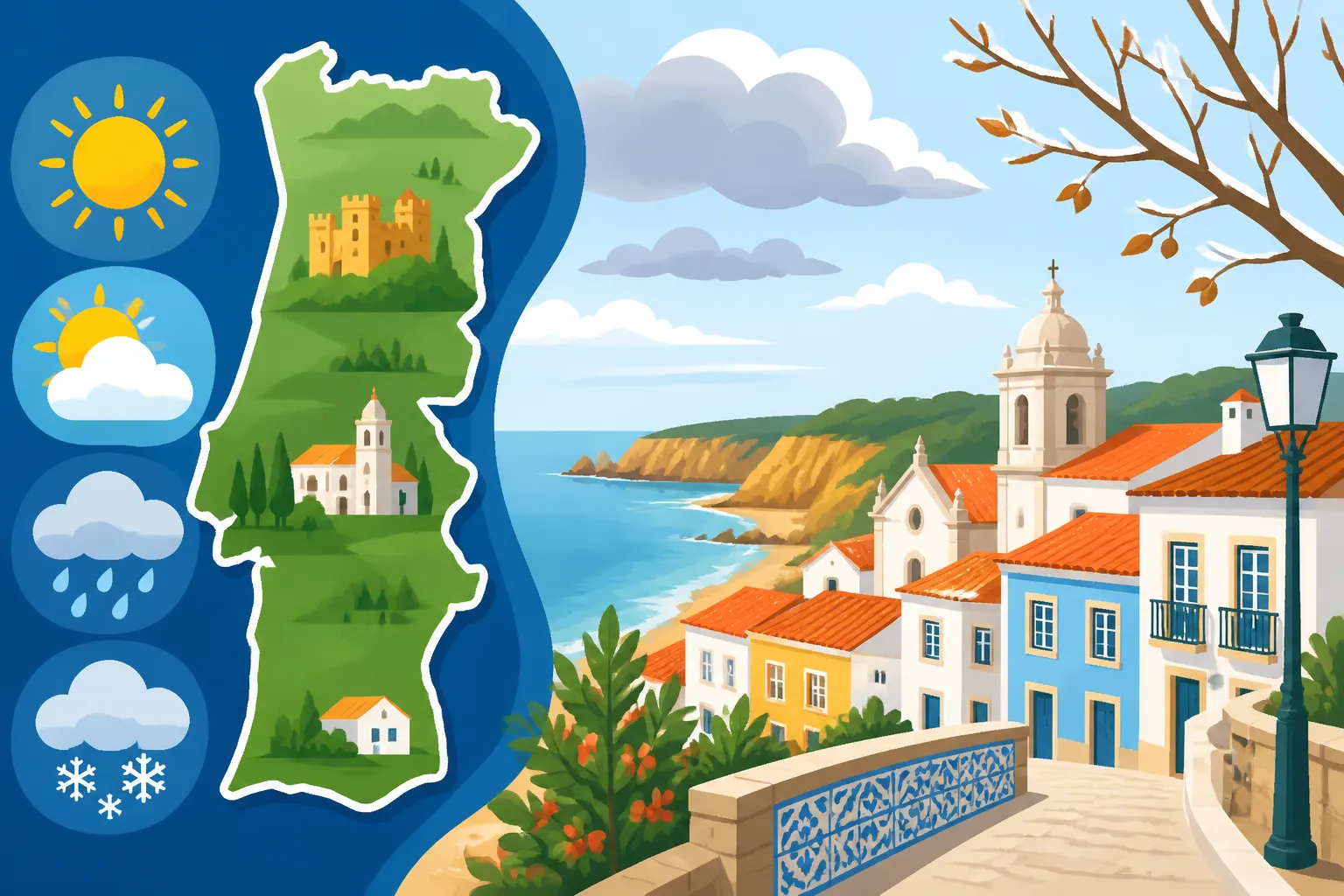
What’s the Weather Like in Portugal in Winter?
Disclosure: This article contains affiliate links. If you buy through them, we may earn a commission at no extra cost to you. Read our full disclosure.
Ah, the Portuguese winter! Many of us arrive in this beautiful country with visions of endless sunshine, even in the "off-season." And while it's true that Portugal generally boasts a milder climate than much of northern Europe or North America, don't let that fool you into thinking it's always T-shirt weather. Expecting perpetual beach days from December to February can lead to a rather chilly, damp, and sometimes surprisingly cold reality check. This guide is here to shed some light on what winter in Portugal really feels like, helping you manage expectations, pack smart, and truly embrace the cooler months, whether you're a fresh expat or just visiting.
Beyond the Sunshine Myth: The Realities of Winter in Portugal
Let's be honest, the marketing brochures and Instagram feeds often paint a picture of Portugal as a sun-drenched paradise, and for a good part of the year, it absolutely is. But come December, January, and February, things shift. It's not a harsh, snowy wonderland (mostly!), but it's certainly not summer either. The biggest shock for many, especially those from climates with robust central heating, isn't necessarily the outdoor temperature, but the indoor chill.
Portugal’s winter is generally characterized by cooler temperatures, increased rainfall, and shorter daylight hours, similar to other Mediterranean climates. However, the exact experience can vary wildly depending on where you are in the country. Forget the idea that the entire nation is uniform. The north can be dramatically different from the south, and the interior a stark contrast to the coast. This regional diversity is something many foreigners don't fully grasp until they've lived through a winter here.
One of the most common complaints among expats during their first winter is the cold inside homes. Traditional Portuguese architecture wasn't designed with insulation as a top priority. Many older buildings, while charming, come with single-pane windows, no central heating, and a general draftiness that can make your living room feel almost as cold as the street outside. I've heard countless stories of people bundled up in blankets indoors, sipping hot tea, and wondering why their €100 space heater isn't doing much. It's a real frustration, and it's completely valid to feel surprised by it. This often leads to expats researching topics like Why do Portuguese houses lack central heating? Practical winter solutions.
Temperature Ranges and General Climate
So, what are we talking about in terms of actual numbers? On average, daytime temperatures during winter (December to February) typically range from around 10°C to 18°C (50°F to 64°F) along the coast, becoming cooler inland and in the north. Nighttime temperatures can drop significantly, especially in the interior, often hovering between 0°C and 8°C (32°F and 46°F). Frost is not uncommon in central and northern interior regions, and yes, even snow graces the highest peaks of Serra da Estrela, making it a surprisingly popular winter sports destination for locals.
Rainfall is definitely a feature of Portuguese winter. While you won't necessarily see continuous downpours for days on end like in some parts of the UK, you will experience periods of heavy rain, interspersed with surprisingly clear and sunny days. These sunny winter days are truly glorious – crisp air, bright skies, and often warm enough to enjoy a coffee outdoors with a light jacket. But don't count on them being the norm every day. The trick to Portuguese winter is layers and an optimistic spirit, ready for whatever the sky decides to throw at you.
Regional Breakdown: Winter Across Portugal's Diverse Landscapes
As I mentioned, Portugal isn't a monolith when it comes to climate. The country stretches nearly 600 kilometers from north to south, encompassing coastal plains, rolling hills, vast plains, and rugged mountains. Each region offers a distinctly different winter experience, which is crucial to understand whether you're planning a visit or thinking about where to settle.
The Cooler, Wetter North: Porto and Beyond
If you're heading to the North of Portugal, particularly cities like Porto, Braga, or Viana do Castelo, prepare for a proper winter. It's not usually freezing, but it's certainly cool and, more often than not, wet. Grey skies and consistent rain are common from late autumn right through to early spring. The average daytime temperatures generally sit between 10-14°C (50-57°F), but the humidity can make it feel colder. Nights frequently drop to 4-8°C (39-46°F), and you’ll definitely need a warm jacket, waterproof shoes, and an umbrella that can withstand a good gust of wind.
The architecture here, with its granite buildings, can feel quite damp indoors. Many homes rely on electric heaters or wood-burning stoves for warmth, and condensation can be a real issue. I recall visiting friends in Porto who swore by their dehumidifiers, running them constantly to combat the persistent dampness. This region's winter has a certain moody charm, perfect for cozying up in a café with a strong coffee or exploring museums, but it's not for those seeking endless winter sun. For those living there, investing in a good Best dehumidifiers to buy in Portugal to prevent winter wall mold is a common strategy.
Mild and Variable Central Portugal: Lisbon, Coimbra, Silver Coast
Central Portugal, including the bustling capital Lisbon, the historic university city of Coimbra, and the charming Silver Coast, offers a milder and more variable winter. Here, you'll experience a mix of sunshine and rain, with average daytime temperatures ranging from 12-16°C (54-61°F). Nights are cooler, typically 6-10°C (43-50°F). While you'll still encounter rainy spells, they tend to be less prolonged and intense than in the north, often followed by bright, clear days.
Lisbon, for example, can have some truly beautiful winter days where the sun is shining, and it's pleasant enough to sit outside at a miradouro (viewpoint) with a light jacket. However, it can also get surprisingly chilly and windy, especially with the Atlantic breeze blowing through the narrow streets. The hills of Lisbon mean that a brisk walk can feel even colder. On the Silver Coast, cities like Nazaré and Peniche can be quite blustery, with dramatic waves crashing on the shore – a spectacle in itself, but one that demands a good windbreaker.
For expats in these regions, the variable weather means layering is key. You might start your day in a warm sweater, shed it by midday in the sun, and then pull on a heavy coat as the evening chill sets in. Public transport is usually reliable, but driving can be tricky on wet, cobbled streets, so it’s wise to consider Public Transport and Driving in Portugal: Trains, Tolls, and Licenses even in winter.
The Sunny, Dry South: The Algarve
The Algarve truly lives up to its reputation for sun even in winter. This is the warmest and driest region of mainland Portugal during the colder months, making it a popular escape for snowbirds from northern Europe. Average daytime temperatures typically range from 14-18°C (57-64°F), often feeling much warmer in direct sunlight. Nights are still cool, usually 8-12°C (46-54°F), but rarely drop to freezing.
While the Algarve does get some rain, it's generally much less frequent and shorter in duration compared to the rest of the mainland. You're more likely to experience clear, blue skies, making it ideal for coastal walks, rounds of golf, or simply enjoying the tranquil off-season atmosphere. Towns like Faro, Lagos, and Tavira become quieter, but many restaurants and shops remain open, catering to the expat and long-stay tourist community.
However, even in the Algarve, homes can still suffer from poor insulation. Just because it's warmer outside doesn't mean your apartment will be toasty without some form of heating. Many an expat has learned this lesson the hard way, thinking they'd escaped the cold only to find themselves shivering indoors. Those considering a move to this region might want to read up on The Algarve for Expats: Lagos, Faro, and Tavira Compared to get a better feel for local conditions year-round.
Mountainous Interior and Islands: Extremes and Ever-Spring
Beyond the coast, Portugal’s interior, particularly regions like Beira Alta (home to Serra da Estrela) and Trás-os-Montes, experiences much colder winters. Here, snow is a regular occurrence in the higher elevations, and temperatures can frequently drop below freezing at night. Daytime highs might only reach 5-10°C (41-50°F). If you're planning to visit these areas, especially if you're exploring the more remote national parks, proper winter gear, including thermal layers and sturdy waterproof boots, is essential. This is where you find a more traditional, European-style winter, complete with roaring fires and hearty stews.
Then there are the islands: Madeira and the Azores. These archipelagos offer an entirely different winter climate, often described as "eternal spring." Madeira, in particular, boasts remarkably stable temperatures year-round. In winter, average daytime temperatures hover around 18-22°C (64-72°F), with nights around 14-18°C (57-64°F). While it does receive more rain in winter than in summer, it's often in short bursts, and sunshine quickly returns. The Azores are slightly cooler and more prone to cloudiness and rain, but still far milder than mainland Portugal. These islands are fantastic for those truly seeking to escape the mainland chill.
Here's a quick overview table to help visualize the regional differences:
| Region | Average Day Temp (°C/°F) | Average Night Temp (°C/°F) | Avg. Rainy Days (per month) | Common Description |
|---|---|---|---|---|
| North (Porto) | 10-14°C / 50-57°F | 4-8°C / 39-46°F | 12-15 | Cool, often wet, dramatic skies, damp indoors. |
| Center (Lisbon) | 12-16°C / 54-61°F | 6-10°C / 43-50°F | 8-12 | Mild, mixed sunshine and rain, some crisp days. |
| South (Algarve) | 14-18°C / 57-64°F | 8-12°C / 46-54°F | 5-9 | Mildest, sunniest, occasional showers, pleasant. |
| Interior (e.g., Guarda) | 5-10°C / 41-50°F | 0-5°C / 32-41°F | 10-14 | Cold, frosty mornings, often with snow in high areas. |
| Madeira | 18-22°C / 64-72°F | 14-18°C / 57-64°F | 7-10 | Spring-like, pleasant, warm year-round, occasional rain. |
Daily Life and What to Expect: Temperatures, Rainfall, and Light
Living through a Portuguese winter is more than just checking the temperature. It’s about adjusting to the shorter days, the occasional deluge, and the distinct lack of effective indoor heating that plagues so many otherwise wonderful Portuguese properties.
The Impact of Rainfall and Humidity
When it rains in Portugal, it often really rains. Not constantly, but when the clouds decide to open up, they mean business. Streets can flood quickly, and navigating narrow, often steep and cobbled sidewalks can become a slippery adventure. Beyond the outdoor inconvenience, the persistent dampness in the air can infiltrate your home. You'll find clothes take longer to dry, and if your home isn't well-ventilated or heated, condensation can lead to issues with mold and mildew. This is a very common complaint among expats, leading many to invest in dehumidifiers and learn a lot about Heating and Insulation in Portuguese Homes: Fighting Winter Cold and Mold.
During heavy rain, public transport can sometimes be disrupted, especially bus services on smaller routes. Driving also demands extra caution, as Portuguese drivers are not always known for their carefulness in adverse weather. If you’re planning to travel around, check weather forecasts and consider using services like Omio for train travel, which is generally more reliable in wet conditions.
Shorter Days and That Golden Light
Daylight hours significantly decrease in winter. In December, Lisbon sees about 9-10 hours of daylight. The sun rises later and sets earlier, typically around 5:00 PM. This can be a bit of a shock for those used to longer winter days or countries where artificial light makes up the difference. The benefit, however, is the beautiful quality of light. On clear winter days, the sun casts a golden glow that is truly magical, illuminating historical buildings and coastal landscapes with a soft, warm light that photographers adore.
These shorter days mean that your daily rhythm might shift. You'll find yourself starting earlier to maximize the daylight for errands or outdoor activities, and settling into cozy evenings indoors. This is where Portuguese café culture truly shines. There’s nothing quite like ducking into a warm pastelaria on a chilly afternoon for a coffee and a pastel de nata.
The "Cold" Factor: Beyond the Thermometer
The actual feeling of cold in Portugal goes beyond what the thermometer reads. As I mentioned, the lack of central heating is a major factor. You might see an outdoor temperature of 12°C and think "that's not so bad," but if your home is also 12°C and damp, it feels significantly colder than a well-insulated, centrally heated home at the same outdoor temperature. The stone and tile interiors, lovely in summer, become efficient thermal sinks in winter, radiating chill.
Many expats recount stories of wearing slippers, thick socks, and even hats indoors. It's a common struggle! You'll often see locals bundled up even on what might seem like a mild day to you, and it's because they understand the bone-deep chill that can penetrate without proper heating. So, when planning your wardrobe or even your daily activities, always consider that "feeling cold" might not perfectly align with the numerical temperature.
Surviving and Thriving: Practical Tips for a Portuguese Winter
Don't let these descriptions paint too bleak a picture! Portuguese winter has its own unique charm, and with a few adjustments, you can truly enjoy it. It's a time for exploring cities without the intense summer crowds, for savoring hearty Portuguese cuisine, and for embracing a cozier, slower pace of life.
What to Pack: Layer Up, Waterproof, and Prioritize Warmth
The golden rule for packing for winter in Portugal is layers, layers, layers!
- Warm Base Layers: Think thermal underwear if you're prone to cold or heading north/interior.
- Sweaters and Cardigans: Wool, fleece, or cashmere will be your best friends. Pack several.
- Waterproof and Windproof Outerwear: A good quality, insulated, and waterproof jacket is non-negotiable, especially for the north and central regions. A packable down jacket can also be a lifesaver.
- Comfortable, Waterproof Shoes: Puddles are real. Slippery cobblestones are real. Choose shoes with good grip that can keep your feet dry. Leave those open-toed sandals at home.
- Socks: Thick wool socks for evenings at home or chilly days out.
- Accessories: A warm hat, scarf, and gloves will be invaluable, especially for evenings or mornings.
- Indoor Warmth: Don't underestimate the need for warm pajamas, a cozy robe, and extra blankets for your bed.
Remember, while the sun might feel warm, the shade or a slight breeze can quickly bring a chill. Being able to add or remove layers will make all the difference. For those wondering about general packing for a new life here, looking at resources like What to pack in a first-aid kit when moving to a rural Portuguese village can offer some broader preparation ideas, even if not directly weather-related.
Heating Solutions and Comfort at Home
If you're renting, inspect the property carefully for heating options. Does it have air conditioning with a heating function? Is there a fireplace (and is it functional)? Are there electric heaters provided? If not, budgeting for portable electric heaters or a radiant oil heater is a must. These aren't super efficient, but they can make a small room bearable. Many expats also invest in Best dehumidifiers to buy in Portugal to prevent winter wall mold to tackle the inevitable dampness.
Consider thermal curtains for windows, draft stoppers for doors, and extra blankets. Electric blankets are also hugely popular among expats for keeping cozy at night. While you won't replicate North American or Northern European central heating, you can certainly create a comfortable cocoon. Many local stores like Worten or Radio Popular will have a good selection of heaters and dehumidifiers.
Getting Around: Travel Considerations
Winter travel in Portugal can be wonderfully atmospheric. The landscapes are greener, the cities are less crowded, and the culinary scene leans towards comforting, hearty dishes. If you’re traveling by car, be prepared for wet roads, and if you venture into the mountains, always check for snow warnings, especially in Serra da Estrela, where snow chains might be required.
For intercity travel, trains (Comboios de Portugal – CP) are generally reliable and comfortable, offering a warm escape from the elements. You can book tickets through platforms like Omio or directly with CP. Within cities, public transport is extensive, but again, keep an eye on weather reports for potential disruptions. Exploring attractions and smaller towns often feels more authentic without the summer crush of tourists, and you can often find good deals on accommodation via Booking.com during the low season.
Winter Activities and Local Culture
Portuguese winter is a time for indoor pursuits and hearty food. Embrace the caldo verde (kale soup), cozido à portuguesa (a rich stew), and plenty of roasted chestnuts from street vendors. It's the perfect season to explore museums, art galleries, and historic sites without the sweltering heat or long queues. Many smaller towns hold traditional Christmas markets in December, offering a charming experience.
It's also a great time to delve into the local cafe culture. Portuguese coffee is legendary, and warming up with a strong espresso (a bica) or a milky galão is a daily ritual. You can really get a sense of local life during these quieter months. Don't forget to practice your Portuguese when ordering your coffee, it’s a great way to engage with the locals and often covered in guides like Portuguese Coffee Culture and Restaurant Etiquette: Ordering Like a Local.
Many outdoor activities are still possible, especially in the Algarve and central regions on sunny days. Hiking, cycling, and exploring natural parks can be incredibly rewarding when the air is crisp and the scenery vibrant green after the rain. Consider booking unique local experiences through GetYourGuide, which often has options less focused on beaches and more on culture or food during the colder months.
Remember, the Portuguese winter isn't about hunkering down and dreading the cold; it's about shifting your expectations and finding the beauty in the cooler, quieter side of Portugal. You'll soon discover that even with the rain and the indoor chill, there's a lot to love about winter here.
Disclaimer
The information provided in this guide is for general informational purposes only and is subject to change. While we strive to provide accurate and up-to-date details, weather patterns can be unpredictable, and local conditions may vary. We recommend consulting official weather forecasts and local sources for the most current information when planning your travels or relocation. This guide does not constitute professional advice, and readers should exercise their own discretion and judgment.