How to Visit Évora From Lisbon
Disclosure: This article contains affiliate links. If you buy through them, we may earn a commission at no extra cost to you. Read our full disclosure.
The idea of venturing out from Lisbon to explore Portugal's rich history and stunning landscapes is always exciting, but figuring out the logistics can feel like trying to solve a Rubik's Cube blindfolded. From navigating unfamiliar public transport systems to understanding the nuances of driving here, it's a common source of expat angst. This comprehensive guide will walk you through exactly how to visit Évora from Lisbon, ensuring you get there smoothly and enjoy every moment in this incredible Alentejo gem.
Why Évora is a Must-Visit from Lisbon
Évora, a UNESCO World Heritage site, is one of those places that truly transports you back in time. It's not just a collection of old buildings; it's a living, breathing testament to millennia of history, from Roman occupation to Moorish influence and the golden age of Portuguese exploration. Many expats, myself included, have found themselves utterly charmed by its relaxed pace, stunning architecture, and the incredible food and wine of the Alentejo region. It's a stark, beautiful contrast to the bustling energy of Lisbon, offering a glimpse into a different side of Portugal.
Évora’s compact historic center makes it remarkably walkable, allowing you to easily wander from ancient Roman temples to medieval cathedrals and macabre chapels within minutes. The city's charm lies in its details: the whitewashed houses, wrought-iron balconies, and the constant aroma of freshly baked bread mingling with the scent of orange blossoms. It’s a perfect destination for a day trip, but many find that an overnight stay allows for a deeper appreciation of its evening tranquility and the opportunity to truly slow down and savor the experience. Whether you’re a history buff, a foodie, or simply looking for a peaceful escape, Évora offers a rich and rewarding experience that feels authentically Portuguese.
Getting to Évora from Lisbon: Your Transport Options
Deciding how to get from Lisbon to Évora often comes down to balancing convenience, cost, and your desire for independence. Each mode of transport offers a different experience, and understanding the pros and cons is key to choosing what works best for your travel style. The journey itself is straightforward, generally taking around 1.5 to 2 hours, covering approximately 130 kilometers (about 80 miles) southeast of Lisbon. While the distance isn't vast, the landscape transforms from the Tagus estuary to the rolling plains of the Alentejo, dotted with cork trees and olive groves.
By Train: A Relaxing Journey
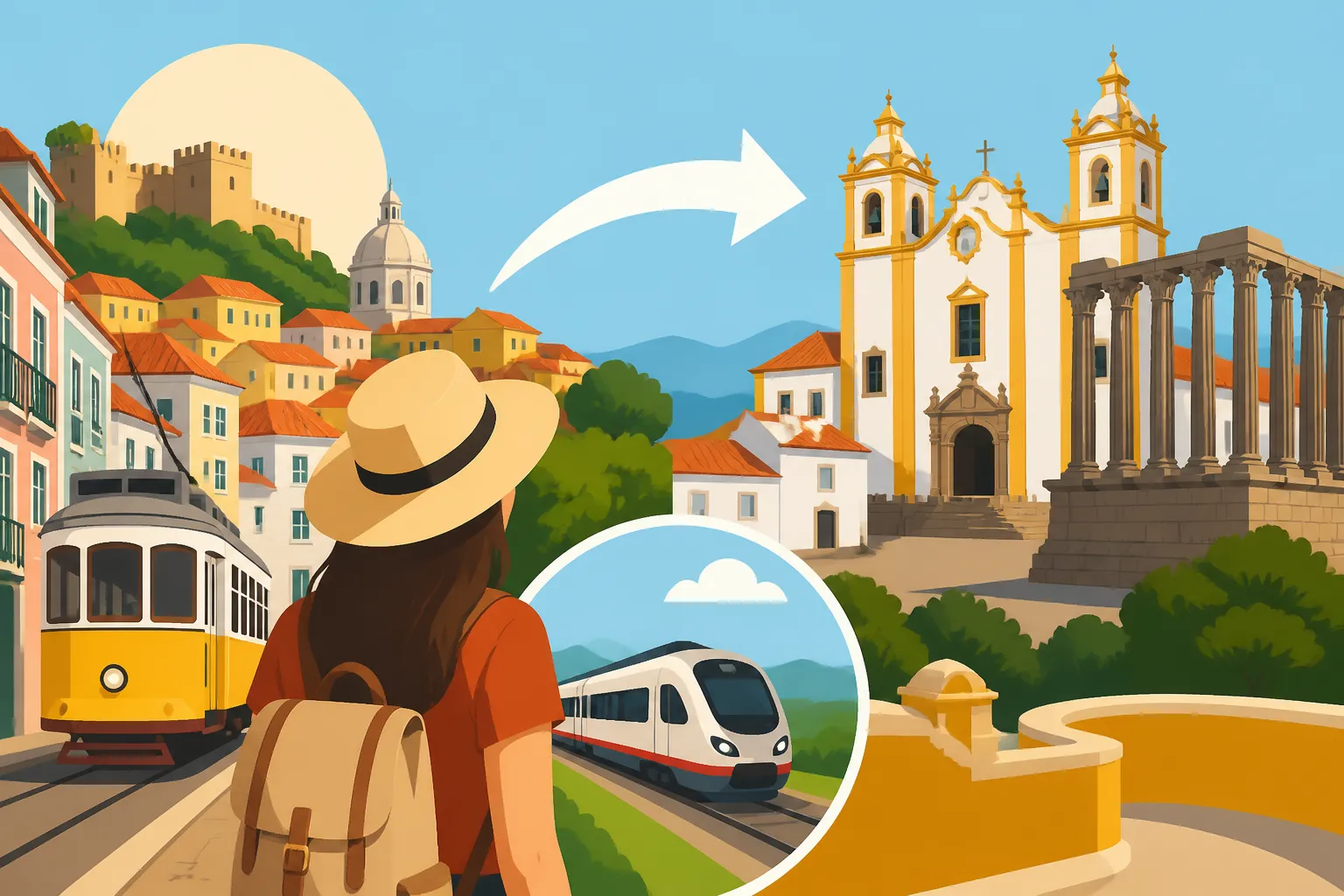
Taking the train to Évora is often my preferred method when I want to sit back, relax, and enjoy the scenery without worrying about driving or parking. Comboios de Portugal (CP) operates direct trains from Lisbon's Oriente station to Évora. The journey typically takes around 1 hour and 35 minutes to 1 hour and 45 minutes, making it a fairly swift and comfortable option. The trains are generally modern, clean, and offer a pleasant ride.
You'll depart from Gare do Oriente, a stunning piece of modern architecture itself, which is easily accessible via the Lisbon Metro (red line). It’s important to note that Évora's train station is located just outside the historic city walls, usually a 10-15 minute walk to Praça do Giraldo, the main square. Taxis are usually available at the station if you prefer not to walk, especially if you have luggage for an overnight stay. Booking your tickets in advance, particularly for peak travel times or weekends, is always a good idea. You can purchase them online via the Comboios de Portugal website or at the station ticket counters. Remember that train schedules can be less frequent than bus services, so checking the timetable well in advance is crucial for planning your day. You can learn more about navigating Portugal's rail system in our guide on Using Comboios de Portugal (CP) Trains and the Navegante Pass.
By Bus: Frequent and Affordable
For many, the bus is the most practical and often the most economical way to reach Évora. Rede Expressos, Portugal's main long-distance bus company, offers frequent daily services from Lisbon's Sete Rios bus terminal to Évora. The journey duration is similar to the train, usually between 1 hour and 30 minutes to 2 hours, depending on the number of stops. The Sete Rios terminal is also conveniently located and accessible by Lisbon Metro (blue line, Jardim Zoológico station).
Buses tend to offer more departures throughout the day compared to trains, providing greater flexibility, especially if you're planning a spur-of-the-moment trip. The buses are comfortable, often equipped with air conditioning and sometimes even Wi-Fi, making for a pleasant ride. The bus station in Évora is located even closer to the historic center than the train station, usually just a 5-10 minute walk to Praça do Giraldo. Tickets can be purchased online through the Rede Expressos website, or directly at the terminal. Many travellers find it easy to use platforms like Omio to compare prices and schedules for both trains and buses, which can save a lot of hassle. While cash is king in some smaller establishments, most modern transport hubs accept card payments, but always useful to have some cash on hand, especially for smaller purchases or local taxis. Understanding The Multibanco System and MB Way: Portugal's Unique Payment Network can also be really helpful for managing payments here.
By Car: Freedom to Explore
If you crave independence and want the flexibility to explore Évora's surrounding areas, such as the mysterious Cromeleque dos Almendres megaliths or local wineries, renting a car is an excellent option. The drive from Lisbon to Évora is straightforward, primarily via the A2 and A6 highways, which are well-maintained and clearly signposted. The journey typically takes about 1 hour and 15 minutes to 1 hour and 30 minutes, making it the fastest option.
However, driving in Portugal comes with its own considerations. You'll encounter tolls on the highways, which can add up. Many rental cars come with a Via Verde transponder, making electronic toll payment seamless. If not, you'll need to understand how to pay them post-journey, which can be a bit of a bureaucratic puzzle for the uninitiated. Our guide on Navigating the Portuguese Toll System: Via Verde and Electronic Tolls provides a deep dive into this. Once you arrive in Évora, parking can be a challenge within the historic walls, which are often pedestrianized or have restricted access. There are several paid parking lots just outside the walls, offering convenient access to the city center. While having a car allows for fantastic detours, remember to factor in rental costs, fuel, tolls, and parking when budgeting your trip. If you're staying longer in Portugal, you might consider converting your license; our article on Driving in Portugal: Exchanging Your Foreign License to a Portuguese One has all the details.
Organized Tours: The Stress-Free Option
For those who prefer a completely hands-off approach, an organized day trip or multi-day tour from Lisbon is an ideal choice. Many companies offer guided excursions to Évora, often combining it with visits to nearby attractions in the Alentejo region, such as a cork factory, a local winery, or the Almendres Cromlech. These tours typically include round-trip transportation in a comfortable bus or van, a professional guide, and sometimes even lunch or wine tastings.
The main advantage of an organized tour is convenience. You don't have to worry about planning routes, buying tickets, or navigating language barriers. Everything is taken care of, allowing you to simply relax and absorb the experience. Companies like GetYourGuide offer a variety of Évora tours, catering to different interests and budgets. This option is particularly appealing if you're short on time, travelling solo, or simply want to maximize your sightseeing without the logistical stress. The downside, of course, is less flexibility in your itinerary, as you'll be on a fixed schedule with the group. However, for a quick and comprehensive introduction to Évora and its surroundings, it’s unbeatable.
Here’s a quick comparison of your transport choices:
| Transport Method | Journey Time (approx.) | Cost (one-way, approx.) | Flexibility | Convenience | Pros | Cons |
|---|---|---|---|---|---|---|
| Train | 1h 40m | €15 – €25 | Moderate | High | Comfortable, scenic, no traffic. | Fewer daily departures, station slightly further from center. |
| Bus | 1h 45m | €10 – €20 | High | High | Frequent departures, often cheaper, drops closer to center. | Less scenic, can hit traffic. |
| Car | 1h 20m | Varies (rental, fuel, tolls) | Very High | Moderate | Explore surrounding areas freely, direct route. | Tolls can be confusing, parking challenges in Évora center. |
| Organized Tour | Full Day (8-10h) | €60 – €120+ | Low | Very High | All logistics handled, guided insights, often includes other sights. | Fixed itinerary, less personal exploration time. |
Note: Prices are estimates and can vary based on booking time, class, and demand.
Unveiling the Charms of Évora: What to See and Do
Once you arrive in Évora, you'll find a city brimming with history, culture, and a distinct Alentejo flavor. The historic center is surprisingly compact, making it easy to navigate on foot and discover its many treasures. Give yourself ample time to wander the narrow, winding streets; it's part of the experience. The beauty of Évora is that it encourages you to slow down, to step into a quieter, older rhythm.
The Macabre Beauty of the Chapel of Bones (Capela dos Ossos)
Perhaps Évora’s most famous and striking attraction, the Chapel of Bones, or Capela dos Ossos, is located within the Royal Church of St. Francis. It's a truly unique and somewhat eerie experience. The chapel walls and pillars are meticulously lined with the skulls and bones of an estimated 5,000 monks, gathered from various city cemeteries in the 16th century. The chilling inscription above the entrance, "Nós ossos que aqui estamos pelos vossos esperamos" ("We bones that here are, for yours await"), serves as a powerful memento mori, a reminder of the transient nature of life.
Stepping into the chapel is a profound moment. It’s not just gruesome; it's a meditative space that forces contemplation on mortality. Despite the macabre decorations, there's a strange beauty in the intricate patterns formed by femurs, tibias, and skulls. Beyond the bones, the church itself is a beautiful example of Gothic and Manueline architecture. Make sure to allow sufficient time for your visit, as it can be quite thought-provoking, and the adjacent museum provides further historical context.
The Enduring Grandeur of the Roman Temple (Templo Romano de Évora)
Dominating the city's highest point, the Roman Temple of Évora, often mistakenly called the Temple of Diana, is one of the best-preserved Roman monuments on the Iberian Peninsula. Dating back to the 1st century AD, its Corinthian columns stand proudly against the Évora skyline, a powerful symbol of the city's ancient roots. While much of its original structure is gone, the remaining columns and foundations evoke a vivid sense of its former glory as a temple dedicated to the imperial cult.
The temple is an open-air site, so there's no entrance fee, making it easily accessible for a quick visit or a longer period of contemplation. The surrounding gardens offer benches, perfect for sitting and imagining life during Roman times. From this vantage point, you also get fantastic panoramic views over Évora and the surrounding Alentejo plains. It's particularly stunning at sunrise or sunset when the light bathes the ancient stones in a golden glow. It’s a perfect spot for photography and a tangible link to the city's deep past.
Évora Cathedral (Sé de Évora): A Masterpiece of Ages
The Sé de Évora, or Évora Cathedral, is another must-see landmark and one of Portugal's most significant Gothic monuments. Its construction began in 1186 and continued for centuries, resulting in a fascinating blend of architectural styles, from Romanesque foundations to Gothic interiors and Baroque additions. The imposing granite facade, flanked by two asymmetrical bell towers, immediately captures your attention.
Inside, the cathedral is vast and awe-inspiring, with a stunning cloister that offers tranquility and more fantastic views if you climb to the roof terrace. The panoramic vista from the rooftop, encompassing the city's red-tiled roofs, the Roman Temple, and the sprawling Alentejo landscape, is simply breathtaking and well worth the extra climb. Don't miss the cathedral museum, which houses a collection of sacred art, including a famous 13th-century ivory Virgin Mary. The blend of history and art within these walls makes it a truly immersive experience.
Praça do Giraldo: The Heart of Évora
Every Portuguese city has its central square, and Évora's is Praça do Giraldo. This vibrant, arcaded square is the undeniable heart of the city, bustling with cafes, shops, and locals going about their day. It’s named after Geraldo Sem Pavor ("Gerald the Fearless"), who recaptured Évora from the Moors in the 12th century. The square’s most prominent feature is the beautiful 16th-century fountain with its eight spouts, each representing one of the eight streets leading into the square.
This is the perfect place to grab a coffee and a pastel de nata, sit at an outdoor terrace, and simply watch the world go by. It’s where Évora's pulse is most evident. You'll also find the Santo Antão Church here, which is worth a quick peek. Praça do Giraldo is a natural starting point for exploring the rest of the historic center and a convenient spot to orient yourself. You'll quickly notice the relaxed pace here, a welcome change from Lisbon's frenetic energy. Getting a handle on Portuguese Coffee Culture and Restaurant Etiquette: Ordering Like a Local will serve you well here!
University of Évora: A Glimpse into Academia
The University of Évora, one of Portugal's oldest universities, adds another layer of historical depth to the city. Housed in a beautiful former Jesuit college, its cloistered courtyards and grand halls offer a glimpse into centuries of academic tradition. While not as outwardly dramatic as the Chapel of Bones or the Roman Temple, wandering through the university grounds provides a serene and insightful experience into Évora's intellectual heritage.
Many of the university's buildings are open to the public during academic hours, allowing visitors to appreciate their architectural beauty. The inner courtyard, often filled with students, provides a lively contrast to the ancient stones. It's a working university, so be mindful of ongoing classes and student activities, but it's a lovely place for a quiet stroll and to admire the historical setting.
Beyond the Walls: Cromeleque dos Almendres
If you have a car or opt for an organized tour, venturing a short distance outside Évora is highly recommended to visit the Cromeleque dos Almendres. This is one of the largest and oldest megalithic monuments in Europe, predating Stonehenge by thousands of years. Located amidst cork oak forests, this ancient stone circle offers a truly magical and mystical experience.
The site comprises nearly 100 standing stones, some engraved, arranged in two concentric ellipses. It's believed to have been an astronomical observatory or a ritual site, aligning with the solstices and equinoxes. There's an undeniable sense of ancient power and mystery here. Access is free, but you'll need transport as it's about a 15-20 minute drive from Évora. Combining this with a visit to a local winery makes for a perfect half-day excursion, truly immersing you in the unique landscape and history of the Alentejo.
Making the Most of Your Évora Trip
A trip to Évora, whether it's a quick day visit or a more leisurely overnight stay, offers a fantastic window into Portugal's past and the unique culture of the Alentejo. To truly soak it all in, a little planning goes a long way. This isn't just about ticking off sights; it's about experiencing the rhythm of the city, engaging with its flavors, and understanding its quieter beauty.
Where to Stay: Embracing Alentejo Hospitality
While Évora is perfectly doable as a day trip, spending a night or two allows you to experience the city at a more relaxed pace, particularly in the quieter evenings when the day-trippers have departed. Accommodation options cater to all tastes and budgets, from charming guesthouses within the historic walls to boutique hotels and larger chains. Many of the guesthouses are housed in beautifully restored historic buildings, offering an authentic experience.
If you decide to stay overnight, I highly recommend booking well in advance, especially during peak season (spring and autumn) or on weekends. Websites like Booking.com are invaluable for finding the perfect spot, allowing you to filter by location, amenities, and price. Staying inside the city walls puts you right in the heart of the action, with easy access to all the main attractions and evening dining. Consider a place with a rooftop terrace for stunning sunset views over the city – it’s a memorable way to end your day. While renting an apartment for a short stay isn't always feasible, understanding the ins and outs of Renting an Apartment in Portugal: Contracts, Fees, and Tenant Rights is crucial for longer stays anywhere in Portugal.
Food and Wine: The Flavors of Alentejo
Ah, Évora, the capital of Alentejo, a region renowned for its incredible gastronomy and wines! Eating in Évora is an experience in itself. The local cuisine is hearty, flavorful, and deeply rooted in tradition. Expect dishes featuring succulent black pork (porco preto), rich stews (ensopado de borrego), and plenty of fresh bread, olives, and olive oil. Açorda à Alentejana, a garlic and coriander bread soup, is a regional staple and a must-try.
Don't leave Évora without sampling the regional wines. Alentejo is one of Portugal's premier wine-producing regions, known for its robust reds and crisp whites. Many restaurants will offer a vinho da casa (house wine) that's often a fantastic local option. For a more immersive experience, consider a visit to one of the many quintas (wine estates) in the surrounding countryside, some of which offer tours and tastings. Even if you don't make it to a winery, enjoy a glass with your meal at one of Évora's traditional restaurants. Locals often eat dinner later, around 8 PM or 9 PM, so don't be surprised if restaurants are quiet before then.
Best Time to Visit and Other Tips
The best times to visit Évora are spring (April-May) and autumn (September-October). During these months, the weather is pleasantly mild, perfect for exploring on foot, and the landscapes of the Alentejo are at their most beautiful. Summers can be intensely hot, with temperatures often soaring above 35°C (95°F), making sightseeing less comfortable. Winters are generally mild, but it can get chilly, especially in the evenings, and some attractions might have reduced hours.
A few extra tips:
- Comfortable Shoes: Évora's historic center is full of cobblestone streets. Comfortable walking shoes are essential.
- Sun Protection: Even outside of summer, the Alentejo sun can be strong. Bring sunscreen, a hat, and sunglasses.
- Hydration: Always carry water, especially when walking around the city.
- Local Markets: Check out the Mercado Municipal for a glimpse of local life and fresh produce.
- Currency: While cards are widely accepted, having some euros in cash is always a good idea for smaller shops, market stalls, or unexpected needs.
- Budgeting: Évora is generally more affordable than Lisbon, but travel costs can add up. Our detailed guide on Cost of Living in Portugal 2026: Detailed Budgets for Singles and Families can give you an idea of general expenses, even for a short trip.
Évora is a true jewel of Portugal, offering a deep dive into history, culture, and gastronomy. Whether you arrive by train, bus, car, or an organized tour, it promises an unforgettable experience that will leave you with a profound appreciation for this ancient Alentejo city.
Disclaimer
The information provided in this guide is for general informational purposes only and is subject to change. While we strive to keep the content accurate and up-to-date, travel regulations, public transport schedules, prices, and opening hours of attractions can vary. We recommend verifying all critical information with official sources before making travel plans.