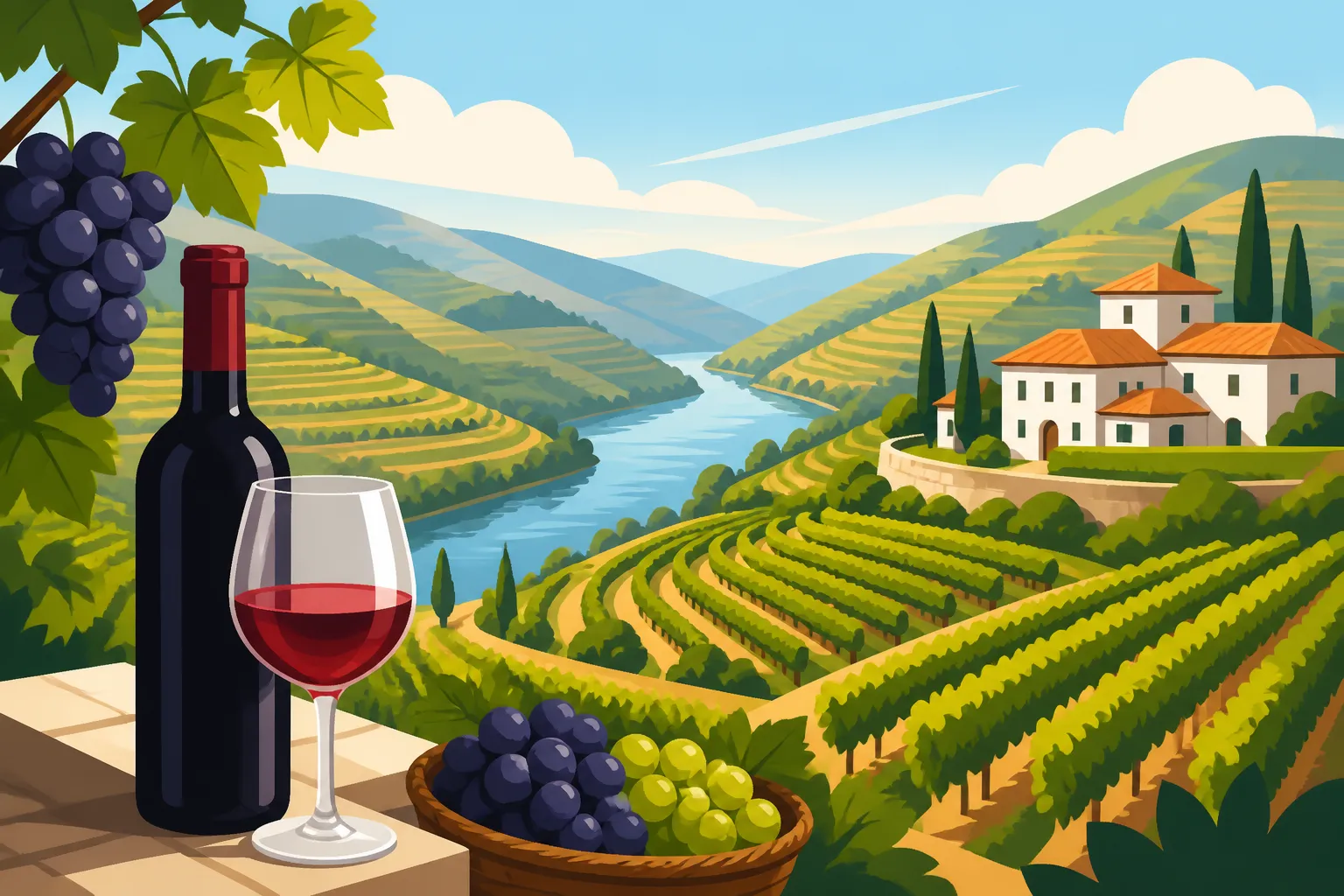
Douro Valley Wine Tours and Quintas
Disclosure: This article contains affiliate links. If you buy through them, we may earn a commission at no extra cost to you. Read our full disclosure.
Trying to navigate the Douro Valley’s winding roads and complex train schedules can turn a dream vacation into a logistical nightmare. Many visitors find themselves stuck in tourist traps or missing the most authentic vineyards due to poor planning. This guide simplifies the process, offering insider tips on transportation, top-tier quintas, and seasonal secrets to ensure your wine country experience is truly unforgettable.
Navigating the Logistics of Reaching the Douro Valley
When I first arrived in Portugal, I underestimated the Douro Valley. I thought I could just "pop over" from Porto for an afternoon. I quickly learned that the Douro is a living, breathing entity that demands respect, especially regarding transportation. The geography is unforgiving—steep, terraced hills and a river that snakes through the landscape mean that getting from Point A to Point B takes twice as long as you expect. You have three primary ways to get there: train, car, or boat, and each comes with its own set of administrative and physical headaches.
The Romance and Reality of the Linha do Douro Train
The train journey from Porto’s São Bento station to Pinhão is often cited as one of the most beautiful in the world. While that is true, the reality of the CP (Comboios de Portugal) system can be frustrating for those used to the clockwork precision of Northern Europe. You will likely be using the Linha do Douro. The tracks hug the river, providing views you simply cannot get from the road. However, these trains can be crowded, especially during the peak summer months, and air conditioning is never a guarantee on the older regional carriages.
For the most seamless experience, it is wise to check schedules on Omio before you head to the station. It helps you visualize the connection times between the suburban lines and the regional ones. If you are staying in Porto long-term, you might be familiar with the Navegante Pass Lisbon or Porto's Andante system, but keep in mind these urban passes do not cover the full journey into the heart of the Douro. You will need a separate regional ticket. The final stretch between Peso da Régua and Pinhão is the "sweet spot" where the windows become frames for breathtaking schist-terraced landscapes.
Driving the N222 and Handling Portuguese Roads
If you value autonomy, renting a car is the only way to reach the smaller, family-run quintas that aren't within walking distance of a train station. The N222, which runs from Peso da Régua to Pinhão, was once voted the "best driving road in the world." It is indeed stunning, but as an expat, I have to warn you: Portuguese drivers are assertive, and the roads are narrow. You will be dealing with hair-raising switchbacks and locals who know every curve by heart.
Before you get behind the wheel, make sure your paperwork is in order. If you have recently moved here, you should look into Driving in Portugal: Exchanging Your Foreign License to a Portuguese One to ensure you are legally covered. Also, remember that Portugal has a very strict zero-tolerance approach to drinking and driving. If you are planning a full day of Port tastings, a rental car becomes a liability unless you have a designated driver. Parking in villages like Pinhão is also notoriously difficult; the streets weren't built for modern SUVs, so aim for a smaller car if you can.
Boat Tours and the River Perspective
Arriving by boat is the slowest and most expensive way to see the valley, but it offers a unique sense of scale. Most cruises depart from Vila Nova de Gaia. The major drawback is the locks. Passing through the Carrapatelo dam, which has one of the highest locks in the world, is an engineering marvel, but it can take a significant amount of time. If you only have one day, a boat might eat up all your tasting time.
We usually suggest a "hybrid" day. Take the train up to Pinhão to maximize your time in the vineyards, and then book a short, one-hour Rabelo boat trip (the traditional wine-carrying boats) once you are there. You can find these easily through GetYourGuide, which allows you to skip the kiosks and have your digital ticket ready. It gives you the river experience without the six-hour commitment of sailing all the way from Porto.
Top Quintas for Authentic Tastings and Education
In the Douro, a "Quinta" is more than just a farm; it is a historical estate where the soul of the wine is forged. The valley is divided into three sub-regions: Baixo Corgo, Cima Corgo, and Douro Superior. Most of the iconic quintas you’ll want to visit are clustered in the Cima Corgo, centered around the town of Pinhão. Here, the climate is drier and the wines are generally considered to be of higher quality.
Historic Estates and the Legacy of Port Wine
If you want to understand the history of the region, you have to visit the heavy hitters. Quinta do Bomfim, owned by the Symington family, is a perfect example of a professional, educational experience. It is located right next to the Pinhão train station, making it incredibly accessible. Their museum is excellent for understanding the "schist" soil—that flaky, layered rock that forces the vines to send their roots deep into the earth.
When visiting these historic houses, you will likely encounter different styles of Port: Ruby, Tawny, and Vintage. A common mistake tourists make is rushing through the tasting. In Portugal, everything moves slower. Embrace the pace. If you are staying in the region to look for a permanent home, reading a Living in Portugal Guide 2027: The Complete Relocation Manual for Expats will help you understand that this "slow living" is a feature, not a bug, of the local culture. You’ll find that the staff at these quintas are incredibly proud of their heritage; asking detailed questions about the fortification process will usually get you a more generous pour.
Boutique Quintas and the Rise of Douro Table Wines
While Port made this region famous, the "Douro DOC" (table wines) are currently the darlings of the wine world. Smaller quintas like Quinta da Roêda or Quinta do Crasto (though Crasto is quite famous, it retains a boutique feel) are focusing heavily on these non-fortified wines. These estates often require a steep climb to reach, but the infinity pools and panoramic views are worth the effort.
At these smaller spots, you might even find the owner leading the tour. This is where your efforts to learn the language will pay off. Even a simple "Bom dia" or "Obrigado" goes a long way. If you are struggling with the basics, I suggest looking into Learning European Portuguese: Top Apps, Tutors, and Free Government Classes to bridge that gap. The smaller quintas often don't have the marketing budget of the big houses, so they rely on the quality of their tour and the personal connection they make with visitors.
Seasonal Considerations: When to Visit the Douro
The Douro Valley is a chameleon; it changes entirely depending on the month you visit. Unlike Lisbon or the Algarve, the Douro has extreme weather. They say the Douro has "nine months of winter and three months of hell" (referring to the heat). As someone who has spent winters in the north of Portugal, I can tell you that the "hell" part is no exaggeration.
The Harvest Season (Vindimas) Experience
September is the most magical and chaotic month in the valley. This is the Vindima—the harvest. The air smells like fermenting grapes, and the roads are filled with trucks carrying overflowing crates of fruit. This is also the only time you can participate in lagar treading, the traditional method of crushing grapes by foot in large granite tanks. It sounds like a tourist gimmick, but it is actually a vital part of making premium Port, as the human foot is warm enough to start fermentation but gentle enough not to crush the bitter grape seeds.
If you plan to visit during the harvest, you must book your quintas and accommodation months in advance. I usually check Booking.com for boutique stays that offer "harvest packages." Be prepared for the heat; temperatures can easily soar above 40°C (104°F) in the valley. It is also the time of year when wildfire risk is at its highest. Always stay informed via local news or the Safety and Emergency Preparedness in Portugal for Foreign Residents resources to ensure you aren't heading into a restricted zone during a heatwave.
Winter Silence and the Almond Blossoms of Spring
Winter in the Douro is stark and quiet. Many quintas close their doors to tourists from January to March, or operate on limited hours. The vines are bare, and the hills turn a misty, moody grey. However, if you enjoy solitude and lower prices, this is a great time to visit. Just be warned: many of the older stone quintas were not built for comfort. You will want to check that your accommodation has decent heating, or you’ll be dealing with the same issues many of us face in our homes—see Heating and Insulation in Portuguese Homes: Fighting Winter Cold and Mold for a reality check on Portuguese winters.
Spring (late February to April) brings the arrival of the almond blossoms in the Douro Superior. The hillsides are covered in white and pink flowers, and the temperatures are much more manageable for hiking through the vineyards. This is the best time for those who want to be active—walking the old paths between quintas without the risk of heatstroke.
Planning Your Itinerary: Day Trips vs. Overnight Stays
A common debate among travelers is whether to stay in Porto and do a day trip or sleep in the valley. Having done both, I can tell you that an overnight stay is a completely different experience. When the last train leaves Pinhão at 8:00 PM, the valley becomes incredibly peaceful.
Maximizing a Day Trip from Porto
If you are short on time, a day trip is feasible but requires military-level planning. You’ll want to be on the 8:00 AM or 9:00 AM train from São Bento. This gives you enough time to visit two quintas and have a leisurely lunch. For lunch, don't just grab a sandwich; the Douro is known for its hearty meat dishes like cabrito (roasted kid goat).
When dining out, remember the local customs. People often get confused by the appetizers brought to the table. For a refresher on how this works, check Portuguese Coffee Culture and Restaurant Etiquette: Ordering Like a Local. It will save you from an awkward bill conversation later. To keep your day trip stress-free, I recommend using GetYourGuide to book a tour that includes transport, lunch, and two tastings. This removes the stress of navigating the CP train schedules and the uphill walks to the quintas.
The Magic of Staying Overnight in a Quinta
Staying overnight allows you to experience the Douro "Golden Hour." As the sun sets over the river, the light hits the terraces in a way that is impossible to capture on camera. Many quintas, such as Quinta Nova or Six Senses Douro Valley, offer luxury accommodation. These spots are often listed on Booking.com, and staying there gives you access to private vineyard walks and late-night Port tastings by the fireplace.
Staying overnight also means you can explore further east into the Douro Superior. This region is more rugged and less visited. You can visit the Côa Valley Archaeological Park to see prehistoric rock carvings, which is a UNESCO World Heritage site. This requires a car, but the lack of crowds makes it feel like you’ve discovered a secret part of Portugal.
| Option | Best For | Typical Cost (per person) | Logistics |
|---|---|---|---|
| Regional Train | Budget & Scenery | €20 – €30 (Round trip) | Direct from Porto São Bento to Pinhão. |
| Guided Van Tour | Convenience | €90 – €150 | Includes lunch, 2 quintas, and river cruise. |
| Rental Car | Flexibility | €50+ per day (plus tolls) | Best for reaching remote, boutique quintas. |
| Private Boat | Luxury | €500 – €2,000+ | Full day from Porto with crew and catering. |
Practical Tips for a Smooth Douro Experience
Before you set off, there are a few administrative and cultural "realities" you should know. Portugal is a country of many rules—some written, some unwritten—and the Douro is no different.
Booking Tastings and Managing Reservations
Unlike Napa Valley or parts of France, you cannot always just "walk in" to a quinta for a tasting, especially the smaller ones. Most require a reservation at least 24 hours in advance. This is because the person giving the tour might also be the person managing the cellar or working in the fields. Readers are best served by emailing them directly or using their website booking tools.
If you are using a professional service, you might find that some quintas ask for your NIF (tax identification number) when you pay for your tasting or buy bottles to take home. This is standard practice in Portugal and helps with tax deductions. If you are new to the country and don't have one yet, you should read up on how to get your NIF and NISS: How to Get Your Portuguese Tax and Social Security Numbers as it is essential for almost every transaction here.
Cultural Etiquette and the "Yellow Book"
The Portuguese are incredibly hospitable, but they value politeness and a degree of formality. When you enter a quinta, a "Bom dia" (Good morning) or "Boa tarde" (Good afternoon) to the staff is expected. If you experience a genuine problem—say, a tour was cancelled without notice or you were double-charged—every business in Portugal is legally required to have a Livro de Reclamações (Complaints Book). However, using it is seen as a very serious "nuclear option." Usually, a polite conversation with the manager will solve any issue.
Finally, keep in mind that the Douro is a working agricultural region. The people you see in the vineyards are doing back-breaking work in difficult conditions. Respect the property, stay on the marked paths, and remember that while this is a beautiful vacation spot for us, it is a demanding way of life for the locals. Understanding this balance is the key to moving from a "tourist" to an "informed resident" mindset.
Disclaimer
The information provided in this guide is for informational purposes only and reflects the personal experiences of a veteran expat in Portugal. While we strive for accuracy, travel logistics, prices, and visa/immigration rules can change rapidly. Always verify specific details with official sources or local service providers before making travel or financial commitments. This content does not constitute legal, financial, or professional advice.