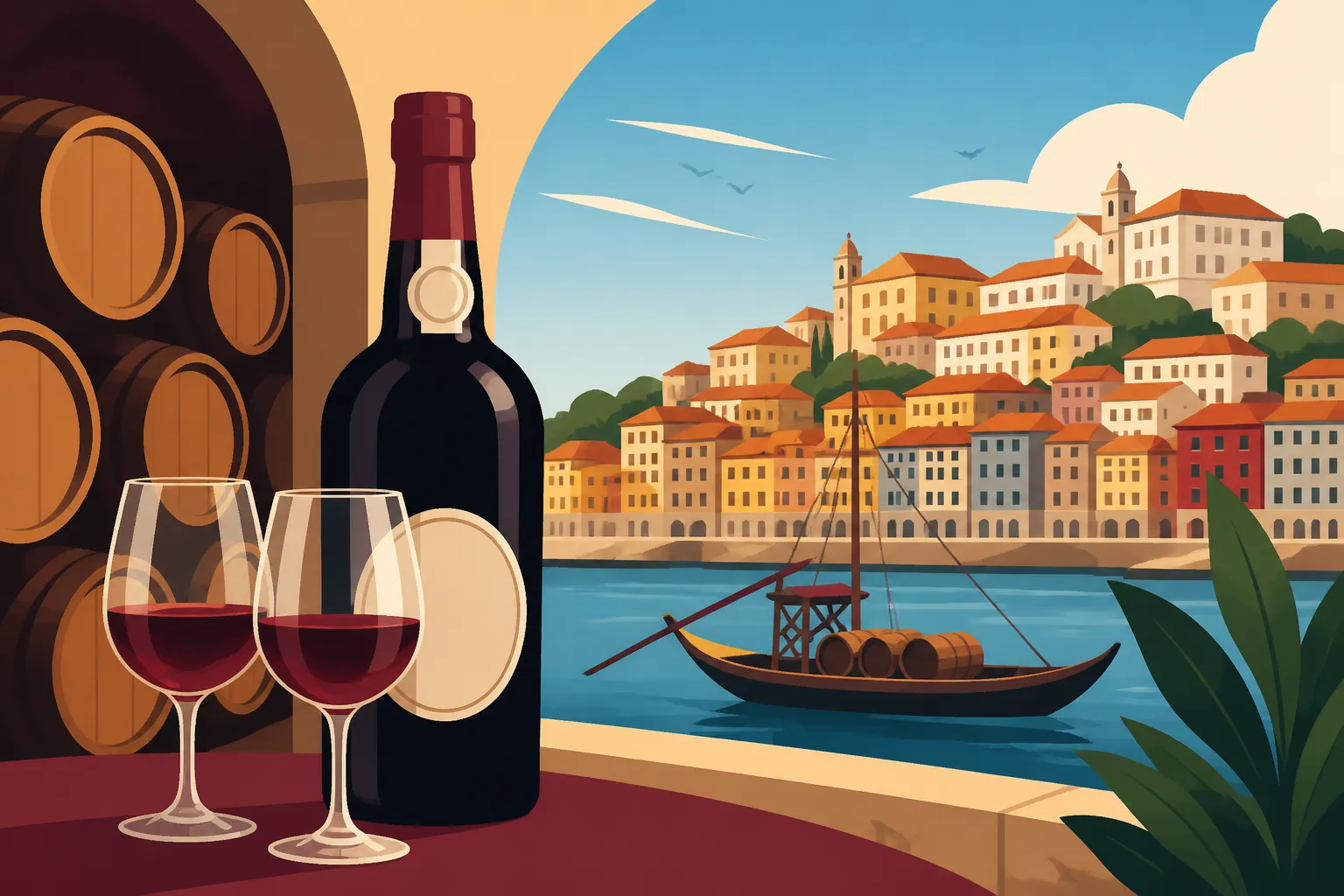
Port Wine 101: Tasting and Visiting Port Lodges in Porto
Disclosure: This article contains affiliate links. If you buy through them, we may earn a commission at no extra cost to you. Read our full disclosure.
Standing on the Ribeira with a glass of Port in hand is a dream for many, but the reality is often a confusing blur of vintage years, cellar temperatures, and steep climbs up the Gaia hillside. This guide solves the mystery of the Douro's most famous export, helping you distinguish between Ruby and Tawny while navigating the historic lodges like a seasoned local.
Understanding the Basics: What Exactly is Port Wine
When I first moved to Portugal, I made the classic amateur mistake of thinking Port was just "sweet wine" you had with dessert. I quickly learned that for the people of Porto, this isn't just a drink; it is a centuries-old heritage protected by some of the strictest regulations in the world. To truly appreciate what you are sipping in the lodges of Gaia, you have to understand the marriage of the rugged Douro Valley landscape and the technical precision of the fortification process.
The Fortification Process: Why it is Strong and Sweet
Port wine is a fortified wine, but that doesn't mean alcohol is simply dumped into a finished product. The magic happens during fermentation. When the grape juice is fermenting and has reached about 6% to 9% alcohol, a neutral grape spirit called aguardente (similar to clear brandy) is added. This high-proof spirit kills the yeast instantly, stopping the fermentation before all the natural grape sugars have turned into alcohol.
This is why Port is both high in residual sugar and high in alcohol, usually sitting between 19% and 22% ABV. As a foreigner, you might find the first sip surprisingly "hot" or boozy. That is the aguardente talking. In the old days, this fortification was a practical necessity; the British merchants who controlled much of the trade needed the wine to survive the long, choppy sea voyage from Porto to London without spoiling. Today, it is what gives Port its incredible aging potential, allowing some bottles to remain drinkable for over a century.
The Demarcated Douro Region: A UNESCO Heritage Site
You cannot simply grow grapes anywhere and call the result Port. Much like Champagne in France, Port wine is a protected designation of origin. The grapes must be grown in the Douro Demarcated Region, which was established in 1756, making it one of the oldest regulated wine regions in the world. This area is characterized by incredibly steep, terraced hillsides made of schist rock.
The climate here is famously described as "nine months of winter and three months of hell" because of the extreme temperature swings. These harsh conditions force the vines to struggle, digging their roots deep into the rock for water, which results in highly concentrated, flavorful grapes. If you are planning to head out of the city to see where the magic begins, you should look into Exploring the Douro Valley: Day Trips from Porto to see these breathtaking man-made terraces that have earned UNESCO World Heritage status.
Serving Temperatures and Glassware: Don't Drink it Warm
One of the biggest frustrations for expats is seeing Port served incorrectly. Many of us come from cultures where red wine is served at room temperature, but in the heat of a Portuguese summer, "room temperature" can be 30 degrees Celsius. Port should never be warm. A tawny port is best served slightly chilled (around 12-14°C), while a white or rosé port should be cold, straight from the fridge.
The glass matters too. While you will often see tiny "thimble" glasses in touristy souvenir shops, professional lodges use a specific Port glass that is shaped like a smaller version of a white wine glass. This allows the complex aromas to concentrate at the top without letting the alcohol overwhelm your nose. If you are hosting friends in your new Portuguese home, getting the temperature and glassware right is the first step toward social integration.
Navigating the Styles: Ruby, Tawny, White, and Rosé
Walking into a wine shop in Porto can feel like entering a library where you don't speak the language. The labels are covered in terms like "Colheita," "Late Bottled Vintage," and "10 Year Old." To avoid overpaying for a style you don't actually enjoy, you need to understand the two primary "families" of Port: those aged in the bottle (Ruby) and those aged in wood (Tawny).
The Ruby Family: Fruity, Bold, and Young
Ruby Ports are the most widely produced and are characterized by their deep red color and intense primary fruit flavors—think blackberries, cherries, and plums. These wines spend relatively little time in oak barrels; they are moved to stainless steel tanks or large wooden vats to prevent oxidation, preserving that bright, "ruby" color and youthful vigor.
Within the Ruby family, you will find the "Late Bottled Vintage" (LBV). This is a great "hack" for expats who want a high-quality wine without the price tag or the fuss of a true Vintage Port. LBVs come from a single year and are aged for four to six years before bottling, making them ready to drink immediately. Unlike a true Vintage Port, which is the pinnacle of the Ruby style and can age for decades in your cellar, an LBV doesn't require decanting and won't break the bank.
The Tawny Family: Nutty, Aged, and Complex
Tawny Ports are a completely different animal. These wines are aged in smaller oak barrels called "pipes," which allow for a controlled amount of oxygen to interact with the wine. Over years and decades, the wine loses its deep red color, turning a golden-brown or "tawny" hue. The flavor profile shifts away from fresh fruit toward secondary notes of caramel, dried orange peel, toasted nuts, and coffee.
When you see a "10, 20, or 40-year-old" Tawny, that number is actually an average age of the blend, not a specific vintage. The master blender at the lodge combines various wines to achieve a consistent "house style." If you prefer a wine that feels like a warm hug on a rainy Porto winter evening, the Tawny family is where you should spend your time. For a deeper dive into how these costs vary, you might want to check the Cost of Living in Portugal 2026: Detailed Budgets for Singles and Families to see how wine fits into a local grocery budget.
White and Rosé Ports: The Modern Aperitifs
For a long time, White Port was the "ugly duckling" of the industry, mostly used by locals as a cheap aperitif. However, in recent years, it has seen a massive resurgence, especially when served as a "P&T" (Port and Tonic). This is the quintessential summer drink in Porto—White Port, tonic water, a slice of lemon, and a sprig of mint.
Rosé Port is a relatively new invention, first launched by Croft in 2008. It is made using a limited maceration process (leaving the skins in contact with the juice for a short time) to get that pink hue. It is light, fruity, and perfect for cocktails. If you are just starting your journey and want something less "heavy" than a traditional red Port, these styles are an excellent entry point.
| Port Style | Aging Method | Primary Flavors | Serving Temp |
|---|---|---|---|
| Ruby | Large vats/Bottle | Black cherry, chocolate, berry | 16°C |
| LBV (Ruby) | 4-6 years in wood | Rich plum, spice, tannins | 16°C |
| Tawny | Small oak barrels | Caramel, walnut, dried fruit | 12-14°C |
| Aged Tawny | 10-40 years in wood | Butterscotch, coffee, zest | 12-14°C |
| White | Stainless steel/Wood | Apple, honey, citrus peel | 6-10°C |
| Rosé | Minimal skin contact | Strawberry, raspberry | 6-10°C |
Visiting the Port Lodges in Vila Nova de Gaia
To visit the "cellars," you actually have to leave Porto and cross the Luís I Bridge to the city of Vila Nova de Gaia. This is where the wine has historically been stored and aged, thanks to its north-facing hillsides that stay cooler and more humid than the Porto side. It is a steep, cobblestoned area that can be a nightmare for your calves but a dream for your palate.
Big Names vs. Boutique Lodges: Where to Book
The "Big Three" you will see everywhere are Graham's, Taylor's, and Sandeman. These lodges offer high-end, polished experiences. Graham's, for example, is located further up the hill and offers a spectacular view of the city, while Taylor's is famous for its peacocks and legendary library of aged tawnies. These are great for your first visit because they provide a very clear, educational overview of the history.
However, don't ignore the smaller, family-run lodges like Churchill's or Quinta do Noval. These often feel less like a "factory tour" and allow for more direct conversation with the staff. If you are staying in the city for a few days, I recommend using Booking.com to find accommodation on the Gaia side if you want to be within stumbling distance of the tastings, or in the Ribeira if you prefer the classic Porto vibe. For moving between cities, I often use Omio to check the train schedules from Lisbon, as the high-speed Alfa Pendular makes the trip in under three hours.
Logistics of Gaia: Crossing the Bridge and Timing Your Visit
The walk across the lower level of the Luís I Bridge is iconic, but be prepared for the crowd. If you are heading to the lodges at the top of the hill (like Graham's or Cockburn's), you might want to take a taxi or use the Gaia cable car (Teleférico de Gaia). Walking up those hills in the July sun after two glasses of 20% alcohol wine is a recipe for a very long nap.
Timing is everything. Most lodges open around 10:00 AM and close by 6:00 PM or 7:00 PM. We suggest booking your tour for the late afternoon. There is something magical about finishing a tasting just as the sun begins to dip behind the Arrábida Bridge, turning the Douro River into liquid gold. If you need help organizing a specific itinerary, GetYourGuide has several "lodge-hopping" tours that include transportation and pre-booked slots, which saves you the headache of coordinating multiple appointments.
Booking Tips: Why Spontaneity Doesn't Work in Peak Season
Gone are the days when you could just wander into a lodge and ask for a tour. Since the post-pandemic tourism boom, Porto has become incredibly busy. For the popular lodges, you often need to book 2-4 weeks in advance, especially for English-speaking tours.
If you find yourself in Porto without a booking, don't panic. Many lodges have a "tasting room" or terrace that is separate from the guided cellar tour. You can usually walk into these areas, grab a flight of wines, and enjoy the atmosphere without the formal lecture. It is a more relaxed way to explore, and frankly, after your third cellar tour, the "how Port is made" speech starts to sound very familiar.
The Art of the Port Wine Tasting Experience
Tasting Port is not like drinking a beer at a pub; it is a sensory exercise. In the lodges, you will be presented with a "flight"—a selection of 3 to 5 different glasses designed to show the range of the house. Understanding how to navigate these menus will ensure you don't end up with a sugar headache.
Reading a Tasting Menu: Flights and Pairings
When you look at a menu, you will see categories like "Introduction to Port," "Tawny Discovery," or "Vintage Excellence." If you are a beginner, go for a mixed flight that includes one White, one Ruby, and one Tawny. This is the best way to calibrate your palate. Pay attention to the age statements. A 10-year Tawny is vibrant and fruity; a 40-year Tawny is thick, syrupy, and tastes of history.
Many lodges now offer "Premium" tastings that include single-harvest wines called Colheitas. These are tawnies from a specific year rather than a blend. If you were born in a "declared" vintage year, finding a bottle from your birth year is a classic expat tradition, though it can be a very expensive one. If you are curious about how to handle the administrative side of living here while enjoying these luxuries, reading up on Money and Finance in Portugal: The Ultimate 2026 Guide for Expats can help you budget for those high-end bottles.
Chocolate, Cheese, and Port: The Perfect Marriage
The Portuguese take food pairings very seriously. A common mistake is pairing sweet Port with an even sweeter dessert, which can be cloying. Instead, try the classic "Stilton and Port" pairing—the saltiness of the blue cheese cuts through the sugar of the wine perfectly. Most lodges in Gaia offer small pairing plates.
For Ruby and Vintage Ports, dark chocolate is the best friend you will ever have. The tannins in the wine interact with the cocoa solids to create a creamy, decadent mouthfeel. If you are tasting a White Port, ask for some roasted almonds or olives. The salt and oil complement the acidity of the white grapes beautifully.
Vineyard Tours vs. Lodge Tastings: Which is Better?
A common question I get from visitors is whether they should stay in Porto or head up the river to the Douro Valley. The Gaia lodges are where the wine "sleeps" and ages, but the Douro Valley (the Quintas) is where the wine is "born."
If you want history, convenience, and a deep dive into the aging process, stay in Gaia. If you want to see the vines, crush the grapes (during harvest season in September), and experience the dramatic landscape, take the train from São Bento station to Pinhão. Ideally, you should do both. The train ride itself is one of the most beautiful in Europe, hugging the riverbank for hours. For more on the logistics of these trips, see Public Transport and Driving in Portugal: Trains, Tolls, and Licenses.
Practical Tips for Foreigners in Porto
Navigating the wine culture here involves more than just knowing your grapes; there is a social etiquette to consider. Whether you are a tourist or a new resident, these tips will help you avoid the most common "gafes" (social blunders).
Tipping and Etiquette at Wine Bars
In the high-end lodges, the service is professional and often included in the price of the tour. However, in the smaller wine bars (garrafeiras) in the city, tipping culture is subtle. You aren't expected to leave 20% like in the US, but rounding up the bill or leaving a couple of Euros for exceptional service is always appreciated.
Also, remember that Port is a social drink, but it is also a slow one. Don't rush your tasting. The staff in the lodges love to talk about the history of their brand. If you show a genuine interest, you might find them pouring an extra "tester" of something special from behind the counter. For more on local social norms, Portuguese Coffee Culture and Restaurant Etiquette: Ordering Like a Local offers great parallel advice.
Shipping Bottles Home: Customs and Costs
Once you have tasted the best the Douro has to offer, you will inevitably want to send a case back to your home country. Be warned: this is expensive. Shipping liquid is heavy, and customs duties on alcohol can be astronomical, especially for the US or UK.
Most major lodges have shipping partners, but you should always ask for a full quote including "duties and taxes paid" (DDP). Sometimes it is cheaper to buy an extra suitcase and pay for a checked bag on your flight than to ship a case of six bottles. If you are an expat living here, you can often find the same bottles at a fraction of the price in local supermarkets like Continente or El Corte Inglés once you know what you are looking for. You can find more shopping tips in Grocery Shopping in Portugal: Continente, Pingo Doce, Auchan, and Mercados.
Managing the "Port Hangover"
Let's be honest: Port is delicious, but it is also heavy in sugar and high in alcohol. Dehydration is the enemy. Every lodge will provide water, and you should drink twice as much water as you do wine. The hills of Porto are unforgiving the next morning if you haven't hydrated.
If you do overindulge, the local cure is a meia de leite (milky coffee) and a Pastel de Nata in the morning. The sugar and caffeine hit will help you power through your next scheduled tour. If you are feeling particularly rough, the SNS 24 Helpline (808 24 24 24): Triage, Advice, and Sick Notes is available for general health advice, though usually, a brisk walk along the Atlantic coast in Foz is the best medicine.
Disclaimer
This guide is for informational and educational purposes only. While we strive to provide accurate and up-to-date information regarding Port wine and tourism in Porto, the world of alcohol regulations, pricing, and lodge availability changes frequently. Always drink responsibly and in accordance with local Portuguese laws. We are not responsible for any issues arising from the consumption of alcohol or travel arrangements made based on this content.