How to Take a Port Wine Tasting in Porto
Disclosure: This article contains affiliate links. If you buy through them, we may earn a commission at no extra cost to you. Read our full disclosure.
Stepping into Porto, especially for the first time, can be an incredible sensory experience. But let's be honest, the sheer number of port wine cellars clamoring for your attention in Vila Nova de Gaia can be utterly overwhelming. You want to experience the real deal, not just a tourist trap, and figuring out which tour to pick, what to expect, and how to make the most of it can feel like navigating a labyrinth. This guide is here to cut through the noise, offering an expat's perspective on how to truly savor a port wine tasting in Porto, ensuring you walk away with both knowledge and a delightful buzz.
Understanding Port Wine Before You Taste
Before you even set foot in a cellar, it helps to understand what you're actually sipping. Port wine isn't just "sweet red wine from Portugal"; it's a deeply complex, fortified wine with a rich history and distinct styles that vary wildly in flavor, age, and production. Knowing a little bit upfront will make your tasting experience so much more rewarding, helping you appreciate the nuances and ask the right questions.
The Different Styles of Port Wine
Imagine walking into a dedicated port wine bar and being confronted with a menu full of terms like Tawny 10 Year Old, Late Bottled Vintage, or Colheita. It can feel like you need a dictionary just to order! But don't fret, it’s actually quite straightforward once you get the hang of the main categories.
First up, you have Ruby Port. This is often what people first think of when they hear "Port wine." It's typically aged in large oak vats or stainless steel tanks for a shorter period, usually two to three years. This limited exposure to oxygen allows it to retain its vibrant ruby color and fresh, fruity characteristics. Think bold flavors of red berries, plums, and sometimes a hint of chocolate. It's usually enjoyed young and is fantastic with cheese or berry desserts. Within the Ruby category, you'll also find Reserve Ruby, which is a step up in quality, spending a bit more time aging, and Late Bottled Vintage (LBV). LBV is from a single, specific vintage year, aged four to six years in large vats before bottling, and it offers more complexity than a standard Ruby but without the long, often unpredictable aging requirements of a true Vintage Port. It's usually ready to drink upon release, making it a great "everyday" vintage experience.
Then there's the beloved Tawny Port. This is where things get really interesting for many people. Tawny Ports are aged for longer periods in smaller oak barrels, which allows for more oxidation. This process mellows the wine, changing its color from ruby to a beautiful golden-brown or "tawny" hue. The flavors also transform, moving from fresh fruit to dried fruits, nuts, caramel, and even coffee or chocolate notes. You'll often see Tawny Ports with age indications like 10, 20, 30, or even 40 years old. These numbers refer to the average age of the wines blended in the bottle, rather than the exact age of every drop. A 20-year-old Tawny, for instance, will be far more complex and smoother than a 10-year-old, showcasing a remarkable evolution in taste and aroma. These are superb with nut-based desserts, crème brûlée, or simply on their own.
Don't forget the lesser-known, but equally delightful, White Port and Rosé Port. White Port is made from white grape varieties and can range from dry to very sweet. The drier styles are fantastic served chilled as an aperitif, often mixed with tonic water and a slice of lemon for a refreshing "Porto Tonic" – a local favorite, especially on a warm day. Rosé Port is a relatively new style, similar to rosé wine in its production, offering fresh, fruity berry notes and best served chilled. These are perfect for those who find traditional red ports a bit too heavy or sweet.
Finally, we have the king of ports: Vintage Port. This is a rare beast, made from the best grapes of an exceptional harvest year, declared by the Port Wine Institute (IVDP). It spends only two to three years in large wooden barrels before being bottled unfiltered. Unlike other ports, Vintage Port continues to age and evolve in the bottle for decades, sometimes fifty years or more! When young, it's intense and fruity, but with age, it develops incredible complexity, secondary aromas, and a fine sediment that requires decanting. It's an investment, a collector's item, and a true indulgence, often reserved for special occasions. It’s usually enjoyed with strong cheeses or rich chocolate desserts, but many purists prefer it on its own.
| Port Wine Style | Aging Process | Typical Color | Flavor Profile | Common Pairings |
|---|---|---|---|---|
| Ruby | Short aging in large vats | Deep Red/Ruby | Red berries, plum, cherry | Hard cheeses, berry desserts |
| LBV | 4-6 years in large vats, single vintage | Deep Ruby | Dark fruits, spice | Chocolate desserts, blue cheese |
| Tawny | Longer aging in small oak barrels | Golden-Brown/Amber | Dried fruits, nuts, caramel | Nutty desserts, crème brûlée |
| White | Stainless steel or large vats | Golden-Clear | Citrus, honey, almonds (dry-sweet) | Aperitif, Porto Tonic, olives |
| Rosé | Limited skin contact | Pink | Strawberry, raspberry | Light desserts, fruit salads |
| Vintage | 2-3 years in vats, then bottle-aged | Dark Red (young), gradually lighter (old) | Intense fruit (young), complex spice/earth (old) | Strong cheeses, dark chocolate |
The History and Region of Port Wine
Porto and port wine are intrinsically linked, but the story actually begins further inland, amidst the dramatic, terraced landscapes of the Douro Valley. This region, a UNESCO World Heritage site, is one of the oldest demarcated wine regions in the world, established in 1756. It's here, along the winding Douro River, that the unique schist soils and extreme climate—hot, dry summers and bitterly cold winters—force the grapevines to dig deep, producing the intensely concentrated grapes essential for port.
The Douro is where the magic starts, but the final act of maturation historically took place in the cooler, more humid cellars (or caves) of Vila Nova de Gaia, directly across the Douro River from Porto's historic Ribeira district. This relocation was originally a practical one; the wine would be transported downriver in traditional barcos rabelos (flat-bottomed boats) to Gaia, where the maritime climate provided ideal conditions for the slow, steady aging process. The city of Porto itself was the crucial port (hence the name "port wine") from which these barrels would be shipped worldwide.
Today, while some producers have established aging facilities in the Douro, the vast majority of the famous port houses still maintain their historic lodges in Gaia. These lodges are not just storage facilities; they are guardians of tradition, where the wine continues its slumber, slowly transforming into the complex beverage we know and love. When you visit a cellar in Gaia, you're not just seeing barrels; you're stepping into centuries of history, a testament to the ingenuity and passion that built this iconic industry. It's a journey that really allows you to connect with the Daily Life in Portugal: Supermarkets, Language, and Cultural Etiquette and the rich heritage of the country.
Navigating the Port Wine Cellars in Vila Nova de Gaia
Once you've arrived in Porto, the majestic Douro River will guide your gaze across to Vila Nova de Gaia, a hillside dotted with the iconic red-tiled roofs of the port wine lodges. This is where most visitors head for their tasting experience, and for good reason: it’s incredibly convenient and offers a range of options. However, deciding which cellar to visit among the dozens can be daunting.
Choosing Your Cellar: Big Brands vs. Boutique Experiences
Walking along the riverfront in Gaia, you'll be greeted by a veritable parade of famous names: Taylor's, Graham's, Cálem, Sandeman, Ferreira, Churchill's, Cockburn's, Ramos Pinto, and many more. Each offers a unique experience, and what's "best" truly depends on what you're looking for.
The big, well-known brands like Sandeman, Cálem, and Ferreira tend to offer more polished, large-scale tours. Think professional guides, often multilingual, taking you through impressive cellars filled with enormous barrels, often culminating in a tasting in a modern, spacious room.
- Sandeman is instantly recognizable by its iconic "Don" figure, draped in a Portuguese student cape. Their tours are very popular, well-organized, and often have great availability, even if you don't book too far in advance. They often offer multimedia presentations alongside their cellar walks.
- Cálem is another popular choice, known for sometimes combining its port tasting with a live Fado show, which can be a fantastic way to immerse yourself in another aspect of Portuguese culture. It’s a convenient option, right on the waterfront.
- Ferreira is one of the few Portuguese-owned major port houses and offers a more historically rooted tour, delving into the story of Dona Antónia Adelaide Ferreira, a pioneering figure in the Douro. Their cellars are atmospheric and truly feel like stepping back in time.
The advantage of these larger houses is their efficiency, language options (usually English, Spanish, French, and Portuguese), and established reputation. The downside can be larger group sizes, which might feel a bit rushed or less personal if you prefer a more intimate experience.
Then you have the boutique or slightly smaller, less commercialized lodges further up the hill, such as Taylor's, Graham's, and Churchill's. These often require a bit more effort to reach (a pleasant but uphill walk, or a short taxi/Uber ride), but many find the journey well worth it.
- Taylor's is often cited as a favorite among connoisseurs. Their property is beautiful, with peacocks roaming the gardens, and their tours are incredibly informative, focusing heavily on the nuances of their high-quality ports, especially their Vintage and Tawny selections. Their tasting room and shop feel quite elegant.
- Graham's also boasts stunning views over Porto from its location higher up the hill. They offer excellent, detailed tours and have a fantastic restaurant, Vinum, on site, where you can pair gourmet meals with their exquisite ports. This offers a more comprehensive culinary experience alongside the tasting.
- Churchill's is a smaller, more recent port house (established in 1981, which is "recent" in port terms!) with a modern approach while respecting tradition. Their tours are often more personal, focusing on their distinct, drier style of port.
These smaller houses might offer a more in-depth, less crowded experience, allowing for more interaction with guides. However, they might have fewer tour times, and availability can be tighter, so advance booking is even more crucial. Regardless of your choice, each visit typically includes a guided walk through the cellars, a detailed explanation of the port-making process, and, of course, a tasting flight of several different port styles. Many also offer optional add-ons like cheese platters or chocolate pairings, which I highly recommend. You can often find great deals by checking platforms like GetYourGuide for combination tours, or by exploring directly through the individual brand websites for the most current offerings.
Booking Your Tasting Tour and What to Expect
Let me be blunt: if you're coming during peak tourist season (think summer, especially August, or around Christmas and New Year's), or if you have a specific cellar in mind, you absolutely must book your tour in advance. There’s nothing more frustrating than arriving in Gaia, walking from cellar to cellar, only to find all the English tours are fully booked for the day. Trust me, I've seen countless disappointed faces!
You can usually book directly through the individual port house websites. They'll have a schedule of tour times and available languages. For those who prefer a more streamlined approach or are looking for deals, platforms like GetYourGuide are excellent. They often bundle tours with other attractions or offer competitive pricing, and the ability to read reviews from fellow travelers can be invaluable. Sometimes, you might even find Skip-the-Line options, which can be a lifesaver when the crowds are thick.
What to expect on the day:
- Getting there: The port lodges are in Vila Nova de Gaia, directly across the Douro River from Porto. You can walk across the Dom Luís I Bridge (upper deck for incredible views, lower deck for a direct route), take a short taxi, or use ride-sharing apps like Bolt or Uber. If you're staying in the Porto Neighborhood Guide: Where to Live for Culture, Tech, and Family, it's often an easy walk. Be prepared for some uphill climbs if you're heading to lodges like Graham's or Taylor's!
- The Cellar Environment: Port cellars are naturally cool and often quite damp, even on a scorching summer day. This consistent temperature is crucial for the wine's aging. So, even if it's hot outside, consider bringing a light jacket or sweater.
- The Tour: Tours typically last between 45 minutes to an hour, including the tasting. Your guide will walk you through the historic cellars, explain the fermentation and fortification process, talk about the different aging methods, and share stories about the history of their particular house. Most guides are incredibly knowledgeable and passionate – feel free to ask questions! If you're trying to practice your Learning European Portuguese: Top Apps, Tutors, and Free Government Classes, you might even impress your guide with a few phrases.
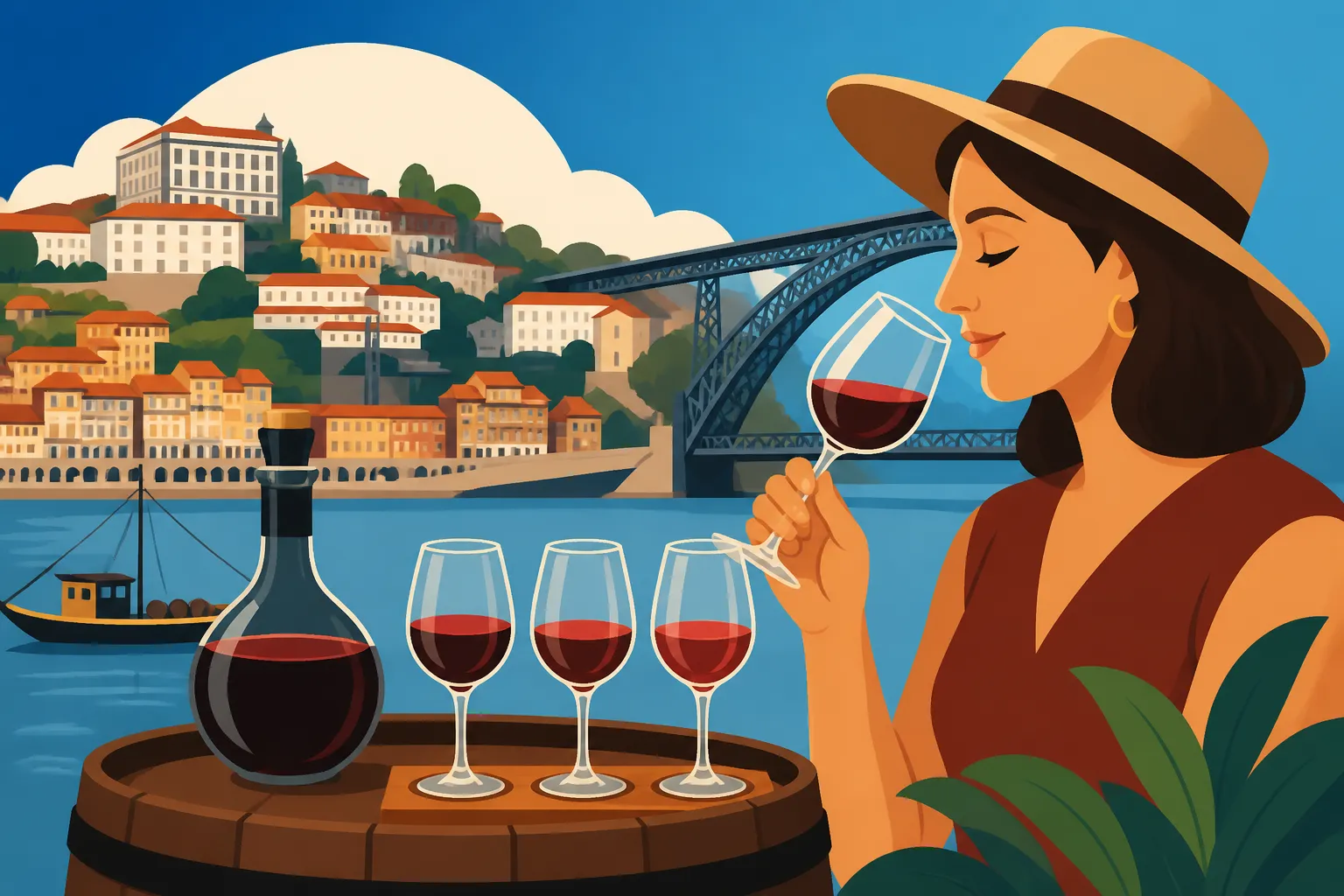
- The Tasting: This is the moment you've been waiting for! Most basic tours include a tasting of two or three different ports – typically a Ruby, a Tawny, and sometimes a White or LBV. Many places offer upgrade options for more premium tastings, featuring older Tawnys, Vintage Ports, or special reserves. Don't be shy about trying a few different options to find what you truly enjoy. The glasses usually aren't huge, but they're generous enough for a proper appreciation.
- Shopping: Almost every lodge has a shop where you can purchase bottles to take home. Don't feel pressured to buy, but if you loved something, this is often the best place to get it, sometimes with exclusive cellar-door prices or special bottlings.
A quick tip: If you plan on visiting several cellars, budget your time realistically. While the main strip is walkable, navigating between the higher-up lodges can take a bit longer. Also, consider that if you're doing multiple tastings, pacing yourself is key! It's an experience, not a race.
Beyond the Cellars: Other Port Tasting Experiences
While the traditional port lodges in Vila Nova de Gaia are definitely the classic experience, they aren't your only option for exploring the world of port wine. Sometimes, you want a more casual vibe, or perhaps a deeper dive into the origin itself. Porto and the surrounding region offer fantastic alternatives that cater to different preferences.
Wine Bars and Restaurants for Casual Tastings
For those days when you're not keen on a structured tour, or you simply want to enjoy a glass (or two!) in a relaxed setting, Porto's numerous wine bars and restaurants are an absolute godsend. The beauty here is that you're not tied to a specific tour schedule; you can wander in, peruse a menu, and sample at your own pace.
Areas like the Ribeira district, with its bustling riverside atmosphere, and the Baixa (downtown) area, with its elegant streets, are particularly rich with establishments offering excellent port selections. Many traditional Portuguese restaurants will have a good house port, but for a true tasting experience, seek out dedicated wine bars or restaurants that highlight their wine list.
The benefits of this approach are manifold:
- Flexibility: No need for advance bookings, though popular spots might get busy. You dictate the pace.
- Variety: Wine bars often stock ports from many different producers, allowing you to compare and contrast labels you might not find side-by-side in a single cellar tour. You can try a Fonseca Tawny 20-year-old next to a Grahams, for instance.
- Food Pairings: This is where restaurants truly shine. You can enjoy your port with a full meal, perhaps a traditional francesinha, or lighter fare like a tábua de queijos e enchidos (cheese and cured meats platter). Some places specialize in pairing suggestions, elevating the entire experience. It's a great way to explore Portuguese Coffee Culture and Restaurant Etiquette: Ordering Like a Local in a broader sense.
- Atmosphere: From cozy, dimly lit caves to chic, modern establishments, you can find an ambiance that suits your mood. Sometimes, a quiet corner in a historic building enjoying a glass of aged Tawny is just what the doctor ordered after a day of sightseeing.
Many restaurants near the Gaia side, like Vinum at Graham's Lodge, or even smaller, independent tascas in the city, will have impressive wine lists. Don't hesitate to ask your server for recommendations; they are often very knowledgeable about local wines and can guide you based on your preferences. And remember, when enjoying port at a restaurant, it's good practice to consider the Tipping culture in Portugal: Do you leave 10% or just round up the bill? to show your appreciation for good service.
Douro Valley Day Trips: The Ultimate Immersion
If you truly want to understand port wine, you have to go to its source: the Douro Valley. While tasting in Gaia is excellent for convenience, a trip to the Douro offers an unparalleled immersive experience, allowing you to see the dramatic vineyards, visit Quintas (wine estates) where the grapes are grown and initially processed, and witness firsthand the incredible landscape that shapes this unique wine.
A day trip to the Douro can be structured in several ways:
- Guided Tours: This is arguably the most stress-free option. Many companies offer full-day tours from Porto that include transportation, visits to one or two Quintas for tastings and often lunch, and usually a scenic river cruise on a traditional rabelo boat or a more modern vessel. These tours handle all the logistics, allowing you to relax and soak in the scenery (and the wine!). Platforms like GetYourGuide offer a wide selection of these tours, often with varying price points and inclusions. This is a fantastic option if you're not comfortable driving Portugal's winding roads.
- Self-Drive: If you're feeling adventurous and comfortable with driving in Portugal, renting a car gives you maximum flexibility. You can choose which Quintas to visit (many require advance booking for tours and tastings), stop at viewpoints (miradouros) at your leisure, and explore charming Douro towns like Pinhão or Régua. Just remember that the roads can be winding and hilly, and you'll need a designated driver! If you're navigating using your phone, consider getting one of the Best unlimited data eSIMs for digital nomads arriving in Portugal for seamless connectivity.
- Train: For a truly scenic journey, take the train from Porto's São Bento station (or Campanhã) up the Douro line to places like Pinhão or Pocinho. The train hugs the river, offering breathtaking views that are often impossible to see by car. Once you arrive, you can book local taxis or a walking tour to visit nearby Quintas, or simply enjoy the riverside towns. Websites like Omio can help you find and book train tickets efficiently.
What to expect in the Douro:
You'll visit Quintas nestled among the vineyards, learn about the grape varieties, the traditional foot-treading methods (lagares), and the initial stages of port production. Tastings here often feel more authentic, literally at the vineyard's door. Many Quintas also have small shops selling their wines and local products. A river cruise is a highlight for many, providing a different perspective of the terraced hills. Just be aware that if you visit during harvest season (late August to early October), it can be incredibly busy, and booking well in advance is essential. This is also a time when many locals go on holiday, contributing to The "August Shutdown": Why getting things done in summer is impossible phenomenon, so plan accordingly.
Tips for the Best Port Wine Tasting Experience
To truly make your port wine journey unforgettable, a little planning and an open mind go a long way. This isn't just about sampling wine; it's about soaking in the culture, history, and sensory delights of northern Portugal.
Enhancing Your Tasting Journey
You're in Porto, the heartland of port, so make the most of it! Here are a few tips to elevate your experience:
- Pace Yourself: This isn't a race to see how many different ports you can drink. Port wine is potent, with an alcohol content typically between 19-20%. Sip slowly, savor the aromas, and appreciate the lingering finish. If you're doing multiple tastings in a day, consider spitting out some of the wine (which is perfectly acceptable, especially for professional tasters) or alternating with water and snacks.
- Ask Questions: Don't be shy! The guides at the lodges are there to share their knowledge. Ask about the aging process, the specific grape varietals, the history of the house, or how different ports pair with food. This interaction can transform a simple tour into a truly educational experience. If you’re visiting a smaller, family-run quinta in the Douro Valley, the owners themselves might be your guides, and their personal stories are often incredibly charming and insightful.
- Consider Food Pairings: Port wine is incredibly versatile with food. While many associate it with dessert, drier white ports are excellent aperitifs, and many Tawnys pair beautifully with nuts, aged cheeses, or even foie gras. Ruby ports, with their berry notes, are divine with dark chocolate or red fruit desserts. Experiment with any cheese or chocolate options offered during your tasting. Even a simple packet of unsalted crackers can help cleanse your palate between pours.
- Don't Feel Pressured to Buy: You'll almost certainly end your tour in the gift shop, and while it's tempting to stock up, don't feel obligated. Taste, learn, and then decide if there's something you genuinely loved enough to take home. If you do buy, remember that most port houses can arrange shipping for larger orders, which can be much easier than trying to carry multiple heavy bottles in your luggage.
- Embrace the Language (or the lack thereof): While many tours are offered in English, a little effort can go a long way. Learning a few basic Portuguese phrases like "Olá" (hello), "Obrigado/a" (thank you), and "Saúde!" (cheers!) can enhance your interactions. Guides appreciate the effort, and it's part of the charm of exploring Daily Life in Portugal: Supermarkets, Language, and Cultural Etiquette. Don't worry if your Portuguese isn't perfect; most people in the tourism industry speak excellent English.
Planning Your Day and Budget
A little forethought can make your port tasting adventure run smoothly and keep your wallet happy.
- Group vs. Private Tours: Group tours are generally the most cost-effective option, offering a great experience for a reasonable price. Private tours, while more expensive, provide a personalized experience, allowing you to delve deeper into specific interests and tailor the tasting to your preferences. Consider your budget and how much individual attention you desire.
- Combination Tickets: Many tour operators, especially through platforms like GetYourGuide, offer combination tickets that include a port cellar tour, a river cruise, and sometimes even a Hop-on Hop-off bus ticket. These can offer significant savings compared to booking each activity separately.
- Transport Between Cellars: If you plan on visiting multiple lodges in Gaia, remember that they are spread out and some are uphill. Walking is great for views, but if time or mobility is a concern, consider using ride-sharing apps like Bolt or Uber. These are generally affordable and widely available in Porto, and can be a good alternative to public transport for short distances, helping you decide Using Bolt vs Uber in Portugal: Which ride-hailing app is cheaper?. The funicular in Gaia can also take you up the hill to some of the higher lodges, saving your legs.
- Budgeting: A basic port cellar tour and tasting typically costs between €15-€25 per person. More premium tastings, offering older or rarer ports, can range from €30-€60 or more. Douro Valley day trips, including transport, lunch, and multiple tastings, usually start around €80-€100 per person and go up from there for more luxurious options. Factor in any additional purchases, such as bottles of port to take home, or extra food pairings.
Remember that Porto is a city with a lot to offer, from its stunning architecture to its delicious food. Don't dedicate your entire trip solely to port wine, but weave it into your broader exploration of the city. A morning tasting, followed by a delicious lunch, then an afternoon wandering through the historic streets, sounds like a perfect day to me!
Disclaimer
The information provided in this guide is intended for general informational purposes only and is subject to change. While we strive to provide accurate and up-to-date information, prices, tour availability, and specific regulations can vary. We recommend checking with individual port lodges, tour operators, and transportation providers for the most current details before making any plans. Alcohol consumption should always be done responsibly and in moderation.