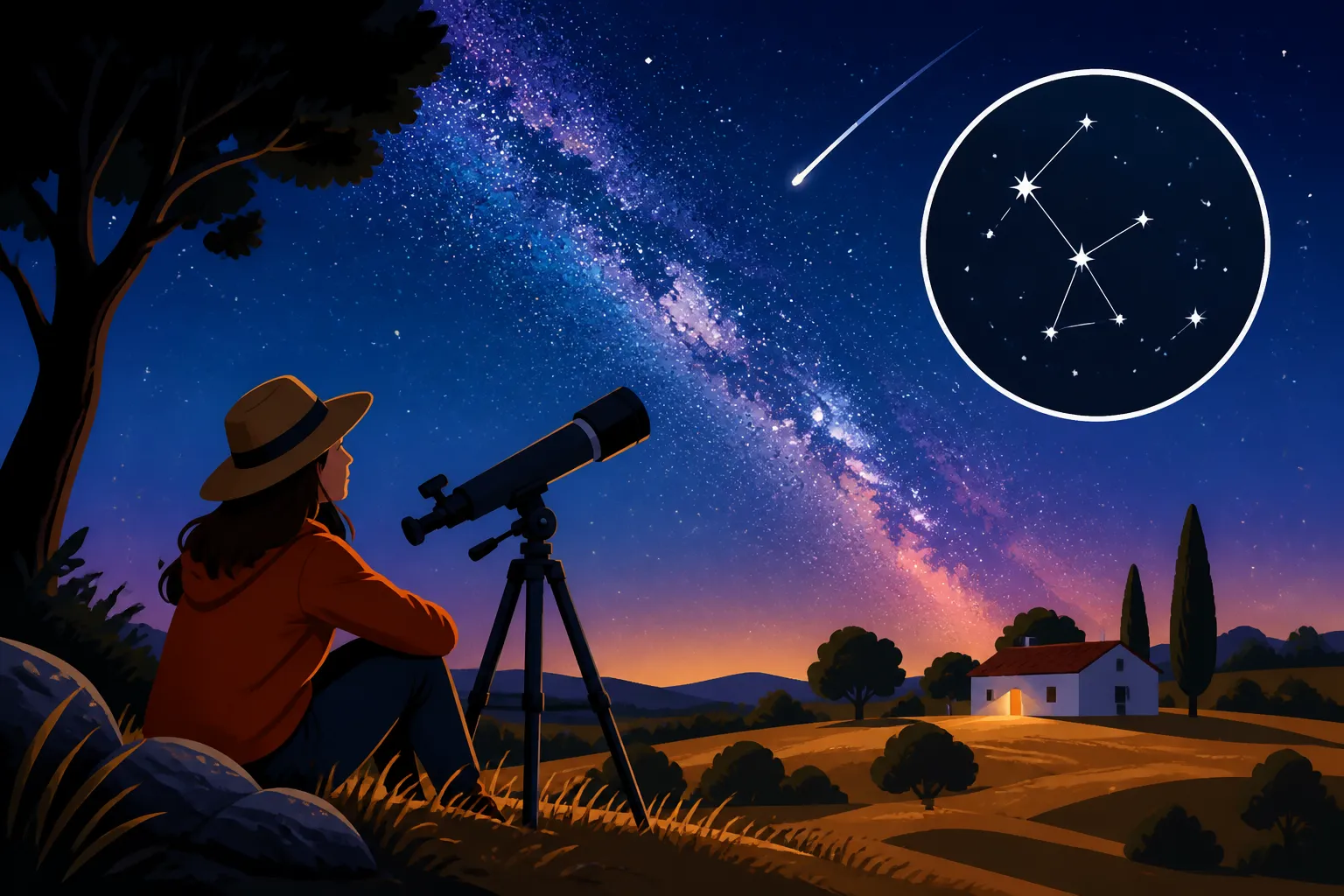
How to Stargaze in the Alentejo’s Dark Sky Reserve
Disclosure: This article contains affiliate links. If you buy through them, we may earn a commission at no extra cost to you. Read our full disclosure.
One of the most profound joys of living in Portugal is discovering its hidden gems, and sometimes, those gems are best appreciated when the sun goes down. If you've ever yearned to escape the relentless glow of city lights and truly connect with the cosmos, you know the frustration of finding a genuinely dark sky. This guide will walk you through everything you need to know to experience awe-inspiring stargazing in Portugal's Alentejo Dark Sky Reserve, making your celestial dreams a reality.
Discovering the Alqueva Dark Sky Reserve: Europe's First Starlight Tourist Destination
Imagine a place where the Milky Way isn't just a faint smudge but a brilliant river of stars stretching across the horizon, where shooting stars are a regular occurrence, and even faint nebulae hint at their vibrant colors through binoculars. This isn't a fantasy; it's the Alentejo Dark Sky Reserve, specifically centered around the vast Alqueva reservoir. This region proudly holds the title of the world's first certified Starlight Tourism Destination by the Starlight Foundation, supported by UNESCO, and it's a testament to the local commitment to preserving the natural night sky.
The reserve encompasses several municipalities around the Alqueva Lake, including Reguengos de Monsaraz, Portel, Évora, Mourão, Barrancos, and Alandroal. The whole idea behind its creation was to protect this incredibly dark sky from encroaching light pollution, which, let's be honest, is a growing problem everywhere. For those of us who grew up under city lights, experiencing a truly dark sky can be a profoundly emotional and almost spiritual encounter. It reminds you just how small we are in the grand scheme of things, in the best possible way. The commitment here isn't just about turning off a few streetlights; it's a comprehensive strategy involving local authorities, businesses, and residents working together to ensure minimal impact on the celestial canvas above. They've even got specific regulations for outdoor lighting, which is a big deal when you think about it.
Why the Alentejo Offers Unparalleled Stargazing Conditions
So, what makes the Alentejo Dark Sky Reserve so exceptionally good for stargazing? It's a perfect storm of geographical and atmospheric advantages, really. First and foremost, the Alentejo is one of the least densely populated regions in Western Europe. This means fewer people, fewer towns, and crucially, much less light pollution. You can literally drive for miles through rolling plains and cork oak forests without seeing any significant artificial light source.
Beyond the low population density, the climate plays a massive role. Portugal, especially the southern regions like Alentejo, boasts a high number of clear nights throughout the year. The dry, stable air over the region minimizes atmospheric turbulence, which can make stars appear to "twinkle" more but also blurs their image through a telescope. Here, the air often remains calm and clear, providing excellent "seeing" conditions for astronomy. Imagine looking at Jupiter and being able to clearly distinguish its major moons and cloud bands without them shimmering excessively – that's the kind of clarity we're talking about. The expansive, flat terrain around the Alqueva Lake also provides wide, unobstructed horizons, allowing you to observe celestial objects from rise to set, without hills or buildings getting in the way. It’s not just about seeing more stars; it’s about experiencing the entire dome of the night sky in all its glory.
Planning Your Astronomical Adventure to Alqueva
Embarking on a stargazing trip to the Alentejo Dark Sky Reserve requires a bit of planning, but trust me, it’s worth every minute of preparation. The good news is that Portugal is generally a safe and welcoming country, making the logistics relatively straightforward once you know the ropes.
Best Times to Visit for Optimal Night Sky Viewing
Timing is everything when it comes to stargazing. While the Alqueva Dark Sky Reserve offers fantastic conditions year-round, some periods are undeniably better than others.
- Lunar Cycle is Key: The most crucial factor is the moon. A full moon, while beautiful in itself, acts like a giant celestial spotlight, washing out fainter stars and deep-sky objects. For serious stargazing, aim for the period around the new moon. This is when the sky is darkest, and the Milky Way truly pops. You can easily find lunar calendars online to plan your trip accordingly.
- Seasons and Weather:
- Summer (June-August): These months offer the warmest and often driest weather, meaning fewer clouds and more comfortable overnight temperatures. This is prime time for viewing the galactic center of the Milky Way, which is highest in the sky. However, summer also means more tourists and potentially slightly hazy conditions due to heat, though still vastly superior to most other places. If you plan to travel by train or bus to a nearby city like Évora, you might use services like Omio to check schedules and book tickets.
- Autumn (September-November): Many seasoned astrophotographers swear by autumn. The air starts to cool and crisp up, often leading to incredibly stable and transparent skies. The Milky Way is still prominent earlier in the night, and you start to see constellations like Andromeda become more visible. Plus, it's generally less crowded than summer.
- Winter (December-February): While colder, winter nights often bring the absolute clearest and most transparent skies. If you can brave the chill, bundling up warmly, you'll be rewarded with breathtaking views of constellations like Orion and the Pleiades. There's also less atmospheric haze.
- Spring (March-May): Spring offers a transition, with improving weather and longer daylight hours. It can be a bit hit-or-miss with clouds, but when it's clear, the views are excellent.
Ultimately, aiming for a new moon phase between September and November will often yield the best results for a truly dark sky experience.
| Month Range | Typical Sky Conditions | Visible Highlights | Considerations |
|---|---|---|---|
| June – August | Warm, dry, low cloud | Galactic Center of Milky Way, Perseids (Aug) | Hottest, most tourists, potential heat haze |
| September – November | Cool, crisp, very clear | Milky Way (early night), Andromeda Galaxy | Often considered prime astrophotography season |
| December – February | Coldest, often clearest air | Orion, Pleiades, winter constellations | Requires warm clothing, earlier sunset |
| March – May | Improving, variable cloud | Leo, Virgo, planetary alignments (variable) | Can be rainy or cloudy, but good clear nights |
Essential Equipment and What to Bring
Don't worry, you don't need to be an astrophysics major with thousands of euros worth of equipment to enjoy the Alentejo night sky. However, a few items will significantly enhance your experience.
- Red-Light Torch: This is non-negotiable. White light absolutely destroys your night vision, which takes about 20-30 minutes to fully adapt. A red-light torch allows you to see what you're doing without ruining your (or others') adaptation. You can buy these or simply put red cellophane over a regular flashlight.
- Binoculars: Even a decent pair of 7×50 or 10×50 binoculars will open up a whole new universe. You'll resolve countless more stars than with the naked eye, see faint nebulae, and even observe the moons of Jupiter. They're portable and easy to use.
- Telescope (Optional): If you have one, bring it! If not, don't rush out to buy one. Many observatories in the reserve offer public viewing sessions with powerful telescopes. If you're really keen to try one out, some local tour operators or accommodations might offer telescope rentals or guided sessions.
- Star Chart App: Download a reliable stargazing app (like SkyView Lite, Stellarium, or Star Walk 2) to your phone. Just remember to put your phone on "night mode" or use a red filter to protect your night vision. These apps use your phone's gyroscope to show you exactly what you're looking at in the sky.
- Warm Layers: Even on a warm summer day, temperatures can drop significantly overnight in the Alentejo, especially in open fields. Layering is key – think a warm jacket, hat, gloves, and maybe even a blanket to sit on.
- Comfortable Chair/Blanket: You'll be spending a lot of time looking up, so bring something comfortable to sit or lie on. A recliner camping chair is ideal.
- Snacks and Drinks: A thermos of hot tea or coffee can be a lifesaver on colder nights.
- Insect Repellent: Depending on the season and location, mosquitoes and other insects can be a nuisance.
- Camera Gear (for astrophotography): If you're into photography, bring your DSLR or mirrorless camera, a wide-angle lens (f/2.8 or wider), a sturdy tripod, and a remote shutter release.
Remember that driving in Portugal, especially at night on rural roads, requires attention. If you're considering exchanging your foreign driver's license for a Portuguese one, you can find information on that process.
Immersive Experiences: Observatories and Guided Tours
One of the best ways to truly appreciate the Alqueva Dark Sky Reserve is to tap into the expertise of local astronomers and guides. They can point out constellations, explain celestial phenomena, and often have powerful telescopes for public viewing.
Public Observatories and Starlight Hotels
The Alqueva region isn't just dark; it's equipped for serious astrotourism. Several facilities cater specifically to stargazers:
- Dark Sky Alqueva Observatory (Centro de Ciência Viva de Estremoz – Oservatório do Lago Alqueva): Located near Monsaraz, this is the flagship observatory and a must-visit. They offer guided tours, telescope viewing sessions (often in multiple languages), and educational programs. It's a fantastic place for beginners and seasoned astronomers alike. You'll get to use professional-grade telescopes and have experienced guides explain what you're seeing, which is invaluable. Booking in advance is highly recommended, especially during peak seasons. You can often find these experiences listed on platforms like GetYourGuide, which allows you to secure your spot beforehand.
- Starlight Hotels and Rural Tourism: Many accommodations in the region have embraced astrotourism. These "Starlight Hotels" often offer their own telescopes, designated viewing areas, and sometimes even resident astronomers or partnerships with local guides. Staying at one of these places means you can literally step out of your door and be under some of the darkest skies imaginable. When looking for places to stay, consider using Booking.com and filter for properties in towns like Monsaraz, Campinho, or Cumeada. These properties often understand the needs of stargazers, offering late check-ins or other amenities that align with a nocturnal schedule. Some even have workshops or provide blankets for outdoor viewing.
Guided Stargazing Tours and Workshops
While you can certainly head out on your own with binoculars and an app, a guided tour takes the experience to another level. Local guides often have an incredible depth of knowledge, not just about astronomy but also about the local folklore and history intertwined with the stars.
- Astronomical Observations with Guides: These tours typically start after sunset. Guides will set up telescopes, point out constellations with laser pointers, and share fascinating facts about planets, galaxies, and nebulae. They can answer all your questions, from "What's that bright star?" to "How do black holes work?" Many of these tours can be found and booked through activity platforms, ensuring you get a legitimate and well-organized experience.
- Astrophotography Workshops: If you're eager to capture the stunning beauty of the night sky, look for astrophotography workshops. These usually involve practical sessions under the dark skies, teaching you how to use your camera settings, compose shots of the Milky Way, and even process your images. This is a brilliant way to combine your love for photography with the wonder of the cosmos.
- Cultural and Wine & Star Experiences: The Alentejo is also renowned for its wine. Some experiences combine the best of both worlds: a delightful dinner paired with local wines, followed by a guided stargazing session. Imagine sipping a glass of Alentejo red under a blanket of stars – pure magic! For those staying in the region, knowing about Portuguese Coffee Culture and Restaurant Etiquette: Ordering Like a Local can enrich your daytime culinary experiences as well.
Making the Most of Your Stargazing Trip
Your journey into the Alentejo Dark Sky Reserve is more than just looking through a telescope; it's about embracing the tranquility of rural Portugal and connecting with nature in a profound way.
Accommodation and Local Amenities
When choosing where to stay, prioritize locations that are either directly within the reserve or very close to it. The towns of Reguengos de Monsaraz, Campinho, Mourão, and Alandroal are excellent bases.
- Rural Guesthouses (Turismo Rural / Montes): The Alentejo is famous for its charming montes – traditional farmhouses converted into guesthouses. Many of these are tucked away in the countryside, offering incredible privacy and direct access to dark skies. They often come with swimming pools, delicious homemade breakfasts, and hosts who treat you like family. Booking a stay through a platform like Booking.com allows you to read reviews and find exactly what suits your needs.
- Hotels: Larger towns like Reguengos de Monsaraz offer more traditional hotel options, some of which are now specifically catering to stargazers with viewing platforms or telescopes.
- Camping: For the truly adventurous, camping under the stars is an option, but ensure you are in a designated area or have permission from landowners. Wild camping is generally not permitted.
During your stay, you'll want to explore the local area. Towns like Monsaraz, with its medieval castle and stunning views over Alqueva Lake, are worth visiting during the day. Don't forget to sample the local cuisine and wines! For those looking to budget their trip effectively, understanding the general Cost of Living in Portugal 2026: Detailed Budgets for Singles and Families can be helpful, even for a short visit. You might also want to stock up on supplies, and knowing about Grocery Shopping in Portugal: Continente, Pingo Doce, Auchan, and Mercados will definitely come in handy.
Practical Tips for a Smooth Experience
To ensure your stargazing adventure is as magical as possible, keep these practical tips in mind:
- Charge Your Devices: Make sure your phone, camera, and any other electronic devices are fully charged. There might not be easily accessible charging points in remote viewing areas. While most accommodations will have electricity, you don't want to run out of juice mid-observation. If you are staying longer in the country, you will want to get familiar with Setting Up Utilities in Portugal: Electricity, Gas, Water, and Internet.
- Respect the Darkness: When you arrive at a viewing spot, try to use your red-light torch minimally and avoid shining it directly at others. Park your car facing away from the viewing area if possible, and turn off your headlights and interior lights. Every bit of light counts!
- Drive Carefully: Rural roads in the Alentejo can be narrow, winding, and poorly lit. Watch out for wildlife, especially at night. If you’re driving, be mindful of speed limits and remember that many smaller roads aren't frequently maintained. Learning about Navigating the Portuguese Toll System: Via Verde and Electronic Tolls can also make your drive smoother.
- Stay Hydrated and Fed: Bring water and snacks, especially if you plan to stay out for several hours.
- Inform Someone of Your Plans: If you're heading to a very remote spot, let your accommodation host or a friend know your plans and expected return time, just for safety.
- Check Weather Forecasts: While the Alentejo generally has clear skies, always check the weather forecast for cloud cover. A clear day can sometimes give way to unexpected cloudiness at night.
- Learn Basic Portuguese Phrases: While many people in the tourism industry speak English, knowing a few basic phrases in Portuguese can go a long way in rural areas. It shows respect and can help you navigate local interactions more smoothly. If you plan to stay long-term, perhaps consider Learning Portuguese for Career Growth: Certificates and Business Language.
- Embrace the Silence: One of the most striking things about a truly dark sky environment is the silence. Away from city noise, you can hear the rustling of leaves, distant animal calls, and the pure quiet of the night. It's part of the whole experience.
- Know Emergency Contacts: Always have the local emergency number (112) handy, just in case. It's a good idea to know about Emergency Medical Care in Portugal: Calling 112 and Going to the Hospital before you travel anywhere remote. For non-residents or new arrivals, understanding the broader Portugal Visa and Immigration Guide for Expats: The Complete 2027 Overview is essential for any travel within the country.
Stargazing in the Alentejo Dark Sky Reserve is an unforgettable experience, a true jewel in Portugal's crown. It's a chance to disconnect from the digital world and reconnect with the vast, incredible universe above us. Whether you're a seasoned astronomer or just curious about the night sky, this region offers a spectacle that will leave you awestruck.
Disclaimer
The information provided in this guide is for general informational purposes only and does not constitute professional advice. While we strive to keep the information up-to-date and correct, we make no representations or warranties of any kind, express or implied, about the completeness, accuracy, reliability, suitability, or availability with respect to the website or the information, products, services, or related graphics contained on the website for any purpose. Any reliance you place on such information is therefore strictly at your own risk.