Real cost of living in Lisbon 2026: Rent, groceries, and eating out breakdown
Disclosure: This article contains affiliate links. If you buy through them, we may earn a commission at no extra cost to you. Read our full disclosure.
Searching for a T1 apartment in Lisbon lately feels like competing in an Olympic sport where the prize is a 40-square-meter room with no heating for half your salary. I remember the shock of seeing my first Lisbon rental contract, realizing that the 'sunny' reputation didn't apply to the damp walls in January. This guide solves your budgeting anxiety by providing a realistic, no-nonsense breakdown of Lisbon’s 2026 costs.
The Housing Crisis and Rental Reality
If you are looking at Lisbon as your next home, the first thing we need to discuss—honestly and perhaps a bit painfully—is the rent. Gone are the days when you could find a charming studio in Alfama for €600. In 2026, the market has shifted significantly due to high demand and limited supply. When you start your search, you will likely find yourself scrolling through platforms like Renting an Apartment in Portugal: Contracts, Fees, and Tenant Rights wondering if the prices are a typo. They aren't.
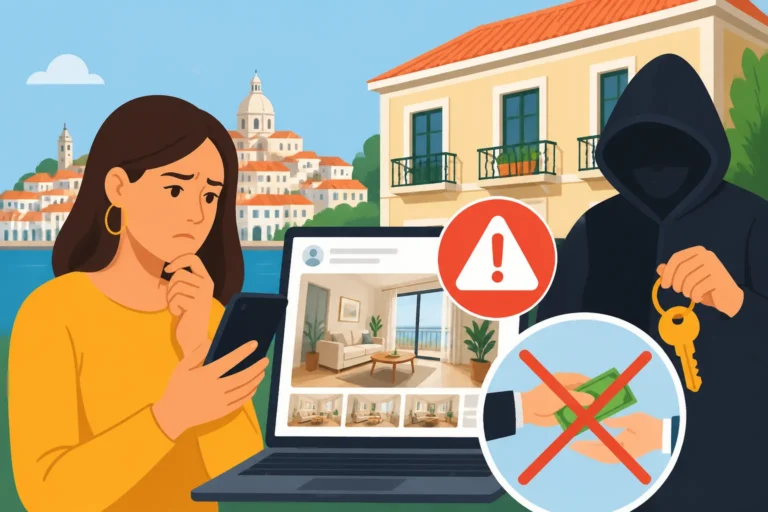
For many expats, the safest way to transition into the city without getting scammed is to use a trusted platform like Uniplaces for mid-term stays. This allows you to get your feet on the ground, view neighborhoods in person, and avoid the heartbreak of paying a massive deposit on a place that turns out to have a construction site next door. Newcomers are often advised: do not sign a long-term lease until you have walked the streets of your potential neighborhood at 11 PM on a Friday and 8 AM on a Monday.
Monthly Rent Expectations in 2026
To give you a baseline, a one-bedroom apartment (T1) in popular central areas like Arroios, Estrela, or Príncipe Real will now set you back between €1,200 and €1,600. If you are willing to look slightly further out, perhaps in areas like Benfica or across the river in Almada, you might find prices closer to €900 or €1,000. However, you must factor in the commute time and cost. When deciding Where to Live in Portugal: Lisbon, Porto, Algarve, and Silver Coast Compared, keep in mind that Lisbon carries a heavy "capital city premium" that other regions simply don't have.
Landlords in 2026 are increasingly asking for more than just the standard one month's rent and one month's security deposit. Because you are a foreigner, it is very common for them to request three to six months of rent in advance if you do not have a local "Fiador" (guarantor). This is a massive upfront cost that catches many people off guard. Ensure you have a significant "relocation fund" specifically for this initial administrative hurdle. It’s frustrating, and it feels unfair, but it is currently the standard operating procedure in the Lisbon rental market.
Utilities and the Hidden Winter Costs
One of the biggest mistakes expats make is assuming their utility bill will be low because "it’s a warm country." This is a myth that your first winter will quickly dispel. Most Portuguese apartments are not built with central heating or proper insulation. Consequently, you will spend a lot on electricity to keep a space heater running. When Setting Up Utilities in Portugal: Electricity, Gas, Water, and Internet, you should budget roughly €120 to €180 per month for a couple. This includes electricity, water, and gas.
Water is relatively affordable, usually around €20-€30, but electricity is where the real costs lie. You should learn How to read an EDP electricity bill: Taxes, bi-hourly tariffs, and peak hours as soon as possible. Many residents switch to a bi-hourly tariff to save money by running the washing machine at night. If you don't pay attention to these small details, your monthly bill can easily spike over €200 during the damp, cold months of January and February.
The Daily Grind: Groceries and Household Goods
Shopping for food in Lisbon is a double-edged sword. On one hand, the fresh produce at local markets is world-class and incredibly affordable. On the other hand, processed goods, toiletries, and international brands can be surprisingly expensive compared to Northern Europe or North America. I’ve spent many Saturday mornings at the Mercado da Ribeira or local neighborhood fruit stands, and I can tell you that buying seasonal produce will save you a fortune.
For your general weekly shop, you will likely frequent Grocery Shopping in Portugal: Continente, Pingo Doce, Auchan, and Mercados. In 2026, a single person can expect to spend about €250 to €300 per month on groceries if they cook mostly at home. A couple should budget closer to €500. Meat and fish prices have risen, but if you stick to the local catches like carapau or sardinhas, you can still eat very well on a budget.
Supermarket Price Breakdowns
To help you visualize your weekly budget, here is a breakdown of what you might pay for common items at a mid-range supermarket like Continente or Pingo Doce in 2026:
| Item | Estimated Price (2026) |
|---|---|
| Milk (1 Liter) | €0.95 – €1.15 |
| Eggs (Dozen) | €2.80 – €3.50 |
| Chicken Breast (1kg) | €7.50 – €9.00 |
| Rice (1kg) | €1.30 – €1.60 |
| Local Beer (0.33L bottle) | €1.10 – €1.40 |
| Loaf of Fresh Bread | €1.20 – €2.00 |
| Coffee (250g ground) | €3.50 – €5.00 |
| Bottle of Mid-range Wine | €4.00 – €7.00 |
Notice the price of wine? That remains one of the greatest perks of living here. You can get a truly excellent bottle of Douro or Alentejo red for under €6. However, things like olive oil have seen sharp price increases recently, so keep an eye out for sales, which the major supermarkets run almost constantly. Always get the store loyalty card; the discounts are significant and often apply to your next purchase.
Furnishing and Tech Logistics
When you first move in, you’ll realize your "furnished" apartment might be missing some essentials—or perhaps you want to replace that lumpy mattress the landlord provided. For household electronics, specialized kitchen gadgets, or even quality bed linens, Amazon Spain is your best friend. They offer fast, reliable shipping to Lisbon, often arriving within 24 to 48 hours. This is frequently cheaper and more convenient than trying to navigate the local Fnac or Worten, especially for tech products.
One essential purchase you cannot ignore is a high-quality dehumidifier. Lisbon is incredibly humid in the winter, and without one, your clothes and walls will eventually fall victim to mold. Check the Best dehumidifiers to buy in Portugal to prevent winter wall mold to understand which specifications you need for the size of your apartment. Expect to spend between €150 and €300 on a good unit. It is an investment that will save you thousands in potential damage and health issues.
Lifestyle, Dining, and Navigating the City
The best part of living in Lisbon is the lifestyle. The city is designed for being outdoors, sitting at kiosks (quiosques), and enjoying the light. Fortunately, this is one area where you can still find great value if you know where to look. While a fancy dinner in Chiado will cost you as much as it would in London or Paris, the local "Tascas" still offer the "Prato do Dia" (plate of the day) for a very reasonable price.
Budgeting for a social life in 2026 requires balance. If you eat out twice a week and grab coffee daily, you should set aside at least €300 per month. A simple espresso at a neighborhood cafe is still around €0.80 to €1.00, but as soon as you step into a specialty coffee shop, you are looking at €3.50 for a flat white. Understanding the Portuguese Coffee Culture and Restaurant Etiquette: Ordering Like a Local will not only help you save money but also earn you the respect of the staff at your neighborhood spot.
The Cost of Eating Out and Socializing
When you go out for dinner, the bill can vary wildly. A meal at a traditional family-run restaurant with wine and dessert will likely cost you around €15 to €20 per person. If you move toward the more modern, "concept" restaurants or rooftop bars, expect that price to double. Tipping is another area where expats often overspend. While it’s becoming more common in tourist areas, you should read up on Tipping culture in Portugal: Do you leave 10% or just round up the bill? to avoid the awkwardness of over-tipping or under-tipping.
For entertainment, a cinema ticket is about €8, and a ticket to a Fado show or a local concert can range from €15 to €50. Many of the city's museums are free on certain Sundays of the month for residents, so make sure you have your residency card ready to take advantage of those perks. Lisbon is a city of hills, and while walking is free, your knees might eventually demand a different solution.
Connectivity and Getting Around
Lisbon’s public transport system is comprehensive, though it can feel a bit crowded during peak hours. If you live and work in the city, the Navegante Pass Lisbon: How to get the €40 monthly unlimited transit card is an absolute necessity. For €40 a month, you get unlimited access to the Metro, buses (Carris), trams, and even the trains to Cascais and Sintra. This is arguably the best value-for-money item in your entire Lisbon budget.
When you first arrive, you might not have your permanent residency sorted yet, which can make getting a local SIM card contract difficult. I highly recommend using Airalo to get a temporary eSIM. This gives you immediate data the moment you land at Portela Airport, allowing you to call an Uber or check Google Maps without hunting for a physical store. Once you are settled, you can look into local plans from MEO or Vodafone, but for those first few weeks, the convenience of an eSIM is worth every cent.
When you need to get home late at night, you'll likely use a ride-sharing app. It’s worth checking Using Bolt vs Uber in Portugal: Which ride-hailing app is cheaper? because the prices can fluctuate significantly depending on the time of day. Generally, Bolt is slightly cheaper in Lisbon, but Uber often has more available drivers in the early hours of the morning. Budget around €50 a month for these occasional late-night trips if you enjoy the city's nightlife.
A Sample 2026 Monthly Budget for a Single Expat
To put all of this into perspective, let's look at a realistic monthly budget for a single person living in a mid-range Lisbon neighborhood in 2026. This assumes you are not living a "luxury" lifestyle but are also not struggling to make ends meet. It’s the "comfortable expat" tier.
| Expense Category | Monthly Estimated Cost |
|---|---|
| Rent (T1 Apartment) | €1,300 |
| Utilities (Elec, Water, Gas) | €140 |
| Internet & Mobile Phone | €60 |
| Groceries & Household Goods | €300 |
| Transport (Navegante Pass + occasional Uber) | €90 |
| Dining Out & Socializing | €350 |
| Health Insurance (Private) | €50 |
| Total Monthly Budget | €2,290 |
This total is a far cry from the "€1,000 per month paradise" that was marketed five or ten years ago. When reviewing the Cost of Living in Portugal 2026: Detailed Budgets for Singles and Families, you must be honest about your own spending habits. If you have a remote job paying in USD or GBP, this is very manageable. However, if you are planning to work for a local Portuguese company, where the average salary is significantly lower, you will likely need to consider house-sharing or living much further from the city center to keep your housing costs under 30% of your income.
Living in Lisbon is a dream for many, and despite the rising costs, the quality of life remains high. You are paying for the safety, the 300 days of sunshine, the proximity to the beach, and the vibrant cultural scene. The key to surviving and thriving here is to move past the "tourist" phase as quickly as possible. Learn where the locals shop, how to use the tax system to your advantage, and which neighborhoods offer the best value without sacrificing the Lisbon charm you moved here for in the first place.
Disclaimer
The information provided in this guide is based on current market trends and personal experience as of 2026. Prices and regulations in Portugal can change rapidly. This content is for informational purposes only and does not constitute financial, legal, or professional advice. Always verify current prices and legal requirements with official sources or certified professionals before making significant financial commitments.