Making Friends and Networking in Portugal: Expat Groups and Meetups
Disclosure: This article contains affiliate links. If you buy through them, we may earn a commission at no extra cost to you. Read our full disclosure.
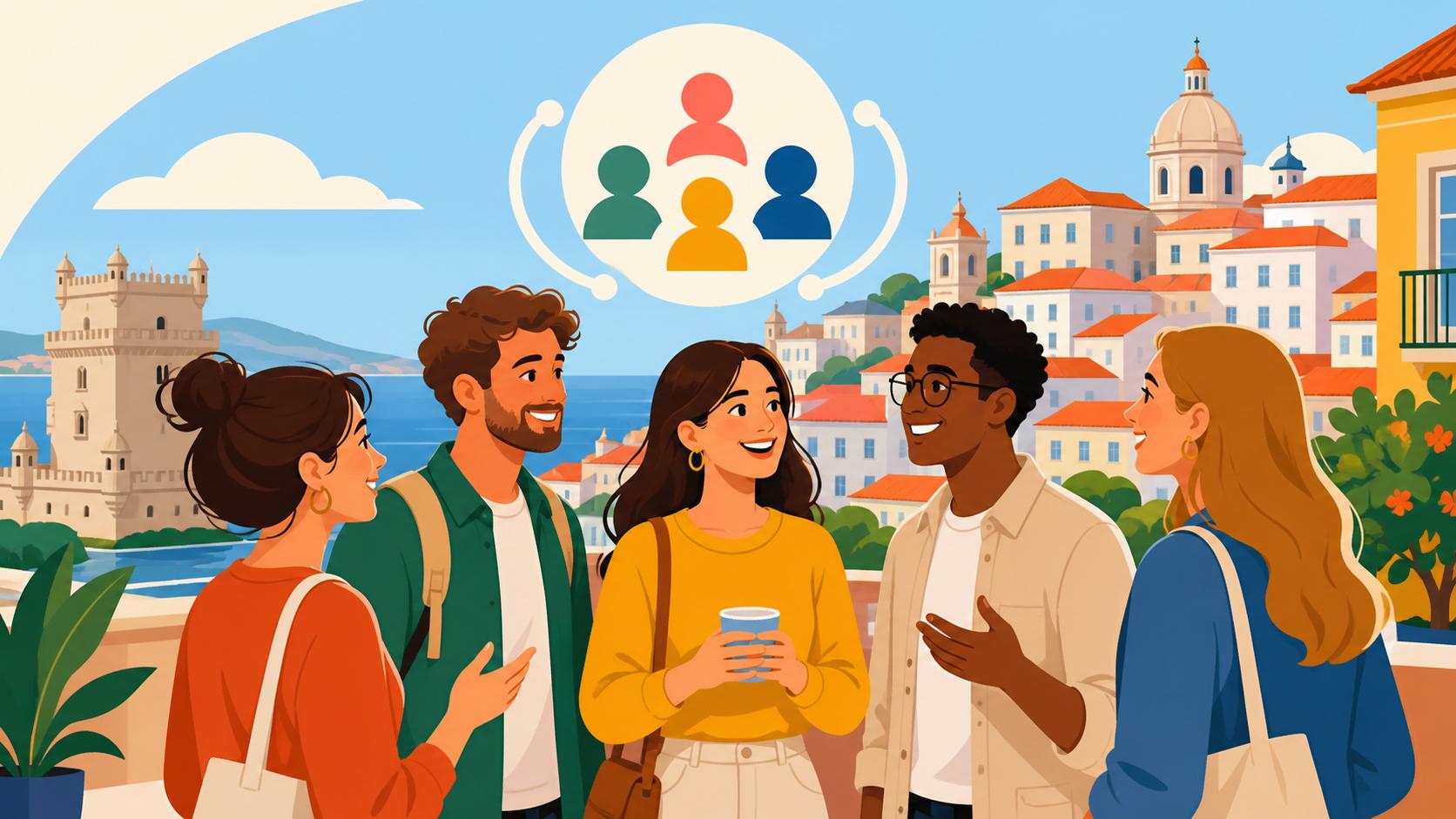
Moving to a new country often comes with a honeymoon phase of pastel de natas and sunset viewpoints, but the "expat wall" is real. I remember sitting in a quiet tasca in Alfama during my third week here, realizing I hadn't had a real conversation with anyone besides the waiter. This guide breaks down exactly how to navigate the social landscape of Portugal to find your community and build lasting connections.
Leveraging Digital Platforms and Social Media
The digital landscape is usually the first port of call for anyone landing in Lisbon, Porto, or the Algarve. While it might feel transactional at first, these platforms are the scaffolding that holds the international community together. You aren't just looking for "friends"; you are looking for people who understand the specific headache of getting a residency appointment or finding a plumber who actually shows up on a Tuesday.
Facebook Groups: The Expat Bread and Butter
Facebook remains the dominant force for expat life in Portugal. Groups like "Lisbon Expats," "Porto Expats," and "Expats in Central Portugal" are more than just forums; they are real-time lifelines. When you first arrive, joining these groups allows you to see the "social temperature" of your city. You will find sub-groups for everything from vegan potlucks in Arroios to mountain biking in Sintra. I found my first solid group of friends through a "Newbies in Lisbon" coffee morning posted in one of these groups. It felt awkward at first, but everyone in that room was in the same boat—vulnerable, slightly confused by the bureaucracy, and eager to talk.
The key to using Facebook groups effectively is to move from the screen to the street as quickly as possible. Don't just lurk or ask questions that have been answered a thousand times. Instead, look for event "sticky notes" or recurring weekly meetups. There is a "Ladies Drinks" night in almost every major Portuguese city that has been running for years. If you are still in the planning stages of your move, checking the Living in Portugal Guide 2027: The Complete Relocation Manual for Expats can help you identify which regions have the most active digital communities before you even pack your bags.
Meetup.com and Local Interest Hubs
If Facebook is for general advice and broad social strokes, Meetup.com is where you find your "tribe." In Portugal, the Meetup scene is incredibly robust, particularly in the tech and digital nomad sectors. You will find "Language Exchange" events where locals want to practice English or German, and you can stumble through your first sentences of Portuguese in return. These exchanges are low-pressure and usually happen in casual bars or cafes.
For those in the north, checking the Porto Neighborhood Guide: Where to Live for Culture, Tech, and Family can give you a sense of where these meetups are likely to happen, such as the trendy bars in Cedofeita. If you are a remote worker, you will find "Co-working Wednesdays" or "Digital Nomad Coffee Breaks" that rotate through different venues. It is a fantastic way to network without the stiff atmosphere of a corporate mixer.
Professional Networking and Coworking Culture
Portugal has transformed into a massive hub for remote work and startups over the last decade. Networking here isn't just about exchanging business cards; it’s about "the hang." The professional and social lives of expats in Portugal are deeply intertwined, largely because so many of us moved here seeking a better work-life balance.
Coworking Spaces as Social Anchors
Coworking spaces like Second Home in Lisbon or Selina in Porto aren’t just offices; they are the village squares of the 21st-century expat. When you rent a desk, you aren't just paying for high-speed internet; you are paying for an immediate social circle. Most of these spaces host weekly "community lunches" or Friday evening beers. If you are living in a temporary rental found through Uniplaces, finding a nearby coworking space should be your next priority to avoid the isolation of working from your kitchen table.
The beauty of these spaces is the diversity of people you meet. You might be sitting next to a Swedish app developer, an American novelist, and a French marketing consultant. This is where the real "intel" on Portuguese life is shared—from which bank has the best app to how to navigate the Digital Nomad communities: Madeira's Nomad Village vs Lisbon hubs effectively. These spaces act as a buffer against the loneliness that often hits during the first six months of relocation.
Industry-Specific Networking Events in Lisbon and Porto
Beyond general coworking, Portugal hosts massive international events like Web Summit, which turns Lisbon into a giant networking playground every November. However, the smaller, niche events are often better for making real friends. Look for "Product Tank," "Creative Mornings," or "Lean Startup" meetups. These attract a mix of international talent and ambitious locals, which is crucial for long-term integration.
In Porto, the networking scene is often more intimate and focused on design and traditional industries. Many expats find success joining local chambers of commerce or business associations. Networking in Portugal often involves long lunches that can stretch for two or three hours. It is considered rude to jump straight into business talk; instead, you talk about the food, the weather, and your family. If you can't handle a slow lunch, you’ll struggle to network with the Portuguese.
Integrating into the Local Portuguese Community
One of the biggest mistakes expats make is staying entirely within the "expat bubble." While it is comfortable to speak your native language and share common frustrations, you are missing out on the true heart of the country. Integrating with the Portuguese requires patience and a shift in social expectations.
The Importance of the "Café" Culture
The local "pasteleria" or "café" is the center of Portuguese social life. It isn't like a Starbucks where people sit with laptops in silence. It is a place for "vizinhança" (neighborhood) connection. To start making local friends, you need to become a "regular." Pick a spot near your house and go there every single morning. Greet the staff with a "Bom dia" and eventually, you will start recognizing the other regulars.
The Portuguese are generally private people who prioritize family, but they are incredibly warm once the ice is broken. Don't expect to be invited to someone’s home for dinner in the first week. It takes time. A great way to learn the nuances of these interactions is by studying Portuguese Coffee Culture and Restaurant Etiquette: Ordering Like a Local. Once you know the difference between a "galão" and a "meia de leite," and you stop trying to rush the bill, you'll find the locals much more willing to engage in a "conversa" (chat).
Learning the Language to Open Doors
I cannot stress this enough: your social life in Portugal will hit a ceiling if you don't speak the language. While many people in big cities speak English, the "real" Portugal happens in Portuguese. Even a basic attempt at the language shows a level of respect that the Portuguese deeply appreciate. When you can joke with the lady at the fruit market or understand the banter at the local football club, your experience changes entirely.
There are many ways to learn, from formal institutes like the Alliance Française (which often teaches Portuguese) to community-led classes. Many expats find success with the Learning European Portuguese: Top Apps, Tutors, and Free Government Classes programs. Beyond the grammar, language classes are a fantastic way to meet other foreigners who are also committed to staying long-term. You’ll suffer through the irregular verbs together, and that shared struggle often leads to "pós-aula" (after-class) drinks and genuine friendships.
| Platform/Method | Best For | Social Effort Level | Integration Potential |
|---|---|---|---|
| Facebook Groups | Immediate advice and general meetups | Low | Low to Medium |
| Meetup.com | Hobby-specific groups (Tech, Hiking, Photography) | Medium | Medium |
| Coworking Spaces | Professional networking and daily routine | Medium | High (with other expats) |
| Local Cafes | Neighborhood connection and local banter | High (requires consistency) | Very High |
| Sports Clubs | Physical activity and team bonding | High | High |
| Volunteering | Finding shared values and community service | Medium | Very High |
Activity-Based Socializing
The best friendships are often built while doing something else. Portugal’s climate and landscape offer endless opportunities for activity-based social groups, which are often the most "organic" way to meet people.
Sports and Outdoor Adventures
Whether it’s surfing in Ericeira, hiking in the Peneda-Gerês National Park, or playing padel (which is currently exploding in popularity across Portugal), sports are a universal language. There are dozens of "Expat Surf" or "Hiking Portugal" groups on social media. I joined a weekly beach volleyball group in Carcavelos, and it was the single best thing I did for my social life. It provided a consistent weekly anchor and introduced me to people I never would have met in a bar.
If you are heading out for adventures, you might need to order some gear. Since there isn't a dedicated Portugal store for some major retailers, most of us use Amazon Spain for things like hiking boots, padel rackets, or camping equipment. Once you have the gear, just show up. The Portuguese are very active, and joining a local "clube de ténis" or a running club is a fast-track way to meet locals who share your interests.
Creative Workshops and Volunteering
For those who aren't into sports, the creative scene in Lisbon’s Lisbon Neighborhood Guide: Best Areas for Expats and Digital Nomads is incredibly vibrant. Ceramics workshops, "sip and paint" nights, and cooking classes are everywhere. These environments are naturally social because you are working with your hands and chatting simultaneously.
Volunteering is another deeply rewarding way to connect. Organizations like "Refood" (which redistributes leftover food to those in need) or animal shelters like "União Zoófila" are always looking for help. Volunteering puts you side-by-side with locals who care about their community. It moves the conversation away from "where are you from?" to "how can we help?" and that is where deep, meaningful connections are formed.
Family and Student Social Circles
If you are moving with children or coming to Portugal to study, you have a "built-in" social network. However, you still have to put in the work to activate it.
Parent Groups and School Communities
The school gates are the ultimate networking event for parents. Whether you choose a public school or an international one, the other parents are your primary social circle. International schools in Cascais or Lagoa have very active "Parents Associations" that organize coffee mornings, charity galas, and weekend trips.
For parents of younger children, "Playgroup" meetups in parks like Jardim da Estrela are common. It is a very easy way to strike up a conversation. "How old is your little one?" is the universal icebreaker. Many expat parents also stay connected using Airalo eSIMs when they first arrive to coordinate playdates and school pickups without worrying about finding Wi-Fi in the park.
University Life and Student Meetups
Portugal is a top destination for Erasmus students and international master’s candidates. Universities like Nova SBE or the University of Coimbra have massive international student bodies. The "Erasmus Student Network" (ESN) organizes parties, trips, and cultural exchanges that are open to most students.
If you are a student, don't just hang out with people from your own country. Join the university's "Tuna" (traditional musical groups) or sports teams. Being a student in Portugal is a unique experience, and the friendships you make during "Queima das Fitas" (the massive student festival in May) are often the ones that last a lifetime.
Overcoming Cultural Barriers and Etiquette
Finally, it is important to understand the "unwritten rules" of social life in Portugal. You can go to all the meetups in the world, but if you don't understand the local etiquette, you’ll always feel like an outsider.
Understanding Portuguese Social Pacing
The Portuguese social clock runs differently. If a party starts at 8:00 PM, showing up at 8:00 PM means you’ll be helping the host set the table. 8:30 PM or 9:00 PM is more realistic. Also, plans are often made last minute. You might get a text at 7:00 PM for dinner at 8:30 PM. This "fluidity" can be frustrating for those used to scheduling their lives weeks in advance, but learning to go with the flow is essential.
Check out Expat life hacks: Never rush a coffee, and other daily cultural adjustments to get a better handle on this. The Portuguese value "convívio"—the act of simply being together without a strict agenda. If you try to force a networking event to be "productive," you’ll miss the point. The most productive things in Portugal often happen over a third round of imperial (small draft beers).
Navigating Expat Bubbles vs. Authentic Connection
There is a temptation to stay where it is easy. It is easy to only go to Irish pubs and only talk to other Americans or Brits. But after a year, you might find your social life feels "thin." To build an authentic life here, you have to be brave enough to be the only foreigner in the room sometimes.
Learn the local customs, like the Portuguese Greeting Etiquette: When to use Beijinhos vs Handshakes. In Portugal, two kisses (starting with the right cheek) are the standard for women meeting women or men meeting women in a social setting. Men usually shake hands or give a "bro-hug" if they are close. Getting these small things right goes a long way in showing that you are not just a tourist passing through, but a neighbor who is here to stay.
Building a social life in a new country is a marathon, not a sprint. There will be weekends where you feel lonely and wonder why you moved. But then, you’ll get a "beijinho" from the lady at the café, an invite to a "magusto" (chestnut party) in November, or a WhatsApp message from a local friend asking if you want to watch the Seleção play. That is when Portugal starts to feel like home.
Disclaimer
The information provided in this guide is based on personal experience and local knowledge as of 2026. Social trends, platform popularity, and specific event details may change over time. While we strive for accuracy, users should verify current event dates and community guidelines locally. Always exercise caution and follow safety protocols when meeting individuals from online platforms in person.