When Is the Best Time of Year to Visit Portugal?
Disclosure: This article contains affiliate links. If you buy through them, we may earn a commission at no extra cost to you. Read our full disclosure.
Oh, Portugal! It's a question I hear all the time from folks dreaming of packing their bags and experiencing this beautiful country. You're probably picturing sun-drenched beaches, charming cobbled streets, or maybe even rolling vineyards, but wondering when exactly those visions are most likely to become a reality. Deciding the best time to visit Portugal isn't as simple as picking a month off the calendar; it really depends on what kind of experience you're chasing, what your budget looks like, and how much you enjoy rubbing shoulders with other travelers. This guide will walk you through the nuances of each season, helping you pin down that perfect window for your Portuguese adventure, whether you're a sun worshipper, a culture vulture, or an intrepid explorer.
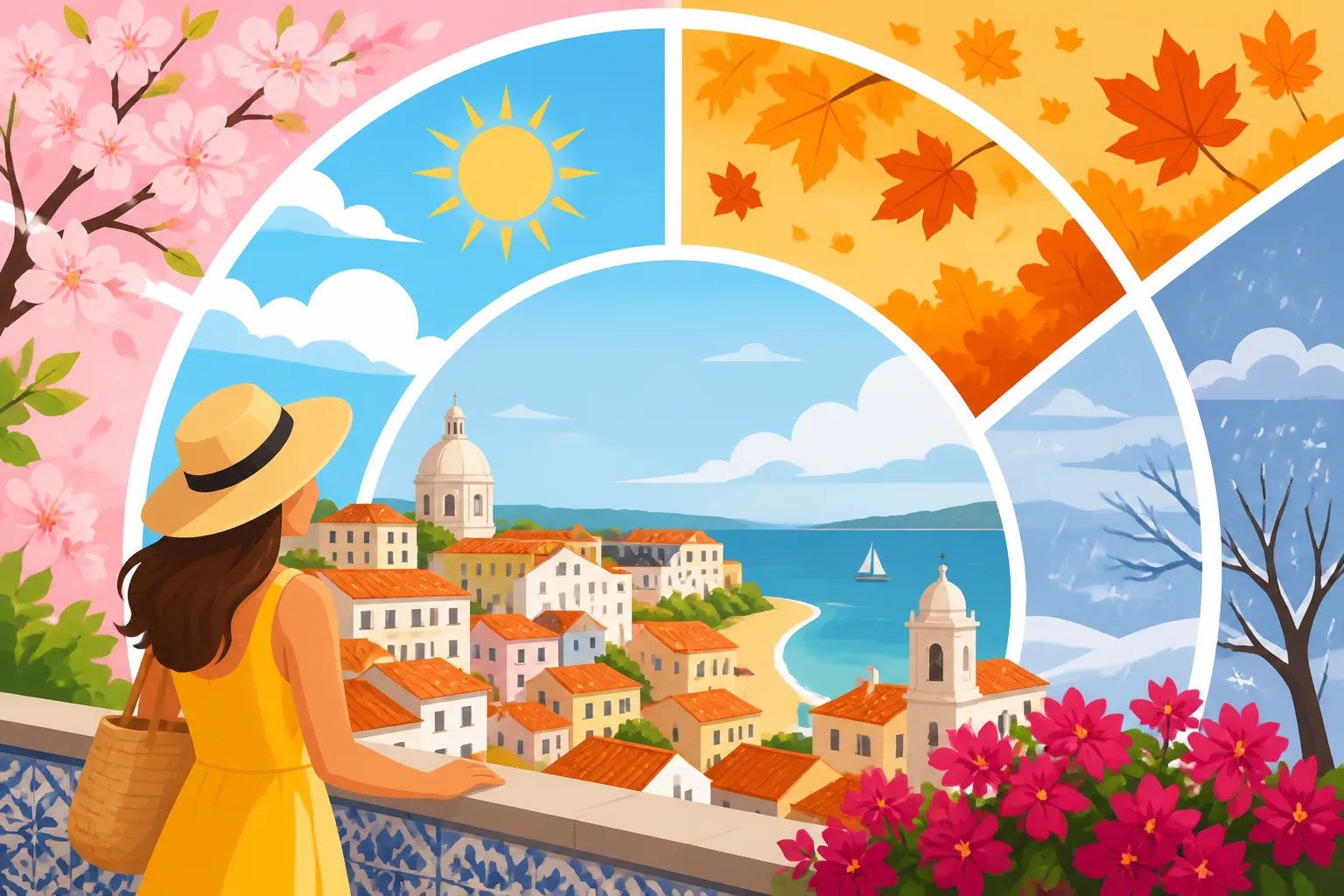
Spring (March to May): The Sweet Spot for Exploration
Ah, spring in Portugal! This is often heralded as the absolute best time to visit, and honestly, it’s hard to argue with that. After the occasional damp chill of winter, the country truly awakens, shedding its sleepy cloak and bursting with life and color. It's a season of pleasant surprises and comfortable exploration, making it ideal for those who want to see more than just the beach.
Mild Weather and Blooming Landscapes
The weather during spring is, for many, just perfect. Temperatures generally range from a crisp 15°C (59°F) in early March, gradually climbing to a balmy 22°C (72°F) or even higher by late May, particularly in the south. The sun makes a much more regular appearance, warming the air without becoming oppressive. While you might still encounter a few lingering April showers, especially further north or along the coast, they tend to be fleeting and often give way to glorious sunshine. These rains, coupled with the rising temperatures, transform the landscape into a vibrant tapestry.
Imagine driving through the Alentejo region in April, seeing endless fields carpeted with wildflowers—scarlet poppies, brilliant yellow daisies, and vibrant purple thistles stretching as far as the eye can see. Or perhaps you're strolling through a park in Lisbon, like the Estrela Gardens, where camellias, azaleas, and jacarandas (especially by May) are in full, breathtaking bloom. Even the rugged Algarve coast, known for its golden cliffs, gets a softer edge with bursts of wildflowers clinging to the cliffsides. It’s a photographer’s dream and a hiker’s paradise. You can comfortably spend entire days walking through historic city centers, exploring ancient castles, or even embarking on a scenic hike without feeling the relentless pressure of summer heat or the biting cold of winter. It truly makes getting out and experiencing the sights a joy, and you won't feel rushed to duck indoors every hour.
Spring Festivals and Fewer Crowds
One of the biggest advantages of visiting in spring is that you get to experience Portugal before the massive summer rush truly kicks in. Yes, there are still tourists, especially around Easter (Semana Santa), but the sheer volume is significantly lower than in July or August. This means shorter lines at major attractions like the Belém Tower in Lisbon or Livraria Lello in Porto. You'll also find it easier to book a table at that quaint little tasca you spotted, and prices for accommodation and flights tend to be more reasonable than during peak season. You can often snag some good deals on websites like Booking.com if you plan a few months ahead.
Spring is also a fantastic time for cultural immersion because of the vibrant local festivals. Easter, or Semana Santa, is a profoundly religious and visually stunning celebration, particularly in cities like Braga, where processions fill the streets with solemn beauty. May brings the annual pilgrimage to Fátima, drawing thousands of devotees and creating a powerful atmosphere. Late spring also sees local flower festivals, like the Festa da Flor on the island of Madeira, which paints the capital Funchal in dazzling colors with elaborate flower carpets and parades. If you're keen on exploring cities, checking out our guide on Lisbon Neighborhood Guide: Best Areas for Expats and Digital Nomads or Porto Neighborhood Guide: Where to Live for Culture, Tech, and Family can give you some great ideas for spring strolls. This period allows you to soak in the authentic Portuguese rhythm without the incessant bustle, giving you space to breathe and genuinely connect with the local culture.
Summer (June to August): Sun, Sea, and Festive Buzz
If your ideal vacation involves endless sunshine, warm ocean waters, and a lively, festive atmosphere, then Portuguese summer is calling your name! This is undoubtedly the country’s peak tourist season, and for good reason. From the golden beaches of the Algarve to the buzzing streets of Lisbon, Portugal truly shines when the mercury rises.
Hot Days and Beach Bliss
Prepare for heat! Especially in July and August, temperatures can soar well into the high 20s and low 30s Celsius (80s and 90s Fahrenheit), and even higher in the interior regions like the Alentejo. The coast, thanks to refreshing Atlantic breezes, tends to be a bit more manageable, but it’s still gloriously hot. This is prime time for beach lovers, and Portugal has no shortage of stunning shores. From the famous limestone grottoes and golden sands of the Algarve to the vast, wild beaches of the Alentejo coast, there's a patch of sand for everyone. You'll find families splashing in the gentle waves, surfers catching exhilarating breaks, and sunbathers soaking up every ray. The water temperatures are at their warmest, making swimming and water sports incredibly inviting.
However, a word to the wise: this heat isn't just for sunbathing. It's intense, especially in the afternoons. Hydration is key, and seeking shade during the hottest parts of the day (1 pm to 4 pm) is not just advised, it's essential. This is also when the risk of wildfires, particularly in the drier interior, is highest, so it's important to be mindful of local warnings and fire safety. If you're wondering how people manage daily life here, our article on Daily Life in Portugal: Supermarkets, Language, and Cultural Etiquette touches on some local habits that come in handy during hot periods. Many people head to the beach in the morning, retreat for a long, shaded lunch and siesta, then re-emerge in the late afternoon or evening.
Peak Season Crowds and Vibrant Festivities
Summer brings with it an undeniable energy, but also, let's be frank, a lot of people. Lisbon, Porto, and the entire Algarve region become bustling hubs of international and domestic tourists. This means longer queues for attractions, more crowded public transport, and higher prices for just about everything – flights, accommodation, and even some restaurant tabs. If you're planning a summer trip, booking well in advance is not just recommended, it's pretty much mandatory, especially if you have your heart set on a specific hotel or a car rental. Websites like Booking.com and GetYourGuide are your best friends here, but prepare to pay a premium.
Despite the crowds, the summer atmosphere is intoxicating, largely due to the incredible lineup of festivals. June is arguably the most festive month, kicking off with the Santos Populares (Popular Saints' Festivals). Lisbon lights up for Santo António on June 12th and 13th with sardine grills on every corner, lively street parties, and traditional dances. Shortly after, Porto explodes with São João on June 23rd and 24th, a truly unique celebration involving plastic hammers, jumping over bonfires, and releasing hot air balloons into the night sky. These are experiences you simply can't get any other time of year and offer an incredible immersion into Portuguese culture. While it might be a bit overwhelming for some, the sheer joy and communal spirit are infectious. If you can handle the crowds and the heat, summer offers an unforgettable, vibrant slice of Portugal. Don't forget to check out Portuguese Public Holidays 2026: When Supermarkets and Banks Are Closed to plan around any closures.
Autumn (September to November): Harvest Hues and Cultural Immersion
For many seasoned travelers and even us expats, autumn is Portugal's best-kept secret. As the summer heat mellows and the throngs of tourists recede, a more tranquil, yet equally enchanting, version of the country emerges. It’s a glorious period where the lingering warmth of summer gives way to crisp, pleasant days, ideal for those who prefer a balance of outdoor activity and cultural exploration.
Pleasant Temperatures and Harvest Delights
The weather in early autumn, particularly September and early October, often feels like an extension of summer, but with a much softer edge. Temperatures in September can still hover around 25°C (77°F) in many areas, gradually cooling to a comfortable 18-20°C (64-68°F) by November. The intense, often scorching sun of summer gives way to a gentle warmth, perfect for exploring without breaking a sweat. Rainfall remains relatively low in September but does increase as November approaches, especially in the north.
This is the season of harvest, and Portugal's agricultural heartlands truly come alive. The Douro Valley, famous for its Port wine, transforms into a spectacular patchwork of reds, oranges, and golds as the vineyards prepare for winter. Many wineries offer harvest experiences, where you can participate in grape stomping (yes, it’s still a thing!) and, of course, taste the new wines. Further south, the olive groves are also busy, and it's a wonderful time to explore the gastronomical side of Portugal. Imagine savoring hearty regional dishes paired with local wines, all without the summer rush. It's a fantastic time for foodies and wine enthusiasts. You'll find that navigating Public Transport and Driving in Portugal: Trains, Tolls, and Licenses is much more relaxed outside of peak season, making road trips through these regions a breeze.
Post-Summer Calm and Local Experiences
One of the most appealing aspects of autumn is the significant decrease in tourist numbers after the summer peak. While popular spots like Lisbon and Porto still see visitors, the sheer volume is much more manageable. This translates to fewer queues, more space to enjoy attractions, and a generally more relaxed pace. You’ll find that local businesses, no longer overwhelmed by the summer surge, often have more time and inclination to interact, offering a more authentic glimpse into Portuguese life. Prices for flights and accommodation also begin to drop, offering excellent value for money. Keep an eye on Omio for good deals on train travel if you plan on exploring different regions.
Culturally, autumn continues to offer a rich tapestry. Many towns host local fairs celebrating their harvests, from chestnuts in the Serra da Estrela to olives in the Alentejo. These are wonderful opportunities to sample seasonal produce and experience genuine local traditions. The pleasant temperatures are perfect for sustained city sightseeing – wandering through Alfama in Lisbon, exploring the labyrinthine streets of Évora, or discovering the Roman ruins of Conímbriga. It's also an excellent time for nature lovers to hike in national parks like Peneda-Gerês without the summer heat or winter chill. If you’re considering a longer stay, knowing the Cost of Living in Portugal 2026: Detailed Budgets for Singles and Families can help you budget for a more immersive autumn experience.
Winter (December to February): Cozy Charms and City Escapes
Winter in Portugal often gets a bad rap, but for those in the know, it offers a distinct charm, fantastic value, and a chance to experience the country like a local. It’s definitely not the time for sunbathing on the beach (unless you're exceptionally hardy!), but it’s perfect for embracing the cozy, cultural side of Portugal, often in peaceful solitude.
Cooler Weather and Festive Lights
Let's be realistic: Portuguese winters are not typically freezing cold like in much of northern Europe or North America, but they are cooler and wetter, especially from December through February. Coastal areas, particularly in the south (like the Algarve), remain quite mild, often seeing daytime temperatures around 15°C (59°F), with plenty of sunshine. However, in cities like Lisbon and Porto, you can expect average temperatures between 10-15°C (50-59°F), with more frequent rain showers. The interior and northern regions can get genuinely chilly, with temperatures sometimes dropping to near freezing, and even occasional snowfall in the Serra da Estrela mountains – Portugal's only ski resort!
Despite the cooler temperatures, winter brings its own beauty. Cities sparkle with festive lights throughout December, creating a magical atmosphere for Christmas and New Year's celebrations. Lisbon, in particular, goes all out with elaborate decorations and Christmas markets, making for a truly enchanting experience. If you’re a fan of a good, warming meal, this is the season for it. Hearty stews, robust red wines, and delicious comfort food take center stage. Plus, with fewer tourists, you'll find that the famous Portuguese Coffee Culture and Restaurant Etiquette: Ordering Like a Local is even more pronounced, with locals lingering over their bica and pastry.
Authentic Portugal and Budget Travel
The biggest draw of winter travel to Portugal, beyond the festive cheer, is the drastically reduced crowds and significantly lower prices. This is the absolute low season for tourism, which means you can often find incredible deals on flights and accommodation through sites like Booking.com. Major attractions are blessedly quiet, allowing for a more intimate and leisurely experience. Imagine exploring the Jerónimos Monastery in Belém or the colourful streets of Porto’s Ribeira district without battling through throngs of people. This is the time when you get to experience the true Portugal, the one that locals enjoy, not the one prepared for the summer rush.
Winter is also an excellent time for specific niche activities. The waves on the Atlantic coast are at their prime for experienced surfers, drawing professionals to spots like Nazaré. For culture enthusiasts, museums are warm, welcoming, and empty, offering a peaceful sanctuary. If you head north to the Douro, you can enjoy the crisp air and warm up with a glass (or two!) of Port wine by a crackling fireplace. While some smaller, seasonal businesses in beach towns might be closed, all major city amenities remain open, often with more authentic local experiences to be had. If you're looking to integrate into the local community or just curious about longer-term living, our guide on Living in Portugal Guide 2027: The Complete Relocation Manual for Expats provides a comprehensive overview that might spark some ideas for future visits. It's a season that truly offers a different perspective on this captivating country, proving that Portugal’s charm isn’t solely dependent on scorching sunshine.
A Quick Seasonal Overview
To help you quickly decide, here's a brief summary of what each season generally offers:
| Season | Key Characteristics | Best For | Pros | Cons |
|---|---|---|---|---|
| Spring | Mild, sunny days; blooming landscapes; occasional rain | Sightseeing, hiking, cultural festivals, wine tours | Fewer crowds, pleasant temperatures, vibrant nature, good value | Can still be rainy, evenings cool |
| Summer | Hot, dry, abundant sunshine; warm ocean waters | Beaches, water sports, vibrant nightlife, major festivals | Peak beach weather, lively atmosphere, long daylight hours | Large crowds, high prices, intense heat, potential wildfires |
| Autumn | Warm to mild days; colorful harvests; increasing rain | Wine tasting, gastronomy, city breaks, hiking | Moderate temperatures, fewer tourists, harvest celebrations, good value | Increasing chance of rain, some coastal businesses closing |
| Winter | Cooler, wetter; mild coast; chilly interior; festive lights | Cultural immersion, budget travel, authentic experiences, surfing | Lowest prices, fewest crowds, cozy atmosphere, festive cheer | Cooler temperatures, more rain, some seasonal closures |
Disclaimer
Please remember that immigration and travel regulations, as well as local conditions, can change rapidly. While I strive to provide the most accurate and up-to-date information, it's always crucial to verify details with official sources, such as the Portuguese Embassy or Consulate, relevant government websites, and local authorities, before making any travel plans.