How to Visit the Jerónimos Monastery in Lisbon
Disclosure: This article contains affiliate links. If you buy through them, we may earn a commission at no extra cost to you. Read our full disclosure.
Ah, the Jerónimos Monastery! What an absolute masterpiece, isn't it? But let's be real, getting there, figuring out tickets, and navigating the crowds can feel less like a spiritual journey and more like an administrative hurdle, especially when you're just trying to soak in the history. This guide is going to cut through all that noise, giving you the insider tips and practical advice you need to experience this UNESCO World Heritage site without the usual expat headaches.
Navigating to the Jerónimos Monastery: Your Journey to Belém
Getting to Belém, where the magnificent Jerónimos Monastery stands proudly, is usually one of the first logistical puzzles expats and tourists face. It's not in the absolute heart of Lisbon's downtown, so you'll need to plan a little, but thankfully, there are several ways to get there. The journey itself often offers glimpses into local life, which is part of the charm, even if it can be a bit chaotic at times.
Public Transport Options: Trams, Buses, and Trains
Lisbon's public transport system, while generally efficient, can be a bit of a labyrinth for newcomers. For Jerónimos, the most popular and scenic option is often the tram.
- Tram 15E: This historic tram line, despite its age, connects Praça da Figueira and Praça do Comércio directly to Belém. It's iconic, yes, but also incredibly popular, which means it's often packed, especially during peak tourist season. You might find yourself squished tighter than a sardine in a can, and sadly, these crowded conditions are a prime spot for pickpockets. Always keep an eye on your belongings. You can buy tickets on board with cash, but it's cheaper and far more convenient to get a Navegante card (formerly Viva Viagem) and load it with zapping credit or a 24-hour pass beforehand. This card works across Lisbon's entire public transport network, from the metro to the funiculars, making your life infinitely easier. For more on this, check out our guide on Using Comboios de Portugal (CP) Trains and the Navegante Pass. The journey takes about 20-30 minutes, depending on traffic.
- Buses: Several bus lines serve Belém, offering a slightly less crowded alternative to the tram. The 727, 728, 729, 714, and 751 are good options from various parts of the city. While less scenic than the tram, they can be more comfortable, especially if you're traveling during off-peak hours. The journey time is similar to the tram, and you can use your Navegante card here too. Always double-check your route with a reliable app like Google Maps or Moovit, as bus stops and routes can sometimes feel a bit random when you're new to the city.
- Trains: If you're coming from the Cais do Sodré train station, a quick and efficient way to reach Belém is by taking the Cascais line train. It's just a few stops, and the journey is very quick, around 7-10 minutes. Cais do Sodré is a major transport hub, easily accessible by metro (the green line ends there). This is often my preferred method, especially if I'm already in the area, as trains tend to be more spacious than the trams. You can easily purchase tickets at the station, again using your Navegante card. If you're planning wider trips, perhaps to Cascais or further along the coast, Omio can be a really handy tool for checking train schedules and even booking tickets in advance, saving you fumbling at the station.
Driving and Parking in Belém: A Local's Warning
For those who are tempted to drive to Belém, let me offer a veteran expat's word of caution: don't, if you can avoid it. While having your own set of wheels in Portugal can be liberating for exploring regions like the Algarve or the Alentejo, urban driving in Lisbon is a beast of its own.
- The Traffic Nightmare: Belém is a major tourist hot spot, meaning traffic can be notoriously heavy, especially on weekends and public holidays. You'll spend a significant portion of your visit sitting in queues of cars, inching your way towards the monument.
- Parking Scarcity and Cost: Finding parking in Belém is akin to finding a needle in a haystack – and an expensive needle at that. There are some paid underground parking garages, but they fill up quickly, and the hourly rates can add up, quickly eroding any perceived convenience. Street parking is almost non-existent for non-residents and often comes with time limits anyway. You really don't want to deal with parking tickets or towing in a foreign country; it's a headache that will stick with you for weeks.
- The Stress Factor: Seriously, the stress of navigating unfamiliar, congested streets, dodging trams, and desperately searching for a spot will significantly detract from your ability to enjoy the monastery. Embrace public transport for this particular journey. We have a whole guide on Public Transport and Driving in Portugal: Trains, Tolls, and Licenses if you're still considering driving around the country, but for Belém, trust me on this one.
Arriving by Ride-Share or Taxi: Convenience vs. Cost
If public transport just isn't your thing, or you're on a tighter schedule, ride-sharing services like Uber or Bolt, and traditional taxis, are readily available.
- Ride-Share Apps: Uber and Bolt are very popular and widely used in Lisbon. They offer a good balance of convenience and cost, generally being cheaper than traditional taxis, especially if you're traveling a moderate distance. You can easily hail one through the app, see the estimated fare upfront, and pay electronically, which eliminates any potential language barrier issues with payment. The journey time will depend entirely on traffic, as mentioned above, so allow ample time. For a comfortable ride without the hassle of public transport, this is often a good middle ground.
- Traditional Taxis: Lisbon's beige taxis are plentiful, and their drivers are usually quite knowledgeable about the city. They can be hailed on the street or found at designated taxi stands. While generally reliable, they tend to be a bit more expensive than ride-shares, and occasionally, tourists might find themselves on a longer route than necessary. Always ensure the meter is running, or agree on a price beforehand if it's a fixed route (though meters are the norm). If you prefer not to deal with apps or just like the old-school feel of a taxi, they're a perfectly viable option.
Unlocking Your Visit: Tickets, Entry, and Beating the Crowds
Visiting Jerónimos Monastery is an absolute must, but walking up to the entrance unprepared can mean hours in the scorching sun, feeling utterly defeated before you even step inside. Trust me, I've been there, and I want to spare you that pain. This monument is incredibly popular, and for good reason, so knowing the ropes for tickets and entry is crucial.
Understanding Ticket Types and Prices
The monastery actually has two main sections you'll want to explore: the Church of Santa Maria and the Claustro (Cloister). The church itself has free entry, which is wonderful, but the true architectural marvel and historical depth are found within the cloister, which requires a ticket.
- Free Entry (Church): You can walk into the Church of Santa Maria de Belém without a ticket. This is where you'll find Vasco da Gama's tomb and the stunning main altar. The queue for the church is usually much shorter and moves faster than the one for the cloister, and sometimes, you can just walk right in.
- Paid Entry (Cloister): This is where most people queue. The cloister is an exquisite example of Manueline architecture, with intricate carvings and a serene courtyard that offers a sense of peace even amidst the crowds. As of my last check, a standard adult ticket for the cloister is around €10.
- Combined Tickets: This is usually your best bet if you plan to explore more of Belém. You can often purchase combined tickets that include entry to Jerónimos Monastery and other nearby attractions, such as the Belém Tower and the Monument to the Discoveries (Padrão dos Descobrimentos), or even the National Archaeology Museum, which is housed within a wing of the monastery. These combo tickets offer a slight discount compared to buying individual tickets and, crucially, can often be skip-the-line for the paid attractions.
- For instance, a combined ticket for the Monastery and the Belém Tower might be around €12.
- A triple ticket for Monastery, Belém Tower, and the National Archaeology Museum is typically around €16.
- Check the official website or a reputable tour provider like GetYourGuide for the most up-to-date pricing and combo options. Always compare to see which combination suits your itinerary best.
Markdown Table: Jerónimos Monastery Ticket Options (Approximate 2026 Prices)
| Ticket Type | Included Areas | Price (Approx.) | Benefits |
|---|---|---|---|
| Church of Santa Maria | Main Church, Vasco da Gama's Tomb | Free | Accessible to all, often faster entry. |
| Cloister (Individual) | Cloister, Chapter House | €10 | Essential for full architectural experience. |
| Monastery + Belém Tower | Monastery Cloister, Belém Tower | €12 | Saves money if visiting both, potential faster entry. |
| Monastery + Belém Tower + Archaeology Museum | Cloister, Belém Tower, Archaeology Museum | €16 | Best value for a full Belém experience, potential faster entry. |
| Lisboa Card | Monastery Cloister, Belém Tower + Public Transport | Varies | Includes free entry to many attractions and unlimited public transport. |
Prices are subject to change, always verify current rates on the official website or reputable booking platforms.
The Art of Skipping the Line: Pre-booking and Guided Tours
This is arguably the most important piece of advice for visiting Jerónimos: do not just show up expecting to buy a ticket on the day, especially during peak season or on a weekend. The lines are legendary, and not in a good way.
- Online Pre-booking: The absolute best way to avoid the infamous queues is to buy your tickets online in advance through the official ticketing portal or a trusted platform like GetYourGuide. Many tickets are digital these days, allowing you to walk straight to the pre-booked entrance, often a designated line that is significantly shorter. This small upfront effort will save you literally hours of standing around.
- Lisboa Card: If you're planning to visit several attractions in Lisbon and use public transport extensively, the Lisboa Card is a fantastic investment. It includes free entry to the Jerónimos Monastery (cloister section), Belém Tower, and many other museums and monuments, plus unlimited free travel on the city's public transport system. It acts as a skip-the-line pass for many attractions, including the monastery. You can buy 24, 48, or 72-hour versions. Do the math to see if it makes sense for your itinerary – often it does!
- Guided Tours: For those who prefer a more structured and informative experience, booking a guided tour that includes skip-the-line access is a brilliant option. Not only do you bypass the main queues, but you also get the added benefit of an expert guide bringing the history and intricate details of the monastery to life. This is where platforms like GetYourGuide shine, offering a variety of tours that can combine Jerónimos with other Belém highlights, ensuring you don't miss any nuances of this incredible structure. Having a guide explain the symbolism of the Manueline style, for example, makes the experience far richer than just walking through with an audioguide.
Best Times to Visit and What to Expect
Even with skip-the-line tickets, timing is everything.
- Early Mornings: Aim to be there right when the monastery opens (usually 10:00 AM). The first hour or two are generally the least crowded. You'll have a much more serene experience in the cloister, and the light for photos is often better.
- Late Afternoons: Around an hour or so before closing (usually 5:00 PM or 6:00 PM), the crowds tend to thin out again as tour groups depart. However, remember that the free church entrance usually closes half an hour before the paid cloister, so if you want to see both, make sure you plan accordingly.
- Weekdays over Weekends: This is a no-brainer. Weekends, especially Sundays when entry to the church can be even more popular due to services, are the busiest. If you must go on a weekend, aim for very early.
- Avoid Public Holidays: Portugal has many public holidays, and popular attractions like Jerónimos will be swarmed. Check the national holiday calendar before you plan your visit.
- Expect Security Checks: Like most major attractions these days, you'll go through a security check, which can add a few minutes to your entry, even with a skip-the-line ticket. Be prepared to have your bags scanned.
- Dress Code: While there isn't a strict "no shorts" policy, it's a religious site, so dressing respectfully is always a good idea. Shoulders and knees covered are generally appreciated, especially if you plan to spend time in the church.
Exploring the Marvels: What to See at Jerónimos and Nearby
Once you've navigated the practicalities, you're free to immerse yourself in the sheer grandeur of the Jerónimos Monastery. It's a place that truly transports you back to the Age of Discoveries, showcasing Portugal's incredible wealth and ambition during its maritime golden age.
The Church of Santa Maria de Belém: A Sanctuary of History
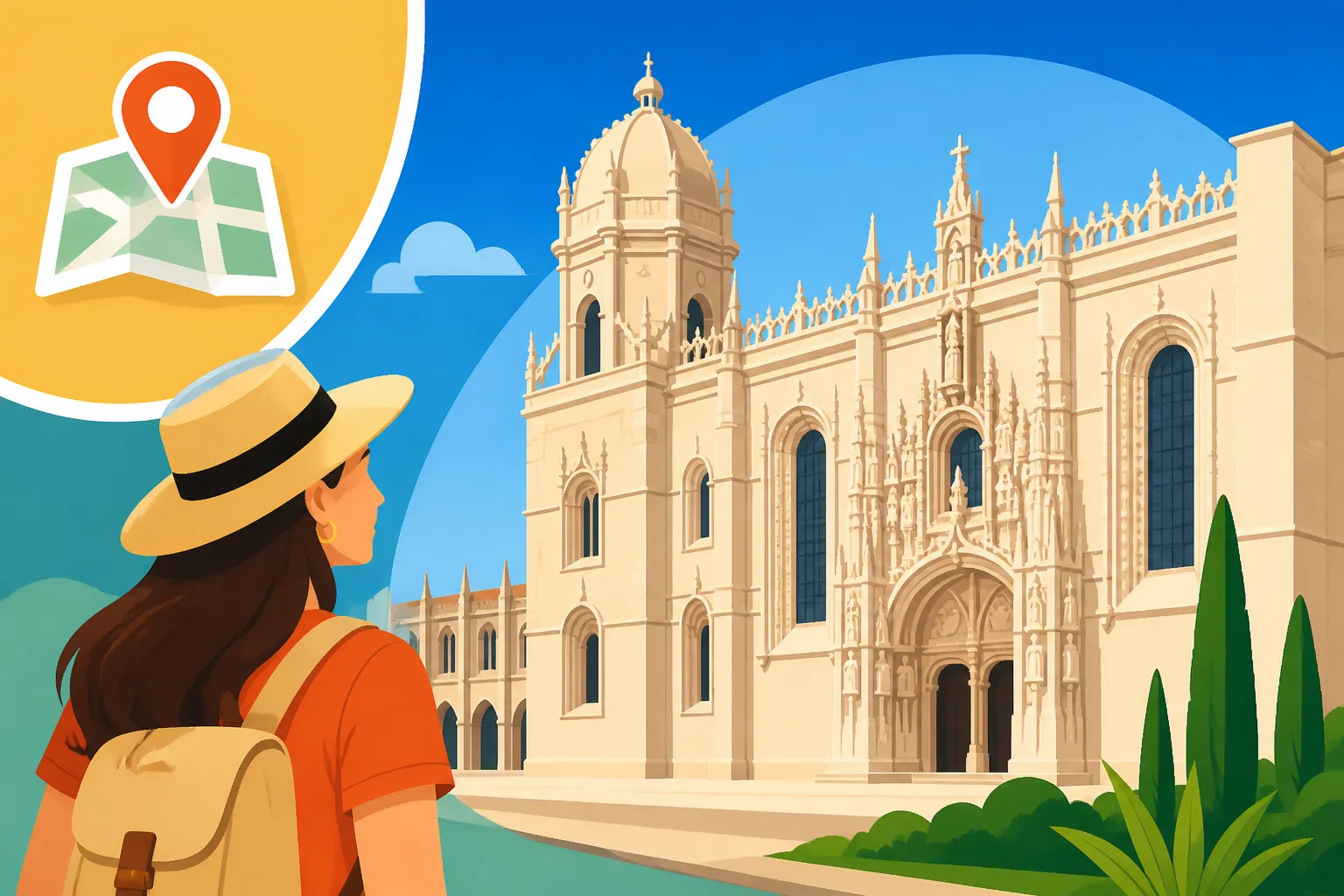
Even if you only manage to see the free section, the Church of Santa Maria is breathtaking. Stepping inside, the towering, slender columns that seem to reach endlessly towards the vaulted ceiling are an immediate awe-inspiring sight. This is the heart of the Manueline style, where Gothic architecture meets Renaissance influences and maritime motifs.
- Vasco da Gama's Tomb: To the left just inside the entrance, you'll find the sarcophagus of Vasco da Gama, the legendary explorer who first sailed directly from Europe to India. It's adorned with caravels and maritime symbols, a fitting tribute to the man who opened up new worlds for Portugal. Knowing he rests here, in a place built with the riches brought back from his voyages, adds a profound layer to your visit.
- Luís de Camões' Tomb: Directly opposite da Gama, on the right side, lies the tomb of Luís Vaz de Camões, Portugal's greatest poet, author of "Os Lusíadas," the epic poem celebrating Portuguese discoveries. It's a powerful reminder of the artistic and intellectual flourishing that accompanied the Age of Discoveries.
- The Main Altar: As you walk further into the church, the intricate gilded altar at the front is a dazzling display of Baroque artistry. Take a moment to appreciate the detailed craftsmanship and the soaring stained-glass windows that cast colorful light across the interior. The sheer scale and opulence are incredible.
- Architectural Details: Look closely at the columns and arches. You'll spot twisted ropes, armillary spheres (an important symbol of the Portuguese monarchy), and other elements reflecting Portugal's seafaring prowess and global reach. It’s not just a church; it’s a narrative carved in stone.
The Cloister: An Architectural Masterpiece
The cloister is where the Manueline style truly explodes into its full glory, and it's absolutely worth the ticket price. It's considered one of the most beautiful cloisters in the world, and once you step in, you'll understand why.
- Intricate Carvings: Every arch, every column, every nook and cranny is adorned with astonishingly detailed carvings. You'll see marine elements like corals, sea monsters, anchors, and ropes intertwined with religious symbols, fantastical beasts, and naturalistic flora. Spend time simply gazing upwards and outwards, letting your eyes wander over the myriad of details. It's a testament to the skill of the artisans and the boundless imagination of the era.
- Serene Atmosphere: Despite the crowds, there are moments, especially in the quieter corners or early in the morning, where you can feel a profound sense of tranquility. The central garden courtyard offers a peaceful contrast to the grandeur of the surrounding arches.
- Upper Level: Don't miss the opportunity to ascend to the upper level of the cloister. From here, you get a different perspective, looking down into the courtyard and across at the church itself. You can also access the old monks' dormitories and a viewing gallery that looks directly into the church, giving you an unparalleled view of the main altar and the tombs from above. It’s truly spectacular and offers a great photo opportunity.
- The Chapter House: Located off the cloister, the Chapter House contains the tomb of the monastery's architect, Diogo de Boitaca, and houses rotating exhibits. It’s another space to explore and absorb the monastery’s rich history.
Beyond the Monastery Walls: Belém's Other Treasures
A visit to Jerónimos isn't complete without exploring the charming neighborhood of Belém itself. It’s one of Lisbon's most iconic areas, steeped in history and offering plenty to see and do. If you're pondering where to base yourself in Lisbon, our Lisbon Neighborhood Guide: Best Areas for Expats and Digital Nomads can offer some insights into whether Belém suits your style.
- Pastéis de Belém: This is non-negotiable. Seriously. After all that history, you've earned a treat. Just a short walk from the monastery, you'll find the legendary Pastéis de Belém bakery. This is the original, secret-recipe custard tart, served warm with a dusting of cinnamon and powdered sugar. The queue often stretches out the door, but it moves quickly, and they have ample seating inside. Trust me, it’s worth the wait. Don't be shy about asking for an espresso (uma bica) to go with it; it's the perfect Portuguese pairing. For more on local culinary customs, check out Portuguese Coffee Culture and Restaurant Etiquette: Ordering Like a Local.
- Belém Tower (Torre de Belém): A UNESCO World Heritage site, this iconic fortified tower sits gracefully on the Tagus River. It served as a ceremonial gateway to Lisbon and a fortress protecting the city. It's a short walk from the monastery along the waterfront. You can go inside, though the interior is less impressive than its exterior.
- Monument to the Discoveries (Padrão dos Descobrimentos): Another imposing monument on the waterfront, this commemorates the Age of Discoveries. It features statues of various explorers, cartographers, and artists who played a role in Portugal's maritime expansion. You can take an elevator to the top for panoramic views of the Tagus River, the 25 de Abril Bridge, and the entire Belém area, including the monastery. The massive mosaic compass rose on the ground in front of the monument, a gift from South Africa, is also worth admiring.
- Belém Cultural Centre (CCB): This modern cultural complex is home to museums, exhibition spaces, and performance venues. It often hosts international art exhibitions and concerts, providing a contemporary contrast to the historical sites around it.
- National Coach Museum: Just behind the monastery, this museum houses an incredible collection of royal carriages from the 17th to 19th centuries. Even if you're not a huge fan of coaches, the sheer opulence and artistry on display are captivating.
Essential Tips for a Seamless Experience at Jerónimos
Having been through the tourist gauntlet in Lisbon many times, I’ve picked up a few tricks to make things smoother. Remember, while it's an incredible destination, it's also a highly trafficked area, so a little preparation goes a long way.
Accessibility, Facilities, and Practical Amenities
Navigating historical sites in old cities can sometimes be tricky for everyone, especially those with mobility challenges.
- Mobility Considerations: The Jerónimos Monastery, being an ancient monument, does have some accessibility limitations. The ground floor of the church is generally accessible, but the cloister involves stairs to reach the upper level. There isn't an elevator for public use to access the second floor of the cloister. If you have mobility issues, focus on the stunning ground floor and the main church. Check the official website for detailed accessibility information before your visit.
- Restrooms: There are public restrooms available on-site, usually near the cloister entrance/exit area. They can get busy, so plan accordingly.
- Souvenir Shops: You'll find a small gift shop within the monastery complex, offering books, replicas, and other souvenirs. There are also numerous independent souvenir shops around Belém.
- ATMs: While Portugal is very modern with card payments, it's always wise to carry some cash, especially for smaller purchases like a coffee or a quick snack from a street vendor. There are ATMs (Multibanco machines) scattered around Belém. For managing your money, our guide on The Multibanco System and MB Way: Portugal's Unique Payment Network can be very helpful.
Cultural Etiquette and Respectful Visiting
Remember, this is a functioning church and a place of historical significance. A little respect goes a long way.
- Silence and Reverence: While it's a tourist attraction, the church part of the monastery is still a place of worship. Be mindful of ongoing services or quiet reflection. Keep your voice down, and turn off your phone's ringer.
- Photography: Photography is generally allowed inside both the church and the cloister, but avoid using flash, especially in the church, as it can be disruptive and potentially damaging to ancient artifacts. Always be considerate of others and don't monopolize a spot for an extended photo shoot.
- No Food or Drink: Do not bring food or open drinks into the monastery. It's an important historical site, and spills or crumbs are disrespectful and can attract pests.
- Dress Code: While not strictly enforced, it's always respectful to dress modestly in religious sites. This generally means covering shoulders and knees. You won't be denied entry for wearing shorts or a tank top in the cloister, but it's something to consider for the church.
Staying Hydrated and Fed: Belém's Culinary Delights
Exploring such a grand monument and then wandering around Belém can work up quite an appetite and thirst. Luckily, Belém has plenty of options.
- Water is Key: Especially in the warmer months, staying hydrated is crucial. Carry a reusable water bottle or be prepared to buy bottled water from kiosks or cafes. Lisbon's sun can be deceptively intense, even in spring and autumn.
- Beyond Pastéis de Belém: While the custard tarts are legendary, Belém offers a range of dining experiences. You'll find casual cafes for a quick tosta mista (ham and cheese toastie) and a galão (latte), as well as more formal sit-down restaurants offering traditional Portuguese cuisine. Many places along the waterfront offer lovely views.
- Local Lunch Spots: Wander a few blocks inland from the main tourist strip, and you'll often find smaller, more authentic tascas (traditional restaurants) frequented by locals. These often offer excellent prato do dia (dish of the day) options at very reasonable prices. Don't be afraid to try one – it's an authentic slice of Portuguese life! Remember, tipping culture in Portugal is a bit different than in some countries, so a small round-up or a few extra euros for good service is usually sufficient. Our guide on Tipping culture in Portugal: Do you leave 10% or just round up the bill? has more details.
- Picnic in the Gardens: If the weather is nice, consider grabbing some supplies from a local mini-mercado or even a larger supermarket like Continente (a short walk away) and enjoying a picnic in the beautiful Belém Gardens, right opposite the monastery. It's a lovely, relaxed way to enjoy the surroundings without breaking the bank. For more on grocery shopping, see our article on Grocery Shopping in Portugal: Continente, Pingo Doce, Auchan, and Mercados.
Visiting the Jerónimos Monastery is an unforgettable experience, a true highlight of any trip to Lisbon. With a little planning and these insider tips, you can navigate the crowds, soak in the history, and savor the unique atmosphere of Belém with ease. Enjoy your journey back in time!
Disclaimer
The information provided in this guide is intended for general informational purposes only and may not constitute the most up-to-date legal, financial, or immigration advice. While we strive to keep our content accurate and current, regulations, prices, and procedures in Portugal can change rapidly. Always consult official government websites, local authorities, or qualified professionals for the latest and most specific information relevant to your personal situation. We do not endorse any specific third-party services mentioned unless explicitly stated as a core solution.