What Are the Best Beaches in the Algarve?
Disclosure: This article contains affiliate links. If you buy through them, we may earn a commission at no extra cost to you. Read our full disclosure.
Oh, the Algarve! If there's one region in Portugal that truly lives up to its postcard reputation, it's this southern gem. But let's be real, simply saying "the beaches are nice" doesn't do it justice, nor does it help you navigate the sheer variety. As an expat who's spent countless sun-drenched (and occasionally sunburned) days exploring these shores, I know the frustration of trying to pick the perfect spot from a sea of stunning options. This guide is here to cut through the noise, offering you an insider's look at the absolute best beaches in the Algarve, breaking them down by vibes, accessibility, and what makes each one uniquely Portuguese.
The Iconic & Instagram-Worthy Shores: Central Algarve's Famous Beaches
When most people picture the Algarve, they're probably conjuring images of the central region's dramatic cliffs, golden sands, and turquoise waters. These are the beaches that fill travel brochures and Instagram feeds, and for good reason. They are breathtaking, but also often the most popular, especially in peak season. You'll need a strategy to enjoy them fully, but trust me, they are absolutely worth the effort.
Praia da Marinha and its dramatic cliffs
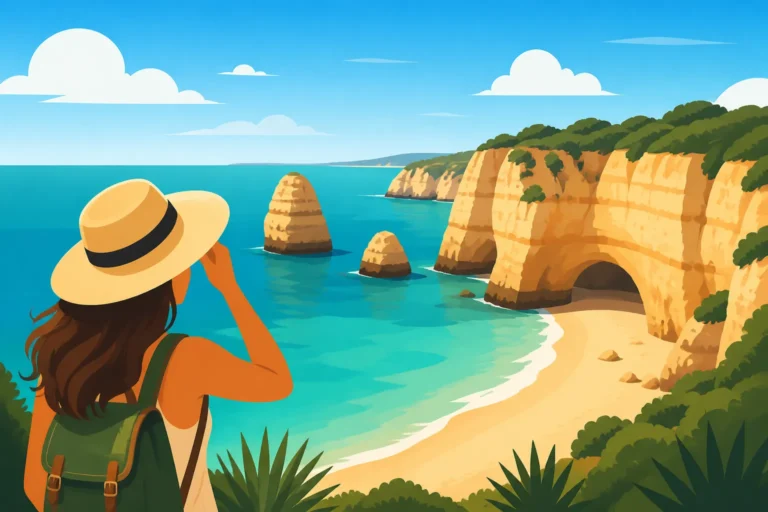
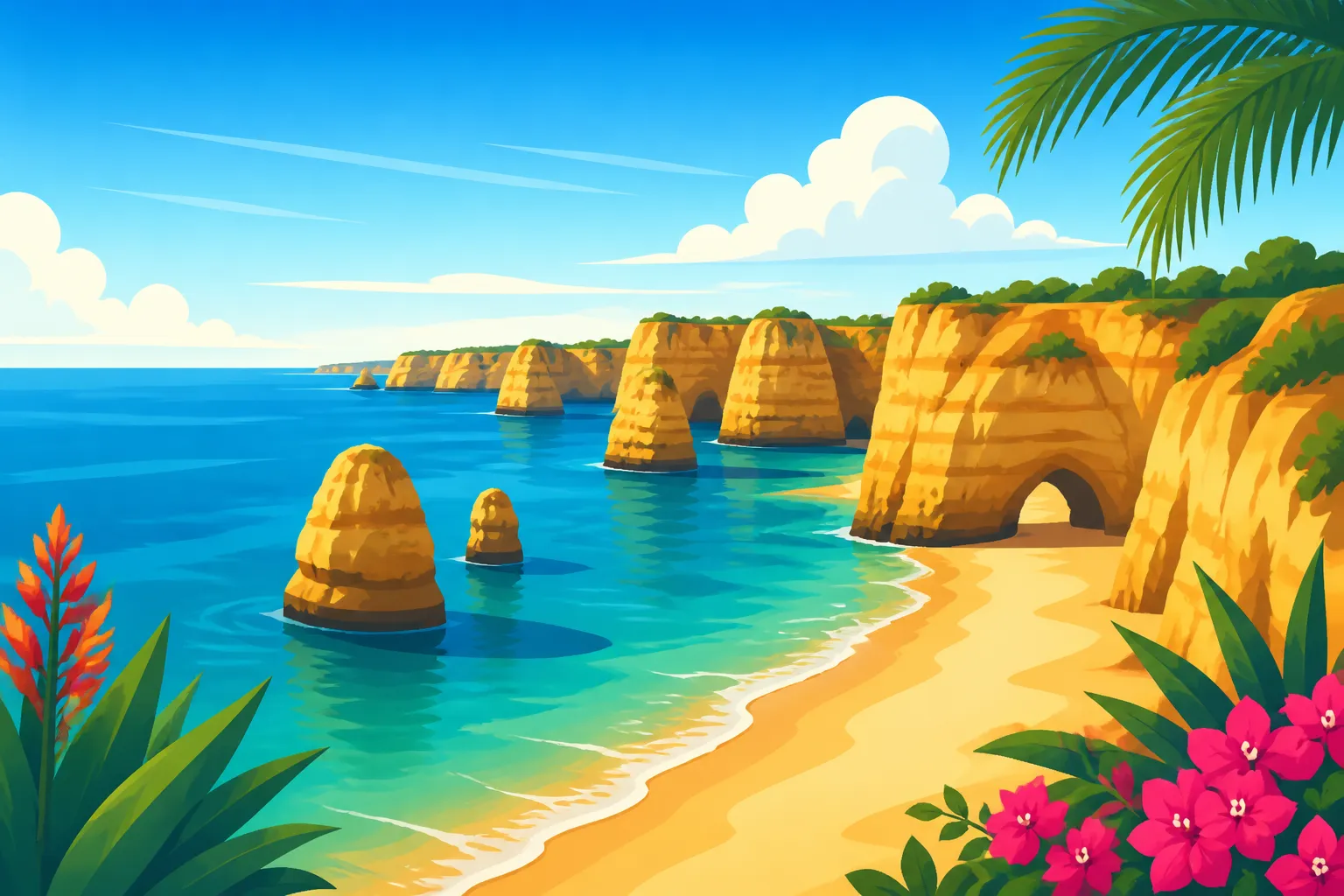
Praia da Marinha, near Lagoa, often tops lists of the world's most beautiful beaches, and it’s not hard to see why. The erosion over millennia has sculpted incredible limestone cliffs, forming natural arches and stacks that emerge from the sea. Walking down the winding path to the beach, you're immediately struck by the sheer geological artistry surrounding you. The sand here is fine and golden, and the water is incredibly clear, perfect for snorkeling on a calm day.
What makes Marinha special, beyond its obvious beauty, is the sense of awe it inspires. You can spend hours simply gazing at the rock formations, trying to spot the famous "M rock" or exploring the tiny coves that appear at low tide. It's the kind of place that reminds you of nature's incredible power and patience. However, be prepared for a bit of a hike down and, more importantly, up from the beach. It’s not a casual stroll, especially if you’re carrying a cooler and beach gear. Parking can also be a challenge in summer, so arrive early or be prepared to walk a bit from overflow spots. Don't forget your camera; every angle is a photo opportunity, especially around sunrise or sunset when the light paints the cliffs in warm hues.
The Enchanting Sea Caves of Praia do Benagil
Just a short distance from Praia da Marinha lies Praia do Benagil, famous primarily for its proximity to the iconic Benagil Cave (Gruta de Benagil). While the beach itself is a lovely, sheltered cove popular with local fishing boats, the real draw is the magnificent sea cave just around the corner. This natural cathedral, with its circular opening at the top (aptly nicknamed "The Eye"), allows sunlight to stream in, illuminating the sandy beach within. It's truly a bucket-list experience.
Accessing the cave requires a boat, kayak, SUP (stand-up paddleboard), or, if you're a strong swimmer and the conditions are absolutely perfect, swimming. I've done the kayak trip more times than I can count, and it's always a highlight. You can rent kayaks or SUPs right from Benagil beach or join one of the many boat tours that depart from nearby towns like Portimão, Lagos, or Albufeira. These tours often visit several caves and grottoes along the coastline. If you're a DIY adventurer, check the tides and swell before heading out; the currents can be strong, and safety should always come first. Remember, most tours won't let you disembark inside the Benagil cave due to safety regulations, so if you want to set foot on that sandy patch, a kayak or SUP is your best bet (again, check conditions and legalities first, as rules can change). For those looking to book an unforgettable boat tour, platforms like Omio can sometimes help you find local operators, or you can check directly on GetYourGuide for options that specifically highlight the Benagil Cave experience.
Praia da Falésia: Miles of Ochre and Pine
Stretching for miles between Olhos de Água and Vilamoura, Praia da Falésia is a different kind of spectacular. Here, the cliffs are not dramatic white limestone, but rather vibrant ochre, terracotta, and deep red, topped with a dense canopy of green pine trees. The contrast of these warm colors against the brilliant blue of the Atlantic is simply mesmerizing. The beach itself is incredibly long and wide, meaning even on a busy day, you can usually find a quiet spot to lay your towel.
Falésia is perfect for long, contemplative walks, with the rhythmic crash of the waves and the earthy scent of pine needles carried on the breeze. The sheer scale of it means you can explore different sections, from the more bustling areas with amenities closer to resorts, to more secluded stretches further east. There are wooden boardwalks at several access points, making it easier to descend the cliffs. The sand is soft, and the water is generally calm, making it a great option for families, though keep an eye on the cliffs, as small rockfalls can occur, especially after heavy rain. This beach truly offers a sense of expansive freedom, a place where you can feel small against nature's grandeur.
Western Algarve's Wild Side: Surfer Paradises and Secluded Coves
Venturing west, past Lagos and Sagres, you enter a different Algarve altogether – wilder, more rugged, and less developed. This is where the Atlantic truly asserts its power, creating conditions ideal for surfing, and where you'll find windswept beaches backed by dramatic dunes rather than towering cliffs. The vibe here is distinctly more laid-back, attracting surfers, nature lovers, and those seeking a bit more solitude.
The Rugged Beauty of Costa Vicentina: Praia do Amado & Praia da Bordeira
Once you pass Sagres and turn north along the west coast, you hit the Costa Vicentina Natural Park. This protected coastline is a treasure trove of raw, untamed beauty. Praia do Amado and Praia da Bordeira (also known as Carrapateira beach) are two stellar examples. These aren't your typical calm, sunbathing beaches; they are expansive, often windy, and famous for their consistent waves, making them prime spots for surfing and bodyboarding.
Praia do Amado is a popular surf school hub, so if you've ever wanted to catch a wave, this is a fantastic place to learn. The wide sandy expanse means plenty of space, and there are often cafes or food trucks nearby for a post-surf snack. Praia da Bordeira is even more vast, backed by an enormous system of sand dunes and a small river that winds its way to the sea. The sheer scale is breathtaking, and you can walk for what feels like forever without seeing another soul. There are wooden boardwalks that lead up to viewpoints over the dunes and the beach, offering panoramic vistas that are particularly stunning at sunset. These beaches remind you that Portugal is an Atlantic nation, wild and windswept, a beautiful contrast to the calm southern shores. For those thinking of truly exploring this region, having your own transport is almost a must, which makes reading up on Driving in Portugal: Exchanging Your Foreign License to a Portuguese One quite relevant.
Lagos' Stunning Grottos and Ponta da Piedade
Lagos, while not as far west as the Costa Vicentina, deserves a special mention for its unique collection of smaller, more intimate beaches nestled between golden rock formations. The most famous of these is the Ponta da Piedade, a headland just south of Lagos, adorned with incredible grottoes, arches, and sea caves. The views from the top of the cliffs are spectacular, but to truly experience the magic, you need to get down to water level.
From Ponta da Piedade, you can take a boat trip – often in small, traditional fishing boats – that will weave you through the narrow passages, into hidden grottos, and under natural arches. It's an unforgettable experience, with the sunlight playing on the clear green and blue waters, illuminating the ancient rock. Nearby beaches like Praia do Camilo, Praia Dona Ana, and Praia dos Estudantes offer stunning coves, each with its own character, linked by scenic cliff-top paths and sometimes even tunnels carved through the rock. These are fantastic for exploring, sunbathing, and taking truly spectacular photos. For accommodation near these beautiful spots, it's worth checking Booking.com for charming guesthouses or apartments that offer easy access to the coast.
Secret Spots and Sunset Views: Praia da Cordoama
Just a stone's throw from Sagres, on the western coast, you'll find Praia da Cordoama. This is another expansive, rugged beach that embodies the wild, untamed spirit of the Costa Vicentina. It’s less crowded than Amado, perhaps because the access road is a little less straightforward, but the reward is immense. The cliffs here are dramatic and imposing, providing a powerful backdrop to the wide stretch of sand.
Cordoama is another favorite among surfers, but even if you’re not hitting the waves, it's a fantastic spot for long walks, beachcombing, and simply soaking in the raw natural beauty. Due to its west-facing orientation and unobstructed views over the Atlantic, Praia da Cordoama offers some of the most spectacular sunsets in the Algarve. Imagine sitting on the sand, watching the sun dip below the horizon, painting the sky in fiery oranges, purples, and reds – it’s a truly magical experience that stays with you long after the light fades. If you're planning a multi-day trip to properly explore the region, consider how this might affect your Cost of Living in Portugal 2026: Detailed Budgets for Singles and Families as Western Algarve tends to be a bit more affordable than the central hubs.
Eastern Algarve's Tranquil Islands and Gentle Waters
Moving east of Faro, the Algarve transforms once more. Gone are the dramatic cliffs; instead, you'll find long, sandy barrier islands protecting the serene lagoons and marshlands of the Ria Formosa Natural Park. The waters here are typically calmer and warmer, and the vibe is decidedly more relaxed and authentic, with a focus on unspoiled nature and traditional fishing communities.
The Pristine Ilhas of Ria Formosa: Tavira and Culatra
The Ria Formosa is a labyrinth of canals, islands, and sandbanks, a haven for migratory birds and marine life. To reach its best beaches, you often need to take a short ferry ride from towns like Olhão or Faro. Ilha de Tavira, accessible from Tavira, is one of the most popular. It boasts a vast stretch of golden sand, gentle waves, and a relaxed atmosphere. The island also has a small village with restaurants and cafes, making it easy to spend a full day there.
Further west, Ilha da Culatra offers an even more authentic experience. It's home to a small, charming fishing community with brightly painted houses and no cars, giving it a timeless feel. The beaches here are pristine and often quieter than Tavira's, with calm, clear waters perfect for swimming and paddling. Exploring Culatra means walking through sandy paths, past fishing boats, and smelling the fresh catch being prepared in local eateries. These islands are perfect for those who want to escape the hustle and bustle and immerse themselves in a simpler, more natural Algarve. Understanding how to use Using Comboios de Portugal (CP) Trains and the Navegante Pass to get to the ferry departure points like Faro or Olhão can make your trip much smoother.
Cacela Velha: A Postcard-Perfect Estuary Beach
Cacela Velha isn't just a beach; it's an experience. This tiny, picturesque village perched atop a hill overlooking the Ria Formosa estuary is one of the Algarve's hidden gems. The village itself, with its whitewashed houses, historic church, and panoramic views, is stunning. The beach below, which is technically part of the Ria Formosa, is a unique stretch of sand that appears at low tide, revealing shallow, warm waters.
Access to the beach usually involves a short walk from the village down to the estuary, followed by wading through shallow water or taking a small local boat across a narrow channel, depending on the tide. This slightly adventurous approach means it's never overcrowded. The water here is incredibly calm and clear, making it perfect for families with small children or anyone who prefers a gentle dip to battling waves. It’s an idyllic spot for a peaceful day of sunbathing, shell collecting, and enjoying the tranquility of nature. Don't forget to grab a fresh seafood lunch in the village afterward! This tranquil side of the region makes it a unique point of comparison if you are exploring The Algarve for Expats: Lagos, Faro, and Tavira Compared.
Armona and Fuseta: Relaxed Island Vibes
Similar to Tavira and Culatra, Ilha da Armona and the beaches near Fuseta are part of the Ria Formosa's island system and offer delightful escapes. Armona is a larger island, easily accessible by ferry from Olhão, known for its laid-back atmosphere and miles of soft, white sand. It’s a popular spot for both vacationers and some permanent residents, with a small village that comes alive in the summer. You can find quiet spots even during peak season if you're willing to walk a little further from the ferry dock.
Fuseta, a charming fishing village on the mainland, provides access to its own beautiful beaches, often reachable by short boat trips. The waters are shallow and warm, perfect for swimming and paddleboarding. What makes Fuseta particularly appealing is its authentic feel; you'll see local fishermen going about their day, and the seafood restaurants are legendary. These eastern beaches truly offer a different rhythm, slower and more connected to the traditional Algarve way of life, where the pace is dictated by the tides and the sun. Before heading out, consider stopping by a local supermarket like Pingo Doce or Continente to pick up essentials; my guide on Grocery Shopping in Portugal: Continente, Pingo Doce, Auchan, and Mercados has all the details.
Planning Your Perfect Algarve Beach Trip: Practicalities and Pro-Tips
Navigating the Algarve's diverse coastline requires a little planning, but with a few insider tips, you can make the most of every sun-drenched moment. From getting around to staying safe, here’s what you need to know.
Navigating the Algarve: Transport and Accessibility
Getting around the Algarve can be tricky, especially if you want to explore the more remote coves or the islands of the Ria Formosa. While major towns like Faro, Lagos, and Albufeira are connected by train and bus, reaching specific beaches often requires local transport or a car.
Renting a car really opens up the region, giving you the freedom to chase the sun and discover hidden gems. Just be aware that roads, especially to some of the smaller beaches, can be narrow and winding. Also, the A22 motorway that runs across the Algarve has been toll-free since 1 January 2025, though some other motorways still charge tolls, so make sure you understand the Navigating the Portuguese Toll System: Via Verde and Electronic Tolls if you're driving. For longer distances, particularly if you're coming from Lisbon or Porto, the train is a comfortable and scenic option to get to Faro or Albufeira. You can use platforms like Omio to easily compare train and bus schedules and book tickets in advance. Once you're in a town, local buses or ride-sharing apps like Uber and Bolt are available, but they might not serve all the secluded beach spots.
Where to Stay: Finding Your Beachfront Base
The Algarve offers a vast range of accommodation options, from luxury resorts and charming guesthouses to private villas and apartments. Your choice will largely depend on which part of the Algarve appeals most to you. For instance, if you're all about the iconic cliffs and vibrant nightlife, central Algarve towns like Albufeira or Lagos are great. If tranquility and nature are your priority, consider the eastern towns like Tavira or the wilder west coast.
It is wise to book your accommodation well in advance, especially if you're traveling during the peak summer months (July and August) or around holidays like Easter. Websites like Booking.com are invaluable for finding everything from budget-friendly hostels to five-star resorts. Think about what kind of experience you want: do you want to be steps from the sand, or prefer a quieter inland retreat that requires a short drive? Some of the most stunning cliff-top villas offer unparalleled views, but might be a short walk or drive from direct beach access.
Making the Most of Your Visit: Tours and Activities
While simply lounging on the sand is a perfectly valid activity, the Algarve's beaches offer so much more. Boat trips are a must, especially to explore the sea caves around Benagil and Lagos. You can find countless operators along the marinas in Portimão, Albufeira, and Lagos. Some tours even combine cave exploration with dolphin watching – a truly magical experience! For specific activities like surf lessons, kayak rentals, or guided SUP tours, you can often book directly at the beaches or through reputable tour operators.
Platforms like GetYourGuide are excellent for browsing and booking a variety of activities, from Benagil cave tours to sunset cruises. It's always a good idea to check reviews and ensure the operator is licensed and has good safety practices. Don't shy away from trying something new; the Algarve's clear waters are perfect for snorkeling, diving, or even just a refreshing swim. And remember, exploring the local cuisine is an activity in itself! Consider my insights on Portuguese coffee culture and restaurant etiquette: Ordering Like a Local to enhance your culinary adventures.
Safety, Etiquette, and Essential Gear
Beach safety in Portugal is taken seriously. Many popular beaches have lifeguards during the high season, identifiable by their red and yellow flags indicating water conditions. Always pay attention to these flags: green means safe, yellow means caution (swim but beware of currents), and red means no swimming. Be mindful of currents, especially on the west coast. And yes, jellyfish do occasionally make an appearance, so keep an eye out!
Always bring plenty of sunscreen, a hat, and sunglasses. The Algarve sun is glorious but powerful. Hydration is key, so carry water. While many larger beaches have facilities, some of the more secluded coves might not, so pack snacks if you plan to stay awhile. Basic first aid, like band-aids for minor scrapes, is also a good idea. My article on What to pack in a first-aid kit when moving to a rural Portuguese village offers a comprehensive list that can easily be adapted for beach trips. Respect the natural environment; take all your trash with you, and avoid disturbing wildlife. Lastly, if an accident does occur, remember that Emergency Medical Care in Portugal: Calling 112 and Going to the Hospital is always an option, though hopefully, you won't need it!
| Algarve Beach Region | Key Characteristics | Best For | Typical Crowd | Accessibility |
|---|---|---|---|---|
| Central Algarve | Dramatic cliffs, golden coves, clear waters, iconic formations | Photography, cave tours, swimming, sunbathing, exploring unique rock formations | Families, couples, tourists, active explorers | Generally good, some require steps/walks; parking can be tight |
| Western Algarve | Rugged coastline, expansive sands, Atlantic swells, wild natural beauty | Surfing, bodyboarding, long walks, dramatic sunsets, solitude | Surfers, nature lovers, adventurous couples, those seeking tranquility | Often requires a car, some dirt roads; limited public transport |
| Eastern Algarve | Barrier islands, calm lagoons, warm shallow waters, authentic fishing villages | Relaxation, swimming, families with children, birdwatching, authentic local culture | Families, nature enthusiasts, those seeking a relaxed pace, birdwatchers | Requires ferry or short boat trip to islands; Fuseta accessible by car/train |
Disclaimer
The information provided in this guide is for general informational purposes only and is based on typical experiences and public knowledge as of late 2025/early 2026. While we strive to keep it up-to-date and accurate, situations in Portugal can change rapidly, including regulations, services, and local conditions. It is always recommended to verify specific details, such as ferry schedules, tour availability, safety warnings, and local restrictions, with official sources or local providers before making plans. We are not responsible for any inaccuracies or for actions taken based on the information provided herein.