What Portuguese Wines Should First-Time Visitors Try?
Disclosure: This article contains affiliate links. If you buy through them, we may earn a commission at no extra cost to you. Read our full disclosure.
Stepping into Portugal for the first time, many visitors are rightly mesmerized by its stunning landscapes, vibrant cities, and incredible food. But for the uninitiated, the world of Portuguese wine can feel like an overwhelming labyrinth. With indigenous grape varieties you’ve likely never heard of and regions that don’t quite fit the typical European mold, it’s easy to feel lost amidst the shelves. This guide is here to cut through the confusion and introduce you to the quintessential Portuguese wines that will make your first visit truly memorable, helping you discover the liquid treasures of this incredible country.
The Unsung Heroes: Why Portuguese Wines Deserve Your Attention
Before you even take your first sip, it’s important to understand why Portuguese wines are so special, yet often overlooked on the global stage. For years, the spotlight was firmly on Port wine, and while it deserves all its accolades, it overshadowed the vast world of table wines that Portugal has been quietly perfecting for centuries. The magic lies in its diversity and the sheer quality-to-price ratio you’ll find.
Beyond Port: Portugal's Diverse Terroirs
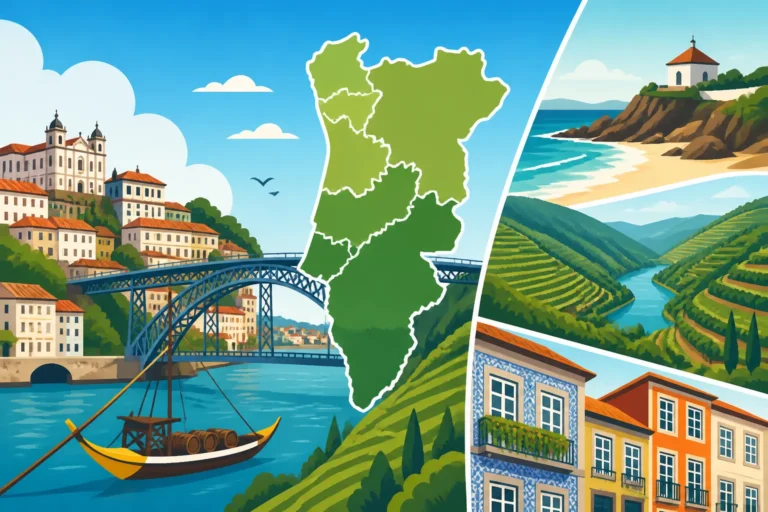
Portugal’s geographical position and varied landscape are truly a winemaker’s dream, creating distinct terroirs that yield an astonishing range of wines. Think about it: you have the cool, verdant Minho region in the north, battered by Atlantic winds, producing crisp, zesty Vinho Verde. Then, journey south and inland to the scorching plains of the Alentejo, where sun-drenched grapes produce rich, full-bodied reds. In between, you have the dramatic, terraced vineyards of the Douro Valley, carved into schist hillsides, and the pine-scented mountains of the Dão.
What truly sets Portugal apart is its commitment to indigenous grape varieties. While you might find international grapes like Cabernet Sauvignon or Syrah, the heart and soul of Portuguese winemaking lie in varieties like Touriga Nacional, Alvarinho, Aragonez, and Baga. These are grapes that have evolved over millennia to perfectly suit their local climate and soil, giving Portuguese wines a unique identity that you simply won't find anywhere else. It’s this connection to tradition and terroir that makes every bottle a story.
Quality and Value: A Pleasant Surprise
One of the most delightful aspects of exploring Portuguese wine, especially for a first-time visitor, is the incredible value it offers. In a world where French, Italian, or Californian wines often come with hefty price tags, Portuguese wines consistently deliver exceptional quality without breaking the bank. You can walk into almost any local supermarket, like Continente or Pingo Doce, and pick up a fantastic bottle of everyday drinking wine for €3-€7. For a special occasion, a €15-€25 bottle will often rival wines costing two or three times as much from other well-known regions.
This affordability doesn't come at the expense of quality. On the contrary, Portugal has invested heavily in modern winemaking techniques while preserving its ancient traditions. The result is a vibrant industry producing award-winning wines that are just waiting to be discovered. It's a wonderful feeling to realize you don't need to splurge to enjoy a truly excellent glass of wine, making it perfect for those wanting to dive deep without emptying their wallets. When considering your overall Cost of Living in Portugal 2026: Detailed Budgets for Singles and Families, you'll find that wine is one area where your money goes a long, long way.
White Wines to Refresh Your Palate
While Portugal is often celebrated for its reds and fortified wines, its white wines are a revelation, especially during the warmer months. They range from light and spritzy to full-bodied and complex, offering something for every preference and pairing.
Vinho Verde: Not Just Green, It's Zesty!
Don't let the name "Vinho Verde" (green wine) mislead you into thinking it's always green in color! The "verde" actually refers to its youth, meaning these wines are typically released young and are meant to be enjoyed fresh. Hailing from the verdant Minho region in the north, Vinho Verde is renowned for its vibrant acidity, light body, and often a slight, refreshing effervescence that tickles the tongue. It's sunshine in a glass, perfect for a hot afternoon.
The primary grape varieties you'll encounter are Alvarinho, Loureiro, and Arinto, often blended. Alvarinho wines, especially those from the Monção and Melgaço sub-regions, are typically more structured, aromatic, and less spritzy, boasting notes of peach and tropical fruit. Loureiro, on the other hand, often delivers a delightful floral and citrus profile. These wines are practically made to be paired with Portugal's abundant fresh seafood, from grilled sardines to bacalhau. Imagine sitting by the coast, a plate of percebes in front of you, and a chilled glass of Vinho Verde – pure bliss!
Alentejo Whites: Sun-Kissed Elegance
Moving south to the vast, sun-drenched plains of the Alentejo, you'll find a completely different style of white wine. Here, the warmer climate leads to fuller-bodied, richer, and more aromatic whites. While they retain a refreshing acidity, they often present a rounder mouthfeel and notes of ripe tropical fruit, honey, or even subtle vanilla if aged in oak. Grapes like Antão Vaz, Arinto, and Roupeiro are the stars of this region.
Alentejo whites are fantastic with slightly richer dishes, perhaps a creamy rice dish (arroz de marisco) or a pork and clam stew (carne de porco à alentejana). They offer a lovely balance between freshness and complexity, demonstrating the versatility of Portuguese white wines. If you’re looking for something that has a bit more depth and character than a typical crisp white, an Alentejo white will be a delightful discovery.
Dão and Douro Whites: Structured and Complex
While the Douro and Dão regions are globally famous for their robust red wines and, in the Douro's case, Port, their white wines are increasingly gaining recognition for their quality and complexity. The Douro whites, often made from traditional Port grape varieties like Rabigato, Viosinho, Gouveio, and Malvasia Fina, exhibit striking minerality, good structure, and often hints of almond or stone fruit. They can be incredibly gastronomic and age beautifully, developing further layers of flavor over time.
In the Dão region, the Encruzado grape is the undisputed queen of white wines. Dão Encruzado wines are known for their elegance, floral aromas, and exceptional aging potential. They can range from un-oaked, fresh expressions with citrus and pine notes to rich, barrel-fermented versions with nutty, buttery characteristics reminiscent of Burgundy. These are wines that truly challenge the perception of Portuguese whites and are a must-try for any serious wine lover looking for something unique and profound.
Red Wines to Savor and Explore
Portugal's red wines are where many visitors truly fall in love with the country's vinous offerings. From the powerful, earthy blends of the Douro to the smooth, fruit-forward wines of the Alentejo, there's a red for every palate and occasion.
Douro Reds: Bold, Rich, and Full of Character
The Douro Valley, with its dramatic, terraced vineyards clinging to steep hillsides, is not just the birthplace of Port wine; it also produces some of Portugal's most celebrated table reds. The same indigenous grape varieties used for Port – primarily Touriga Nacional, Touriga Franca, Tinta Roriz (Tempranillo), and Tinta Barroca – are blended to create powerful, concentrated, and complex dry red wines. These wines are typically full-bodied, with rich dark fruit flavors, hints of spice, tobacco, and often a backbone of firm tannins that promise excellent aging potential.
A glass of Douro red is the perfect accompaniment to hearty Portuguese cuisine, such as roasted lamb (borrego assado) or succulent grilled meats (carne grelhada). The intensity of these wines can stand up to the richest flavors, making them an ideal choice for a celebratory dinner. Exploring this region, perhaps on a wine tour booked through a service like GetYourGuide, allows you to truly appreciate the landscape that gives birth to such incredible wines. You could also find fantastic places to stay via Booking.com if you want to spend a few days immersed in the region.
Alentejo Reds: Smooth, Fruity, and Approachable
If the Douro reds are the powerful titans, then Alentejo reds are their warm, welcoming cousins. Hailing from the expansive Alentejo region, these wines benefit from abundant sunshine, resulting in fruit-forward, often softer, and incredibly approachable reds. While they can still have significant body and structure, they tend to have smoother tannins and ripe fruit flavors – think plums, berries, and often a touch of vanilla or cocoa from oak aging.
Common grape varieties include Aragonez (known as Tempranillo elsewhere), Trincadeira, Alicante Bouschet, and Touriga Nacional. Many Alentejo reds are fantastic for everyday drinking, pairing wonderfully with a wide range of dishes, from charcuterie boards to traditional Portuguese stews. They represent excellent value and are a great starting point for those new to Portuguese reds, offering a comforting and satisfying experience.
Bairrada and Dão Reds: Earthy, Aromatic, and Age-Worthy
For those seeking something a bit more adventurous and traditional, the regions of Bairrada and Dão offer distinctive red wines that speak volumes about Portugal's diverse winemaking heritage.
Bairrada, located on the Atlantic coast, is famous for its often challenging yet incredibly rewarding Baga grape. Baga wines are characterized by high acidity, firm tannins, and deep, earthy flavors of red berries, forest floor, and sometimes a hint of iodine. When young, they can be quite rustic, but with age, they transform into elegant, complex wines that rival top Nebbiolo or Pinot Noir. They are excellent with roasted pork (leitão assado), a regional specialty.
The Dão region, nestled in a mountainous area, produces elegant and aromatic reds, often dominated by Touriga Nacional, blended with Tinta Roriz and Alfrocheiro. Dão reds are known for their balance, freshness, and delicate perfume of violets and red fruits, often with an earthy, mineral undertone. They are less overtly powerful than Douro wines but offer a refined complexity that unfolds beautifully with each sip. These are truly wines of subtlety and finesse, perfect for thoughtful contemplation with a plate of local cheeses.
Sweet & Fortified Wines: The Iconic Portuguese Indulgence
No discussion of Portuguese wine would be complete without diving into the world of its sweet and fortified treasures, led by the globally renowned Port and the fascinating Madeira. These are not just drinks; they are historical artifacts, liquid legacies of Portugal's maritime past and winemaking ingenuity.
Port Wine: A World of its Own
Ah, Port! For many, this is the Portuguese wine, and for good reason. Produced exclusively in the Douro Valley, Port is a fortified wine, meaning grape spirit (aguardente) is added during fermentation to stop the process, leaving residual sugar and a higher alcohol content. This unique method creates a diverse range of styles, each with its own charm.
- Ruby Port: The youngest and most vibrant style, aged briefly in large oak vats. It's bursting with fresh red fruit flavors (cherry, blackberry) and is often the most accessible entry point. Great with chocolate desserts.
- Tawny Port: Aged longer in smaller oak barrels, allowing it to oxidize and develop nutty, caramel, and dried fruit flavors. The color mellows to a tawny brown. Tawny Ports are often labeled with an age (10, 20, 30, 40 years) indicating the average age of the blend. Fantastic with nutty cheeses or a traditional Portuguese pastel de nata.
- Late Bottled Vintage (LBV): A single-vintage Port, aged in cask for 4-6 years before bottling. It offers the richness of a Vintage Port but without the need for extensive cellar aging, ready to drink upon release.
- Vintage Port: The pinnacle of Port production, made from the best grapes of an exceptional harvest. It’s bottled after only two to three years and then ages in the bottle for decades, developing incredible complexity and sediment. A true connoisseur's delight.
Whether you prefer the youthful exuberance of a Ruby or the complex elegance of a 20-year Tawny, exploring Port is an essential part of any first-time visitor's wine journey. You can learn more about Portuguese Coffee Culture and Restaurant Etiquette: Ordering Like a Local to ensure you know the best time to enjoy these after-dinner delights.
Madeira Wine: The Indestructible Treasure
Hailing from the volcanic island of Madeira, this fortified wine is perhaps the most unique in the world, renowned for its incredible longevity and distinct character. Madeira wine undergoes a process called estufagem (heating) or canteiro (aging in warm lofts), mimicking the long, hot sea voyages of old. This deliberate exposure to heat and oxygen gives Madeira its signature nutty, caramelized, and sometimes smoky flavors.
Madeira wines come in various sweetness levels, traditionally named after the grape varieties used:
- Sercial: The driest style, often served as an aperitif, with high acidity and notes of citrus peel.
- Verdelho: Medium-dry, with smoky, honeyed notes and a refreshing acidity.
- Boal (Bual): Medium-sweet, with rich, nutty, and dried fruit flavors.
- Malvasia (Malmsey): The sweetest style, luscious and rich, with notes of molasses and dried fruits.
Madeira is virtually indestructible once opened, making it a fantastic souvenir. It pairs beautifully with rich desserts, cheese, or even as a cooking wine.
Moscatel de Setúbal: The Fragrant Dessert Wine
Often overlooked in favor of its more famous fortified cousins, Moscatel de Setúbal is a true gem from the Setúbal Peninsula, just south of Lisbon. This sweet, aromatic fortified wine is made primarily from the Moscatel de Alexandria grape, known for its intense floral, citrus blossom, and honeyed notes. It’s typically aged in oak, which adds complexity and richness, sometimes developing hints of orange marmalade or dried figs.
Moscatel de Setúbal is a versatile wine, delightful as an aperitif, chilled before a meal, or as a decadent dessert wine with fruit tarts or crème brûlée. It offers a fragrant, lighter alternative to Port, demonstrating yet another facet of Portugal’s incredible fortified wine tradition. If you’re exploring the area, perhaps check out a Lisbon Neighborhood Guide: Best Areas for Expats and Digital Nomads for ideas on where to stay and then take a day trip to Setúbal.
Tips for First-Time Wine Explorers in Portugal
Embarking on your Portuguese wine journey is an adventure, but a few practical tips can make it even more enjoyable and less intimidating.
How to Order Wine in Restaurants
Navigating a Portuguese wine list in a restaurant can be a bit daunting if you're not familiar with the regions or grapes. Don't be afraid to ask for help! Most restaurants, especially in tourist areas, will have staff who speak English.
- Vinho da Casa: The "house wine" is often a perfectly decent, affordable option. It might just be labeled "Tinto" (red) or "Branco" (white). It's a great way to try local, unpretentious wine.
- Ask for Recommendations: Politely say, "Pode recomendar um vinho tinto/branco seco, por favor?" (Can you recommend a dry red/white wine, please?). If you know what kind of flavors you like (fruity, full-bodied, light), describe them.
- Glass or Bottle: Ask for "um copo de vinho" (a glass of wine) or "uma garrafa de vinho" (a bottle of wine).
- Practice Your Portuguese: Even a few basic phrases can go a long way. Consider Learning European Portuguese: Top Apps, Tutors, and Free Government Classes to enhance your experience.
Visiting Wineries and Tasting Rooms
Visiting the source of these incredible wines is an experience not to be missed. The major wine regions—Douro, Alentejo, Vinho Verde, Dão—all offer fantastic opportunities for winery tours and tastings. Many quintas (wine estates) are open to the public, providing guided tours of their vineyards and cellars, often culminating in a tasting session.
It's usually best to book in advance, especially during peak season. You can find many tours and experiences on platforms like GetYourGuide, which often include transport from major cities like Porto or Lisbon. If you plan to drive yourself, remember that roads in wine regions can be winding, and tasting means you’ll need a designated driver. Alternatively, for those visiting the north, checking out a Porto Neighborhood Guide: Where to Live for Culture, Tech, and Family might inspire a longer stay to explore the surrounding Vinho Verde and Douro regions more thoroughly. For the south, The Algarve for Expats: Lagos, Faro, and Tavira Compared could offer insights into wine experiences in that area.
Buying Wine: Supermarkets vs. Specialty Shops
For your everyday drinking needs, Portuguese supermarkets are incredibly well-stocked with a vast selection of excellent and affordable wines. Look for brands that have won awards, which are often clearly marked. Don't shy away from trying the lesser-known regional wines; they often surprise you. For more detailed insights into general shopping, refer to our guide on Daily Life in Portugal: Supermarkets, Language, and Cultural Etiquette.
If you're looking for something special, a particular vintage, or want expert advice, head to a garrafeira (wine shop). These specialty stores have knowledgeable staff who can guide you through their curated selection, including older vintages and rarer bottles. They are also perfect for picking up unique gifts. When making your purchases, remember that Using the MB Way app: Why it’s better than carrying cash in Portugal can be a convenient way to pay at many establishments.
Here's a quick overview of some essential Portuguese wines for your first taste:
| Wine Type | Region | Key Characteristics | Typical Grapes | Best Pairings |
|---|---|---|---|---|
| Vinho Verde | Minho | Light, crisp, high acidity, slight effervescence, citrus, green apple | Alvarinho, Loureiro, Arinto | Seafood, salads, light appetizers |
| Alentejo White | Alentejo | Fuller-bodied, aromatic, tropical fruit, sometimes oak-aged | Antão Vaz, Arinto, Roupeiro | Creamy pasta, poultry, richer fish dishes |
| Douro Red | Douro Valley | Bold, full-bodied, dark fruit, spice, firm tannins | Touriga Nacional, Tinta Roriz | Red meats, stews, strong cheeses |
| Alentejo Red | Alentejo | Smooth, fruit-forward, ripe berries, often softer tannins | Aragonez, Trincadeira | Grilled pork, charcuterie, everyday meals |
| Bairrada Red | Bairrada | High acidity, firm tannins, red fruits, earthy, age-worthy | Baga | Roast suckling pig (leitão), game meats |
| Port Wine | Douro Valley (fortified) | Sweet, rich, diverse styles (Ruby, Tawny, Vintage), high alcohol | Touriga Nacional, Tinta Roriz | Desserts (chocolate, cheese), nuts, coffee |
| Madeira Wine | Madeira (fortified) | Unique nutty, caramelized, smoky flavors, high acidity | Sercial, Verdelho, Boal, Malvasia | Rich desserts, cheese, consommé (Sercial) |
| Moscatel de Setúbal | Setúbal (fortified) | Aromatic, floral, honeyed, orange zest | Moscatel de Alexandria | Fruit tarts, crème brûlée, aperitif |
Disclaimer
The information provided in this guide is intended for general informational purposes only and does not constitute professional advice. While we strive to keep the information accurate and up-to-date, details regarding wine production, availability, and specific pairings can change. Always consult with local experts or official sources for the most current information. Please drink responsibly.