How to Take a Douro River Cruise
Disclosure: This article contains affiliate links. If you buy through them, we may earn a commission at no extra cost to you. Read our full disclosure.
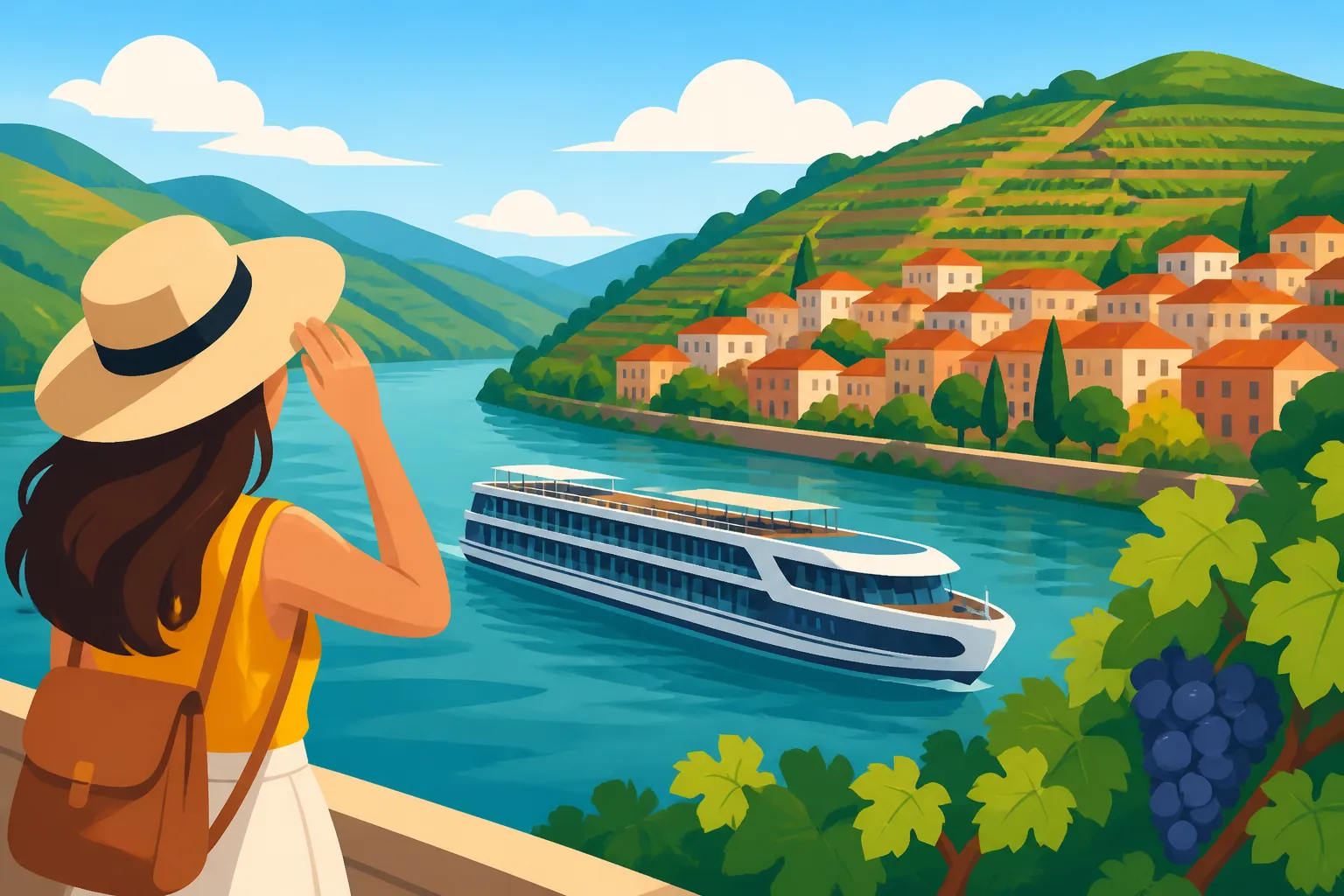
The Douro River Valley is one of Portugal's true treasures, a breathtaking landscape of terraced vineyards and ancient villages carved into dramatic hillsides. However, if you're an expat or a tourist looking to experience it from the water, the sheer number of cruise options can feel utterly overwhelming. From quick jaunts under Porto's bridges to luxurious multi-day voyages deep into wine country, knowing where to start is half the battle. This guide is here to demystify the process, helping you pick the perfect Douro River cruise for your adventure.
Understanding Your Douro River Cruise Options
When you first start looking into Douro River cruises, you'll quickly realize it's not a one-size-fits-all experience. There's a whole spectrum of journeys available, each offering a distinct way to immerse yourself in the valley's beauty. It’s important to clarify what you're looking for – a quick taste or a deep dive – before you even consider booking.
Day Trips from Porto vs. Multi-Day Journeys
The most common decision people face is between a short day trip out of Porto and a more expansive multi-day adventure. Both have their charm and their challenges, and understanding these differences will guide your choice.
Day trips are incredibly popular, especially for those with limited time or who are based in Porto. These typically involve a boat ride upriver, often reaching destinations like Régua or Pinhão, with a return journey by either train or bus. The great appeal here is efficiency; you get to see some of the most iconic Douro landscapes, perhaps enjoy a meal and a wine tasting, and be back in Porto by evening. For example, a classic day trip might see you departing from Porto’s Ribeira in the morning, cruising past the stunning terraced vineyards and locks like Carrapatelo and Bagaúste, arriving in Régua for lunch and a visit to a local quinta, before hopping on a picturesque train ride back along the river. While these trips offer a wonderful snapshot, they can feel a bit rushed, and you might find yourself wishing you had more time to simply soak in the tranquility of the valley. The journey upriver, especially through the locks, can be slow, making the train or bus return a practical choice for getting back to Porto faster.
On the other end of the spectrum are the multi-day cruises. These are for those seeking a truly immersive and often luxurious experience. Imagine waking up to the gentle rocking of the boat, stepping out onto your private balcony with a coffee, and watching the morning mist rise over the vineyards. These cruises typically last anywhere from three to seven nights and usually include all meals, drinks, and excursions to various quintas for wine tastings, cultural sites, and charming villages. The vessels themselves are often more akin to floating boutique hotels, complete with amenities like pools, spas, and gourmet restaurants. The pace is much slower, allowing for a deeper appreciation of the region, and you get to venture further upriver, sometimes all the way to the Spanish border at Barca d'Alva. The downside, of course, is the significant cost and time commitment, making them a larger investment for your Portugal travel plans. However, for many, the unparalleled comfort and comprehensive exploration make it an unforgettable experience, far removed from the hustle and bustle of city life, much like settling into a new routine after moving to Portugal as an expat, which is a journey in itself.
Types of Vessels and Experiences
Beyond the duration, the kind of boat you choose and the experiences it offers will also shape your cruise. The Douro is diverse, and so are its floating experiences.
For a quintessential Porto experience, you might opt for a short trip on a traditional rabelo boat. These flat-bottomed wooden boats, once used to transport barrels of port wine from the valley to the cellars in Vila Nova de Gaia, now mostly serve tourists. These are iconic, though often less comfortable, and generally used for shorter journeys, like the popular "Six Bridges Cruise" in Porto itself. This 50-minute tour is a fantastic way to get an initial feel for the river and see the city from a different perspective, gliding under the famous Dom Luís I Bridge and past the historic Ribeira district. It's a great little appetizer for the longer trips upriver.
If you’re heading further into the valley, you’ll typically be on a modern tourist boat. These vessels vary widely in size and amenities. Some are simple, no-frills boats designed for transportation with a deck for viewing, while others are equipped with indoor seating, restrooms, and sometimes even a snack bar or small restaurant. They often have large panoramic windows, making sure you don't miss any of the stunning scenery. These are the workhorses of the day trips, providing comfortable passage through the locks and past the terraced hills. The commentaries are usually pre-recorded or delivered by a guide, often in multiple languages, making it easy for expats and tourists alike to follow along.
Then there are the luxury river cruise ships, which predominantly cater to the multi-day tours. Companies like Douro Azul, one of the major operators, offer these sophisticated vessels. They are much larger, featuring spacious cabins, fine dining, lounges, and sun decks with plunge pools. The focus here is on comfort, service, and an all-inclusive experience. On these cruises, the journey itself is as much a part of the destination as the stops along the way. You might find organized wine tastings onboard, lectures on the history of the Douro Valley, and evening entertainment, creating a truly pampered escape. This level of service is quite a contrast to the basic public transportation you might find in some parts of Portugal, but it's all about matching the experience to your expectations and budget.
Finally, for those seeking ultimate privacy and customization, private tours are available. You can charter smaller boats, often with a dedicated skipper and sometimes a chef, allowing you to tailor your itinerary completely. This is perfect for special occasions, small groups, or individuals who want to explore at their own pace, perhaps spending more time at a particular quinta or finding a secluded spot for a picnic. Of course, this personalized luxury comes at a premium, but it offers unmatched flexibility.
Navigating the Douro Valley: Key Destinations and Highlights
The Douro River itself is a journey, and where you start and how far you go will define your experience. Each stretch of the river, and each village along its banks, offers something unique to discover.
Porto: The Starting Point
For most, Porto is the natural gateway to the Douro Valley. The city itself is a marvel, with its historic center, winding alleys, and stunning views over the river. Before you even set sail on a longer cruise, a short river cruise from Porto is almost obligatory. The most famous is the "Six Bridges Cruise," which, as the name suggests, takes you under all six of Porto's impressive bridges, including the iconic double-deck metal arch of the Dom Luís I Bridge. It’s a fantastic introduction to the city's unique relationship with its river and provides picture-perfect views of the colorful houses of Ribeira on one side and the towering Port wine cellars of Vila Nova de Gaia on the other. You can easily book tickets for these short cruises from kiosks along the Ribeira waterfront or through platforms like GetYourGuide for convenience.
While in Porto, don't miss the opportunity to explore the Port wine cellars in Gaia, many of which offer tours and tastings. Companies like Graham's, Taylor's, and Cálem provide fascinating insights into the history and production of Port wine. You could spend an entire afternoon here, learning about the region's most famous export before embarking on your river journey. This historical context really enriches the experience of seeing the vineyards upriver. For more general travel insights, our Living in Portugal Guide 2027: The Complete Relocation Manual for Expats is a great resource.
Régua and Pinhão: The Heart of Wine Country
As you venture further east, away from the Atlantic coast, the landscape transforms dramatically. The river narrows, the hills rise steeply, and the terraced vineyards, known as socalcos, become the dominant feature. The towns of Régua and Pinhão are often considered the heart of the Alto Douro Wine Region, a UNESCO World Heritage site, and are frequently the main destinations for day trips.
Peso da Régua, or simply Régua, is a significant hub in the Douro Valley. It's often the turnaround point for many day cruises from Porto. Here, you'll find the Douro Museum (Museu do Douro), which offers an excellent overview of the region's history, viticulture, and culture. The museum is housed in a beautifully restored 18th-century building and is definitely worth a visit if your cruise includes a stop. Régua itself is a bustling town, a commercial center for the wine industry, and offers various restaurants and shops where you can sample local delicacies. Many day trips will allow for a meal here, often with traditional Portuguese dishes, before continuing the journey or heading back to Porto.
A little further upriver lies Pinhão, often hailed as the most picturesque village in the Douro Valley. It’s postcard-perfect, nestled amidst rolling vineyards, with its charming train station famous for its azulejo tiles depicting scenes of winemaking and rural life. Many of the most renowned Port wine quintas (wine estates) are located around Pinhão, making it a prime spot for vineyard tours and tastings. Some cruises will dock here, allowing you to visit a quinta like Quinta do Bomfim, Quinta das Carvalhas, or Quinta da Roêda. Walking through the vineyards, learning about the grape varietals, and tasting the wine in the very place it’s produced is an unforgettable experience. If your itinerary allows, a stay in a charming guesthouse or a wine hotel in Pinhão can be truly magical, especially during harvest season. To understand more about getting around Portugal, especially for visiting places like Pinhão, check out our guide on Public Transport and Driving in Portugal: Trains, Tolls, and Licenses.
Beyond the Mainstream: Exploring Further Upriver
While Régua and Pinhão capture the essence of the Douro, pushing further east reveals a wilder, more serene side of the valley. The further you go, the fewer the towns and the more dramatic the natural beauty.
Destinations like Foz Côa are accessible from the river, known for the stunning Vale do Côa Archaeological Park, a UNESCO site famous for its prehistoric open-air rock art. This area offers a different kind of cultural immersion, showcasing human history stretching back millennia. A visit here usually requires a dedicated excursion from your cruise, often involving a bus trip from a nearby port. It’s a powerful experience, contrasting the ancient with the modern winemaking traditions.
For the most expansive journeys, especially on multi-day cruises, you might reach Barca d'Alva, close to the Spanish border. This is where the Douro River leaves Portugal. This far upriver, the landscape becomes incredibly rugged and remote, with few signs of human habitation beyond the occasional quinta. The tranquility is profound, and the sense of being truly "away from it all" is palpable. Cruising this stretch offers unparalleled photo opportunities and a feeling of peace that is hard to find elsewhere. This part of the Douro is less about bustling towns and more about the raw, untamed beauty of nature, punctuated by the careful cultivation of grapes on impossibly steep slopes. For those looking for quieter, more authentic corners of Portugal, understanding the pace of life in regions further from Lisbon or Porto is key, something touched upon in our Cost of Living in Portugal 2026: Detailed Budgets for Singles and Families when considering different lifestyles.
Practicalities: Booking, Timing, and What to Expect
Once you've decided on the type of cruise and the general area you want to explore, it's time to iron out the logistics. Timing, booking methods, and knowing what to expect can make or break your Douro River adventure.
When to Go and How Long to Book
Choosing the right time of year is crucial for a Douro River cruise.
- Spring (April to May): This is arguably one of the best times. The hillsides burst into bloom with wildflowers, the weather is pleasantly mild, and the vineyards are vibrant green. It's less crowded than summer, and the temperatures are ideal for being out on the deck.
- Autumn (September to October): This period is equally magical, as it's harvest season (vindima). The vineyards turn stunning shades of gold, amber, and russet, and there's a palpable energy in the air as grapes are picked. The weather remains pleasant, often sunny, though evenings can get cool. This is also a very popular time, so expect more crowds.
- Summer (June to August): While popular, summer can be very hot in the Douro Valley, with temperatures often soaring well above 30°C (86°F). Ensure your boat has air conditioning if you travel during these months, and always bring plenty of sun protection. The river will be busy, and prices might be higher.
- Winter (November to March): The valley is much quieter in winter, with many quintas and tour operators scaled back or closed. The landscape can be stark but beautiful, sometimes with misty mornings that lend a mystical air. However, the weather can be chilly and rainy, and some services might not be available. If you choose winter, confirm operations beforehand.
As for how long to book, if you're doing a day trip, most itineraries are fixed. For multi-day cruises, consider your budget and interest. A 3-night cruise can give you a good taste, while a 7-night cruise offers a comprehensive exploration. Booking well in advance is essential, especially for spring and autumn, as these are peak seasons. Don't underestimate how quickly these popular cruises fill up!
Booking Your Douro Cruise
You have several avenues for booking, each with its own advantages.
One of the easiest ways for many expats and tourists is through online travel platforms. Websites like GetYourGuide and Omio offer a wide selection of day trips and shorter excursions from Porto, allowing you to compare prices, read reviews, and book instantly. You can filter by duration, inclusions (like lunch or wine tasting), and departure points. Another great resource for accommodation alongside your cruise is Booking.com, which often lists cruise packages that include hotel stays, or simply helps you find a place to rest your head in Porto or other Douro towns before or after your river adventure. These platforms provide a convenient one-stop shop, especially if you're still planning other aspects of your trip to Portugal.
Alternatively, you can book directly with the major cruise operators in Portugal. Companies such as Douro Azul, Rota do Douro, and Tomaz do Douro are well-established and offer a range of options from short Porto tours to multi-day luxury cruises. Booking directly allows you to ask specific questions and sometimes find unique packages not available elsewhere. It also gives you direct access to their customer service in case of any issues.
When comparing options, pay close attention to what's included in the price.
- Meals: Is lunch included? What about drinks? Some cruises offer simple packed lunches, while others provide gourmet dining experiences.
- Wine Tastings: Are visits to quintas and wine tastings part of the package, or are they optional extras?
- Transportation: For day trips, how do you return to Porto? Is it a train, bus, or another boat? Confirm this detail, as a scenic train ride back can be a highlight in itself.
- Guided Tours: Is there an English-speaking guide providing commentary, or just pre-recorded audio?
Here's a quick comparison of popular cruise types:
| Cruise Type | Duration | Typical Starting Point | Key Inclusions | Price Range (Approx. 2026) | Best For |
|---|---|---|---|---|---|
| Six Bridges Cruise | 50 mins | Porto (Ribeira/Gaia) | Scenic views of Porto bridges & riverfront | €15-€20 | Quick introduction, short on time |
| Day Trip to Régua/Pinhão | 8-10 hours | Porto | Boat ride, return by train/bus, often lunch/wine tasting | €70-€150 | First-timers, immersive day experience |
| Overnight/2-Day Cruise | 2 days / 1 night | Porto | Full board, excursions, vineyard visit, overnight on board | €250-€500 | Deeper dive, more relaxed pace |
| Multi-Day Luxury Cruise | 3-7 nights | Porto | All-inclusive, gourmet meals, multiple excursions, premium amenities | €1,000 – €3,000+ per person | Luxury, comprehensive exploration, relaxation |
| Private Charter (Half/Full Day) | 4-8 hours | Porto/Pinhão | Customizable itinerary, private skipper, often meals/drinks | €400-€1000+ | Special occasions, privacy, bespoke experience |
Prices are estimates and can vary significantly based on operator, season, and specific inclusions.
Essential Tips for a Smooth Trip
A little preparation can go a long way in ensuring your Douro River cruise is as enjoyable as possible.
- Dress in Layers: Even if the day starts warm, the breeze on the river can be chilly, especially if you're passing through a lock or if it's an evening return. Bring a light jacket or shawl. Comfortable shoes are also a must, particularly if your cruise includes walking tours of vineyards or villages.
- Sun Protection: The sun in the Douro Valley can be intense, even in spring and autumn. A wide-brimmed hat, sunglasses, and high-SPF sunscreen are non-negotiable, especially if you plan to spend time on the open deck.
- Hydration and Snacks: While many cruises offer refreshments, it's always a good idea to bring your own water bottle, especially on warmer days. If your cruise doesn't include all meals, having some snacks on hand can prevent any mid-journey grumbles.
- Motion Sickness: The Douro River is generally calm, but if you're prone to motion sickness, consider bringing medication as a precaution, just in case. The gentle swaying of the boat, combined with the motion through the locks, can occasionally be noticeable for some.
- Language: While many cruise staff and guides speak English, especially on larger tour boats, knowing a few basic Portuguese phrases can enhance your experience. Even a simple "Olá" (hello) or "Obrigado/a" (thank you) goes a long way culturally. If you're really keen to delve into the language, you might find our article on Learning Portuguese for Career Growth: Certificates and Business Language inspiring, even for leisure.
- Accessibility: If you or someone in your party has mobility challenges, inquire about the boat's accessibility beforehand. Some older rabelo boats might have steep steps, while modern cruise ships are often more accommodating. Confirm details about disembarkation points and accessibility at quintas or other excursion sites.
- Emergency Preparedness: While highly unlikely, it's always good to know basic emergency procedures. Most boats will have life vests and safety briefings. For any medical concerns or emergencies during your stay in Portugal, remember the national emergency number, 112, which is covered in our Emergency Medical Care in Portugal: Calling 112 and Going to the Hospital guide. For general health advice, our Healthcare in Portugal for Expats: The Complete 2026 Medical Guide is also a comprehensive resource.
Taking a Douro River cruise is a truly memorable way to experience Portugal's stunning wine region. By understanding your options, knowing what to expect, and doing a bit of planning, you can ensure your journey down this magnificent river is everything you dreamed of and more.
Disclaimer
The information provided in this guide is for general informational purposes only and does not constitute professional advice. While we strive to keep the information up-to-date and accurate, details such as prices, schedules, and specific regulations can change. Always verify information with official sources or service providers before making any travel arrangements.