How to Plan a Douro Valley Wine Tour
Disclosure: This article contains affiliate links. If you buy through them, we may earn a commission at no extra cost to you. Read our full disclosure.
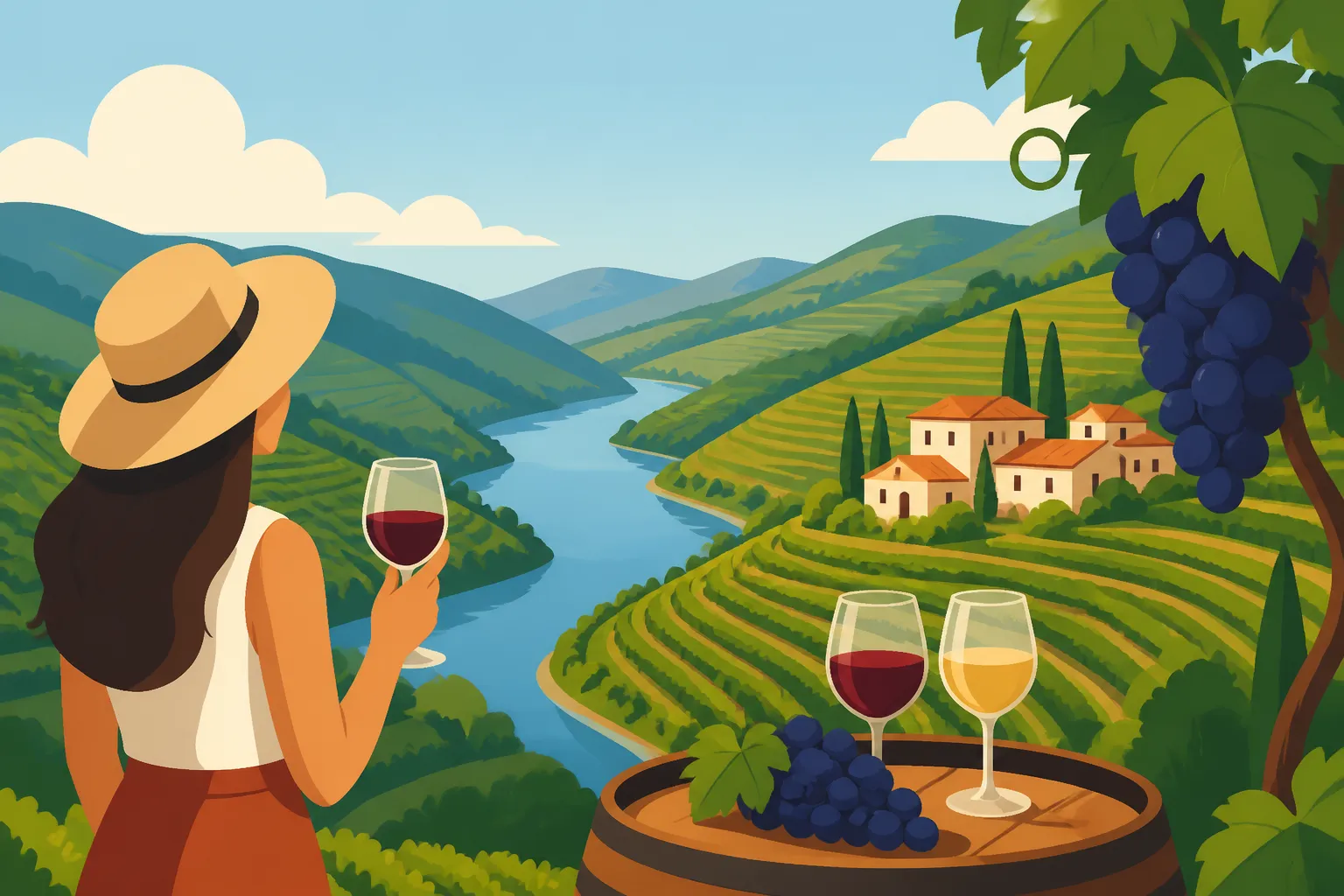
Ah, the Douro Valley! Just hearing the name conjures images of terraced vineyards clinging to steep hillsides, the river winding its way through a landscape carved by centuries of human endeavor, and, of course, the promise of exceptional Port wine. It's a truly iconic part of Portugal, a UNESCO World Heritage site, and an absolute must-visit for anyone living here or just passing through. However, planning a trip there can feel a bit daunting, especially when you're grappling with a new country's logistics. This guide is here to cut through the confusion, helping you design an unforgettable Douro Valley wine tour that suits your style, pace, and budget.
Understanding the Douro Valley: More Than Just Wine
Let's get one thing straight: the Douro Valley isn't just about the wine, though that's certainly a magnificent draw. It's a place steeped in history, where the very landscape tells a story of perseverance, innovation, and a deep connection to the land. For centuries, the Douro region has been the heart of Port wine production, a legacy that continues to shape its culture, economy, and breathtaking scenery.
Geography and Sub-Regions
The Douro Valley stretches inland from Porto, roughly following the Douro River, and is traditionally divided into three distinct sub-regions, each with its own characteristics that influence the grapes grown and the wines produced. Understanding these can help you decide which part of the valley you want to explore.
First, there's the Baixo Corgo, the westernmost sub-region, closest to Porto. It's known for its milder climate and higher rainfall, producing lighter, fruitier Ports that tend to age faster. This area is often the most accessible for day-trippers from Porto and still offers stunning views, though perhaps not the dramatic, arid landscapes further east. Towns like Peso da Régua, often considered the gateway to the Douro, fall within this region. The vineyards here are verdant and abundant, but the sheer scale of the terraced hills might feel less intense than in the middle or upper Douro.
Moving eastward, you enter the Cima Corgo, which is widely regarded as the heartland of quality Port wine production. This is where you'll find iconic towns like Pinhão, positioned right on a bend of the river, surrounded by some of the most spectacular vineyard landscapes imaginable. The climate here is hotter and drier, leading to more concentrated grapes and wines with greater complexity and aging potential. Most of the famous quintas (wine estates) are located in this stretch, making it a popular choice for those seeking a truly immersive wine experience. The views from the winding roads here are simply breathtaking, a testament to the sheer effort involved in cultivating these steep slopes.
Finally, further inland, lies the Douro Superior. This is the hottest, driest, and least cultivated of the three regions, bordering Spain. Its landscapes are wilder, more remote, and perhaps less manicured than the Cima Corgo, but it's gaining recognition for producing incredibly powerful, concentrated wines. If you're looking to escape the crowds and delve into a more rugged, authentic Douro experience, and you don't mind a longer journey, the Douro Superior offers a unique perspective. It feels like stepping back in time, with vast, unbroken stretches of land dedicated to vineyards, olives, and almonds.
The History and Significance of Port Wine
Port wine is intrinsically linked to the Douro Valley, and its story is one of international trade, ingenious engineering, and a unique terroir. Originating in the 17th century when English merchants sought alternatives to French wines, they discovered that fortifying the wine with brandy during fermentation preserved its sweetness and stability for long sea voyages. This process, known as fortification, halts fermentation early, leaving residual sugar and a higher alcohol content, creating the distinctive style of Port.
The Douro was officially delineated as a wine region in 1756 by the Marquês de Pombal, making it one of the world's first demarcated and regulated wine regions. This historic decision aimed to ensure quality and prevent fraud, establishing a system that still, in essence, protects the integrity of Port wine today. The terraced vineyards, known as socalcos or patamares, are a monumental feat of human engineering, painstakingly built by hand over centuries to allow viticulture on seemingly impossible slopes. These terraces are not just visually stunning; they represent an enduring human struggle and triumph over nature, allowing the vines to capture optimal sunlight and drainage.
When you visit, you're not just tasting a drink; you're savoring a piece of living history, a direct link to the people who have shaped this land for generations. Many quintas have been family-owned for centuries, passing down traditional methods while also embracing modern sustainable practices. The passion and pride in their product are palpable, making every tasting a lesson in heritage.
Best Time to Visit
Timing your Douro Valley visit can significantly impact your experience. Each season offers something different, so it's worth considering what you're hoping to get out of your trip.
The spring (April to May) is a glorious time, with wildflowers blooming across the terraces and a fresh, vibrant green covering the vineyards. The weather is generally pleasant, not too hot, and ideal for exploring. Crowds are moderate, and prices for accommodation and tours are usually more reasonable than in peak summer. This is a fantastic period for scenic river cruises and leisurely drives without the intensity of summer heat.
Summer (June to August) is the peak tourist season. The weather is hot, often reaching the high 30s°C (90s°F), especially in July and August. The vineyards are lush and green, heavy with ripening grapes. This is a popular time for river cruises and enjoying the warm evenings outdoors. However, expect larger crowds, higher prices, and the need to book everything well in advance. For those sensitive to heat, exploring vineyards during midday can be uncomfortable, so early mornings and late afternoons are your best bet.
The harvest season (late August to early October) is arguably the most exciting time to visit. The air hums with activity as grapes are picked, often still by hand, and many quintas offer special harvest experiences, including grape stomping (traditional lagar treading). The vine leaves start to turn golden, amber, and crimson, painting the valley in spectacular autumn hues. The weather remains pleasant, though cooler, and the energy is infectious. This is a highly sought-after period, so booking accommodation and specific harvest experiences months in advance is absolutely essential.
Winter (November to March) brings a quieter, more contemplative beauty to the Douro. The landscapes can be stark but dramatic, especially after rainfall or with a crisp, clear sky. Some quintas might operate on reduced schedules, but you'll find fewer tourists and potentially better deals on lodging. If you enjoy cozying up by a fireplace with a glass of Tawny Port and appreciate solitude, this could be a charming time. Just be aware that some smaller establishments may be closed, and river cruises might be less frequent. Roads can also be trickier in wet conditions.
Transportation Options: Getting There and Getting Around
One of the biggest questions expats and tourists face when planning a Douro Valley trip is how to get there and, once there, how to navigate the region. It's not as straightforward as hopping on a metro, and understanding your options is key to a smooth journey.
Self-Driving vs. Guided Tours vs. Public Transport
Each mode of transport offers a different flavor of experience, with its own set of pros and cons.
Self-Driving:
- Pros: Maximum flexibility! You can stop wherever you want, explore charming villages off the beaten path, and set your own schedule. This is ideal if you want to spend multiple days in the region and explore different sub-regions at your leisure. The drive itself, especially along roads like the N222 (voted one of the world's best driving roads), is part of the adventure. You can pick up a rental car from Porto airport or city center. For expats, remember that if you're living in Portugal, you might eventually need to consider Driving in Portugal: Exchanging Your Foreign License to a Portuguese One.
- Cons: Those beautiful, winding roads I mentioned? They can be challenging, particularly if you're not used to narrow, steep, and curvy mountain roads. Parking can also be tricky in smaller towns and at some quintas. And, of course, someone needs to be the designated driver, meaning they can't fully indulge in the wine tastings. Fuel costs and potential tolls (for which knowing Navigating the Portuguese Toll System: Via Verde and Electronic Tolls is crucial) add to the expense.
Guided Tours:
- Pros: This is the most stress-free option, hands down. Everything is arranged for you: transportation from Porto, visits to select quintas, guided tastings, often a traditional lunch, and sometimes a river cruise. You don't have to worry about driving, navigating, or booking appointments. You can simply relax and enjoy the scenery and the wine. Many tours offer pick-up from your accommodation in Porto. Brands like GetYourGuide offer a plethora of well-regarded day tours, often including multiple quinta visits and a river cruise, making them a great value.
- Cons: Less flexibility. You're on a fixed schedule, visiting pre-selected quintas with a group. This might mean you miss out on a boutique winery you really wanted to see, or you might feel rushed at certain stops. They can also be a bit pricier than a DIY trip if you're on a very tight budget.
Public Transport (Train/Bus):
- Pros: The train journey along the Douro Line (Linha do Douro) is incredibly scenic, especially the stretch between Peso da Régua and Pocinho. It runs right alongside the river, offering unparalleled views. It's a fantastic way to soak in the landscape without the stress of driving, and it's quite affordable. You can take a train directly from Porto's Campanhã station. For details on tickets and schedules, consult the Comboios de Portugal website, and third-party booking platforms like Omio can also help you compare and book train or bus tickets, often simplifying the process.
- Cons: Trains mainly stop in larger towns like Peso da Régua, Pinhão, and Tua. From these towns, reaching individual quintas usually requires a taxi, a pre-arranged pick-up, or a walk (which can be long and uphill!). Buses also operate, but their routes and frequencies can be limited, especially on weekends. It definitely requires more planning and coordination once you're in the valley itself, and your reach will be more limited compared to having a car.
Navigating the Winding Roads
If you do decide to drive, a word to the wise: the Douro Valley roads are stunning, but they demand your full attention. The N222, for instance, offers incredible panoramic vistas, but it's a serpentine road with sharp turns, steep ascents, and descents. Drivers need to be comfortable with manual transmissions on hills if they're renting a car, as automatics can be harder to find and more expensive. Always use GPS, but be prepared for occasional signal drops in remote areas. Download offline maps just in case.
Be mindful of local drivers who are familiar with the roads and may drive faster than you'd expect. Take your time, pull over at designated viewpoints (which are plentiful and well-marked) to enjoy the scenery, and absolutely, positively, have a designated driver if you plan to enjoy the wine. The zero-tolerance policy for drinking and driving in Portugal is strictly enforced, and it's simply not worth the risk. Safety first, always.
Train Journeys: A Scenic Route
For those who want to experience the Douro's beauty without driving, the train is a fantastic alternative. The Linha do Douro is renowned as one of Europe's most beautiful railway lines. Departing from Porto's Campanhã station, the train journey to Pinhão or Pocinho takes you deep into the heart of the region, offering continuous views of the river, vineyards, and picturesque villages.
A popular strategy is to take the train to a central point like Pinhão, where many quintas are either within walking distance or a short taxi ride away. From Pinhão, you can often arrange boat trips or smaller local tours that will take you to specific wineries accessible from the river. Keep in mind that for the best views, try to sit on the right side of the train when heading upriver from Porto and on the left when returning. While the train might not get you directly to every quinta entrance, it offers a wonderfully relaxing and photogenic way to travel, allowing everyone in your party to gaze out at the unfolding panorama. For schedules and booking, checking the Comboios de Portugal (CP) website is the most reliable way, but Omio can also be a good tool for comparing routes and prices, especially if you're starting your journey from other Portuguese cities.
Choosing Your Quintas and Experiences
Once you've figured out how you're getting there, the next exciting step is deciding which quintas to visit and what kind of experiences you want to have. The Douro Valley is teeming with options, from grand, historic estates to intimate, family-run operations.
Large Producers vs. Boutique Wineries
The choice between visiting a large, well-known Port producer and a smaller, boutique winery often comes down to the kind of experience you're seeking.
Large Producers:
- Examples: Many of the internationally recognized Port houses, like Quinta do Bomfim (Symington Family Estates), Quinta da Roêda (Croft), or Quinta do Seixo (Sandeman), operate impressive visitor centers in the Douro.
- Experience: These quintas typically offer professional, polished tours that are highly informative, often multi-lingual, and provide a comprehensive overview of Port wine production from grape to bottle. They often have state-of-the-art facilities, stunning tasting rooms, and breathtaking views from their terraces. You'll learn about the history of the brand, the different styles of Port, and generally enjoy a very structured and educational experience. Their wines are usually widely available, so you might already be familiar with them.
- Pros: Easy to book, very reliable, excellent facilities, and a deep dive into the history of major players in the Port world. If you're new to Port, this is a great introduction.
- Cons: Can sometimes feel a bit impersonal due to larger group sizes and standardized tours. You might miss the personal touch that a family-run operation can offer.
Boutique Wineries:
- Examples: Smaller, often family-owned quintas like Quinta da Pacheca, Quinta do Crasto, Quinta do Vallado, or many other lesser-known gems.
- Experience: These offer a more intimate, hands-on experience. Tours might be led by the owner or a family member, providing personal anecdotes and a deeper insight into their specific philosophy and history. Tastings often take place in more rustic settings, and you might get to walk through the vineyards with the people who tend them. They often produce both Port and unfortified Douro DOC wines, showcasing the region's versatility.
- Pros: Authentic, personalized, often more flexible, and you get to discover unique wines and stories you won't find on supermarket shelves. This is where you connect with the heart and soul of the Douro.
- Cons: Can be harder to find and book, especially if you don't speak Portuguese. Some might require advance booking via email or phone, and they might have fewer English-speaking staff. Group sizes are smaller, so they fill up quickly.
My advice? Try to mix and match if you have time. Start with a larger producer to get a solid foundation, then seek out a smaller quinta for a more personal touch. Websites like Booking.com often list quintas that offer accommodation and therefore also usually offer tours, making it easier to combine an overnight stay with a winery visit.
Beyond Wine Tastings: River Cruises and Local Flavors
While wine is the star, the Douro Valley offers so much more. Don't limit your trip to just quinta visits!
River Cruises: Taking a traditional rabelo boat (the boats that historically transported Port barrels downriver to Gaia) or a more modern passenger boat is an absolute must-do. Cruising along the Douro River, passing by the terraced vineyards, and seeing the landscape from a different perspective is truly magical. You can typically find short 1- or 2-hour cruises departing from towns like Pinhão or Peso da Régua. Longer cruises that include lunch and visit more remote areas are also available. These are widely promoted on platforms like GetYourGuide, where you can pre-book tickets to ensure your spot, especially during peak season.
Local Flavors: The Douro Valley's cuisine is hearty and delicious, often perfectly paired with its wines. Don't miss out on trying regional specialties like cozido à Portuguesa (a rich meat and vegetable stew), cabrito assado (roasted goat), or the famous bacalhau (codfish) prepared in countless ways. Local cheeses, smoked meats, and olive oil are also exceptional. Many restaurants in towns like Pinhão, Favaios, or Régua offer authentic regional dishes. Make sure to experience Portuguese Coffee Culture and Restaurant Etiquette: Ordering Like a Local to truly fit in, and remember that Tipping culture in Portugal: Do you leave 10% or just round up the bill? can be slightly different than what you're used to.
Viewpoints (Miradouros): The Douro is dotted with incredible viewpoints that offer panoramic vistas. Don't just drive through; stop and take it all in. Miradouro de Casal de Loivos near Pinhão, Miradouro de São Gabriel, and Miradouro de São Salvador do Mundo are just a few examples that will leave you speechless.
Accommodation in the Douro
Staying overnight in the Douro Valley completely transforms the experience. You can savor the sunset over the vineyards, enjoy a leisurely dinner, and wake up to the peaceful morning mist.
Many quintas themselves offer charming guesthouses or hotels, providing an immersive experience right on the vineyard. Imagine waking up to grapevines right outside your window! These range from rustic chic to luxurious boutique stays.
Beyond the quintas, towns like Pinhão, Peso da Régua, and Lamego offer a variety of hotels, guesthouses, and apartments. Pinhão is often preferred for its central location and stunning riverfront setting, making it easy to access river cruises and nearby quintas. Lamego, slightly inland, is a historic city known for its sanctuary and sparkling wines, offering a different cultural dimension.
When looking for accommodation, sites like Booking.com are invaluable. You can filter by location, price, and amenities, and read reviews from other travelers. Because many properties are unique and offer limited rooms, especially at quintas, booking well in advance is highly recommended, particularly for spring and autumn. If you're considering a longer stay in the region, understanding aspects like Renting an Apartment in Portugal: Contracts, Fees, and Tenant Rights could even be useful, though for a short tour, a hotel or quinta stay is more typical.
Crafting Your Itinerary: Day Trips vs. Overnight Stays
The Douro Valley can be experienced in a whirlwind day trip or a more leisurely multi-day immersion. Your choice will depend on your time, budget, and how deeply you want to delve into the region.
One-Day Wonders from Porto
A day trip from Porto is a popular choice, especially if you're short on time. Most organized tours depart early in the morning from Porto and return in the late afternoon or early evening. These usually include:
- Transportation by minibus or coach.
- Visits to one or two quintas for guided tours and tastings.
- A traditional Portuguese lunch.
- Often, a scenic river cruise (e.g., a one-hour ride from Pinhão).
While a day trip provides a wonderful taste of the Douro, it is, by necessity, a bit rushed. You'll spend a fair amount of time in transit, and you won't have the opportunity to linger or explore smaller villages. However, it's a fantastic way to see the highlights without the logistical headaches, making it a great option if you prefer a hassle-free experience. If you’re trying to budget your trip, remember to account for transportation, meals, and entry fees, perhaps considering the general Cost of Living in Portugal 2026: Detailed Budgets for Singles and Families for comparison with your home country.
If you choose to self-drive for a day trip, plan your route carefully. Focus on one sub-region, perhaps the Cima Corgo, hitting Pinhão. Book your quinta visits and any river cruise slots in advance to avoid disappointment and maximize your time. Don't try to cram too much in; savor the moments.
Multi-Day Immersion: Where to Stay and What to See
To truly appreciate the Douro Valley, I strongly recommend at least an overnight stay, preferably two or even three nights. This allows you to slow down, soak in the atmosphere, and explore beyond the main tourist stops.
Example Multi-Day Itinerary:
- Day 1: Arrival and Western Douro.
- Morning: Drive from Porto or take the train to Peso da Régua. If driving, you might consider stopping at the Douro Museum in Régua for an excellent overview of the region's history and wine production.
- Afternoon: Check into your accommodation, perhaps a charming quinta near Peso da Régua or in a smaller village. Enjoy a leisurely lunch.
- Late Afternoon: Visit a local quinta in the Baixo Corgo for a tour and tasting.
- Evening: Dinner at a local restaurant, enjoying the regional cuisine and local Douro DOC wines (the unfortified ones!).
- Day 2: Heart of the Douro.
- Morning: Drive or take the train further upriver to Pinhão. Explore the beautiful Pinhão train station, famous for its azulejo tiles depicting Douro scenes.
- Mid-morning: Embark on a traditional rabelo boat cruise from Pinhão, offering stunning river-level views of the terraced vineyards. Many tours can be pre-booked via GetYourGuide.
- Afternoon: Visit one or two prominent quintas in the Cima Corgo region (e.g., Quinta do Bomfim, Quinta do Seixo), making sure to book tastings in advance.
- Evening: Enjoy the sunset from a viewpoint like Miradouro de Casal de Loivos, followed by dinner in Pinhão, perhaps at a riverside restaurant.
- Day 3: Eastern Douro or Historical Exploration.
- Morning: Depending on your interest, you could venture further east into the Douro Superior for a wilder landscape and more remote quintas, or head inland to Lamego. Lamego offers historical sites like the Sanctuary of Nossa Senhora dos Remédios (with its impressive Baroque staircase) and is a great place to sample espumante (Portuguese sparkling wine).
- Afternoon: Final quinta visit or a leisurely exploration of Lamego before beginning your journey back towards Porto.
This kind of extended stay allows for deeper relaxation and a more profound connection with the region. You'll have time for spontaneous stops, more varied dining experiences, and perhaps even some light hiking.
Essential Tips for a Smooth Trip
Planning is half the battle, but here are some pointers for when you're on the ground:
- Book Ahead: Especially during peak season (summer and harvest), quinta tours, river cruises, and good accommodation fill up fast. Use platforms like Booking.com for stays and GetYourGuide or Omio for tours and transport where applicable.
- Designated Driver: If self-driving, commit to a designated driver. Period. Portugal has strict drink-driving laws.
- Wear Comfortable Shoes: You'll be walking, often on uneven terrain, especially if you explore vineyards.
- Layer Your Clothing: Even in summer, evenings can be cooler, and mornings might be misty. Layers are always a good idea.
- Stay Hydrated: Drink plenty of water, especially if you're tasting wine and it's warm.
- Language: While many people in the tourist industry speak English, particularly at larger quintas, knowing a few basic Portuguese phrases (like "bom dia," "obrigado," "por favor") will go a long way. Locals truly appreciate the effort. You might even consider starting to learn some Learning European Portuguese: Top Apps, Tutors, and Free Government Classes before your trip!
- Patience: Things in Portugal sometimes move at a slower pace, especially outside the big cities. Embrace it, relax, and enjoy the rhythm of the Douro. It's part of the charm!
- Cash: While cards are widely accepted, having some euros on hand for smaller purchases, tips, or in case a rural establishment has connectivity issues is always a good idea.
- Sun Protection: The sun in the Douro can be intense. Bring sunscreen, a hat, and sunglasses.
The Douro Valley is an enchanting place, a testament to human ingenuity and nature's beauty. With a little planning and an open heart, you're set for an incredible adventure into the world of Portugal's liquid gold. Enjoy every sip, every view, and every moment.
Disclaimer
The information provided in this guide is for general informational purposes only and is subject to change. While we strive to keep the content up-to-date and accurate, regulations, prices, and availability can vary. Always verify details with official sources, tour operators, and accommodation providers before making travel plans.