How to Plan a Two-Week Portugal Itinerary
Disclosure: This article contains affiliate links. If you buy through them, we may earn a commission at no extra cost to you. Read our full disclosure.
Trying to piece together the perfect two-week trip to Portugal can feel like trying to solve a puzzle with a thousand pieces. You're bombarded with stunning images of Lisbon's trams, Porto's riverside, and the Algarve's golden beaches, and it’s hard to know where to even begin fitting it all in without feeling rushed. This guide is here to cut through the noise, offering you practical, expat-tested advice to craft a realistic and utterly unforgettable two-week Portugal itinerary.
Laying the Foundation: What to Consider Before You Go
Before you even start circling places on a map, it’s crucial to understand the lay of the land, your personal travel style, and what time of year you'll be here. Portugal, while seemingly small, packs an incredible punch, and trying to see absolutely everything in just two weeks is a recipe for exhaustion, not enjoyment.
Understanding Portugal's Geography and Regions
Portugal is broadly divided into distinct regions, each with its own charm and character. Up north, you have the rugged beauty of the Minho, the historic grandeur of Porto, and the terraced vineyards of the Douro Valley. This is a land of hearty food, strong wines, and ancient traditions. Think granite houses, misty mornings, and a slightly cooler climate than the south.
Moving south, you hit the Central region, anchored by the academic city of Coimbra, the religious site of Fátima, and a string of charming medieval towns like Óbidos. And then, of course, there's Lisbon, the vibrant capital, perched on seven hills, brimming with history, culture, and a palpable energy. Further inland from Lisbon, you'll find the Alentejo, a vast, sun-baked region of rolling plains, cork oak forests, and whitewashed villages, offering a slower, more authentic pace of life and some truly exceptional wines.
Finally, at the very bottom, lies the Algarve, famous for its dramatic coastline, golden sandy beaches, and lively resort towns. While often associated with summer tourism, its mild winters also make it an attractive destination year-round. Understanding these regional differences is key to deciding where you want to focus your precious two weeks and helps you manage travel times, which, let's be honest, can eat into your holiday if you're not careful. Trying to hop between Porto, Lisbon, and the deep Algarve too frequently can feel more like a logistical challenge than a relaxing vacation.
Travel Style and Pace: Slow vs. Fast
This is perhaps the most important decision you'll make when planning your itinerary. Are you the type who thrives on seeing as much as possible, even if it means early starts and long travel days? Or do you prefer to settle into a place, soak up the atmosphere, and let serendipity guide your explorations? Both approaches have their merits, but they lead to vastly different itineraries.
A "fast" pace might involve spending 2-3 nights in Porto, 4-5 nights in Lisbon (with a day trip to Sintra), and then 4-5 nights in the Algarve. This covers the main highlights, but you'll be constantly moving, checking in and out of hotels, and spending a fair amount of time on trains or in rental cars. You'll get a snapshot of many places, but perhaps not a deep dive into any specific one. For some, this is exhilarating; for others, it's exhausting. Think about whether you really want to feel like you're chasing checkboxes or truly experiencing a place.
A "slow" pace, on the other hand, means choosing fewer destinations and allowing yourself more time in each. For example, you might spend a full week exploring Lisbon and its surrounding areas (Sintra, Cascais, Évora), and then another week in Porto and the Douro Valley. Or perhaps you pick one major city and then dedicate the rest of your time to a specific region like the Alentejo or the Silver Coast, getting to know the local rhythms, enjoying long meals, and stumbling upon hidden gems. This approach often leads to more memorable experiences, deeper cultural immersion, and less stress. Remember, Portugal is best savored, not rushed.
Best Time to Visit Portugal: Seasons and Events
Portugal's climate is generally mild, but each season offers a different experience, impacting crowds, prices, and available activities. Choosing your travel dates wisely can make all the difference to your trip.
Spring (April-May): This is often considered the sweet spot. The weather is pleasantly warm but not scorching, wildflowers are blooming, and the crowds are thinner than in summer. Prices for accommodation and flights are also usually more reasonable. It’s perfect for sightseeing, hiking, and enjoying outdoor cafes without feeling overwhelmed. You might even catch a local festival or two, as many towns kick off their annual celebrations around this time.
Summer (June-August): Prepare for heat, crowds, and peak prices. The Algarve beaches are bustling, Lisbon and Porto are buzzing with tourists, and accommodation books up fast. However, summer also brings vibrant festivals, especially in June. Lisbon's Santo António festival and Porto's São João are legendary, with street parties, grilled sardines, and lively music filling the air. If you love high energy and don't mind the heat, this is your time, but book everything well in advance.
Autumn (September-October): Similar to spring, autumn is another fantastic time to visit. The summer heat begins to subside, but the weather remains lovely and warm, especially in September. The ocean is still warm enough for swimming, and the vineyards in the Douro Valley are alive with the grape harvest. The crowds thin out after the peak summer season, offering a more relaxed atmosphere. This is ideal for those who want pleasant weather and fewer people.
Winter (November-March): While Portugal generally has mild winters, especially compared to Northern Europe or North America, it can still get chilly, wet, and windy, particularly in the north. Many coastal towns, especially in the Algarve, become very quiet, with some businesses closing for the season. However, Lisbon and Porto remain vibrant, offering a different, cozy charm with fewer tourists, lower prices, and festive Christmas markets. If you're looking for cultural immersion, city breaks, or exploring museums, winter can be a delightful and budget-friendly option, as long as you pack layers and waterproofs!
Crafting Your Ideal 2-Week Portugal Itinerary: A Regional Breakdown
Let's dive into some concrete ideas for how you can structure your two weeks, keeping in mind the different travel styles and regional focuses. Remember, these are templates – feel free to mix and match to create your perfect adventure.
Option 1: The Classic North to South Journey (Lisbon Focus)
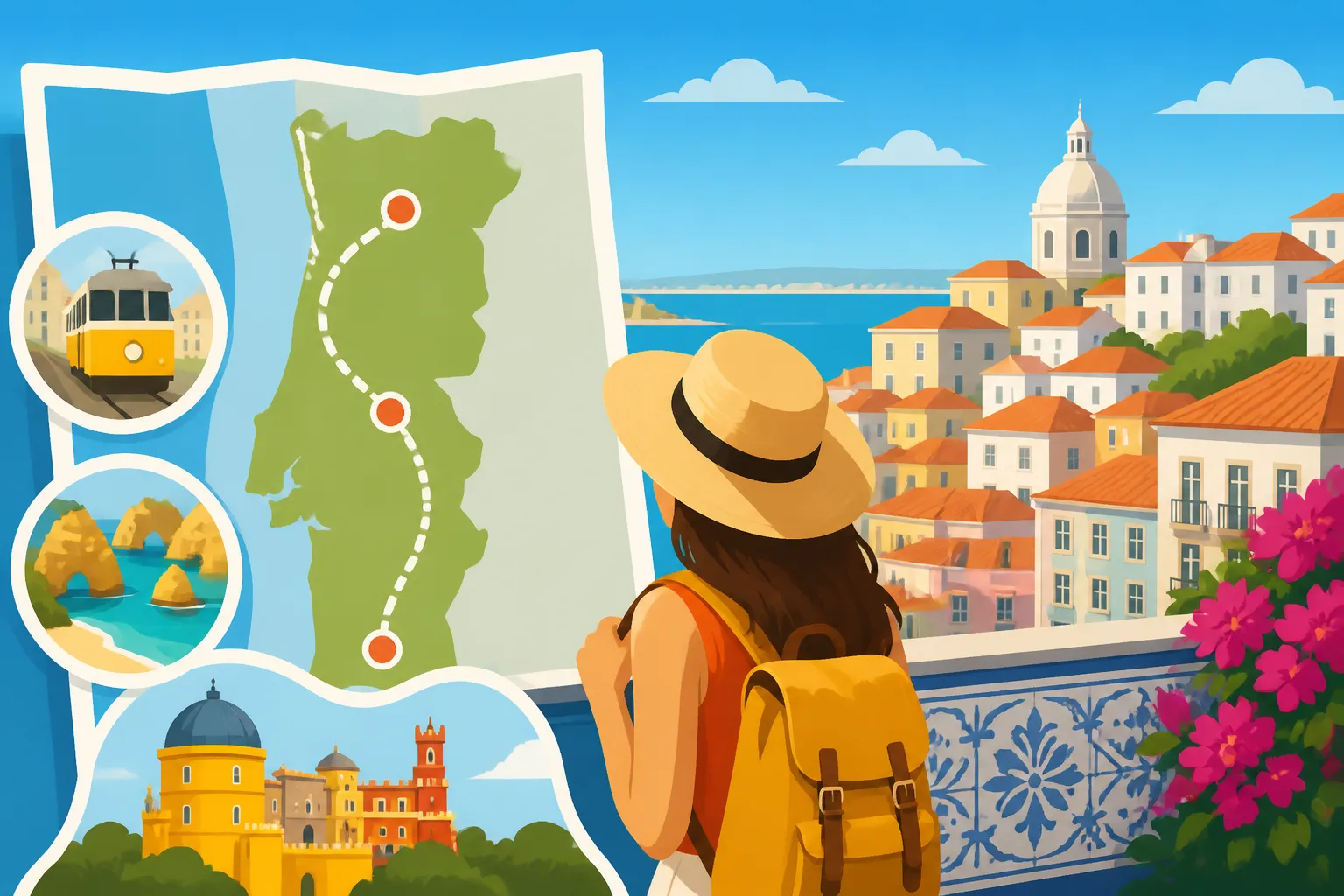
This itinerary is perfect for first-timers who want to experience Portugal's most iconic cities and beautiful coastlines, with a strong emphasis on the capital. It's a journey that takes you from the charming hills of Lisbon down to the sun-drenched beaches of the Algarve.
Days 1-5: Lisbon and its Enchanting Surroundings
Upon arrival at Lisbon's Portela Airport (LIS), settle into your accommodation. Lisbon demands at least three full days to truly appreciate its diverse neighborhoods. Dedicate one day to the historic Alfama district, exploring its narrow alleys, São Jorge Castle, and listening to Fado music in the evening. Another day could be spent in Baixa and Chiado, exploring elegant squares and shopping, before heading up to the Bairro Alto and Príncipe Real for sunset views and vibrant nightlife. Don't forget Belém, with its iconic Tower of Belém, Jerónimos Monastery, and the legendary Pastéis de Belém. You can get around easily using public transport, including the historic trams.
The remaining days are perfect for day trips. A visit to Sintra is an absolute must, with its fairytale palaces like Pena Palace and Quinta da Regaleira. It's easily accessible by train from Rossio station. Another popular choice is the coastal town of Cascais, offering a refreshing seaside escape. When considering your overall budget, remember that Lisbon, while beautiful, can be pricier than other regions, so planning ahead is key, perhaps by consulting a guide on the Cost of Living in Portugal 2026: Detailed Budgets for Singles and Families.
Days 6-8: Central Portugal's Historic Gems
From Lisbon, head north into Central Portugal. Consider renting a car for this leg to give you flexibility, though buses are also an option. Your first stop could be Óbidos, a stunning medieval walled village that feels straight out of a postcard. Spend a few hours exploring its charming streets and tasting Ginja, a local cherry liqueur. From there, drive to Coimbra, Portugal's former capital and home to one of Europe's oldest universities. The university's Baroque library, the Biblioteca Joanina, is breathtaking. You could spend a full day here, including catching a traditional Fado show, which is distinct from Lisbon's style.
Another option for this region, especially if you prefer historical towns, is to visit Évora in the Alentejo region, rather than heading too far north. Évora, a UNESCO World Heritage site, boasts a Roman temple, a macabre Chapel of Bones, and a charming historic center. Its slower pace offers a lovely contrast to Lisbon. When planning your route, be mindful of Portugal's efficient but sometimes complex Navigating the Portuguese Toll System: Via Verde and Electronic Tolls.
Days 9-14: Algarve's Sun-Kissed Coastline
After soaking up history, it's time for some relaxation. Head south to the Algarve. You can fly from Lisbon to Faro, take a train, or drive directly. Faro itself is worth exploring for an afternoon, but many travelers opt for destinations further west. Lagos is a popular choice, known for its stunning rock formations, grottoes (like the famous Ponta da Piedade), and beautiful beaches. Albufeira offers a livelier, more resort-focused vibe, while Tavira provides a more traditional Portuguese experience with its charming old town and riverfront.
Spend your days exploring beaches, perhaps taking a boat trip along the coast to discover hidden caves, or simply relaxing by the sea. Consider staying in a self-catering apartment booked through a site like Booking.com, especially if you want to enjoy fresh local produce and cook some meals yourself. The Algarve also has many fantastic hiking trails along the cliffs. When exploring, keep an eye out for local markets for fresh seafood and regional delicacies. For a deeper understanding of the various towns, check out The Algarve for Expats: Lagos, Faro, and Tavira Compared.
Option 2: Northern Charms and Central Wonders (Porto Focus)
If your heart beats for Port wine, majestic rivers, and a slightly grittier, yet undeniably charming, urban experience, this itinerary might be for you. It prioritizes the north before moving south, offering a different perspective on Portugal's beauty.
Days 1-4: Porto and the Douro Valley's Delights
Fly into Porto's Francisco Sá Carneiro Airport (OPO). Allow yourself at least three full days to explore Portugal’s second-largest city. Start by wandering through the Ribeira district, a UNESCO World Heritage site, with its colorful houses clinging to the hillside along the Douro River. Cross the iconic Dom Luís I Bridge for panoramic views and visit the Port wine cellars in Vila Nova de Gaia for a tasting. São Bento railway station, with its incredible azulejo tiles, is a must-see.
Dedicate one of your days to a trip into the stunning Douro Valley, the world's first demarcated wine region. You can take a scenic train journey, a river cruise, or hire a driver for a private tour of the vineyards and quintas (wine estates). Many tour operators offer day trips from Porto, often including lunch and wine tastings. This is an experience that truly transports you.
Days 5-7: The Silver Coast and Academic Prowess
As you leave Porto, head south along the Silver Coast. Consider renting a car to enjoy the flexibility of exploring charming coastal towns. Stop in Aveiro, often called the "Venice of Portugal," with its canals and colorful moliceiro boats. Further south, Nazaré is famous for its giant waves (in winter) and traditional fishing culture. Continue to Óbidos, the picturesque walled village mentioned earlier.
Your next major stop should be Coimbra, Portugal's historic university city. Spend a day exploring the university grounds, including the stunning Baroque library. The city's narrow streets and student traditions offer a unique atmosphere. If you want to dive deeper into Portuguese culture and language during your trip, even a few phrases can go a long way; check out resources like Learning European Portuguese: Top Apps, Tutors, and Free Government Classes.
Days 8-14: Lisbon's Timeless Allure
Conclude your trip with a longer stay in Lisbon. You can take a comfortable train from Coimbra to Lisbon, with tickets easily booked via platforms like Omio. With six full days, you'll have ample time to explore all the major attractions: Alfama, Baixa, Chiado, Bairro Alto, and Belém. You can also dedicate more time to day trips, perhaps exploring the natural beauty of the Arrábida Natural Park or the charming fishing village of Sesimbra.
This extended stay allows for a deeper dive into Lisbon's various facets, from its vibrant food scene to its historical monuments. You can visit museums, explore different viewpoints, and truly get a feel for the city's pulse without feeling rushed. For detailed information on where to base yourself, the Lisbon Neighborhood Guide: Best Areas for Expats and Digital Nomads can be incredibly helpful.
Option 3: Off the Beaten Path & Coastal Escapes
This itinerary is for the traveler who's already seen the major highlights or prefers a more immersive, less tourist-centric experience. It involves a bit more planning and often requires a rental car, but it rewards you with incredible authenticity and stunning landscapes.
Days 1-4: Alentejo's Rustic Charm and Wine Country
Start your journey in the Alentejo, perhaps flying into Lisbon and immediately renting a car. Head east to Évora, a UNESCO World Heritage site, and use it as your base. Explore its Roman temple, cathedral, and the Chapel of Bones. Beyond Évora, the Alentejo offers sprawling cork oak forests, olive groves, and whitewashed villages like Monsaraz, perched atop a hill with breathtaking views of the Alqueva Lake.
This region is famous for its robust red wines, so dedicate time to visiting a few local quintas for tastings. The pace here is much slower, offering a true escape from the bustle of city life. Enjoy long, leisurely meals featuring traditional Alentejan cuisine, which is renowned throughout Portugal for its rich flavors and use of pork, bread, and herbs.
Days 5-9: The Wild Beauty of the Vicentine Coast and Southwest Alentejo
From the Alentejo, drive west towards the coast, specifically the Parque Natural do Sudoeste Alentejano e Costa Vicentina. This protected natural park boasts some of Portugal's most pristine and wild beaches, popular with surfers but often blissfully uncrowded, even in peak season. Towns like Vila Nova de Milfontes, Zambujeira do Mar, and Aljezur offer charming guesthouses and excellent seafood restaurants.
Spend your days hiking coastal trails, exploring hidden coves, and perhaps trying a surf lesson. This region is a stark contrast to the developed resorts of the central Algarve and offers a truly rugged, natural beauty. It's a fantastic spot for nature lovers and those seeking tranquility.
Days 10-14: Lisbon's Cultural Heartbeat or Central Portugal's History
You have a choice for your final days. You could drive back to Lisbon, return your rental car, and spend your last 4-5 days soaking up the capital's vibrant energy, hitting any major sights you might have missed on a previous trip or simply enjoying its atmosphere. This is a great way to reintroduce a touch of city life before heading home.
Alternatively, if you prefer to continue the historical theme, you could head slightly inland to explore towns like Tomar (home to the Convent of Christ, a UNESCO site with Templar Knight history) or Batalha (with its magnificent monastery). This option keeps you away from the major city crowds and offers a deeper dive into Portugal's rich past, before heading to Lisbon for your departure. When it comes to finding reliable transport options, consider using a site like Omio to compare train and bus schedules, particularly if you're not renting a car for the entire trip.
Practicalities and Booking: Making Your Trip a Reality
Once you've got a rough itinerary in mind, it's time to start thinking about the nitty-gritty of logistics. Planning ahead will save you headaches and potentially money once you're on the ground in Portugal.
Transportation Within Portugal: Trains, Buses, and Cars
Choosing how to get around Portugal depends heavily on your itinerary and travel style. Each mode of transport has its pros and cons.
Trains (Comboios de Portugal – CP): Portugal has a relatively good train network, especially connecting major cities like Lisbon, Porto, Coimbra, and Faro. The Alfa Pendular (AP) is the high-speed option, comfortable and efficient, while the Intercidades (IC) is slightly slower but still reliable. Regional trains serve smaller towns.
- Pros: Comfortable, scenic routes, avoids traffic, often drops you in city centers. Great for longer inter-city journeys.
- Cons: Can be expensive if not booked in advance, limited routes to very small towns or coastal villages not on the main lines.
- Recommendation: Excellent for travel between Lisbon and Porto, or Lisbon and the Algarve. You can check schedules and book tickets online directly with CP or via platforms like Omio, which can compare options for you. For more detailed insights, consider reading about Using Comboios de Portugal (CP) Trains and the Navegante Pass.
Buses (Rede Expressos, FlixBus, etc.): Portugal has an extensive bus network, often reaching places that trains don't. Rede Expressos is the main national operator, supplemented by international services like FlixBus.
- Pros: Generally cheaper than trains, wider coverage, good for reaching smaller towns.
- Cons: Can be slower due to more stops, less comfortable than trains, susceptible to traffic delays, especially entering/leaving major cities.
- Recommendation: A solid budget-friendly option, particularly for reaching towns not on the main train lines or for shorter regional hops.
Rental Cars: Renting a car offers the ultimate freedom and flexibility, especially if you're planning to explore rural areas, the Alentejo, or the wilder parts of the Algarve.
- Pros: Flexibility to explore off-the-beaten-path destinations, convenience for carrying luggage, ability to stop wherever you like.
- Cons: Can be expensive (rental fees, fuel, tolls), navigating city traffic and parking can be a nightmare (especially in Lisbon and Porto), roads in older towns can be very narrow. Driving in Portugal: Exchanging Your Foreign License to a Portuguese One is a good resource if you plan to drive.
- Recommendation: Essential for itineraries focused on rural areas, the Alentejo, or the Vicentine Coast. Less necessary and potentially more trouble than it's worth for solely city-to-city travel. Remember that Portugal has electronic tolls, so ensure your rental car comes with a transponder.
Accommodation: Where to Lay Your Head
Portugal offers a wide range of accommodation options to suit every budget and style. From luxurious hotels to charming guesthouses, you'll find something that fits.
Hotels and Guesthouses (Alojamento Local): In cities, you'll find everything from international hotel chains to boutique hotels and traditional Portuguese guesthouses known as Alojamento Local (AL). These ALs often offer a more personal touch and can be fantastic value.
- Booking Tips: Use reputable sites like Booking.com, which offer a wide array of options, user reviews, and often flexible cancellation policies. For apartments or longer stays, platforms focused on vacation rentals might be better. Booking in advance, especially for peak season (June-September), is non-negotiable, as popular places fill up quickly and prices skyrocket.
Hostels: For budget-conscious travelers or solo adventurers, Portugal has an excellent network of hostels, many of which are exceptionally clean, modern, and centrally located. They're a great way to meet other travelers.
Rural Tourism (Turismo Rural/Alojamento no Espaço Rural): If you're heading to the Alentejo or other countryside regions, look for Turismo Rural options. These are often beautifully restored farmhouses or country estates, offering a peaceful retreat and a taste of authentic Portuguese life. These are often best booked directly or through specialized regional tourism sites.
When choosing accommodation, consider its location carefully. Being central might cost more, but saves time and money on transport. Also, check for amenities like air conditioning (essential in summer), heating (important in winter, as many older Portuguese homes lack central heating), and Wi-Fi.
Essential Packing and Local Tips
A well-packed suitcase and a little local knowledge can make your trip much smoother.
Packing Essentials:
- Comfortable Walking Shoes: This is paramount. Portuguese cities are hilly and paved with cobblestones, which are charming but unforgiving on your feet.
- Layers: Even in summer, evenings can be breezy, especially by the coast or river. In spring, autumn, and winter, layers are crucial as temperatures can fluctuate.
- Sun Protection: Sunscreen, a hat, and sunglasses are vital, even outside of summer. The Portuguese sun is strong.
- Adapter: Don't forget a Type F (Schuko) adapter for your electronics.
- Reusable Water Bottle: Stay hydrated and reduce plastic waste. Tap water is generally safe to drink in most of Portugal.
- Small Backpack/Day Bag: For daily excursions, snacks, and souvenirs.
Local Tips:
- Learn a Few Phrases: While many Portuguese, especially in tourist areas, speak English, a simple "Olá" (hello), "Obrigado/a" (thank you), or "Por favor" (please) goes a long way. It shows respect and can often lead to warmer interactions.
- Embrace the Pace: Things often move at a slower pace here. Don't get frustrated if service seems relaxed; it's part of the charm.
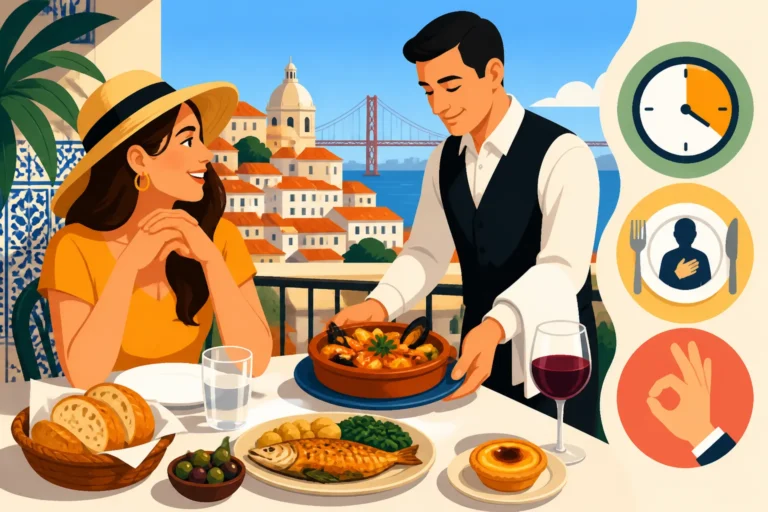
- Meal Times: Lunch is typically between 1 PM and 3 PM, and dinner often starts no earlier than 7:30 PM, with many restaurants not getting busy until 8:30 PM or 9 PM.
- Tipping: Tipping isn't mandatory in Portugal, but it's appreciated for good service. Rounding up the bill or leaving a few euros in a restaurant is common.
- Safety: Portugal is generally very safe, but like any popular tourist destination, pickpocketing can occur, especially in crowded areas like Lisbon's trams or busy squares. Be aware of your surroundings and keep valuables secure. For more advice, check Safety and Emergency Preparedness in Portugal for Foreign Residents.
- Book Experiences: For popular attractions or unique tours (like a Fado show or a Douro Valley wine tour), booking in advance, perhaps through a platform like GetYourGuide, is a smart move to secure your spot and avoid disappointment.
Making the Most of Your Trip: Cultural Immersion and Culinary Delights
Your two-week trip isn't just about seeing sights; it's about experiencing Portugal. Dive into the culture and savor the incredible food.
Embracing Portuguese Culture: Fado, Festivities, and Friendly Faces
Portugal's culture is rich and inviting, and making an effort to engage with it will elevate your trip.
Fado: This soulful, melancholic musical genre is a cornerstone of Portuguese identity, particularly in Lisbon. While you'll find "dinner and Fado" shows geared towards tourists, seek out smaller, more authentic casas de Fado in neighborhoods like Alfama or Mouraria for a truly moving experience. The raw emotion of Fado is best felt in an intimate setting, often late into the evening.
Festivities: If your trip coincides with any local festivals, embrace them! Portugal loves a good party, especially around religious holidays or regional patron saints' days. June is especially vibrant with Festas dos Santos Populares (Popular Saints' Festivals) in Lisbon and Porto, where streets are decorated, music fills the air, and sardines are grilled everywhere. It's a fantastic way to witness the country's lively spirit.
Friendly Faces: Portuguese people are generally warm and welcoming. Don't be shy about asking for directions or recommendations, even with a language barrier. A smile and an "Olá" can go a long way. Engage in conversation, observe local customs, and try to understand the rhythm of daily life, whether it’s the importance of coffee breaks as outlined in Portuguese Coffee Culture and Restaurant Etiquette: Ordering Like a Local, or the leisurely pace of an evening meal.
A Taste of Portugal: Must-Try Foods and Drinks
Portuguese cuisine is a highlight for many visitors, offering hearty, flavorful dishes rooted in fresh ingredients from the land and sea.
Must-Try Foods:
- Pastel de Nata: You absolutely cannot leave Portugal without indulging in these iconic custard tarts, ideally warm from the oven with a sprinkle of cinnamon.
- Bacalhau: Codfish is king in Portugal, said to have 365 ways to cook it. Try Bacalhau à Brás (shredded cod with onions, potatoes, and eggs) or Bacalhau com Natas (cod with cream).
- Sardinhas Assadas: Grilled sardines are a summer staple, especially during the June festivals. Simple, fresh, and incredibly delicious.
- Francesinha: If you're in Porto, you must try a Francesinha – a truly epic sandwich layered with different meats, covered in melted cheese, and drowned in a rich, spicy tomato beer sauce. It’s not for the faint of heart!
- Polvo à Lagareiro: Octopus baked with garlic, olive oil, and punched potatoes. A delightful seafood dish.
- Queijo da Serra: A creamy, pungent sheep's milk cheese from the Serra da Estrela mountains.
- Presunto: Cured ham, often served as an appetizer.
Drinks:
- Vinho Verde: A "green wine" from the Minho region, typically young, light, and slightly sparkling. Perfect for a warm day.
- Port Wine: A fortified wine from the Douro Valley, perfect for an aperitif or digestif. Explore the different types: Ruby, Tawny, Vintage.
- Ginja: A sweet cherry liqueur, often served in a chocolate cup, especially in Óbidos.
- Espresso (Bica/Cimbalino): Coffee is a ritual in Portugal. Order a bica (Lisbon) or cimbalino (Porto) for a strong, quick shot.
- Super Bock/Sagres: Portugal's two most popular beers.
Explore local markets like Lisbon's Time Out Market (Mercado da Ribeira) or Porto's Mercado do Bolhão for a vibrant culinary experience. Don't be afraid to step into a local tasca (small, traditional restaurant) and try the prato do dia (dish of the day) – it’s almost always fresh, authentic, and great value.
| Itinerary Option | Primary Focus | Pace | Key Regions Covered | Recommended Transport | Best For |
|---|---|---|---|---|---|
| 1: Classic North to South | Lisbon, Algarve Beaches | Moderate | Lisbon, Sintra, Central Portugal (Coimbra/Évora), Algarve | Train/Bus + Optional Car in Central | First-time visitors, balanced experience |
| 2: Northern Charms & Central | Porto, Douro Valley | Moderate | Porto, Douro Valley, Silver Coast, Coimbra, Lisbon | Train/Bus + Optional Car in Silver Coast | Wine lovers, history buffs, those preferring North |
| 3: Off the Beaten Path & Coastal | Alentejo, Wild Coasts | Slow/Relaxed | Alentejo, Vicentine Coast, Lisbon/Central Portugal | Rental Car Essential | Nature enthusiasts, repeat visitors, slow travel |
Disclaimer
The information provided in this guide is intended for general informational purposes only and may not apply to every individual's specific circumstances. While we strive to keep the content accurate and up-to-date, travel requirements, local regulations, and prices in Portugal can change rapidly. We recommend verifying all details with official sources, such as government websites, tourism boards, and relevant service providers, before making any travel decisions. We are not responsible for any inaccuracies or omissions.