What’s the Best Region in Portugal for a First-Time Visitor?
Disclosure: This article contains affiliate links. If you buy through them, we may earn a commission at no extra cost to you. Read our full disclosure.
Oh, the age-old question that plagues every first-time visitor dreaming of Portugal: "Where do I even start?" It's a wonderful problem to have, truly, but I've seen countless friends and fellow expats get utterly overwhelmed trying to pinpoint the "best" region. You scroll through stunning photos of Lisbon, then gaze longingly at the Douro Valley, only to be swept away by images of the Algarve's golden cliffs. This guide is here to cut through the noise, validate that delightful confusion, and help you find the perfect first step into this incredible country.
The First-Timer's Conundrum: Navigating Portugal's Diverse Regions
You’ve made the fantastic decision to visit Portugal, and now you’re staring at a map wondering if it’s possible to absorb it all in one go. Spoiler alert: it’s not. Portugal, while seemingly small, packs an astonishing punch in terms of diverse landscapes, cultures, and experiences. From the cosmopolitan buzz of its capital to the rugged beauty of its northern valleys and the sun-drenched beaches of the south, each region offers something distinctly different. Trying to cram everything into a single trip, especially your first, usually leads to a frantic, unenjoyable whirlwind rather than the relaxed, immersive experience you're likely craving.
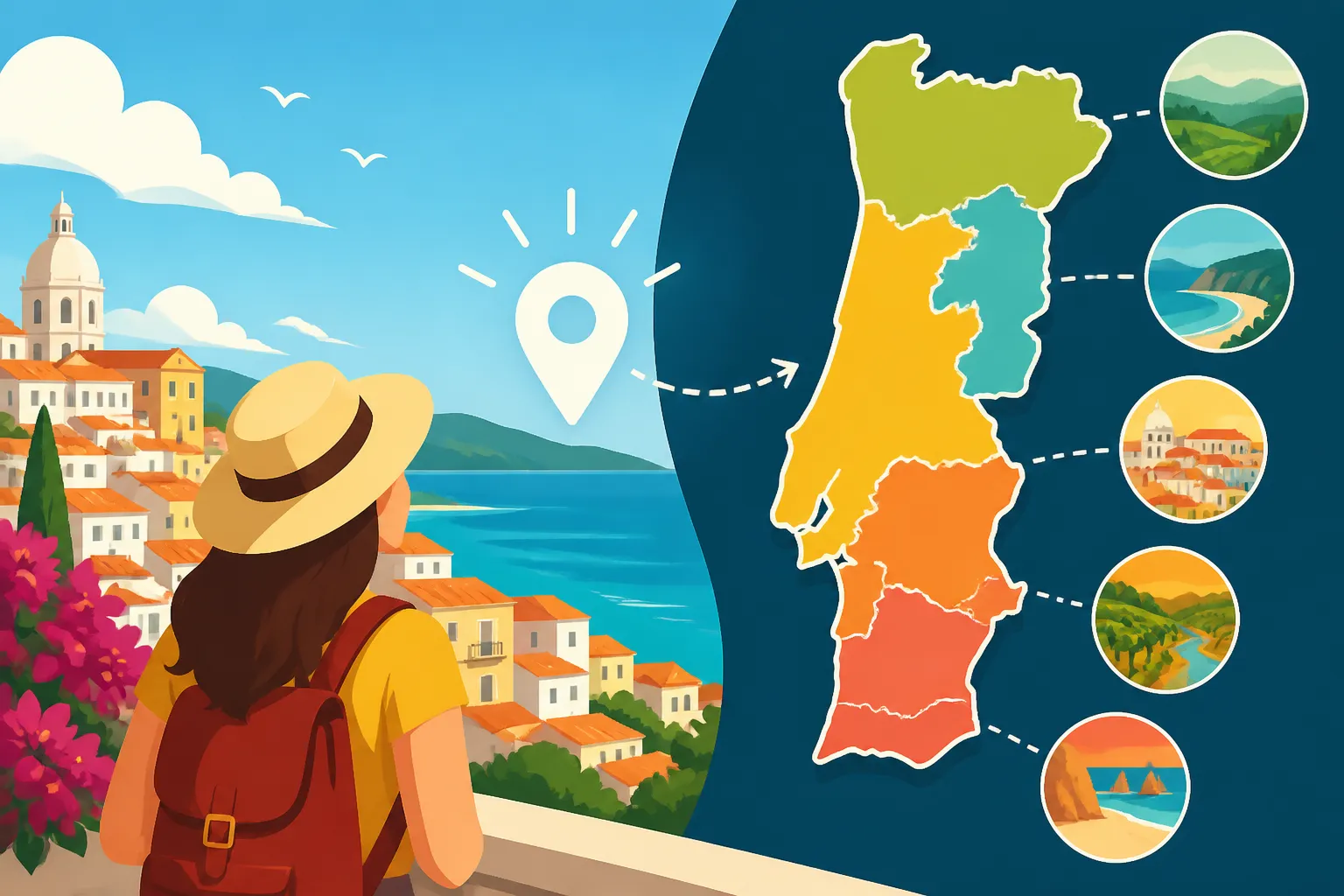
The key to a successful first visit isn't to see everything, but to see the right things for you. Are you a history buff who thrives on ancient tales and labyrinthine streets? Or perhaps a foodie and wine connoisseur with a penchant for charming river cities? Maybe your heart yearns for the feel of warm sand between your toes and the sound of crashing waves? Understanding your primary travel motivation will be your compass. For most first-timers, the decision usually boils down to three major contenders: Lisbon and its central surroundings, the charismatic city of Porto and the north, or the ever-popular beaches of the Algarve. Let's explore what each has to offer, so you can tailor your maiden voyage perfectly.
Lisbon and Central Portugal: The Bustling Heart of History and Culture
Ah, Lisbon! It's usually the first city that springs to mind for anyone contemplating a trip to Portugal, and for good reason. This vibrant capital, draped across seven hills overlooking the Tagus River, truly is a feast for the senses. For a first-time visitor, Lisbon offers a quintessential Portuguese experience, blending historical grandeur with a modern, dynamic edge. It’s where old-world charm meets contemporary cool, and where you can dive deep into the nation's soul.
Exploring Lisbon's Historic Neighborhoods and Modern Flair
Lisbon itself is a tapestry of distinct neighborhoods, each with its own character. You could spend days just wandering. Start in the Baixa, the elegant downtown district rebuilt after the 1755 earthquake, with its grid-like streets and grand squares like Praça do Comércio. From there, ascend to the Alfama, the oldest district, a maze of narrow, winding alleys, steep staircases, and hidden viewpoints (miradouros). Here, you’ll hear the melancholic strains of Fado music drifting from tiny restaurants at night. The air in Alfama is thick with history, a constant reminder of Lisbon's Moorish past and resilient spirit. It’s an incredibly atmospheric place, but be prepared for a workout on its cobbled inclines!
Contrast this with the chic, bohemian vibe of Bairro Alto, which transforms into Lisbon's nightlife hub as the sun sets, or the sophisticated shopping avenues of Chiado and Príncipe Real. Don't forget Belém, a bit further west, where Portugal’s Age of Discovery truly comes alive. The Belém Tower and Jerónimos Monastery, both UNESCO World Heritage sites, are stunning testaments to Portugal's maritime prowess. And, of course, you absolutely must try the famous pastéis de nata (custard tarts) at Pastéis de Belém – the original recipe since 1837. You'll likely encounter queues, but trust me, they're worth every moment.
Lisbon also boasts an impressive array of museums, from the National Azulejo Museum showcasing Portugal’s decorative tiles to the Calouste Gulbenkian Museum with its vast art collection. The city is incredibly walkable, though the hills might challenge you. Thankfully, the public transport system, including the iconic yellow trams (like the famous Tram 28), funiculars, and metro, makes getting around relatively easy. You can even consider getting a Viva Viagem card for seamless travel on all modes of transport, making your journey from the historic centre to the waterfront hassle-free.
Day Trips from Lisbon: Sintra, Cascais, and Évora
One of Lisbon's biggest draws for first-timers is its unparalleled access to incredible day trips. Within an hour or so, you can dramatically change your scenery and experience.
First up, Sintra. This fairytale town, nestled in the Sintra Mountains, is another UNESCO World Heritage site and an absolute must-see. It's home to extravagant palaces like the vibrant Pena Palace, the mystical Quinta da Regaleira with its initiation well, and the ancient Moorish Castle. Sintra is undeniably magical, but it's also incredibly popular, so visiting early or later in the day, or even spending a night, can enhance the experience. Guided tours are plentiful, often found via platforms like GetYourGuide, which can streamline transport and entry.
Then there’s Cascais, a charming coastal town easily reached by a scenic train ride along the Estoril line. It offers beautiful beaches, a lovely marina, and a relaxed atmosphere, perfect for a sunny afternoon stroll or a seafood lunch. It’s a stark contrast to Lisbon’s urban energy and offers a refreshing dose of sea air.
For a deeper dive into history, consider Évora in the Alentejo region, about an hour and a half east of Lisbon. This walled city is another UNESCO site, famous for its Roman Temple, the Chapel of Bones (Capela dos Ossos), and a stunning cathedral. Évora provides a glimpse into a more provincial, yet historically rich, side of Portugal.
Lisbon serves as an excellent base for these excursions, allowing you to unpack once and explore widely. For planning your intercity travel, whether by train or bus, resources like Omio can be incredibly useful, helping you compare options and book tickets in advance, saving you precious travel time. For your accommodations, major platforms like Booking.com offer a wide range of options, from boutique hotels in the heart of the city to charming guesthouses in Alfama, ensuring you find something that fits your style and budget.
Porto and Northern Portugal: Authentic Charm and Gastronomic Delights
While Lisbon often steals the initial spotlight, Porto, in the north, is increasingly recognized as a must-visit destination, especially for those seeking a slightly more intimate and authentically Portuguese experience on their first trip. It's a city of undeniable charm, known for its historic Ribeira district, iconic Port wine cellars, and a vibrant culinary scene.
The Allure of Porto's Riverside and Historic Core
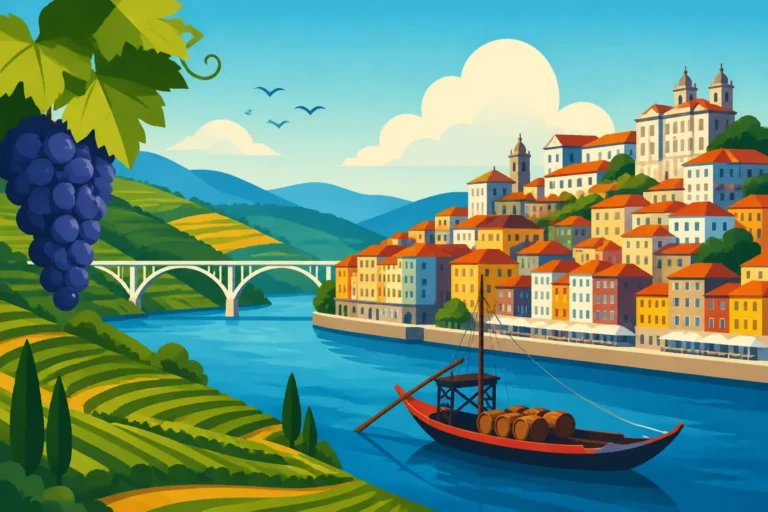
Porto, like Lisbon, is built on hills, but it feels more compact and perhaps a touch more traditional. The city's beating heart is the Ribeira district, a UNESCO World Heritage site hugging the Douro River. Its colorful, medieval houses cascade down to the waterfront, where traditional Rabelo boats, once used to transport Port wine barrels, now ferry tourists. Walking along the Ribeira, especially at sunset, with the Dom Luís I Bridge (designed by a student of Gustave Eiffel) towering above, is an unforgettable experience.
Crossing that magnificent bridge takes you to Vila Nova de Gaia, the home of the famous Port wine lodges. A visit here is practically mandatory. You can tour several cellars, learn about the winemaking process, and, most importantly, sample various Ports. Brands like Taylor’s, Graham’s, and Sandeman offer excellent tours, many with stunning views of Porto across the river. It’s a delightful way to spend an afternoon, even if you’re not usually a wine connoisseur.
Beyond the riverfront, Porto’s historic center reveals architectural gems like the São Bento train station, famous for its magnificent azulejo (tile) panels depicting scenes from Portuguese history. The Livraria Lello, an opulent bookstore rumored to have inspired J.K. Rowling, is another popular stop, though expect long queues. The city's cathedral (Sé do Porto) offers panoramic views, and the Clérigos Tower provides an even higher vantage point after a climb of over 200 steps.
Porto’s culinary scene is a standout. Don't leave without trying a Francesinha, a hearty sandwich layered with various meats, covered in melted cheese, and drenched in a rich, spicy tomato-beer sauce. It's not for the faint of heart but is a true Porto icon. The city also boasts incredible seafood and traditional Portuguese dishes in its many tascas (traditional restaurants). If you are keen on delving into local tastes, you might want to look at our guide on Portuguese Coffee Culture and Restaurant Etiquette: Ordering Like a Local.
Discovering the Douro Valley and Northern Charm
Just as Lisbon has its day trips, Porto is the gateway to the breathtaking Douro Valley, another UNESCO World Heritage site and Portugal's most famous wine region. The terraced vineyards clinging to the steep hillsides, carved out over centuries, create a landscape of unparalleled beauty.
A day trip to the Douro Valley is highly recommended for first-time visitors. You can take a scenic train ride from Porto directly into the heart of the valley, or join a guided tour that often includes river cruises and wine tastings at various quintas (wine estates). Many visitors opt for organized tours, as they often handle the logistics of transport, meals, and multiple vineyard visits, allowing you to simply relax and soak in the scenery. GetYourGuide is a great resource for finding reputable Douro Valley tours that suit your preferences.
Beyond the Douro, northern Portugal offers charming towns like Braga, known for its religious heritage and stunning Bom Jesus do Monte sanctuary, and Guimarães, often referred to as the birthplace of Portugal, with its medieval castle and historic center. These cities are easily accessible from Porto by train or bus, making the North an excellent choice for a first-timer who wants a mix of city life, stunning nature, and deep historical roots, often with fewer crowds than the capital. For exploring transport options in the north, including the excellent train network, check out our article on Using Comboios de Portugal (CP) Trains and the Navegante Pass.
The Algarve: Golden Beaches and Year-Round Sunshine
For those whose first-time visitor dreams include sun, sand, and sparkling turquoise waters, the Algarve is Portugal's undeniable champion. This southern region is renowned for its stunning coastline, dramatic cliffs, hidden grottoes, and some of Europe’s most beautiful beaches. It’s the perfect choice for a relaxing escape, family vacation, or active holiday focused on the outdoors.
Sun-Kissed Coasts, Water Sports, and Relaxation
The Algarve coastline stretches for over 150 kilometers, offering a diverse range of beaches. You’ll find expansive golden stretches perfect for sunbathing, sheltered coves ideal for swimming, and dramatic rock formations that beg to be explored by kayak or stand-up paddleboard. Iconic spots include Praia da Marinha, often cited as one of the most beautiful beaches in the world, with its striking arches and clear waters, and the famous Benagil Cave, accessible only by sea, where sunlight streams through an opening in the cave ceiling onto a tiny beach below. Local boat tours, often booked through providers like GetYourGuide, are the best way to experience these natural wonders.
Beyond the beaches, the Algarve offers a plethora of activities. Golf enthusiasts will find world-class courses, hikers can explore coastal trails like the Seven Hanging Valleys Trail, and water sports lovers can indulge in everything from surfing at Sagres to jet-skiing and parasailing. Towns like Lagos, Faro, and Tavira each offer a different flavor of the Algarve. Lagos, for instance, is a lively town with beautiful beaches and a historic center, popular with younger travelers and backpackers. Faro, the capital of the region, has a charming old town (Cidade Velha) and is the gateway to the Ria Formosa Natural Park, a protected lagoon system perfect for birdwatching and boat trips. Tavira offers a more traditional, laid-back vibe with its Roman bridge and numerous churches.
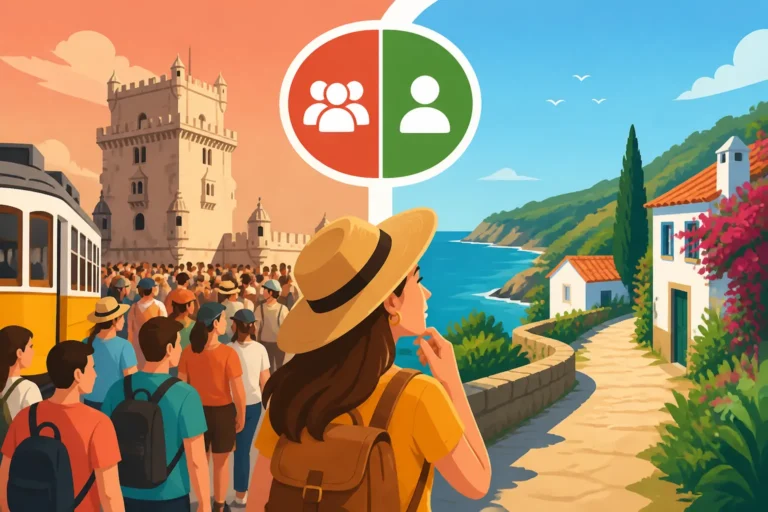
While some parts of the Algarve, particularly resorts around Albufeira, can feel quite touristy during peak season (July and August), it's still possible to find authentic experiences and quieter spots. Traveling during the shoulder seasons (spring and autumn) often offers pleasant weather and fewer crowds. The ease of finding English speakers in the Algarve is also a huge plus for first-time visitors who might be nervous about language barriers. For a deeper look into the various towns in the region, consult our article on The Algarve for Expats: Lagos, Faro, and Tavira Compared.
Accessibility and Getting Around the Southern Coast
The Algarve is very accessible, primarily through Faro Airport (FAO), which receives numerous international flights. Once there, you'll find that having a car offers the most flexibility to explore the region's hidden coves and charming villages. However, public transport, including regional trains and buses, connects the main towns. Car rentals are readily available at the airport and in major towns. If you're looking into renting or even buying a vehicle for your travels, our guide on Buying a Car in Portugal: IUC Tax, Inspections (IPO), and High Vehicle Costs might offer useful insights.
Accommodation in the Algarve ranges from luxurious resorts and private villas to charming guesthouses and budget-friendly apartments. Booking.com is an excellent platform to explore these diverse options across the region, from the bustling towns to quieter coastal retreats. If you're concerned about travel expenses, it might be helpful to review our comprehensive guide on the Cost of Living in Portugal 2026: Detailed Budgets for Singles and Families, which can help you gauge typical travel costs.
While the Algarve is certainly more about relaxation and beaches, it also boasts a rich history. Silves, for example, has a magnificent Moorish castle, and the fishing villages retain much of their traditional character. For first-timers seeking a sun-filled, beautiful, and relatively easy-to-navigate introduction to Portugal, the Algarve is an excellent, straightforward choice.
Choosing Your Perfect Portuguese Gateway: A Comparative Guide
So, after all that, which region truly is the best for a first-time visitor to Portugal? The honest answer, as you might have guessed, is that it really depends on what you're hoping to get out of your trip. There's no single "best" because Portugal offers such a rich palette of experiences. Let's break it down in a way that helps you zero in on your ideal first Portuguese adventure.
Think of it this way:
- If you crave a vibrant city experience with endless history, culture, incredible food, and easy day trips, all within a cosmopolitan atmosphere, then Lisbon and Central Portugal is probably your sweet spot. You'll feel the pulse of the nation, navigate bustling streets, and easily venture out to fairytale palaces or coastal towns. It's the most "all-in-one" option for a broad taste of Portugal.
- If you prefer a charming, authentic, and slightly more intimate city with a rich cultural tapestry, world-class wine, and breathtaking natural beauty nearby, then Porto and Northern Portugal should be at the top of your list. It offers a slower pace than Lisbon, perhaps a bit more grit and genuine warmth, and access to the stunning Douro Valley. It's perfect for those who enjoy a deep dive into history and gastronomy without the overwhelming scale of a massive capital.
- If your primary goal is relaxation, stunning beaches, outdoor activities, and guaranteed sunshine, then the Algarve is calling your name. It’s perfect for unwinding, family holidays, or active beach vacations. While it might lack the intense historical immersion of the cities, it offers unparalleled natural beauty and a resort-like ease of travel.
To help you visualize, here’s a quick comparison:
| Feature | Lisbon & Central Portugal | Porto & Northern Portugal | The Algarve |
|---|---|---|---|
| Vibe | Cosmopolitan, bustling, historic, diverse | Charming, authentic, traditional, gastronomic | Relaxed, beachy, outdoorsy, vacation-focused |
| Key Attractions | Alfama, Belém, Sintra, Jerónimos, Praça do Comércio | Ribeira, Port Wine Cellars, Dom Luís I Bridge, Douro Valley | Golden beaches, Benagil Cave, Ria Formosa, historic towns |
| Pace | Energetic, always something to do | More laid-back, but still plenty to explore | Slow, tranquil, perfect for unwinding |
| Food & Drink | Seafood, pastéis de nata, diverse international cuisine | Francesinha, Port wine, traditional Portuguese fare | Fresh seafood, grilled fish, local wines |
| Accessibility | Excellent public transport, hub for day trips | Walkable city, good regional connections | Best with a car for exploration, main towns connected |
| Budget (Avg) | Moderate to high | Moderate | Moderate (can vary with season/resort) |
| Best For | First-time broad experience, culture vultures, city lovers | Foodies, wine lovers, romantic getaways, authentic explorers | Beach lovers, families, golfers, outdoor enthusiasts |
Ultimately, your first trip to Portugal is just that – the first. Many fall in love and return to explore other facets of this incredible country. Don't stress too much about missing something; focus on making your initial visit everything you've dreamed of. Whether you choose Lisbon's vibrant energy, Porto's intimate charm, or the Algarve's sunny coasts, you're guaranteed an unforgettable experience.
Disclaimer
The information provided in this guide is for general informational purposes only and does not constitute professional advice. While we strive to keep the content accurate and up-to-date, travel conditions, local regulations, and prices in Portugal can change rapidly. Always verify current requirements and details with official sources, tour operators, and local authorities before making travel plans or decisions.