Live Music and Festivals in Portugal
Disclosure: This article contains affiliate links. If you buy through them, we may earn a commission at no extra cost to you. Read our full disclosure.
You have probably seen the colorful posters plastered across the walls of Lisbon and Porto, but finding truly authentic live music in Portugal often feels like a secret handshake you haven't learned yet. This guide moves past the generic tourist brochures to help you navigate the high-energy festival circuits, the soulful depths of Fado, and the chaotic joy of local village street parties.
The Soul of Portugal: Fado and Traditional Music
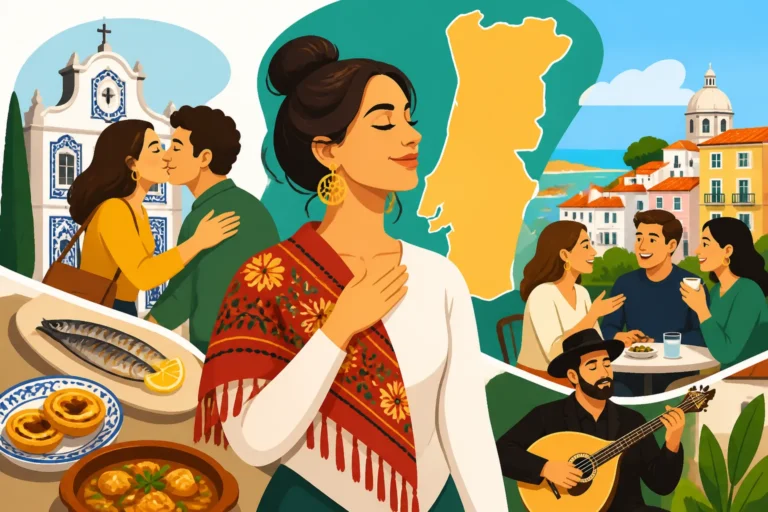
Fado is more than just a musical genre; it is a profound expression of the Portuguese soul, characterized by the untranslatable feeling of saudade—a mix of nostalgia, longing, and melancholy. For a newcomer, a Fado performance can be an emotional rollercoaster, even if you do not understand a single word of the lyrics. It is usually performed by a single singer (fadista) accompanied by the twelve-string Portuguese guitar and a classical guitar. However, don't make the mistake of thinking all Fado is the same; there is a sharp divide between the styles you will find in different parts of the country.
Understanding Fado: Beyond the Tourist Traps
When you first arrive, you might be tempted to book a "Fado and Dinner" package advertised in the middle of a busy square. My veteran advice? Be cautious. Many of these are overpriced and lack the raw grit that makes Fado special. In Lisbon, Fado is deeply rooted in the working-class districts and is often sung with a heavy, mournful weight. Meanwhile, if you head north, the Fado de Coimbra is a completely different beast. It is sung exclusively by men, often students at the historic university, and the themes lean more toward student life, love, and social commentary.
The performance style also differs. In Lisbon, you watch a fadista standing still, pours their heart out. In Coimbra, it’s often performed in the streets or near the cathedral, with the singers draped in traditional black academic capes. If you are exploring the Lisbon Neighborhood Guide: Best Areas for Expats and Digital Nomads, you will realize that the environment where you hear the music is just as important as the music itself. Hearing a Coimbra serenade under a stone archway at midnight is a memory that sticks with you far longer than a staged dinner show.
Best Neighborhoods for Authentic Fado
If you want the real deal in Lisbon, you need to head to Alfama, Mouraria, or Madragoa. These are the neighborhoods where the music was born. Look for small, dimly lit taverns where the "Fado Vadio" (amateur Fado) takes place. This is where locals take turns standing up to sing, and the quality can range from heart-wrenching to surprisingly professional. It is unscripted, raw, and far more moving than anything you’ll find in a shiny theater.
Mouraria, in particular, has a gritty charm that remains less polished than Alfama. It was the home of Maria Severa Onofriana, the first legendary fadista, and you can still find her image on the walls there. For those who want a guided experience that skips the fluff, using GetYourGuide to find a specialized walking tour led by a local musician is a smart move. They can take you to the "clube de fado" spots where the locals actually hang out, rather than the places with menus in five different languages.
Fado Etiquette: The Silêncio Rule
This is where many expats accidentally offend the locals. There is a sacred rule in Fado houses: Silêncio, que se vai cantar fado (Silence, for fado is about to be sung). When the lights dim and the guitars start their first melancholic chords, all conversation must stop immediately. This includes whispering, clinking your fork against a plate, or trying to order another drink. The Portuguese take this very seriously. Many tourists have been known to get a sharp "shush" or even a stern lecture from the owner for talking during a set.
The performance usually happens in short blocks of three or four songs, with breaks in between for eating and talking. Use those breaks to socialize, but as soon as that guitar rings out again, go back to being a silent observer. It is also customary to show your appreciation through applause, but never during the song. If you are unsure about other local customs, checking out Portuguese Coffee Culture and Restaurant Etiquette: Ordering Like a Local can help you blend in more seamlessly during these musical dinners.
Major Summer Music Festivals: The Big Names
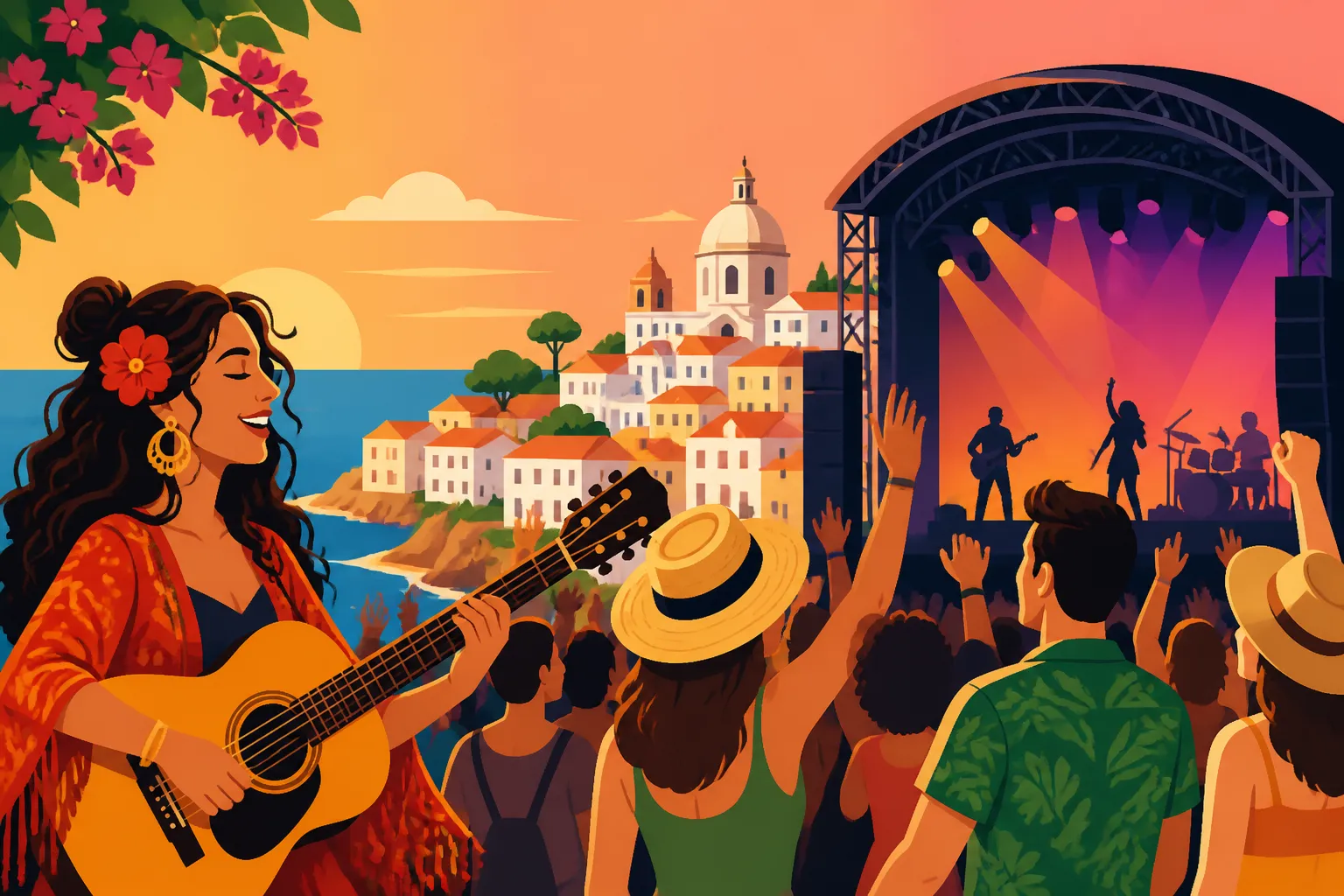
Portugal has evolved into a powerhouse for international music festivals. Every summer, the country transforms into a hub for global artists, ranging from indie darlings to mainstream legends. The weather is almost always perfect, the production value is high, and compared to festivals in the US or the UK, the prices are often much more manageable. However, the logistics can be a bit of a nightmare if you aren't prepared for the sheer volume of people descending on Lisbon and Porto.
NOS Alive, Super Bock Super Rock, and Rock in Rio
NOS Alive, held in Oeiras (just outside Lisbon), is arguably the most famous. It consistently pulls in massive headliners like The Cure, Arctic Monkeys, or Radiohead. The venue is right by the water, which provides a lovely breeze, but don't be fooled—it gets incredibly hot during the day. Rock in Rio Lisboa is another giant, held in the Parque Tejo, and it feels more like a musical theme park with zip lines and massive corporate activations. It is flashy, loud, and very family-friendly.
Super Bock Super Rock often changes locations, sometimes moving to the Meco beach area south of Lisbon. This creates a very different "vibe"—more sand, more camping, and a bit more of a trek to get to. If you are planning to attend these, remember that Portuguese festivals start late. The main acts often don't hit the stage until midnight, and the parties continue until the sun comes up. If you are coming from out of town, make sure to use Booking.com early to secure a place near the train lines, as everything sells out months in advance.
Primavera Sound Porto vs. The Lisbon Scene
There is a friendly rivalry between the music scenes of Lisbon and Porto. Primavera Sound Porto, held in the lush Parque da Cidade, is widely considered one of the most beautiful festival settings in Europe. It is smaller and more curated than its sister festival in Barcelona, making it much easier to navigate. The vibe is decidedly "indie" and "cool," with a focus on electronic, alternative, and experimental acts.
While Lisbon's festivals feel like big, sprawling city events, Porto's Primavera feels like a communal gathering in a giant garden. The weather in Porto can be a bit more unpredictable, so a light jacket is a must. To get between the two major cities, I highly recommend using Omio to compare train and bus prices. The Alfa Pendular train is fast and comfortable, but during festival season, seats disappear fast.
Logistics: How to Get to Festivals Without the Stress
Getting to a festival like NOS Alive or Rock in Rio requires a strategy. The traffic in Lisbon during these weekends is legendary, and ride-hailing apps will have massive surge pricing. Your best bet is always public transport. For NOS Alive, the CP (Comboios de Portugal) train line from Cais do Sodré to Cascais is your lifeline. They usually run special late-night trains to get people back to the city center.
Make sure you have your Navegante card topped up in advance to avoid the massive lines at the ticket machines at 3:00 AM. You can learn more about this in the guide on Using Comboios de Portugal (CP) Trains and the Navegante Pass. If you do decide to use a car, be prepared for a long walk from the parking area. For those traveling from the Algarve or central Portugal, Omio is invaluable for booking long-distance coaches like Rede Expressos, which are often cheaper and more reliable than driving yourself and hunting for a parking spot in a crowded city.
Boutique and Genre-Specific Festivals
Beyond the massive stadiums and parklands, Portugal offers a wealth of smaller, boutique festivals that cater to specific tastes. These are often where you’ll find the most dedicated music lovers and a more intimate atmosphere. These festivals frequently take place in stunning locations—medieval castles, remote beaches, or historic city centers—adding a layer of magic that the big corporate events lack.
Jazz in the Park and Oceans of Sound
Lisbon’s Jazz em Agosto, held at the Calouste Gulbenkian Foundation, is a dream for avant-garde and contemporary jazz fans. The open-air amphitheater is surrounded by lush gardens and modern art, creating a sophisticated but relaxed environment. It is the perfect place to spend a warm August evening with a glass of wine, listening to world-class musicians.
In the Algarve, you have different flavors of music that cater to the international crowd. Festival F in Faro is a fantastic celebration of Portuguese music across multiple stages in the old town's historic "Vila Adentro." It covers everything from pop and rock to fado and electronic. Because it is held in the narrow streets and squares of the old town, it feels incredibly intimate. If you are staying in the south, knowing the Cost of living in the Algarve: Winter vs Summer price differences for expats will help you budget for these peak-season events.
Electronic Beats: Neopop and Beyond
For the techno and house heads, Neopop in Viana do Castelo is the undisputed king. Set against the backdrop of an industrial port and an old fort, it has a raw, underground energy that attracts fans from all over Europe. The lineup is consistently top-tier, featuring the biggest names in the global electronic scene. It is a loud, pounding, multi-day marathon that is not for the faint of heart.
Further south, near the Alentejo coast, MEO Sudoeste offers a mix of EDM, pop, and reggae. This festival is famous for its massive campsite and the nearby canal where festival-goers spend their days swimming to escape the heat. It’s very popular with the younger Portuguese crowd, making it a great place to experience the local "Spring Break" atmosphere.
Traditional Festas: St. Anthony and St. John
You cannot talk about music in Portugal without mentioning the Santos Populares. While not "festivals" in the modern sense, the month of June is one long, country-wide party. In Lisbon, the Festa de Santo António (June 12-13) turns every alleyway into a dance floor. You will hear Pimba music—a catchy, often accordion-heavy style of Portuguese folk-pop with double-entendre lyrics—blaring from every window.
In Porto, the Festa de São João (June 23-24) is even more intense. The music is non-stop, and the city smells of grilled sardines and leeks. These events are free, chaotic, and the best way to see the Portuguese people let loose. If you find yourself in the middle of a crowded street party, keep an eye on your belongings and refer to Safety and Emergency Preparedness in Portugal for Foreign Residents just in case the crowds get a bit too overwhelming.
Comparing Portugal's Top Music Experiences
| Event Name | Location | Primary Genre | Best For | Month |
|---|---|---|---|---|
| NOS Alive | Oeiras (Lisbon) | Rock / Indie / Pop | Headliners & Ocean Breezes | July |
| Primavera Sound | Porto | Alternative / Electronic | "Cool" Vibe & Beautiful Park | June |
| Neopop | Viana do Castelo | Techno / Electronic | Hardcore Clubbers | August |
| Festival F | Faro (Algarve) | Portuguese Music | Historic Setting & Variety | September |
| Jazz em Agosto | Lisbon | Jazz / Experimental | Sophisticated Evenings | August |
| Festas de Lisboa | Lisbon | Pimba / Traditional | Street Parties & Culture | June |
Cultural Immersion: Local Village Festas (Romarias)
If you live in a rural area or a small town, the most important musical event of your year won't be a big-name concert in the city—it will be your local festa or romaria. These are religious celebrations dedicated to a patron saint, but in practice, they are massive community parties that involve a lot of food, wine, and very loud music.
What to Expect at a Village Festa
A typical village festa usually has a "Palco" (stage) set up in the main square. During the day, you might hear a philharmonic band playing traditional marches. As the sun goes down, the "Banda de Baile" takes over. These are versatile cover bands that play everything from 80s rock hits to modern pop and, of course, plenty of Pimba.
The sound systems are often way too big for the small squares, and the bass will shake the windows of the nearby houses. It is a fantastic, unpretentious experience. You’ll see toddlers dancing with their great-grandparents until 2:00 AM. If you are new to the area, showing up at the festa is the fastest way to integrate. Grab a bifana (pork sandwich), a cold beer, and just enjoy the spectacle. Don't worry about tipping the band; that's not really a thing here, as explained in Tipping culture in Portugal: Do you leave 10% or just round up the bill?.
Pimba Music: The Guilty Pleasure of Every Expat
When you first hear Pimba, you might find it cheesy or repetitive. It features upbeat rhythms, heavy use of synthesizers or accordions, and lyrics that usually involve some sort of romantic or suggestive metaphor. However, after a few months in Portugal, you will find yourself humming the tunes of Quim Barreiros or Emanuel.
Pimba is the heartbeat of Portuguese celebrations. It is the music of the people, and it is impossible not to feel a bit of joy when a whole village starts doing a synchronized dance to a song about a tractor or a kitchen appliance. Embracing Pimba is a key step in your journey toward becoming a true "local" expat.
Finding These Hidden Gems
These local festivals are rarely advertised online in English. The best way to find them is to look for the "cartazes" (posters) taped to the windows of local cafes or pinned to corkboards in the supermarket. They usually list the dates, the bands, and the religious processions.
You can also check the website of your local Câmara Municipal (Town Hall) or Junta de Freguesia (Parish Council). If you are traveling around the country to find these, Omio is useful for finding the regional bus lines that serve the smaller villages. Often, a GetYourGuide day trip to a historic village will coincide with one of these festivals if you time it right during the summer months.
Practical Tips for Music Lovers in Portugal
Navigating the music scene here is generally easy, but there are a few practicalities that can make or break your experience. From knowing how to get home at night to understanding why the beer is served in such small glasses, a little bit of local knowledge goes a long way.
Managing Your Budget: Food, Drinks, and Entry Fees
At big festivals, expect "festival prices," which are higher than your local tasca but still cheaper than most Northern European events. A beer (usually called a fino in the north and an imperial in the south) will cost around €4-€6 at a festival. Most festivals now use "cashless" systems where you load money onto your wristband. Be aware that there is often a small, non-refundable fee for the cup itself, which you can trade in for a clean one.
For smaller venues and fado houses, there might be a "consumo mínimo" (minimum spend) rather than a ticket price. This means you don't pay to enter, but you are expected to spend at least €15-€20 on food or drinks. Always check the sign at the door or ask the waiter before you sit down. If you are buying tickets online for major shows, use your NIF to ensure the expense counts toward your tax deductions, a trick explained in How to get your NIF printed on your supermarket receipt for IRS tax benefits.
Language Tips for Navigating Venues
While many younger Portuguese people and those in the tourism industry speak excellent English, you might run into language barriers at smaller, more traditional venues or rural festas. Knowing a few basic phrases can help. "A que horas começa?" (What time does it start?) and "Onde é a casa de banho?" (Where is the bathroom?) are essentials.
If you are at a crowded festival and need medical help, look for the "Posto Médico." It’s helpful to understand how the system works generally by reading Emergency Medical Care in Portugal: Calling 112 and Going to the Hospital, though festival medical tents are usually well-equipped for minor issues like dehydration or twisted ankles. If you end up in a public hospital, you might encounter the Understanding the Manchester Triage System colors in Portuguese emergency rooms, but hopefully, your festival experience remains injury-free!
Connecting with the Local Community
Music is one of the best ways to make friends in Portugal. Whether it’s joining a local amateur choir, attending a jazz jam session, or just chatting with the person next to you at a street party, the Portuguese are generally very welcoming to those who show an interest in their culture.
Don't be afraid to ask people for their recommendations. Most locals are proud of their musical heritage and will be happy to point you toward a hidden fado house or a local band they love. If you find yourself staying out late, remember to check Using Bolt vs Uber in Portugal: Which ride-hailing app is cheaper? to ensure you have a safe and affordable way to get back to your accommodation.
Disclaimer
The information provided in this guide is for informational purposes only and was accurate at the time of writing. Music festival dates, lineups, and ticket prices are subject to change by organizers. We recommend checking the official websites of specific events or venues before making travel arrangements. The author and publisher are not responsible for any changes or cancellations made by third-party event organizers.