Day Trips and Weekend Getaways Across Portugal
Disclosure: This article contains affiliate links. If you buy through them, we may earn a commission at no extra cost to you. Read our full disclosure.
Oh, the joy and sometimes sheer panic of realizing you're living in Portugal and there's a whole country to explore beyond your immediate neighborhood! When you first arrive, whether you've settled in Lisbon, Porto, or a quieter town, the thought of seeing more of this incredible land is exciting. But then the logistics hit: how do you get there? Where do you stay? Is it even worth the hassle for just a day or a quick weekend? This guide is here to cut through that noise, sharing all the insider tips for truly experiencing Portugal's diverse beauty through stress-free day trips and memorable weekend escapes.
Why Portugal is Perfect for Day Trips and Weekend Escapes
Living here, you quickly realize that Portugal is a treasure trove of experiences packed into a relatively small area. It’s not like trying to cross a continent; you can literally wake up in a bustling city, spend your day wandering ancient castles or lounging on a secluded beach, and be back for dinner. This accessibility is one of the greatest perks of calling Portugal home.
The Compact Charm of the Country
One of the first things that strikes you about Portugal, especially if you've come from a larger country, is how delightfully compact it is. You can drive from the sunny beaches of the Algarve to the lush, green mountains of the north in a single day, albeit a long one. More practically, many of the country’s most enchanting destinations are just an hour or two away from major hubs like Lisbon and Porto. This means less time commuting and more time immersing yourself in new experiences.
The infrastructure, while sometimes charmingly old-school, is generally very efficient for getting around. We have a reliable network of trains operated by Comboios de Portugal (CP) that connect major cities and offer some incredibly scenic routes. Buses, like those from Rede Expressos or the more recent FlixBus, often fill in the gaps, reaching even smaller towns that trains don't. And of course, there's the freedom of having your own car, which truly opens up the most remote and stunning corners of the country. This compact nature, coupled with decent transport links, means you're never far from your next adventure.
Escaping the City Buzz
Let's be honest, as much as we love the vibrant energy of Lisbon or the charming chaos of Porto, sometimes you just need to press the reset button. The constant hustle and bustle, the ever-present tourists, and the urban grind can get a bit much. That's where day trips and weekend getaways become less of a luxury and more of a necessity for expat sanity. There's something truly therapeutic about leaving the city behind, even for just a few hours.
Imagine swapping the clang of the tram for the rustle of cork oaks, or the crowded streets for the peaceful rhythm of the Atlantic waves. These escapes offer a much-needed contrast, allowing you to breathe deeper, think clearer, and appreciate the quieter, more traditional side of Portugal. It’s not just about seeing new places; it’s about rediscovering a sense of calm and perspective that the city can sometimes obscure. It truly helps you feel more grounded and connected to the country as a whole, rather than just your immediate urban bubble.
A Taste of Different Cultures and Histories
Portugal isn't a monolith; it's a tapestry woven with distinct regional cultures, histories, and even micro-climates. A short journey can transport you through millennia of history, from Roman ruins to medieval castles, and into towns where traditions have been preserved for centuries. Each region boasts its own unique gastronomic delights, architectural styles, and local dialects or accents.
Consider the stark contrast between the cosmopolitan vibe of Lisbon, the rugged beauty of the Alentejo, and the Germanic-influenced charm of the North. Venturing out allows you to peel back the layers of this fascinating country, understanding its diverse heritage firsthand. You might find yourself in a fishing village where life revolves around the tides, or in a mountaintop sanctuary where devotion runs deep. These smaller excursions aren't just about sightseeing; they're about experiencing the soul of Portugal, one distinct region at a time, and deepening your appreciation for your new home.
Essential Planning Tips for Your Portuguese Adventure
Embarking on a spontaneous journey sounds romantic, and sometimes it works out beautifully. However, having a few practical tips up your sleeve can make all the difference between a delightful discovery and a frustrating logistical puzzle. From how you'll get there to where you'll lay your head, a little foresight goes a long way when exploring Portugal.
Transportation: Trains, Buses, and Cars
Deciding on your mode of transport is usually the first big step, and Portugal offers several viable options, each with its own pros and cons. For covering longer distances between major cities, the trains (Comboios de Portugal, or CP) are often your best bet. They’re generally comfortable, punctual, and can offer some truly stunning scenery, especially on routes like the Douro Valley line. Booking your train tickets in advance, particularly for popular routes or during peak season, can often secure you better prices. You can easily check schedules and purchase tickets directly through CP's website or use platforms like Omio, which is fantastic for comparing train and bus options all in one place.
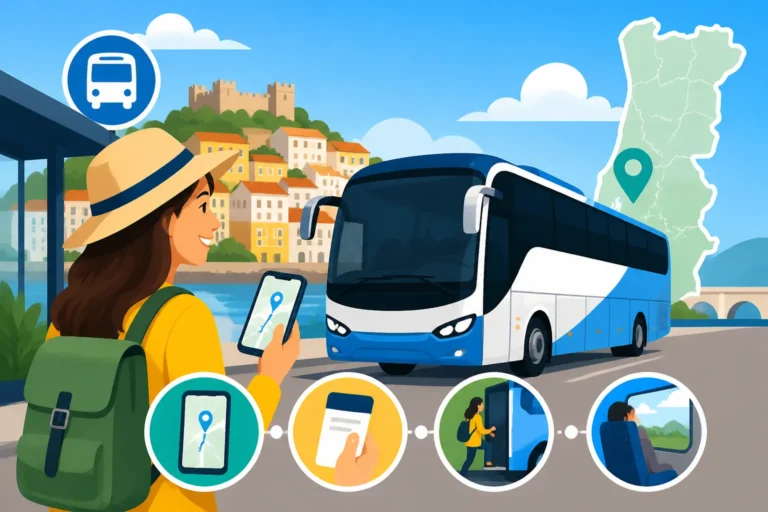
When trains don't reach your desired destination, or if you're looking for a more budget-friendly option, buses step in. Companies like Rede Expressos and FlixBus have extensive networks, connecting cities to smaller towns and even more remote areas. Buses are often more flexible with routes and schedules, though travel times can be longer. Again, Omio can be a real lifesaver here, allowing you to compare prices and journey times across different bus operators. If you're heading to a specific, perhaps less-touristy spot, buses might be your only public transport option. For a deeper dive into getting around, check out our guide on Public Transport and Driving in Portugal: Trains, Tolls, and Licenses.
For ultimate freedom, especially if you're aiming for national parks, rural villages, or simply hate sticking to schedules, renting a car is the way to go. Portugal's roads are generally well-maintained, though some rural paths can be winding and narrow. Be mindful of tolls; many highways operate electronic tolls, which can be confusing for first-timers. A Via Verde device, which can be rented with your car, makes navigating these a breeze. Otherwise, ensure your rental car has the correct transponder, or you'll need to pay tolls manually at a CTT post office or Payshop agent a few days after your trip. Fuel costs are comparable to other Western European countries, and parking in city centers can be a challenge and costly. However, the ability to stop at a whim for a photo opportunity or to explore a hidden gem is invaluable.
Accommodation: From Boutique to Budget
For weekend getaways, where you stay can truly define the experience. Portugal boasts an incredible range of accommodation options to suit every taste and budget. If you're looking for convenience and a wide selection, platforms like Booking.com are indispensable. You'll find everything from luxurious boutique hotels in historic city centers to charming guesthouses (often called alojamento local or casa de campo) tucked away in vineyards or along the coast.
For a unique experience, consider staying in a quinta (a traditional estate, often a winery or farm) in the Douro Valley or Alentejo, or a cozy guesthouse in a medieval village. These smaller, independent accommodations often provide a more authentic local experience and incredible hospitality. If you're on a tighter budget, hostels are abundant in major cities and popular tourist towns, offering both dorms and private rooms. Even campsites are an option, especially if you're exploring the more natural side of Portugal.
My advice? Always book ahead, especially if you're traveling during peak season (June to September), around public holidays, or to particularly popular destinations like Sintra or the Algarve. Demand can be high, and prices will reflect that. Reading recent reviews on Booking.com or other sites is crucial to ensure the place meets your expectations for comfort, cleanliness, and location. Don't be afraid to try something a little different – sometimes the best memories are made in the most unexpected little casas you stumble upon.
Packing Smart and Staying Safe
When planning your escape, packing smart is key, especially if you're traveling light for a day trip or a short weekend. Portugal's weather can be surprisingly varied depending on the region and time of year. While the south is generally sunny, the north can be cooler and wetter, and mountain regions like Serra da Estrela will have entirely different conditions. Always check the forecast for your specific destination. Layers are your friend! Even on a warm day, evenings can get cool, and interiors of historical buildings might be chilly.
Comfortable walking shoes are non-negotiable. Whether you're navigating cobblestone streets, hiking coastal paths, or exploring ancient ruins, your feet will thank you. A small backpack with water, snacks, sunscreen, a hat, and a light jacket is usually sufficient for day trips. For longer stays, consider a versatile wardrobe that can be mixed and matched.
When it comes to safety, Portugal is generally a very safe country, but like anywhere, common sense prevails. In crowded tourist areas of Lisbon and Porto, be mindful of pickpockets, particularly on public transport like the famous Tram 28. Keep valuables secure and out of sight. If driving, never leave bags or electronics visible in your parked car. It's always a good idea to learn a few basic Portuguese phrases – a simple "Olá," "Obrigado/a," and "Por favor" goes a very long way in showing respect and often opens doors to friendlier interactions. You'd be surprised how much goodwill a little effort can generate.
Iconic Day Trips from Lisbon
Ah, Lisbon! Our beautiful capital, vibrant and full of life. But even the most ardent Lisbon lover needs a break from its seven hills and bustling miradouros now and then. Luckily, some of Portugal's most stunning and culturally rich destinations are just a stone's throw away, making them perfect for a quick escape.
Sintra: A Fairytale Escape
Sintra, a UNESCO World Heritage site, is probably the most popular day trip from Lisbon, and for good reason. It’s like stepping into a whimsical fairytale, with its eclectic palaces, lush gardens, and dramatic castles nestled amidst misty hills. The sheer variety of attractions means you could spend days here, but a well-planned day trip can still cover the highlights. The most iconic is the vibrant Palácio da Pena, a Romanticist castle perched atop a hill, visible for miles around. Its mix of colors and architectural styles is truly unique, almost like something out of a dream.
Then there's the enchanting Quinta da Regaleira, famous for its enigmatic Initiation Well and grottoes, which feel straight out of an Indiana Jones movie. And for history buffs, the ancient Castelo dos Mouros offers incredible panoramic views, remnants of a Moorish fortress that predates the Portuguese kingdom. The challenge with Sintra is its popularity, leading to crowds, especially during peak season. My advice? Get there early, and consider booking skip-the-line tickets online for the palaces. Public transport is straightforward: a direct train from Lisbon's Rossio station takes about 40 minutes. Once there, you can use the local bus service (the 434 circuit route is popular) or a tuk-tuk to navigate between the sites. If you prefer to have all the logistics handled, a guided tour can be a fantastic option. Many excellent tours, often found on platforms like GetYourGuide, combine transportation with expert guides, saving you the hassle of figuring out bus routes and entrance times.
Cascais and Estoril: Coastal Elegance
If your idea of a perfect escape involves sea breezes, sandy beaches, and a touch of old-world charm, then a trip to Cascais and Estoril is just what the doctor ordered. Easily accessible by a scenic coastal train ride from Lisbon's Cais do Sodré station (about 30-40 minutes), these towns offer a delightful contrast to the capital's urban landscape.
Cascais started life as a humble fishing village, then became a favorite summer retreat for the Portuguese royal family in the late 19th century. Today, it still retains that elegant, relaxed atmosphere, with a charming old town, a picturesque marina, and lovely sandy beaches. You can wander through its pedestrianized streets, browse boutique shops, enjoy fresh seafood at a waterfront restaurant, or simply relax on Praia da Rainha. A must-see is Boca do Inferno, a dramatic chasm in the cliffs where the Atlantic waves crash with impressive force. The coastal path between Cascais and Estoril is perfect for a leisurely stroll or bike ride, offering stunning ocean views.
Just a short distance away lies Estoril, famous for its grand casino (the largest in Europe and rumored to be a haunt for spies during WWII) and beautiful gardens. It's a bit more upscale and sedate than Cascais, but equally appealing for a day of relaxation. The train journey itself is part of the experience, hugging the Tagus River estuary before opening up to the wide expanse of the Atlantic. It's truly a refreshing escape from the city heat, and a great way to experience a different facet of Portuguese life.
Óbidos and Fátima: Medieval Walls and Spiritual Sanctuary
For a taste of medieval Portugal blended with a profound spiritual experience, a day trip combining Óbidos and Fátima offers a truly unique contrast. These destinations are often visited together on organized tours, as public transport connections can be a bit more time-consuming if you're trying to string them both together independently.
Óbidos is undeniably one of Portugal's most picturesque towns. Encased within perfectly preserved medieval walls, it's a labyrinth of narrow, cobblestone streets, whitewashed houses adorned with vibrant bougainvillea, and charming little squares. The main street, Rua Direita, is lined with craft shops, traditional restaurants, and bars where you absolutely must try ginjinha, a sour cherry liqueur, often served in a chocolate cup. It's a magical place to simply wander, imagine knights and kings, and soak in the atmosphere. The town becomes especially popular during its medieval market in July and the International Chocolate Festival in March.
Just over an hour's drive north from Óbidos lies Fátima, one of the most important Catholic pilgrimage sites in the world. It’s where three shepherd children reported seeing apparitions of the Virgin Mary in 1917. Today, the Sanctuary of Fátima draws millions of pilgrims annually to its vast esplanade, the Basilica of Our Lady of Fátima, and the Chapel of Apparitions. Regardless of your religious beliefs, the sheer scale and profound sense of devotion felt in Fátima are palpable and deeply moving. It’s a place for quiet reflection, offering a profound sense of peace. Direct buses from Lisbon (via Rede Expressos) are the most straightforward way to reach Fátima, taking about 1.5 hours. For Óbidos, buses are also available from Lisbon's Campo Grande station.
Unforgettable Day Trips from Porto
Porto, with its iconic bridges, historic Ribeira district, and world-famous port wine cellars, is a fantastic city to call home. But just like Lisbon, it’s surrounded by incredible destinations begging to be explored. From the dramatic landscapes of the Douro Valley to the historical cradle of the nation, a wealth of experiences awaits just a short journey from the Invicta city.
Douro Valley: Wine and River Views
If there’s one day trip from Porto that absolutely everyone should experience, it's a journey into the breathtaking Douro Valley. This UNESCO World Heritage site is the oldest demarcated wine region in the world, famous for its terraced vineyards that cling precariously to steep hillsides, creating a landscape of unparalleled beauty. And, of course, it’s the birthplace of port wine.
A trip here isn't just about wine tasting (though that's a significant part of the fun!); it's about the stunning scenery, the tranquil flow of the Douro River, and the charming quintas (wine estates) that dot the hills. You can take a scenic train ride from Porto’s São Bento or Campanhã stations, following the river deep into the valley, with the journey itself being a highlight. Stopping at towns like Régua or Pinhão allows you to visit a local quinta for a tour and tasting, learning about the arduous process of making port wine. Many quintas also offer delicious traditional lunches paired with their wines.
Another popular option is a river cruise, ranging from short, hour-long trips to full-day excursions that often include lunch and vineyard visits. These cruises provide a unique perspective of the terraced hills from the water. For those who prefer a more structured experience without worrying about driving after wine tastings, numerous organized tours are available. Platforms like GetYourGuide offer various options, often including transportation, multiple quinta visits, and a river cruise, making the logistics incredibly smooth. This region truly offers an escape into natural beauty and gastronomic delight.
Braga and Guimarães: The Birthplace of Portugal
For a deep dive into Portugal's rich history and religious heritage, a combined day trip to Braga and Guimarães is highly recommended from Porto. These two northern cities are often called the "birthplace of Portugal" and offer a fascinating glimpse into the nation's origins. They are easily accessible by train from Porto’s Campanhã station, making independent exploration straightforward.
Guimarães is often cited as "the cradle of the Portuguese nation" because it was the birthplace of Afonso Henriques, Portugal's first king. Its historic center is a UNESCO World Heritage site, a beautifully preserved medieval town boasting a magnificent castle (Castelo de Guimarães) and the impressive Palace of the Dukes of Braganza (Paço dos Duques de Bragança). Wander through its charming squares like Largo da Oliveira, with its ancient olive tree, and lose yourself in the narrow, winding streets. It feels like stepping back in time, and the pride in its heritage is palpable.
A short train ride away is Braga, Portugal's ecclesiastical capital and one of its oldest cities. It's a city steeped in religious tradition, known for its grand Baroque churches and beautiful gardens. The highlight is undoubtedly Bom Jesus do Monte, a spectacular sanctuary perched on a hillside, famous for its zigzagging Baroque staircase adorned with allegorical statues. It’s a bit of a hike, or you can take the funicular. In the city center, explore the impressive Braga Cathedral (Sé de Braga) and stroll through the elegant streets. The atmosphere in Braga is often described as more traditional and religious than Porto, offering a different cultural flavor to your journey.
Aveiro and Costa Nova: Venice of Portugal and Striped Houses
For a delightfully unique and picturesque day trip from Porto, head south to Aveiro and its nearby beach resort, Costa Nova. Aveiro is often dubbed the "Venice of Portugal" due to its charming canals plied by brightly painted, boat-like vessels called moliceiros. These traditional boats, once used to harvest seaweed, now ferry tourists along the city's waterways, offering a relaxing way to see the colorful Art Nouveau buildings lining the canals.
Beyond the canals, Aveiro is also famous for its sweet delicacy, Ovos Moles, a sugary egg yolk confection, often shaped into fish or barrels. You can find these delicious treats in many pastry shops. The city center is compact and very walkable, with a pleasant mix of historic architecture and modern vibrancy.
Just a short bus ride from Aveiro's city center (or a pleasant walk if you're feeling energetic) lies Costa Nova. This coastal village is instantly recognizable for its rows of charming fishermen's houses, painted in striking vertical stripes of vibrant colors – red, blue, green, and yellow – on a white background. These palheiros, originally used as haystacks and storage for fishing gear, are now beloved holiday homes. It's an incredibly photogenic spot, perfect for a leisurely stroll along the beach, enjoying the fresh sea air, and capturing some truly unique photos. Both Aveiro and Costa Nova offer a relaxed, visually captivating escape, easily reached by a direct train from Porto's Campanhã station in about an hour.
Weekend Getaways Beyond the Main Cities
While day trips are fantastic for a quick dose of new scenery, sometimes you need a little more time to truly unwind and immerse yourself. Portugal offers an array of incredible destinations perfect for a weekend escape, allowing you to slow down, explore deeper, and truly savor the local pace of life.
The Algarve: Sun, Sea, and Sand
The Algarve, Portugal's southern coastal region, is synonymous with sun, sea, and stunning beaches. While many flock to the larger resorts, there's a whole different side of the Algarve to discover beyond the well-trodden tourist paths, making it a fantastic weekend getaway for those living further north. Instead of just hitting the crowded hotspots, consider exploring the quieter, more traditional towns. Tavira, in the eastern Algarve, is a personal favorite – a charming town bisected by a river, with ancient churches, a Roman bridge, and easy access to the pristine beaches of Ilha de Tavira via a short ferry ride.
Further west, Lagos offers a lively atmosphere with a beautiful historic center, dramatic cliffs, and stunning grottos (like Ponta da Piedade) that are best explored by boat. Silves, nestled inland, offers a glimpse into the region's Moorish past with its impressive red-sandstone castle overlooking the town. The Algarve is perfect for beach hopping, exploring sea caves, and indulging in fresh seafood. While you can fly into Faro, a long but scenic train ride from Lisbon or Porto is also an option, allowing you to see more of the country. For accommodation, you'll find everything from luxurious villas to charming guesthouses on platforms like Booking.com, catering to all preferences for your sun-drenched escape. Whether you're interested in quiet coves, bustling markets, or stunning natural formations, The Algarve for Expats: Lagos, Faro, and Tavira Compared offers more insights.
Alentejo: Rolling Hills and Gastronomy
Stepping into the Alentejo is like entering another Portugal entirely – one of vast, rolling plains, cork oak forests, ancient olive groves, and a slower, more contemplative pace of life. It’s a region that beckons you to breathe deep, sip exquisite wines, and savor rich, hearty cuisine. For a truly authentic weekend escape, the Alentejo is unparalleled, especially if you have a car, which gives you the freedom to explore its hidden gems.
The UNESCO World Heritage city of Évora is the region's capital and a must-visit. Its Roman Temple, medieval walls, and the chilling Chapel of Bones offer a fascinating historical journey. But don't stop there. Drive through the sun-baked landscapes to discover charming whitewashed hilltop villages like Monsaraz, which offers breathtaking views over the Alqueva Lake and a true sense of timelessness. Another gem is Arraiolos, famous for its intricate handmade carpets. The Alentejo is a culinary paradise, boasting some of Portugal's finest olive oils, rich stewed meats (like ensopado de borrego), and robust wines. Many quintas and herdades (country estates) offer wine tasting tours and often have beautiful rooms for overnight stays, making it easy to indulge responsibly. A weekend here is less about ticking off sights and more about embracing the serenity, the flavors, and the warmth of Alentejan hospitality.
Serra da Estrela: Portugal's Mountain Heart
For those who crave cooler temperatures, dramatic landscapes, and a distinct change of scenery, a weekend getaway to Serra da Estrela is an absolute must. This is Portugal's highest mountain range, home to the highest peak on mainland Portugal (Torre, at 1,993 meters), and it offers an experience vastly different from the coastal or Alentejo regions. In winter, it's the only place in Portugal where you can truly experience snow and even try your hand at skiing or snowboarding at the small resort of Vodafone Ski.
Beyond winter sports, Serra da Estrela is a fantastic destination for hiking and exploring year-round. Its rugged, granite landscapes are dotted with glacial valleys, sparkling lakes, and cascading waterfalls. The region is also famous for its artisanal products, most notably the rich and creamy Queijo da Serra, a protected designation of origin cheese made from sheep's milk. You'll find many small villages nestled in the valleys, where life moves at a peaceful, traditional pace. Towns like Manteigas, Covilhã, and Seia serve as good bases for exploration.
Driving through Serra da Estrela is an adventure in itself, with winding roads offering spectacular vistas at every turn. Remember that weather conditions can change rapidly in the mountains, so pack accordingly, even in summer. It’s a place of raw, untamed beauty that feels a million miles away from the cities, offering a refreshing and invigorating escape for a truly memorable weekend.
The Practicalities: Making Your Trips Smooth
Once you've picked your destination, sorted your transport, and booked your stay, there are still those little practical details that can make or break your trip. As an expat, you quickly learn that some things work a little differently here, and being prepared can save you a lot of minor frustrations.
Language and Local Etiquette
While many Portuguese, especially in tourist areas and major cities, speak excellent English, making an effort with a few basic Portuguese phrases goes a long, long way. Locals truly appreciate it and it can open doors to warmer interactions and better service. Simple greetings like "Bom dia" (good morning), "Boa tarde" (good afternoon), "Boa noite" (good evening/night), "Por favor" (please), and "Obrigado/Obrigada" (thank you, male/female speaker) are essential. Don't worry about perfect pronunciation; the effort is what counts. For more structured learning, consider exploring resources like Learning European Portuguese: Top Apps, Tutors, and Free Government Classes.
In terms of etiquette, Portuguese culture is generally polite and reserved, though warm once you break the ice. Meal times are often later than in many other countries, with lunch usually around 1-3 PM and dinner rarely before 7:30 PM, often closer to 8 or 9 PM. If you're invited to someone's home, bringing a small gift like pastries or a bottle of wine is a thoughtful gesture. Tipping is appreciated but not mandatory; rounding up the bill or leaving a few euros for good service is common. When entering smaller shops, a polite "Bom dia" upon entering and "Adeus" upon leaving is customary. These small gestures show respect for the local culture and can significantly enhance your travel experience.
Food and Drink Discoveries
One of the greatest joys of exploring Portugal is undoubtedly its food and drink scene. Each region, town, and even village has its own specialties, and embracing these local flavors is paramount to a fulfilling trip. Don't stick to what you know; be adventurous! In the north, you might find heartier, meat-based dishes like Francesinha in Porto, or rich stews in the interior. Along the coast, fresh seafood and grilled fish are king – think grilled sardines, bacalhau (codfish) prepared in a thousand ways, or fresh octopus salad.
In the Alentejo, the cuisine is characterized by its use of pork, olive oil, and herbs, often with delicious bread-based dishes. And of course, no trip is complete without trying the local wines. From the crisp Vinho Verde of the Minho region to the robust reds of the Alentejo and the sweet port wine of the Douro, there's a wine to suit every palate. Always seek out local markets, too; they're a feast for the senses and a great place to pick up fresh produce, local cheeses, and regional delicacies, perfect for a picnic. For a deeper understanding of dining out, consider our guide on Portuguese Coffee Culture and Restaurant Etiquette: Ordering Like a Local.
Staying Connected: SIM Cards and Wi-Fi
In today's world, staying connected is often crucial for navigation, checking opening hours, or simply sharing your adventures. While many hotels, restaurants, and cafes offer free Wi-Fi, having a local SIM card with data can provide invaluable peace of mind, especially when exploring more remote areas. Major providers like Vodafone, MEO, and NOS offer prepaid SIM cards that are easy to purchase and top up. You can usually pick one up at the airport or any of their stores in larger towns and cities.
Having your own data plan allows you to rely on Google Maps or other navigation apps without worrying about finding Wi-Fi, which is particularly useful if you're driving. It also means you can easily look up information on the go, check bus schedules, or make reservations. While free public Wi-Fi spots are becoming more common, especially in city centers, they can be unreliable or require registration. A local SIM provides consistent, reliable connectivity, ensuring your explorations are as smooth as possible.
Transport Options Comparison
To help you decide which mode of transport is best for your next Portuguese adventure, here's a quick comparison:
| Mode of Transport | Cost (Typical) | Speed | Flexibility | Best Use Case |
|---|---|---|---|---|
| Train (CP) | Medium | High | Low | City-to-city travel, scenic routes (e.g., Douro Valley), comfortable journeys. |
| Bus (Rede Expressos, FlixBus) | Low | Medium | Medium | Reaching smaller towns, budget travel, often more direct routes than trains to specific locations. |
| Car Rental | High (incl. fuel, tolls, parking) | High | High | Exploring rural areas, national parks, off-the-beaten-path villages, group travel. |
| Organized Tour | Medium-High | Medium | Low | Hassle-free experience, expert guide, no driving worries, often includes multiple stops and activities (e.g., wine tasting, entrance fees). |
Disclaimer
Please note that while we strive to provide the most accurate and up-to-date information, travel regulations, opening hours, and prices in Portugal can change. It's always a good idea to double-check specific details, especially regarding public transport schedules and attraction opening times, closer to your travel date. This guide is for informational purposes only and does not constitute professional advice.