How to Use Rede Expressos Buses in Portugal
Disclosure: This article contains affiliate links. If you buy through them, we may earn a commission at no extra cost to you. Read our full disclosure.
Navigating public transport in a new country can feel like solving a complex puzzle, especially when you're trying to figure out intercity travel without a car. For many of us expats in Portugal, the Rede Expressos bus system quickly becomes our lifeline for exploring this beautiful country. This guide aims to demystify everything from booking your ticket to understanding the nuances of Portuguese bus terminals, ensuring your journeys are as smooth as possible.
Understanding Rede Expressos: Your Go-To for Intercity Travel
When you first arrive in Portugal, you'll quickly realize that the train network, while excellent for some routes, doesn't reach everywhere. That's where Rede Expressos steps in, becoming the unsung hero of many an expat's travel adventures. It's essentially Portugal's most extensive national bus network, connecting pretty much every major city, town, and even quite a few smaller villages.
What is Rede Expressos and Why Expats Rely on It
Rede Expressos is not just a bus company; it's a comprehensive network of routes spanning the entire mainland of Portugal, and it's been around for ages. For expats, it's invaluable for several reasons. Firstly, it's often significantly more affordable than train travel, especially if you're booking closer to your travel date or for less popular routes. Believe me, when you're budgeting in euros, every little saving helps, and this definitely contributes to the overall affordability of the country, as discussed in our detailed guide on the Cost of Living in Portugal 2026: Detailed Budgets for Singles and Families. Secondly, its reach is unparalleled. While the train might get you from Lisbon to Porto, a Rede Expressos bus can get you from Lisbon to a charming, slightly off-the-beaten-path town in the Alentejo or deep into the Algarve without a hitch.
The sheer frequency of departures on popular routes, like between Lisbon and Porto or Lisbon and Faro, means you have a lot of flexibility. If you miss one bus, chances are another is coming within the hour or two. This reliability and extensive coverage make it a staple for anyone wanting to truly explore beyond the capital.
Key Routes and Destinations Covered
Rede Expressos prides itself on connecting the country. Think of virtually any significant location in mainland Portugal, and there's a very high probability Rede Expressos serves it.
- Major City Hubs: Lisbon (primarily Sete Rios and Oriente terminals), Porto (Campo 24 de Agosto), Faro, Coimbra, Évora, Braga, Guimarães – these are all well-connected with multiple daily services. If you're planning a weekend trip, say from Lisbon to the vibrant city of Porto Neighborhood Guide: Where to Live for Culture, Tech, and Family, Rede Expressos will have you covered with dozens of options.
- Coastal Towns: From the surf breaks of Peniche and Ericeira to the sun-drenched beaches of the Algarve like Lagos, Albufeira, and Tavira, buses run regularly, making coastal escapes accessible even if you don't own a car.
- Interior Gems: Want to explore the historical beauty of Castelo Branco or the natural parks of Serra da Estrela (though some connections might require local transfers)? Rede Expressos can get you remarkably close. This really opens up opportunities to see parts of Portugal that aren't always on the main tourist circuit.
The route network is constantly optimized, but the core connections remain steadfast. Before planning any trip, it’s always best to check their official website for the most current routes and schedules.
The Difference Between Rede Expressos and Other Bus Companies
While Rede Expressos is the biggest player, it’s not the only one on the road. You’ll also come across companies like FlixBus and Citi Express, and it’s worth knowing how they compare.
- Rede Expressos: This is the national champion. They have the most extensive network, generally good reliability, and a strong presence in all major bus terminals (rodoviárias). Their pricing is usually competitive, especially if booked in advance. They also have their own dedicated terminals in many cities, which can be an advantage.
- FlixBus: This German-based company has expanded rapidly across Europe, including Portugal. FlixBus often offers incredibly cheap fares, especially if you book well in advance. However, their routes might be slightly less comprehensive than Rede Expressos, focusing more on popular intercity connections. The main difference for expats is that FlixBus tends to operate out of different, sometimes less central, bus stops or simply curbside pickups in certain cities. Always double-check your departure location with FlixBus!
- Citi Express: Often seen as a smaller, complementary service, Citi Express is actually part of the Rede Expressos group but sometimes operates slightly different routes or offers different price points. You might find a Citi Express bus serving a route that Rede Expressos doesn't, or vice-versa, or simply offering an earlier/later departure.
For most expats, Rede Expressos offers the most consistent and reliable experience for general travel within Portugal. If budget is your absolute top priority and you don't mind potentially less convenient pickup points, then platforms like Omio can help you compare prices across different operators, including FlixBus, to find the cheapest option for your specific journey.
Booking Your Rede Expressos Ticket: Online, App, and Station
The process of getting your ticket might seem a bit daunting at first, especially if you're not fluent in Portuguese, but trust me, it's quite straightforward once you get the hang of it. We've all been there, squinting at screens and trying to translate on the fly!
Navigating the Official Website and Mobile App
The easiest and often most cost-effective way to book your Rede Expressos tickets is online. Their website is generally user-friendly and has an English language option, which is a massive relief for many of us.
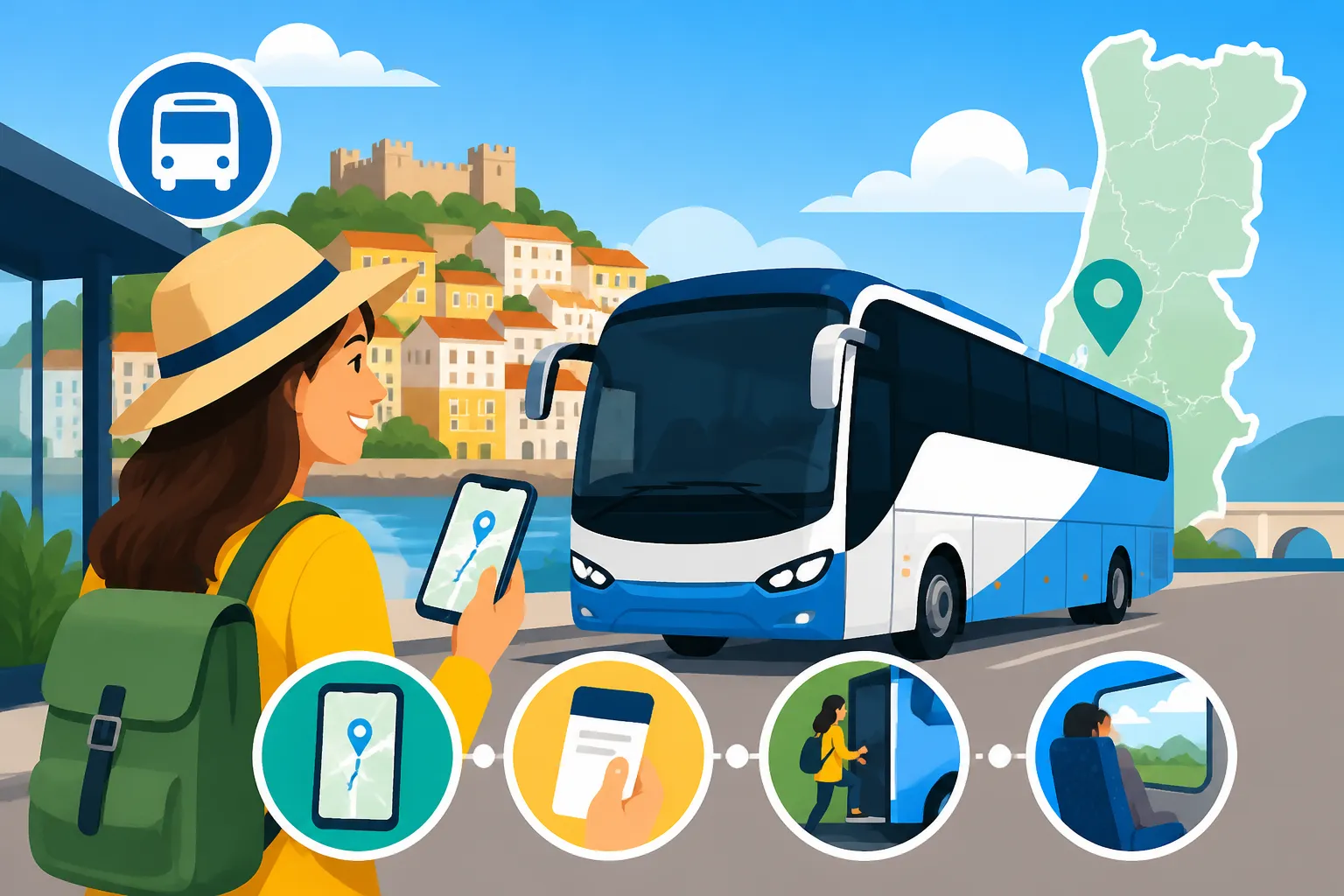
- Visit the Website: Head to the official Rede Expressos website. Look for the language selector, usually a small flag or "PT/EN" option, and switch to English.
- Enter Your Details: Input your departure point, destination, date of travel, and whether it's a one-way or round trip. You'll also specify the number of passengers.
- Choose Your Journey: The site will display available departures, times, and prices. You'll often see different types of services, like "Normal," "Directo," or "Intercidades," indicating the number of stops. Pay attention to the travel time, as a cheaper ticket might mean a longer journey with more stops.
- Select Your Seat: Most services allow you to pick your seat, similar to booking a flight. If you're tall, an aisle seat might be more comfortable.
- Passenger Information: This is where you'll enter your name and, importantly, your passport number or NIF (Número de Identificação Fiscal). The NIF is crucial for almost everything in Portugal, including potential tax deductions, as we cover in e-Fatura guide: Why cashiers ask for your NIF at the supermarket. Make sure this is accurate, as it identifies you for your ticket.
- Payment: You can typically pay with a credit/debit card. Many Portuguese online services also heavily rely on the Multibanco system, so if you have a Portuguese bank account, you might see an option to generate a Multibanco reference. Some modern banks also integrate with MB Way, which is widely used for quick, secure payments here. If you're still getting set up with local banking, using an international card or a service like Wise to fund your Portuguese account for payments is often the way to go.
- Receive Your Ticket: Once paid, your ticket will be sent to your email address. You can print it or simply show the PDF on your phone when boarding. They are usually fine with either.
The Rede Expressos mobile app offers a very similar experience and is great for booking on the go, checking schedules, or even managing your bookings if plans change.
Buying Tickets at the Bus Station (Rodoviária)
While online is convenient, sometimes you need to buy a ticket in person, especially if you're spontaneous or if you're in a smaller town where internet access isn't reliable.
- Locating the Ticket Counter: At larger terminals like Sete Rios in Lisbon or Campo 24 de Agosto in Porto, there will be dedicated Rede Expressos ticket counters. In smaller towns, the bus station (or rodoviária) might just have one central counter for all operators. Look for the Rede Expressos logo.
- The Process: Approach the counter and state your destination, desired time, and number of passengers. Even if your Portuguese isn't perfect, "Um bilhete para [destination], por favor" (One ticket to [destination], please) usually does the trick. Knowing basic numbers for dates and times will also be helpful. Don't be afraid to use a translation app on your phone if you hit a language barrier; the staff are generally used to it.
- Payment: Cash (euros, of course) or card are accepted. Again, if you have a Portuguese bank account, the Multibanco option might be available.
- Identification: They will likely ask for your ID, so have your passport or Portuguese residence card handy.
It's a good idea to arrive a bit earlier if you plan to buy your ticket at the station, especially during peak travel times like holidays or the start of the weekend. This allows for potential queues and ensures you don't miss your bus.
Understanding Ticket Types and Discounts
Rede Expressos offers a few different fare categories and discounts that can save you some money.
- Standard Fares: These are your regular adult tickets. Prices fluctuate based on demand, time of day, and how far in advance you book. Early bird often catches the worm (and the cheaper ticket!).
- Youth Card (Cartão Jovem): If you're under 30 and have a valid Cartão Jovem (which you can get in Portugal), you might be eligible for a discount, usually around 25%.
- Senior Card (Cartão Sénior): For those aged 60 and over, a senior card (or sometimes just proof of age with ID) can also unlock discounts, often 50% off. It's always worth asking at the counter or checking the online options if you qualify.
- Round Trip (Ida e Volta): Booking a return ticket often comes with a slight discount compared to buying two one-way tickets separately. It's not a huge saving, but every euro counts.
- Flexibility Options: Some tickets might offer more flexibility for changes or cancellations, but these typically come at a slightly higher price. Always read the terms and conditions, especially if your plans are uncertain.
Here's a quick comparison of general luggage allowances, which is often a point of confusion for new arrivals:
| Item | Rede Expressos Allowance | Extra Fee/Notes |
|---|---|---|
| Carry-on | 1 small bag (fits under seat or in overhead rack) | Free, must fit in designated space. |
| Hold Luggage | 1 bag (max 25kg, 80x50x30cm approx.) | Free. Dimensions and weight are guidelines, but reasonable enforcement. |
| Additional Hold Bag | 1 additional bag (same max specs) | Subject to an extra fee (typically €5-€10, paid at ticket counter or directly to driver if space available). |
| Special Items | Bikes, surfboards, large instruments | Must be properly packaged. Subject to special fees and space availability (best to check with them directly in advance). |
Remember, drivers have the final say on what goes into the hold, and they will usually charge a small fee for anything over the standard allowance. It’s always better to be prepared than to be caught off guard when you're rushing to catch your bus!
Preparing for Your Journey: What to Expect at the Bus Terminal
Stepping into a major bus terminal in Portugal can be a bit of a sensory overload, especially if you're used to quieter train stations or small-town bus stops. But armed with a little knowledge, you'll navigate it like a pro.
Finding Your Terminal and Gate
Portugal's major cities have central bus terminals, often called rodoviárias. In Lisbon, the two main ones are Sete Rios and Oriente. In Porto, it's generally Campo 24 de Agosto.
- Lisbon – Sete Rios: This is the primary hub for Rede Expressos. It's directly connected to the Jardim Zoológico metro station (Blue Line). Inside, it's a bustling place with ticket counters, small cafes, and often a grocery store (Pingo Doce) if you need last-minute snacks. The bus gates are clearly numbered, but it's a good idea to check the departure screens as sometimes gates can change. Give yourself ample time to find your way, especially if it's your first time.
- Lisbon – Oriente: While Oriente is a major transport hub for trains (including high-speed Using Comboios de Portugal (CP) Trains and the Navegante Pass), it also serves some bus routes. It's sleek, modern, and located within the Parque das Nações area. If your ticket says Oriente, you'll be looking for the bus platforms, which are usually well-signed.
- Porto – Campo 24 de Agosto: This is Porto's main Rede Expressos terminal, conveniently located on the metro's Line A, B, C, E, F. It's a bit smaller than Sete Rios but still gets very busy. Again, look for the departure screens and gate numbers. If you're exploring Porto Neighborhood Guide: Where to Live for Culture, Tech, and Family, this station is a key artery.
- Smaller Towns: In smaller towns, the bus station might be just a single building with a few platforms. It's often easy to spot and navigate. Always check Google Maps for "terminal rodoviário" or "estação de autocarros" for accuracy.
Always arrive at least 20-30 minutes before your scheduled departure time. This gives you time to confirm your gate, grab a coffee, and use the facilities without feeling rushed.
Luggage Allowances and Extra Fees
We briefly touched on this in the table above, but let's dive a bit deeper, as this is where many expats hit a snag. The official allowance is usually one carry-on bag and one piece of hold luggage up to 25kg.
- The Real World Scenario: While 25kg is the official limit, unless your bag looks visibly oversized or extraordinarily heavy, many drivers are quite relaxed. However, if you're moving house, like many expats tend to do between cities, and have multiple large suitcases, be prepared to pay for the extra bag. The fee is usually paid directly to the driver or at the ticket counter beforehand. It’s typically a nominal fee, perhaps €5-€10 per extra piece, but it’s always at the driver’s discretion and depends on available space.
- Fragile Items: If you have anything delicate, make sure it's packed extremely well. Portuguese bus drivers are efficient, but the luggage hold isn't always treated with kid gloves.
- Valuables: Never put valuables, important documents, or medication in the hold luggage. Keep them with you in your carry-on. Bus station lockers are a thing of the past for safety reasons, so what goes in the hold, stays in the hold.
A good rule of thumb is to pack efficiently. If you know you'll have extra luggage, budget for the fee and consider if a direct train might be a better option if it means avoiding multiple bags on a bus.
Onboard Experience: Comfort, Wi-Fi, and Stops
Once you're on board and settled, what can you expect from the journey itself?
- Comfort: Rede Expressos buses are generally quite comfortable for intercity travel. They usually have reclining seats, overhead storage for smaller items, and air conditioning (which is a blessing in the scorching Portuguese summer!). Legroom is typically adequate, but if you're particularly tall, aim for a seat near the front or an aisle seat when booking.
- Wi-Fi: Most modern Rede Expressos buses offer free Wi-Fi. However, and this is a common complaint amongst us expats, don't rely on it being consistently fast or even working for the entire journey. It's best for light browsing or checking messages. For anything critical, make sure you have a good mobile data plan or consider getting an eSIM from providers like Airalo if you're just visiting.
- Power Outlets: Some buses, especially newer models, have USB charging ports or even standard power outlets. This is not guaranteed, though, so a portable power bank is always a wise companion.
- Restroom: There's usually a small restroom on board, typically located at the back. It's functional but generally recommended for emergencies only. Most longer journeys will have at least one scheduled stop at a service station where you can use cleaner facilities and grab a snack.
- Stops: For longer journeys, particularly those over 2-3 hours, the bus will usually make a brief stop (10-15 minutes) at a service area (área de serviço). This is your chance to stretch your legs, use a proper restroom, and grab a coffee and a pastry. Listen carefully to the driver when they announce these stops; they usually say how long the stop will be and when to be back on the bus. They won't wait for stragglers!
Enjoy the scenery! Portugal is stunning, and bus travel offers a different perspective than trains or driving, letting you take in the countryside.
Practical Tips for a Smooth Trip: Expats' Insider Knowledge
Even with all the technical details sorted, little things can make or break your journey. Experienced expats often pick up useful tricks and learn from common mishaps, and this section shares some of them.
Language Barriers and How to Overcome Them
Portuguese is the national language, and while many people in tourist areas or major cities speak some English, don't count on it being universally available, especially outside Lisbon or Porto.
- Basic Phrases: Learning a few key phrases like "Olá" (hello), "Obrigado/Obrigada" (thank you, male/female), "Por favor" (please), "Desculpe" (excuse me/sorry), and "Pode falar mais devagar, por favor?" (Can you speak slower, please?) can go a long way. Even just trying shows respect and often gets a more patient response. If you're keen to dive deeper, learning Portuguese for Career Growth: Certificates and Business Language can open many doors.
- Translation Apps: Google Translate or DeepL are your best friends. Download the offline Portuguese language pack to ensure you can use it even without Wi-Fi. It’s perfect for quickly translating signs, asking specific questions, or understanding announcements.
- Gestures and Patience: Sometimes, a combination of pointing, gesturing, and a smile is all you need. Portuguese people are generally very warm and helpful, even if there's a language barrier. Patience is paramount, both for you and for the person trying to help you.
- Print Your Ticket: Even if you have it on your phone, a printed copy can be a lifesaver if your phone battery dies or if the internet is patchy when boarding. It also makes it easier for staff who might be more comfortable scanning a physical document.
Cancellations, Delays, and Rebooking
Unfortunately, like any public transport system, Rede Expressos journeys can sometimes be delayed or, in rare cases, cancelled. It's part of the travel experience, anywhere in the world.
- Checking for Delays: Always check the Rede Expressos website or app before you head to the terminal for any updates on your specific journey. Major delays are usually posted there.
- At the Terminal: If you're already at the station, keep an eye on the departure screens. If your bus is delayed, it will usually be updated there. If there's a significant delay or cancellation, announcements might be made (often only in Portuguese, which is where your translation app comes in handy!).
- What to Do: If your bus is cancelled, head to the ticket counter. They will typically offer you a refund or rebook you on the next available bus. If that's too far away, they might even suggest an alternative route or operator. If you booked through a third-party site like Omio, you might need to contact their customer support first, but usually, the bus company's ticket counter is the first port of call.
- Peak Season: Delays are more common during peak season (especially July and August) and during public holidays. Keep in mind that "The August Shutdown": Why getting things done in summer is impossible sometimes extends to transport running on a slower schedule too. Build in extra buffer time if your schedule is tight.
Making Connections and Navigating Transfers
If your journey involves a transfer, especially in a large hub like Sete Rios, pay close attention to the details.
- Terminal Changes: Most transfers with Rede Expressos will occur within the same terminal, but occasionally, particularly in Lisbon, you might need to change from Sete Rios to Oriente for certain routes, or vice versa. Always check your ticket! If you do need to switch terminals, factor in metro travel time (about 20-30 minutes between Sete Rios and Oriente, including walking to/from platforms).
- Time Buffers: When planning your trip, give yourself a generous buffer between connections, ideally an hour or more. This accounts for potential delays with your first bus and stress-free navigation to your next gate. Rushing between buses with luggage is no fun.
- Ask for Help: Don't hesitate to ask staff at the terminal for directions to your next gate ("Onde é o portão [gate number], por favor?"). They are there to help, and it’s better to ask than to get lost.
Overall, using Rede Expressos is a fantastic, affordable, and authentic way to see Portugal. It might have a few quirks, but with a little preparation and a flexible mindset, you'll be zipping across the country like a local in no time. For more information on getting around, be sure to check our comprehensive Public Transport and Driving in Portugal: Trains, Tolls, and Licenses guide. Enjoy the ride!
Disclaimer
Please note that while this guide provides up-to-date and accurate information as of its publication, regulations, schedules, and pricing for transport services in Portugal can change. We recommend always checking the official Rede Expressos website or app for the latest details before planning your journey. This content is for informational purposes only and does not constitute professional advice.