e-Fatura guide: Why cashiers ask for your NIF at the supermarket
Disclosure: This article contains affiliate links. If you buy through them, we may earn a commission at no extra cost to you. Read our full disclosure.
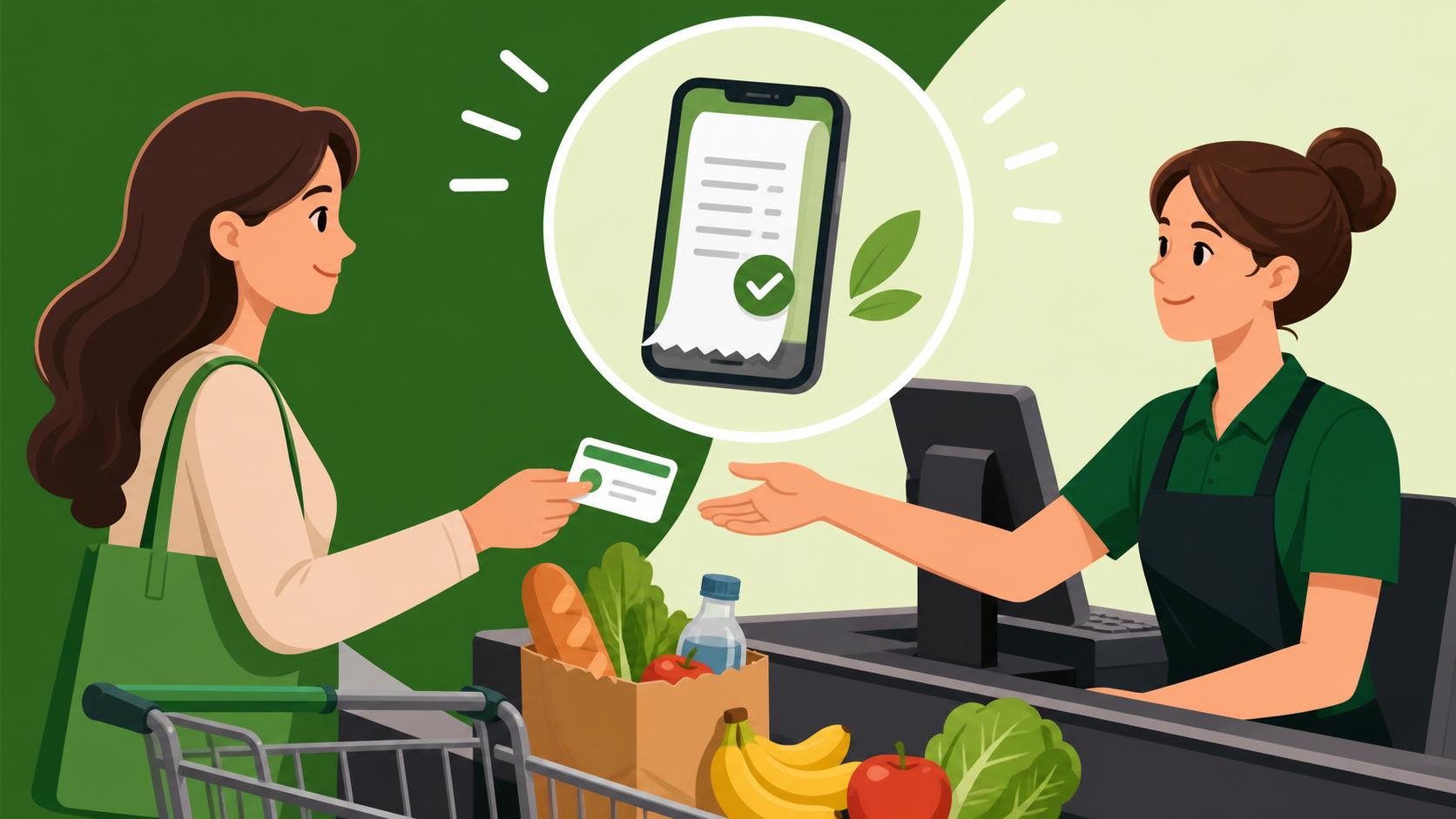
One of the most disorienting experiences for a new arrival in Portugal happens at the grocery store checkout. You’re just trying to buy a carton of milk and some pão de Deus, but before you can pay, the cashier asks a rapid-fire question that sounds like a secret code: "Número de contribuinte?" or "NIF na fatura?" I remember staring blankly at the cashier during my first week in Cascais, feeling the impatient heat of the line behind me as I fumbled for my wallet. This guide solves the mystery of the e-Fatura system and explains why giving that nine-digit number is actually the smartest financial move you can make as an expat.
Understanding the e-Fatura System: More Than Just a Tax Receipt
The e-Fatura system is Portugal’s sophisticated digital platform designed to track every single commercial transaction in the country. To the uninitiated, it looks like a massive surveillance tool, but for the Portuguese government, it is the primary weapon against the "shadow economy." By encouraging consumers to ask for their tax identification number (NIF) on every receipt, the state effectively turns every citizen into a voluntary tax inspector. When you associate your NIF with a purchase, that business is forced to report the sale to the Autoridade Tributária (the tax authorities), making it nearly impossible for shops or service providers to hide income.
For a veteran expat, the transition from a "cash is king" or "no questions asked" culture to the NIF-centric world of Portugal takes time. You might wonder why the government needs to know you bought a coffee at the local kiosk or a new pair of shoes at the mall. However, this level of transparency is deeply woven into the Money and Finance in Portugal: The Ultimate 2026 Guide for Expats. Once you understand that the system is built on mutual benefit—the government gets its tax revenue, and you get a discount on your annual taxes—the constant questioning becomes much less intrusive and much more like a game of collecting points.
It is important to realize that the e-Fatura system isn't just for large purchases. Whether you are paying for a €0.80 espresso or a €2,000 dental procedure, the question remains the same. In the early days of your residency, you might feel self-conscious about holding up the line to recite your number, but in Portugal, it is as standard as saying "bom dia." In fact, many locals have their NIF memorized or kept on a small card in their wallet specifically for this purpose. If you are using international tools like Wise to manage your daily spending, you can still provide your NIF at the register regardless of which card you use to tap and pay.
Why You Should Say Yes: The Direct Benefits of Providing Your NIF
The most tangible reason to provide your NIF is the massive impact it has on your annual IRS (Imposto sobre o Rendimento de Pessoas Singulares) return. In many countries, tax deductions are limited to business expenses or high-value items like mortgages. In Portugal, the system is much broader. By classifying your receipts correctly on the e-Fatura portal, you can claw back hundreds, or even thousands, of euros from the state. This is a crucial component of Portuguese Taxes for Expats: IRS, Tax Residency, and Filing Deadlines that many newcomers overlook until it's too late in the year to make a difference.
Each category of spending has a different "reimbursement" percentage. For example, general family expenses like groceries and electricity allow for a small percentage of VAT (IVA) to be deducted, while specialized categories like healthcare, education, and even hair salons or car repair shops offer much higher incentives. If you are a remote worker on a D8 visa, you are likely already tracking your income carefully, but tracking these tiny deductions is what separates a struggling expat from one who is truly thriving. Even if you are investing your extra savings through platforms like Trade Republic, every euro saved through e-Fatura is essentially a risk-free return on your daily cost of living.
Beyond the tax breaks, there is a uniquely Portuguese incentive called the "Fatura da Sorte" or the Lucky Receipt. Every time you ask for your NIF on a receipt, you are automatically entered into a government-run lottery. The prizes are usually Treasury Bonds (Certificados do Tesouro), and while the odds are slim, the possibility of winning several thousand euros just for buying groceries is a quirk of life here that everyone eventually learns to love. It turns the mundane task of Deducting Expenses on IRS: e-Fatura, Supermarkets, Rent, and Healthcare into a low-stakes weekly raffle.
| Category | Typical Deduction Limit | Why it Matters |
|---|---|---|
| General Family Expenses | Up to €250 per person | Covers groceries, clothing, and utilities. |
| Healthcare | 15% of expenses (Max €1,000) | Includes pharmacies, doctors, and specialists. |
| Education | 30% of expenses (Max €800) | School fees, books, and language courses. |
| Housing | 15% of rent (Max €600) | Only for registered long-term rental contracts. |
| Repair/Service Sectors | 15% of VAT | Mechanics, hairdressers, and restaurants. |
| Veterinary Care | 15% of VAT | Important for those moving with pets. |
How to Navigate the e-Fatura Portal Like a Pro
Simply giving your NIF at the supermarket isn't the end of the journey. To actually receive your money back, you must interact with the e-Fatura portal or the "E-fatura" mobile app. Businesses have until the 25th of the following month to report your purchases, but often, the system doesn't know which "bucket" to put your expense into. This is especially common with large retailers like Continente or Auchan that sell both food (general expenses) and electronics or clothing. You will frequently see a list of "pending" receipts that require your manual intervention to classify.
Navigating this portal is a rite of passage for any foreigner living in Portugal. You will need your NIF and your Finanças password (which you should request as soon as you arrive). Once logged in, you’ll see a dashboard with colorful icons representing different spending sectors. If you see a warning sign, it means you have receipts that need to be assigned to a category. It feels like a chore at first, but doing this once a month prevents a massive headache when it comes time for Filing the Annual IRS Tax Return (Modelo 3): Deadlines and Process.
A common pitfall for expats is ignoring the portal because they don't have a traditional "job" in Portugal. Whether you are living on a pension, remote income, or even if you are managing a crypto portfolio via Binance, maintaining a clean e-Fatura record is vital for proving your fiscal residence and showing that you are an active part of the Portuguese economy. It also helps if you ever need to provide proof of expenses for a lease or a loan. If you aren't sure how to do this, check out our guide on How to validate your invoices on e-Fatura before the February deadline to ensure you don't miss the cutoff date, which is usually in late February.
Maximizing Your Returns: Tips for the Savvy Expat
To truly master the system, you need to be proactive. One of the best tips I can give is to use the "Pingo Doce" or "Continente" loyalty apps. You can usually save your NIF directly in these apps so that when you scan your loyalty card at the checkout, your NIF is automatically added to the invoice without you having to say a word. This is a lifesaver when you are still struggling with the pronunciation of Portuguese numbers. It also ensures that you never miss a deduction because you were in a rush or forgot the phrase.
Another high-level strategy involves your utility bills and rent. Make sure your electricity (EDP), water, and internet (MEO/Vodafone/NOS) accounts are all in your name and associated with your NIF. These are the "silent earners" of the e-Fatura system. While these companies usually report correctly, errors happen, and a missing utility deduction can cost you a significant chunk of your rebate. If you are still in the process of setting up your life, ensure you meet the ActivoBank account opening requirements for D7 and D8 Visa holders early on, as having a local bank account makes setting up these direct debits much smoother.
Finally, keep in mind that the system is strictly limited to Portuguese entities. You cannot ask an Amazon vendor in Germany or a freelancer in the US to put your NIF on an e-Fatura receipt—it simply won't show up in the portal. However, for all your local life—from the vet to the local "tasca" for lunch—the NIF is your best friend. Even when transferring money for large local payments, using services like Wise vs Revolut vs Bank Transfers: Cheapest Way to Move USD/GBP to EUR can help you manage the funds, but the NIF on the final receipt is what secures your tax benefit. Don't forget that The Multibanco System and MB Way: Portugal's Unique Payment Network is also integrated into this ecosystem; often, when you pay via MB Way, the merchant may still ask for your NIF to ensure the digital receipt is correctly logged.
Disclaimer
The information provided in this guide is for informational purposes only and does not constitute professional tax, legal, or financial advice. Tax laws in Portugal are subject to frequent changes, and individual circumstances can vary significantly. We strongly recommend consulting with a certified Portuguese accountant (Contabilista Certificado) or a legal professional before making any major financial decisions or filing your tax returns. The author is a lifestyle blogger and expat, not a licensed financial advisor.