São Miguel (Azores): A First-Timer’s Guide
Disclosure: This article contains affiliate links. If you buy through them, we may earn a commission at no extra cost to you. Read our full disclosure.
Planning a trip to the middle of the Atlantic can feel like trying to solve a puzzle where the pieces keep changing color. Many first-timers struggle with the erratic weather, the confusing logistics of inter-island travel, and the sheer density of things to see on São Miguel. This guide simplifies the chaos, offering a realistic, veteran perspective on how to master the largest island in the Azores.
Getting There and Navigating the Green Island
Flying into Ponta Delgada (PDL) is your most likely entry point, and while it looks close on a map, the logistics of reaching the Azores from mainland Portugal or North America require some foresight. As someone who has spent years navigating the Portuguese transport systems, I can tell you that the "Green Island" is surprisingly vast once you are on the ground. Most travelers underestimate the driving times because they see short distances, but the winding, misty mountain roads tell a different story.
Flights and Inter-Island Connectivity
When you are booking your initial flight, you will likely be choosing between the national carrier, TAP, or the local airline, SATA (Azores Airlines). If you are coming from Lisbon or Porto, the flight is roughly two and a half hours. For those trying to figure out the best routes and price comparisons between airlines and the occasional ferry, using a tool like Omio can save you from having twenty tabs open at once. It is particularly helpful for visualizing how a trip from mainland Europe connects through to the islands.
Once you land, do not expect a high-speed rail system. The Azores are rugged and rural. If you are planning to hop between islands, SATA offers small prop-plane flights that are an adventure in themselves. However, for São Miguel specifically, you are arriving at the hub. It is the most developed island, but that development is relative. You’ll want to have your flights locked in early, especially during the summer months when the demand far outstrips the supply of seats. We recommend using Omio to check if there are multi-modal options you hadn't considered, though for the Azores, the plane is king.
The Rental Car Reality
I cannot emphasize this enough: if you do not book a rental car months in advance, you will likely be stranded or paying the price of a luxury villa for a beat-up hatchback. Public transport on São Miguel is designed for locals going to school or work, not for tourists trying to reach a remote waterfall at 7:00 AM. While you can read about Public Transport and Driving in Portugal: Trains, Tolls, and Licenses to get a general sense of the mainland, the islands are a different beast.
Driving here is an exercise in patience. You will share the road with literal herds of cows, and the fog can become so thick that you’ll be driving at ten kilometers per hour. Make sure your rental has a decent engine; the inclines in places like Nordeste are no joke. Also, check your insurance policy twice. The narrow stone walls that line the roads are unforgiving to side mirrors. If you aren't comfortable with a manual transmission, you need to book even earlier, as automatics are rare and expensive in the local fleets.
Public Transport Limitations
If you are determined to avoid driving, you need to understand the trade-offs. The bus system, operated mainly by Auto Viação Micaelense, does exist, but the schedules are sparse. You might find a bus that takes you to a beautiful lake in the morning, but the return bus might not come for six hours, or worse, it might not come at all on a weekend. For the car-less traveler, the best bet is to base yourself in Ponta Delgada and rely on organized day trips.
Using a platform like GetYourGuide is often the only way for non-drivers to see the remote parts of the island like Sete Cidades or Furnas without spending a fortune on taxis. These tours often include pick-up and drop-off, which eliminates the stress of the sparse bus schedule. Many travelers try to "wing it" with the local buses only to end up stuck in a remote village, calling a €50 taxi back to their hotel. It’s better to plan ahead with GetYourGuide to ensure you actually see the sights rather than the inside of a bus stop.
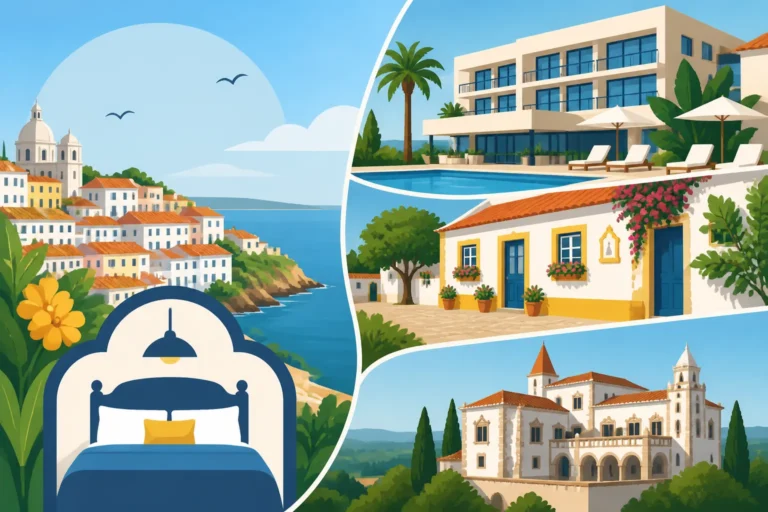
Finding Your Base: Where to Stay in São Miguel
Choosing where to sleep on São Miguel is a strategic decision. Because the island is long and the roads are slow, where you put your bags will determine how much of your holiday is spent behind a steering wheel. Many people make the mistake of staying in one spot for the whole week, which is fine, but it means a lot of backtracking. It is usually wise to split your stay between the west and the east.
Ponta Delgada: The Urban Hub
Ponta Delgada is the capital and where you’ll find the most action. It has a beautiful black-and-white paved promenade, excellent restaurants, and the main harbor. If you like being able to walk to dinner and having a choice of twenty different spots, this is your place. When searching for accommodation, Booking.com is generally the most reliable for finding everything from boutique hotels like the Octant to small, family-run guesthouses in the traditional style.
Living in the city gives you easy access to the airport and the main highways. It’s the perfect base for the first few days while you find your feet. You can find a wide range of apartments on Booking.com that offer kitchens, which is a great way to save money given the Cost of Living in Portugal 2026: Detailed Budgets for Singles and Families. Just be aware that parking in the center of Ponta Delgada can be a nightmare; look for a place that specifically offers a private garage or designated parking spot.
Furnas: For Wellness and Volcanic Vibes
If you want the quintessential Azorean experience, you have to spend at least two nights in Furnas. This village sits inside a volcanic crater, and the smell of sulfur in the air is a constant reminder of the earth's power. It is home to the famous Terra Nostra Garden and the Poça da Dona Beija thermal pools. Staying here allows you to visit the hot springs late at night when the day-trippers have left, and the atmosphere becomes truly magical.
Furnas is much quieter than Ponta Delgada. It’s lush, green, and often damp, which only adds to the cozy, "Jurassic Park" feeling of the valley. You can find some incredible eco-lodges and traditional stone houses on Booking.com in this area. It’s a great location for exploring the eastern side of the island, including the rugged cliffs of Nordeste. Just remember that the "volcano smell" is real—some people find it charmingly earthy, while others take a day to get used to it.
Ribeira Grande: The Surfer's North Shore
For a more local, laid-back vibe, head to the north coast and stay in Ribeira Grande. This is the island’s second-largest city but feels entirely different from Ponta Delgada. It has a more industrial-meets-bohemian feel, with great surf beaches like Santa Barbara nearby. The architecture here is stunning, with lots of basalt stone and grand plazas.
Staying on the north coast puts you in a prime position to visit the tea plantations (Gorreana and Porto Formoso) and provides a faster route to the central highlands. It’s often a bit windier and wilder than the south coast, but that’s part of the appeal. There are several modern resorts and surf hostels in this area that frequently appear on Booking.com, catering to a younger, more active crowd.
| Region | Vibe | Best For | Noise Level |
|---|---|---|---|
| Ponta Delgada | Urban / Historic | Dining, Shopping, Logistics | Moderate to High |
| Furnas | Mystical / Quiet | Hot Springs, Gardens, Nature | Very Low |
| Ribeira Grande | Coastal / Rugged | Surfing, Tea Fields, Local Life | Low |
| Nordeste | Wild / Remote | Sunrise, Hiking, Solitude | Silent |
Top Natural Wonders and Outdoor Activities
The Azores are often called the "Hawaii of Europe," but I find that comparison a bit lazy. The Azores have a melancholy, dramatic beauty that is entirely their own. The landscapes are dominated by massive caldeiras (craters) that have turned into lagoons over thousands of years. Seeing these spots requires a bit of luck with the weather, as the clouds can roll in and obscure everything in minutes.
Sete Cidades and the Twin Lakes
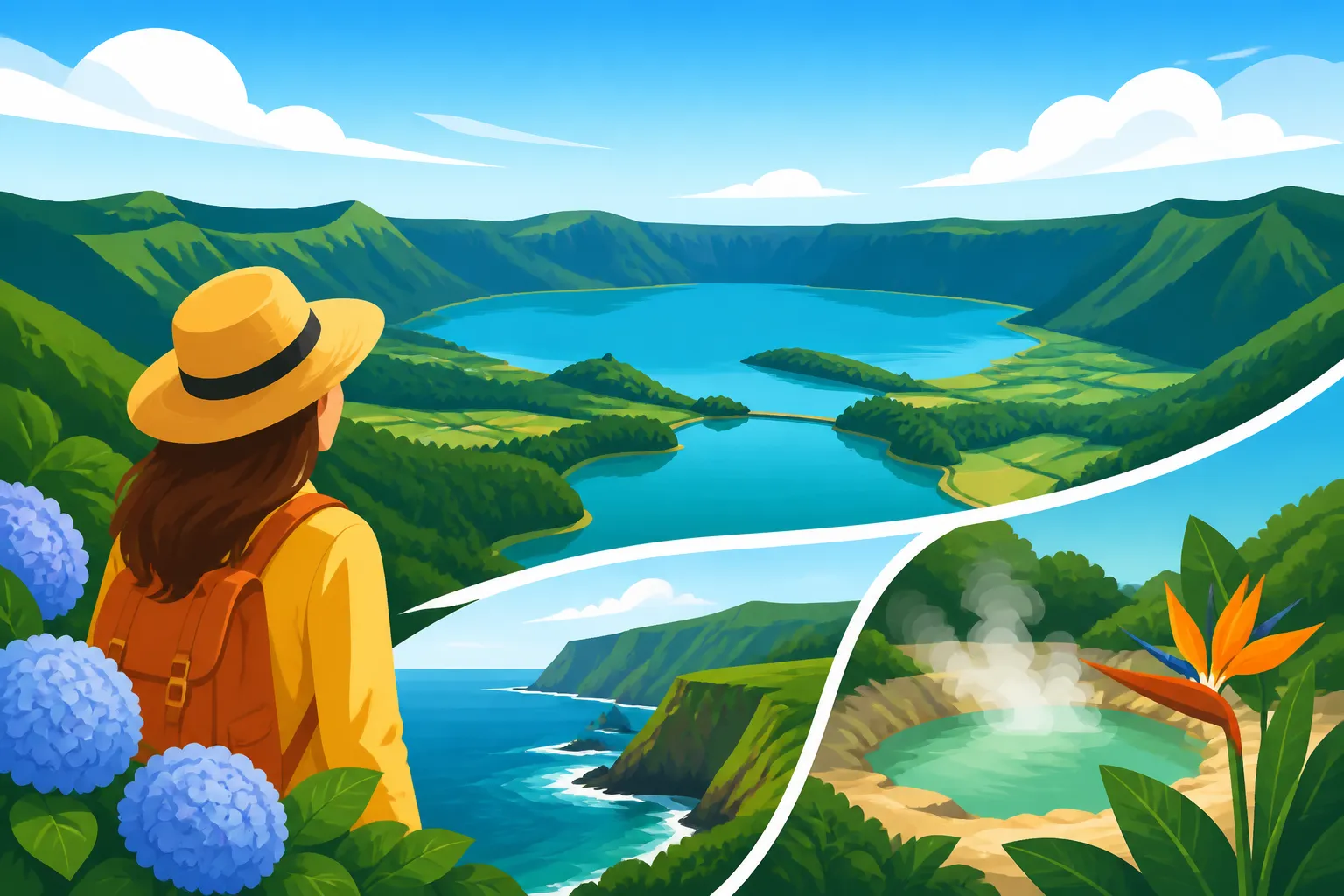
This is the postcard image of the Azores: one blue lake and one green lake sitting side-by-side. Legend says they were formed by the tears of a green-eyed princess and a blue-eyed shepherd who were forbidden from being together. From a veteran’s perspective, the "Miradouro da Boca do Inferno" is the viewpoint you want, but it requires a short hike. Don't just look at it from the road; get out and walk.
Because this is the most popular spot on the island, it can get crowded. If you want to experience the lakes without the stress of parking, I recommend booking a guided 4×4 tour through GetYourGuide. These guides know the backroads that rental cars aren't allowed on, and they can take you to hidden viewpoints that most tourists miss. Plus, they are experts at timing the visits to avoid the heaviest fog.
Lagoa do Fogo and the Mist
Lagoa do Fogo (Lake of Fire) is, in my opinion, even more beautiful than Sete Cidades because it is completely undeveloped. There are no houses or restaurants on its shores—just pure, high-altitude wilderness. However, it is also the most temperamental spot on the island. I have driven up there ten times and only seen the water twice. The rest of the time, I was standing in a literal cloud.
There are now restrictions on private cars during the peak season to protect the environment, so you often have to take a shuttle bus from the parking area. Alternatively, many hiking tours found on GetYourGuide will lead you from the coast all the way up to the rim of the crater. It is a strenuous hike, but coming over that ridge and seeing the turquoise water below is a spiritual experience. Just make sure you check the "SpotAzores" webcams before you head up; it's a lifesaver for avoiding "cloud-watching."
Whale Watching and Marine Life
The Azores are one of the world's premier destinations for whale and dolphin watching. Because the islands sit on a deep-sea plateau, you can see resident species like Sperm Whales year-round, while Blue Whales and Fin Whales pass through during their spring migration. This isn't like those tourist traps where they chase the animals; the operators here work with "vigias" (land-based lookouts) who use high-powered binoculars to spot the whales from miles away.
When picking a tour, look for those that emphasize marine biology and conservation. You can find reputable operators on GetYourGuide who use RIBs (Rigid Inflatable Boats) for a faster, more intimate experience, or larger catamarans for those who get seasick easily. Being out on the Atlantic, looking back at the lush green cliffs of São Miguel while a pod of dolphins jumps alongside your boat, is something you won't forget. If you're lucky, you might even see a sea turtle or a flying fish.
Culture, Cuisine, and Local Etiquette
Portuguese island culture is distinct from the mainland. There is a sense of "insularidade"—the feeling of being surrounded by the ocean—that shapes everything from the pace of conversation to the way they cook. People are incredibly kind but often shy at first. Learning a few words of Portuguese will go a long way, especially when you are outside of the main tourist hubs.
Cozido das Furnas and Gastronomy
You cannot visit São Miguel without eating Cozido das Furnas. This is a traditional meat and vegetable stew that is placed in a large pot and buried in the volcanic soil of Furnas to cook for six or seven hours using nothing but natural geothermal heat. The result is a tender, slightly smoky feast that is a true labor of love. I recommend trying it at "Tony’s" or the "Terra Nostra Garden Hotel," but you absolutely must call and book a day in advance.
Beyond the Cozido, the island is a paradise for cheese lovers. The Queijo da Ilha is sharp, salty, and addictive. You should also look for the local pineapples, which are grown in stone greenhouses and are much smaller and sweeter than the ones you find in the supermarket. For more tips on navigating a Portuguese menu, take a look at Portuguese Coffee Culture and Restaurant Etiquette: Ordering Like a Local. The seafood is also world-class; try the "lapas" (limpets) grilled with garlic and butter for a true taste of the Atlantic.
Understanding the Microclimates
The most common phrase you’ll hear on São Miguel is "four seasons in one day." It isn't an exaggeration. It can be 20 degrees and sunny in Ponta Delgada, pouring rain in Furnas, and freezing cold at Lagoa do Fogo. This affects everything from your mood to your safety. If you are planning a hike, you must be prepared for the weather to turn in an instant.
Many visitors end up shivering in a t-shirt, so we strongly urge you: bring a high-quality raincoat and dress in layers. The humidity is also very high, which means that even when it isn't "hot," you will sweat during a climb. To stay safe, you might want to read up on Safety and Emergency Preparedness in Portugal for Foreign Residents before heading into the more remote hiking trails. Always tell someone where you are going, as the mist can make it easy to lose your bearings.
The Azorean Pace of Life
Don't expect things to happen fast here. Whether you are waiting for your check at a restaurant or standing in line at the post office, the rhythm is slower. This can be frustrating for those coming from high-stress cities, but you have to lean into it. The islands are a place to decompress. If you try to rush an Azorean, you will only end up stressed while they remain perfectly calm.
This "slow life" is a major draw for people considering a permanent move. If you find yourself falling in love with the islands and wondering about the logistics of staying longer, you should check out Madeira and Azores: Island Living, Costs, and Expat Communities. It’s a beautiful life, but it requires a total shift in mindset. You learn to appreciate the "slow" as a feature, not a bug.
Practical Logistics for Your First Visit
The administrative side of visiting the Azores is similar to the mainland, but with some quirks. Since you are in Portugal, the currency is the Euro, and the rules of the Schengen Area apply. However, because the islands are a remote autonomous region, some services can be a bit more limited or specialized.
Essential Packing List
If there is one thing that will ruin your trip, it's the wrong footwear. The rocks can be slippery, the trails can be muddy, and the cobblestones in town are uneven. Leave the high heels at home. You need sturdy, waterproof hiking boots or trail runners. I also recommend a "dry bag" for your electronics if you plan on going on any boat tours or visiting the waterfalls.
Another essential is a swimsuit you don't care about. The thermal waters in Furnas are rich in iron, which turns the water a murky orange. This iron will permanently stain white or light-colored swimsuits. Bring an old, dark-colored suit specifically for the hot springs. If you forget anything, you can usually find basics in Ponta Delgada, but specialty gear is much harder to find once you leave the capital.
Connectivity and Staying Online
Mobile coverage is generally excellent in the towns but can vanish entirely in the craters and remote valleys. Most cafes and hotels have Wi-Fi, but if you are using GPS to navigate those winding roads, you’ll want a local SIM card or a solid roaming plan. If you are worried about staying connected for work or emergencies, it’s worth checking your tech setup against the Safety and Emergency Preparedness in Portugal for Foreign Residents guide.
For financial matters, "Multibanco" ATMs are everywhere. However, small cafes and shops in the villages might only accept "Portuguese cards" or cash. It is always a good idea to keep at least €50 in cash on you for those moments when the card machine "isn't working" (a common occurrence in rural areas). If you are planning a longer stay and need to handle larger sums, you might look into Opening a Bank Account in Portugal: Best Banks for Foreigners and Expats.
Safety and Healthcare
São Miguel is incredibly safe. Violent crime is almost non-existent, and the biggest danger you face is likely a slippery rock or a sudden change in weather. However, accidents do happen. If you find yourself in need of medical attention, Ponta Delgada has a large, modern hospital (Hospital Divino Espírito Santo). For minor issues, the local "Centro de Saúde" in the smaller towns can help.
Expats and travelers should familiarize themselves with Healthcare in Portugal for Expats: The Complete 2026 Medical Guide to understand how the system works. In a serious emergency, the number to dial is 112. It’s comforting to know that Emergency Medical Care in Portugal: Calling 112 and Going to the Hospital is efficient, though hopefully, you will only ever see the hospital from the outside as you drive past it toward another beautiful viewpoint.
Disclaimer
The information provided in this guide is for informational purposes only and reflects the personal experiences and research of the author as of 2026. While every effort is made to ensure accuracy, travel conditions, laws, and prices in Portugal and the Azores can change rapidly. Readers are encouraged to verify specific details, such as visa requirements and healthcare policies, with official government sources or qualified professionals.