Taxas Moderadoras: Co-payments and Costs in the Public Health System
Picture this: you finally get seen at a Portuguese public hospital, the doctor is excellent, and a few weeks later a letter from the hospital lands in your mailbox asking you to pay a fee you never knew existed. That letter is usually a taxa moderadora. This guide explains what these charges are, where they still apply, who is exempt, and how to avoid paying them.
What Taxas Moderadoras Actually Are
When I first moved here, I heard “taxa moderadora” thrown around in the waiting room of my local Centro de Saúde and assumed it was some kind of tax on my health. It is not. The phrase translates roughly as “moderating fee,” and it is a user charge attached to certain public health services. It is not a payment for the full cost of the care. It is a small, fixed contribution designed to shape behaviour.
The Purpose Behind the Fee
The logic of the taxa moderadora is in the name: it exists to moderate demand. Portugal’s National Health Service, the Serviço Nacional de Saúde or SNS, is funded mainly through general taxation. The state wants residents to use the right door for the right problem. A sprained finger does not need a hospital emergency department, and a fever that started this morning usually does not either. The fee is a nudge, a gentle financial tap on the shoulder that says “maybe call first.”
Over recent years Portugal has dramatically narrowed where these fees apply. The system has shifted toward making routine, planned care free at the point of use, while keeping the charge in the one place where overcrowding is a chronic national headache: walk-in emergency visits. If you want the bigger picture of how the public system is structured, from health centres to hospital networks, see Portugal’s National Health Service (SNS): How the Public System Works.
For expats this is genuinely good news. Once you are registered and have your número de utente, the overwhelming majority of what you will use the SNS for, such as seeing your family doctor, getting blood work ordered by that doctor, or attending a hospital specialist appointment you were referred to, does not come with a moderating fee at all.
Taxas Moderadoras vs Pharmacy Co-payments
This is where I got confused in my first year, and I know I was not alone in the Facebook groups. A taxa moderadora is a charge for a health service. What you pay at the pharmacy for a prescribed medicine is something else entirely. It comes from the comparticipação system, where the state covers part of the price of an approved drug and you pay the rest.
So if a friend tells you “healthcare is free now” and then you pay at the farmácia for your blood pressure tablets, nobody lied to you. The service fee and the medicine co-payment simply live in two separate boxes. I treat them as two lines in my household budget: one that is almost always zero, and one that depends on what I am prescribed.
Keeping these two ideas apart makes everything else in this guide easier to follow, and it makes the letters and receipts you receive much less mysterious.
Where You Pay and Where You Do Not
Let me walk you through the main settings you will actually encounter, because that is how this plays out in daily life rather than in legislation.
Centro de Saúde and Primary Care
Your Centro de Saúde, or the newer Unidade de Saúde Familiar model, is your front door to the SNS. Consultations here with a médico de família or a nurse do not carry a taxa moderadora. The same applies to the diagnostic tests and exams your SNS doctor prescribes, so the análises clínicas and X-rays ordered through the public system should not come with a moderating fee either.
The real barrier here is not money, it is access. You need to be registered and hold a número de utente before you can use the health centre properly, and that registration can be a saga in itself depending on your region. For the step-by-step process, including which documents the front desk typically asks for, see Registering with the Centro de Saúde: Getting Your SNS Número de Utente.
A scenario I see constantly: an expat couple in the Silver Coast registers, gets their numbers, but is told there is no family doctor available. They can still book open consultations or use the health centre’s acute care slots, and those consultations remain free of the moderating fee. The frustration is the waiting list, not the bill.
Hospital Consultations and Diagnostic Tests
When your family doctor refers you to a specialist at a public hospital, such as cardiology at Santa Maria in Lisbon or dermatology at São João in Porto, the consultation that results from that SNS referral does not carry a taxa moderadora. Follow-up visits, scans ordered by the hospital team and day procedures within that referral pathway follow the same principle.
The catch, again, is time. Referral waiting times for some specialities can be long, and that is the moment many expats start weighing private options. That decision deserves careful thought, and Public vs Private Healthcare in Portugal: Which One Should Expats Choose? walks through the trade-offs honestly.
What matters for your wallet is this: as long as you enter the public hospital through the SNS’s own referral channels, you should not be paying moderating fees for the consultation itself.
Emergency Rooms: The Main Place Fees Still Appear
The urgência, the hospital emergency department, is where taxas moderadoras still bite. If you walk into a public hospital emergency room on your own initiative, without being referred, and you are treated and sent home without being admitted, you can expect a moderating fee. It is the classic case the system wants to discourage: someone with a non-urgent problem queuing in a crowded ER.
The fee is waived when you were referred to the emergency department by the SNS, for example via the SNS 24 line, by your Centro de Saúde, or when you arrived through INEM, the national emergency medical service. It is also waived if your visit ends with you being admitted to the hospital. For a closer look at what happens once you are inside, including the Manchester triage colours, see Emergency Rooms (Urgências) in Portugal: Triage Colors and Wait Times.
Here is a summary of where moderating fees apply for a registered SNS user who has no exemption:
| Situation | Taxa Moderadora Applies? | What Usually Happens |
|---|---|---|
| Consultation at your Centro de Saúde | No | Free at the point of use |
| Tests prescribed by your SNS doctor | No | Done at a public or contracted lab without the fee |
| Hospital specialist visit via SNS referral | No | Free consultation and follow-ups |
| Emergency visit after SNS 24 referral | No | Hospital receives your referral |
| Emergency visit brought in by INEM | No | No moderating fee for the visit |
| Emergency visit ending in admission | No | Fee waived because you were admitted |
| Walk-in emergency visit, no referral, sent home | Yes | Fee charged, often billed afterwards |
| Prescription medicine at the pharmacy | Not a taxa moderadora | Separate comparticipação co-payment |
How to Avoid the Emergency Room Fee Legitimately
I want to be clear: I am not suggesting you game the system or avoid the ER when you need it. If you think you are having a heart attack or a stroke, or someone is seriously injured, call 112 immediately. Money is irrelevant in that moment. But for the grey-zone situations, there is a smarter route that saves you both a fee and hours on a plastic chair.
Call SNS 24 Before You Go
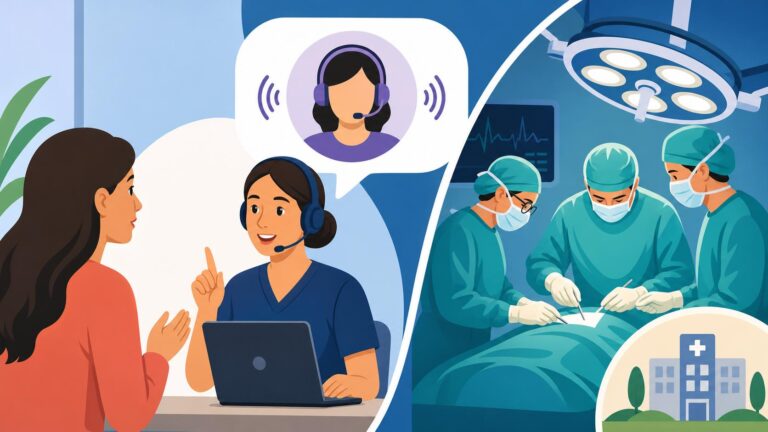
The SNS 24 helpline is the single best tool for an expat navigating the public system. As of October 2026, the number is 808 24 24 24, clinical triage runs 24 hours a day, and a call costs the same as a call to a landline. A trained nurse assesses your symptoms over the phone and tells you whether you need self-care at home, a Centro de Saúde appointment, or the emergency department.
When the nurse decides you need the ER, the referral is passed through the system, and that referral is what removes the walk-in moderating fee. Many hospitals also give referred patients a smoother entry path. For everything else the line can do, including sick notes and English-language support, see SNS 24 Helpline (808 24 24 24): Triage, Advice, and Sick Notes.
Here is the routine I follow and recommend to friends:
- Pause and ask yourself whether this is a life-threatening emergency. If yes, call 112 and stop here.
- If it is urgent but not life-threatening, call 808 24 24 24 and have your número de utente ready.
- Describe your symptoms calmly and ask for English if you need it.
- Follow the nurse’s guidance, whether that is home care, a health centre slot or the hospital.
- If you are sent to the ER, mention at reception that you were referred by SNS 24.
- Keep any SMS or reference you receive until your visit is fully closed.
Referrals From Your Centro de Saúde or INEM
If your health centre is open and has acute care slots, going there first is another legitimate route. If the doctor sees you and decides you need hospital care, that referral also waives the moderating fee at the emergency department.
INEM works similarly. If an ambulance takes you to the hospital after a 112 call, you are not treated as a self-referred walk-in. Newcomers sometimes fret for days about a “huge ambulance bill” after a fall. It rarely materialises, because the INEM pathway is designed precisely so that people in real emergencies are not penalised.
When You End Up Admitted
The admission exemption is the one most people encounter without planning it. You walk in on your own, perhaps with severe abdominal pain, and after tests the team decides to keep you in. Because the visit led to admission, the moderating fee for that emergency episode does not apply.
This rule reflects the system’s logic. If you needed admission, you clearly needed the emergency department, so there is nothing to moderate. If you want to understand what an unreferred visit might cost if you are not covered by the SNS at all, see How much does an emergency room visit cost without private insurance?.
Exemptions: Who Does Not Pay
Even for the walk-in emergency fee, a large share of the population is exempt. The categories are set out in law, and some apply automatically while others require a request.
Automatic and Category-Based Exemptions
Several groups are exempt by virtue of who they are or their health circumstances. These typically include pregnant women and women who have recently given birth, children and young people, people with a certified high degree of disability, blood donors and organ donors who meet the conditions, volunteer firefighters, and people with certain chronic or serious conditions that require ongoing care. Registered unemployed people, along with their dependants, can also qualify under specific conditions.
The details and the paperwork vary by category, so for the full list and how each group proves eligibility, see Who Is Exempt From SNS User Fees in Portugal?.
For many exemptions the status needs to be recorded on your SNS file before it takes effect at reception. Do not assume the hospital knows you are a blood donor or that your disability certificate is linked. Check your record.
Exemption for Economic Insufficiency
The exemption for insuficiência económica is the one that matters most for lower-income households, including some retirees on modest pensions. It is based on household income assessed against a legal threshold, and the check usually draws on data held by the tax authority. That means you generally need to be properly registered with Finanças and have your tax affairs in order for the assessment to work.
You can request it at your Centro de Saúde or through the SNS online services. The exemption is granted for a defined period, so I put a reminder in my calendar to check whether my record still shows it and to renew it when needed. Retirees often ask me whether everything is simply free for them; Is public healthcare completely free for foreign retirees in Portugal? tackles that question head on.
Proving Your Status at Reception
Hospital reception staff are not your enemy, though at three in the morning it can feel that way. They work from what is on your SNS record. If an exemption is missing, the fee will be generated and the bill may follow you by post.
My practical advice is to keep copies of your exemption documents, such as a disability certificate, proof of pregnancy, or blood donor card, in a folder on your phone. If you are charged and believe you should not have been, ask the hospital’s billing office, the serviço de gestão de doentes or tesouraria, how to submit proof. Hospitals can review and cancel a charge when you show your exemption was valid on the day of the visit.
A Portuguese phrase that helps: “Tenho isenção de taxas moderadoras,” meaning “I am exempt from moderating fees.” Say it, then show the document.
Medication Costs and the Comparticipação System
Medicines are a separate world from taxas moderadoras, but they are where most people’s out-of-pocket SNS spending happens, so they belong in any honest guide to public health costs.
How Reimbursement Tiers Work
When your SNS doctor prescribes a medicine, it is issued electronically through the receita sem papel system, and you receive codes by SMS or email. At the pharmacy, the price is split between the state and you. Each approved medicine falls into a reimbursement tier, called an escalão, depending on its therapeutic importance. Essential treatments get a higher state contribution than drugs considered less critical.
The pharmacist calculates your share automatically at the counter, so you do not need to work anything out yourself. What you can do is ask for the generic option, “o genérico mais barato, por favor,” which often lowers your portion noticeably. For the broader landscape, including over-the-counter rules and prescriptions from abroad, see Pharmacies and Medication in Portugal: Prescriptions and OTC Drugs.
Note that a prescription written by a private doctor can also carry state comparticipação for eligible medicines, provided you have a número de utente and the prescription is issued correctly in the national system. That surprised me the first time, and it has saved me money more than once.
Chronic Conditions and Special Regimes
People with certain chronic illnesses and some lower-income pensioners can benefit from special reimbursement regimes that raise the state’s share for qualifying medicines. Diabetes supplies, for example, have their own support arrangements, and certain serious conditions have dedicated rules.
These regimes usually require the doctor to indicate the relevant legal basis on the prescription. If you manage a chronic condition, raise this directly with your médico de família: “Tenho direito a algum regime especial de comparticipação?” (“Am I entitled to any special reimbursement regime?”) It is a perfectly normal question, and doctors here deal with it every day.
Vitamins, Supplements, and Over-the-Counter Products
Here is the part of the budget the SNS does not touch at all. Over-the-counter painkillers, cold remedies, and especially vitamins and supplements are paid entirely out of pocket, and pharmacy and parafarmácia prices for supplements can feel steep if you are used to buying in bulk back home.
Many expats I know, myself included, order everyday supplements like vitamin D, magnesium or omega-3 online. iHerb is a common choice in the expat community because it ships to Portugal and carries the brands people recognise from the US. Shipping costs and possible customs charges on orders from outside the EU vary, so check iHerb’s own delivery page for the current conditions before placing a large order.
Keep in mind that supplements are not medicines in the reimbursement sense. If your doctor prescribes high-dose vitamin D for a deficiency, ask whether a reimbursed prescription product exists before buying a supplement alternative.
Foreigners, Tourists, and Unexpected Bills
The rules above assume you are a registered SNS user. If you are a visitor, a very new arrival, or still waiting on paperwork, the picture changes, and this is where the real horror stories in expat groups usually come from.
EU Visitors Using an EHIC
Citizens of EU and EEA countries visiting Portugal can use the European Health Insurance Card to receive medically necessary care in the public system on the same terms as residents. In practice that means you may face the same moderating fee at an emergency department that a Portuguese person would, under the same conditions, rather than the full cost of treatment.
UK visitors with a GHIC follow comparable arrangements. Bring the physical card, as reception staff will want to photocopy it. For more on how the card works in practice, see Using the European Health Insurance Card (EHIC) in Portugal.
Non-EU Visitors and Uninsured Patients
If you are a non-EU tourist without a reciprocal agreement, or a newcomer not yet registered with the SNS, a public hospital can bill you for the actual cost of the services you received according to the official SNS price schedule. That is a very different number from a moderating fee, and it is the bill that genuinely shocks people.
This is the gap that private international insurance is designed to fill. Plans like Cigna Global are popular with expats in their first months, both for visa applications and for peace of mind while SNS registration is pending. Coverage levels, deductibles and premiums differ widely between plans, so compare the policy wording on Cigna Global’s own site and check exactly how it handles public hospital bills before you buy. If you are a tourist and feeling unwell, see Can tourists walk into a Centro de Saúde if they feel sick? for what to expect at the door.
Paying a Bill That Arrives by Post
Moderating fees are often not collected at the moment of care. Instead, the hospital sends a letter weeks later with a payment reference. It usually includes an entidade and referência that you can pay at any Multibanco ATM or through your banking app, which is exactly how you pay utility bills here.
Pay these on time. Unpaid moderating fees can escalate into enforcement through the tax authority, which turns a small charge into an administrative headache that can follow you into other paperwork. If you think the charge is wrong, contact the hospital before the due date, explain why you believe you were exempt or referred, and keep written proof of everything you send.
To fold all of this into a realistic monthly plan, including medicines, private top-ups and occasional emergencies, see Health Costs in Portugal: What to Budget as an Expat.
My honest takeaway after years here: the public system is far kinder to your wallet than its reputation in expat circles suggests. Register early, keep your SNS record up to date, call 808 24 24 24 before heading to the ER in non-life-threatening situations, and the taxa moderadora will rarely be part of your life at all.
Disclaimer
This article is for general informational purposes only and does not constitute professional advice. Laws, prices and regulations vary by location and change over time. Consult a qualified professional for guidance on your specific situation.