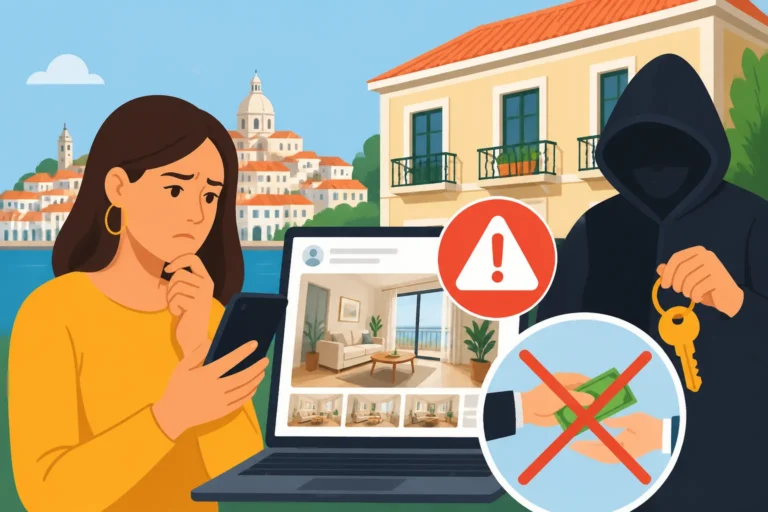
The Role of the Fiador (Guarantor) and How Expats Can Rent Without One
Disclosure: This article contains affiliate links. If you buy through them, we may earn a commission at no extra cost to you. Read our full disclosure.
Finding the perfect apartment in Lisbon or Porto only to have the landlord ask for a "fiador" is a heart-wrenching moment for many expats. I vividly remember sitting in a small cafe, staring at a rejection email for a beautiful T1 in Graça because I didn't have a local relative to co-sign my lease. This guide explains how to bypass this hurdle and secure your home.
Understanding the Portuguese Fiador System
In the Portuguese rental market, a fiador is a third-party guarantor who assumes legal and financial responsibility for your lease if you fail to pay the rent or cause damage to the property. This is not just a casual agreement; it is a binding legal commitment that can put the guarantor’s own assets and wages at risk. For a landlord, having a fiador provides a layer of security that the court system—which can be notoriously slow in Portugal—does not always offer.
The Legal Framework of Guaranteeing a Lease
When a person agrees to be your fiador, they are usually waiving their "benefício da excussão prévia." This is a legal term that essentially means the landlord can come after the guarantor's assets immediately if you miss a payment, rather than having to exhaust every legal avenue against you first. Because of this high level of risk, most people will only act as a fiador for close family members.
For you as an expat, this presents a significant barrier. Landlords typically require the fiador to be a Portuguese tax resident with a steady income and, ideally, property ownership within the country. This ensures that the landlord has a local entity to sue if things go wrong. If you are new to the country, it is highly unlikely you have a "Portuguese uncle" waiting to sign away his financial safety for your studio apartment. This is one of the many nuances covered in the Living in Portugal Guide 2027: The Complete Relocation Manual for Expats.
Why Landlords Are Risk-Averse
To understand the solution, you must understand the landlord's fear. Portugal has strong tenant protection laws. If a tenant stops paying rent, it can take a landlord eighteen months or more to complete an eviction process. During that time, the landlord is losing income and still paying taxes and condominium fees.
The fiador is their insurance policy. Without one, you are viewed as a high-risk flight risk. If you lose your job or decide to move back to your home country overnight, the landlord has no way to recoup their losses. This is why you will often see different requirements for foreigners compared to locals. While a local might pay one month of rent and one month of deposit, an expat might be asked for much more to offset the lack of a guarantor.
Practical Strategies to Rent Without a Fiador
Since most expats cannot provide a local guarantor, you have to offer something else that mitigates the landlord's risk. The most common "currency" in this negotiation is cash. While it can feel like a heavy blow to your initial budget, offering rent in advance is the most effective way to close a deal on a competitive property.
Offering Upfront Rent Payments
The most standard solution for foreigners is to offer multiple months of rent in advance. It is not uncommon for landlords to ask for six to twelve months of rent upfront if you cannot provide a fiador. While this is a significant amount of capital to tie up, it often makes the landlord feel secure enough to skip the guarantor requirement entirely.
When I first moved to the Silver Coast, I had to pay six months in advance just to get the keys. If you go this route, ensure that the contract explicitly states that these payments cover the first (or last) several months of the lease. You should also consult the guide on How much rent should I pay upfront if I don't have a Portuguese Fiador? to see what current market rates look like in 2026. Be aware that while the law technically limits how many months of rent a landlord can demand in advance, in practice, many landlords will simply choose a different tenant if you refuse to meet their "voluntary" suggestion of upfront payment.
Increasing the Security Deposit (Caução)
There is a difference between "rent in advance" and a "security deposit" (caução). Rent in advance pays for your stay, while the caução is held by the landlord to cover potential damages to the property. If you cannot afford twelve months of rent upfront, you might try negotiating a larger security deposit—perhaps three or four months instead of the standard one or two.
This shows the landlord that you have a "skin in the game" and that there is a fund available for repairs when you leave. Always make sure the return conditions of this deposit are crystal clear in your Portuguese Lease Contracts (Contrato de Arrendamento): What to Look For. To ensure you get this money back, it is wise to take a video of the apartment on the day you move in, focusing on any pre-existing scratches or marks on the walls.
Institutional and Financial Alternatives
If you prefer not to hand over a massive lump sum of cash directly to a landlord, there are institutional ways to provide security. These are more formal and involve third parties like banks or specialized rental platforms.
The Bank Guarantee (Garantia Bancária)
A bank guarantee is a service where your bank issues a letter to the landlord promising to pay a specific amount (usually 6-12 months of rent) if you default. To get this, you usually have to "freeze" that amount of money in a dedicated savings account. The bank will charge you an annual fee for this service, often around 1% to 3% of the guaranteed amount.
This is a professional way to handle the lack of a fiador, but it requires you to already have your finances in order within the country. You will need to focus on Opening a Bank Account in Portugal: Best Banks for Foreigners and Expats early in your relocation process to ensure you have the local credentials to request such a guarantee. Many traditional landlords in places like the Lisbon Neighborhood Guide: Best Areas for Expats and Digital Nomads actually prefer this over cash because it feels more "official."
Using Mid-Term Rental Platforms
If the traditional market feels too hostile, many expats turn to platforms like Uniplaces. These platforms are designed for international students and digital nomads who specifically do not have a Portuguese fiador. They act as a bridge, vetting the properties and providing a more standardized booking process.
Using a platform like Uniplaces can save you the headache of individual negotiations, as many of the listings there already have the "no guarantor needed" policy baked into the price. While the monthly rent might be slightly higher than what you’d find on local classifieds, the ease of entry and the lack of a 12-month upfront rent requirement often make it the more economical choice for your first year in the country.
Preparing Your Expat Rental Dossier
In a competitive market, you need to look like the "safest" possible bet on paper. Landlords are people too, and they are often more willing to waive the fiador requirement if they feel they can trust you. Presenting a professional rental dossier can help build that trust.
Proof of Income and Financial Stability
You should have a folder ready (both digital and physical) that includes your employment contract, your last three payslips, and a bank statement showing you have sufficient savings. If you are working remotely for a company outside of Portugal, it helps to explain your situation clearly. Landlords often worry about "digital nomads" who might leave the country if their visa is denied.
Showing that you have already secured your NIF and NISS: How to Get Your Portuguese Tax and Social Security Numbers demonstrates that you are serious about staying and that you are already integrated into the administrative system. I have found that providing a short, friendly "bio" or cover letter about who you are and why you love the neighborhood can also humanize you in the eyes of an older Portuguese landlord who might be skeptical of foreigners.
The Role of a Professional "Buyer's Agent" or Relocator
If you are struggling to communicate with landlords due to the language barrier, hiring a relocation agent can be a game-changer. These professionals know which landlords are "expat-friendly" and can often negotiate the fiador requirement away on your behalf. They speak the language of the market and can explain to the landlord that your foreign income is stable and reliable.
While you are searching and coordinating with these agents, staying connected is vital. It is wise to pick up a local data solution like Airalo to ensure you never miss a WhatsApp message from a potential landlord or agent. In the Portuguese rental game, the first person to view the apartment and say "yes" usually wins.
Navigating the Contract and Legalities
Once a landlord agrees to rent to you without a fiador, the next step is ensuring the contract is legal and protects your rights. Do not accept "under the table" agreements to avoid the guarantor issue; this leaves you with zero legal protection if the landlord decides to evict you or sell the house.
The Importance of Finanças Registration
Every legal rental contract in Portugal must be registered with the tax authority (Finanças). This is a crucial step for you as a resident because you need a registered contract to apply for or renew your residency permit. It also allows you to deduct a portion of your rent from your annual income tax.
Make sure your landlord is Registering your rental contract with Finanças: Why your landlord must do it. If they refuse, it’s usually because they want to avoid paying tax on the rental income, which puts you at risk. A registered contract is your best defense against unfair treatment. You can track your budget and tax obligations by looking at the Cost of Living in Portugal 2026: Detailed Budgets for Singles and Families to see how rent impacts your overall financial health.
Managing Logistics After Signing
After the contract is signed and you’ve navigated the fiador hurdle, you still have to deal with the practicalities of moving in. In Portugal, it is the tenant's responsibility to set up utilities. You will need to contact the providers for electricity, water, and gas to put the bills in your name. This process is much easier if you follow a guide on Setting Up Utilities in Portugal: Electricity, Gas, Water, and Internet.
| Option | Pros | Cons | Best For |
|---|---|---|---|
| Upfront Rent | High success rate; Simple negotiation | Requires large cash sum; Less liquidity | High-net-worth expats |
| Bank Guarantee | Professional; Money stays in your name | Bank fees; "Freezes" your capital | Long-term residents |
| Increased Deposit | Lower total cost than upfront rent | Landlord may still say no; Harder to recoup | Budget-conscious renters |
| Uniplaces | No fiador needed; Easy booking | Slightly higher monthly rent | New arrivals & students |
| Relocation Agent | Expert negotiation; Access to "unlisted" flats | Upfront service fee | Busy professionals |
Once you are settled in, you might find that the apartment needs a few things that aren't available at the local Mercado. I’ve found that using Amazon Spain is the most reliable way to get household essentials delivered quickly to your new Portuguese address without dealing with complex customs issues.
Final Thoughts on the Rental Journey
Renting in Portugal as an expat is undoubtedly a test of patience and financial flexibility. The fiador requirement is a relic of a more local, family-oriented society, but the market is slowly adapting to the reality of international residents. By being prepared with a solid financial dossier and being willing to negotiate with upfront payments or bank guarantees, you can overcome this obstacle.
Remember to stay diligent about your paperwork. From the initial search using a local SIM or Airalo to the final move-out where you follow Getting your rental deposit (Caução) back: Move-out cleaning tips for Portugal, every step requires attention to detail. The "Portuguese way" often involves a lot of face-to-face conversation and building rapport, so don't be afraid to show your personality and your commitment to your new life in this beautiful country.
Disclaimer
This guide is provided for informational purposes only and does not constitute legal or financial advice. Rental laws in Portugal are subject to change, and individual circumstances vary. We strongly recommend consulting with a qualified Portuguese lawyer or a certified real estate professional before signing any lease agreements or transferring large sums of money. Neither the author nor this website is responsible for any disputes or financial losses that may arise from following the strategies outlined in this article.