Where to Live in Portugal: Lisbon, Porto, Algarve, and Silver Coast Compared
Disclosure: This article contains affiliate links. If you buy through them, we may earn a commission at no extra cost to you. Read our full disclosure.
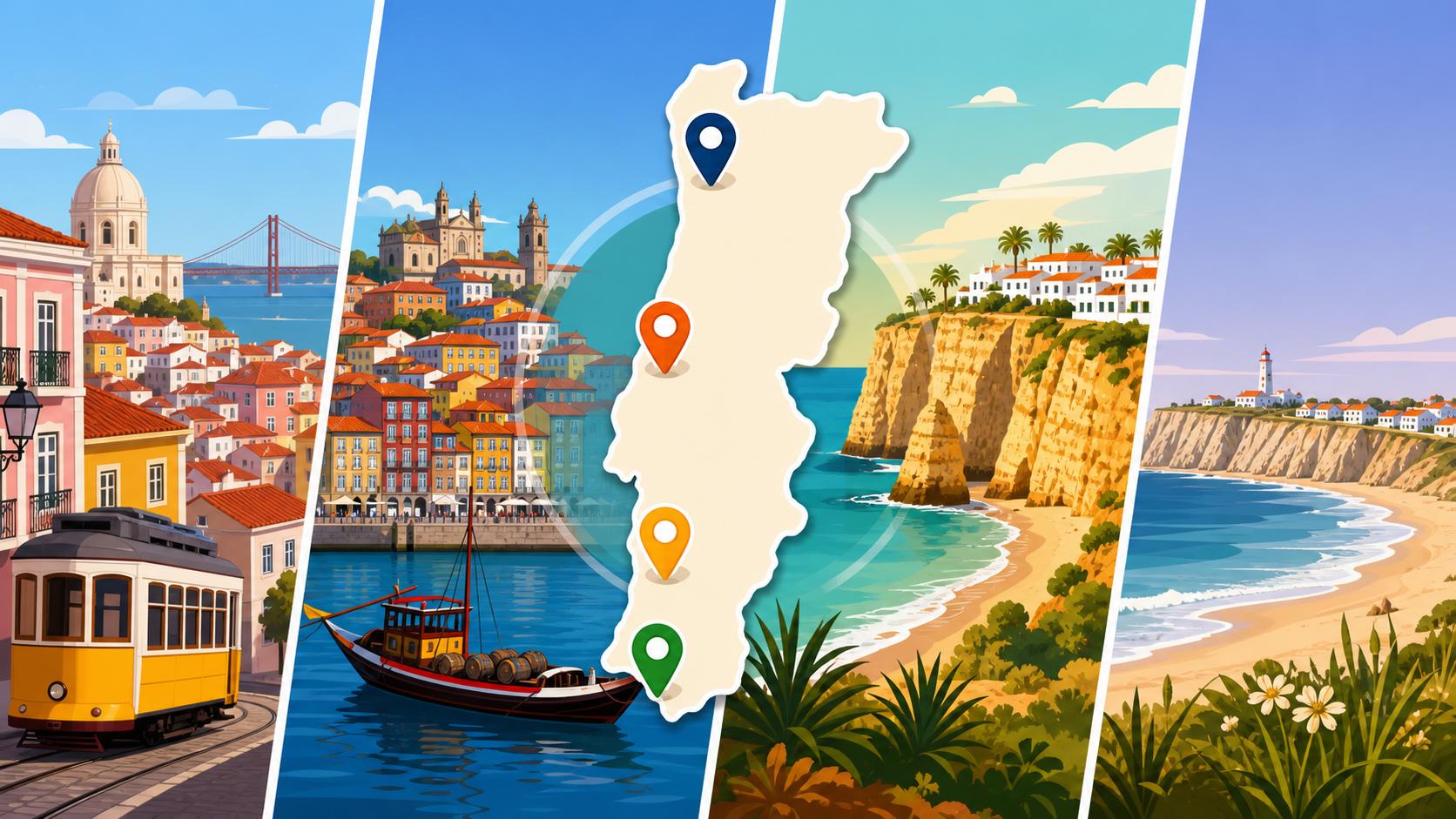
Choosing the wrong base in Portugal can turn your sunny dream into a logistical headache of humidity, hills, and isolation. I remember spent my first winter in a draughty Lisbon apartment with no heating, wondering if I’d made a massive mistake. This guide meticulously compares the four major regions to ensure your move is grounded in reality, not just vacation memories.
Understanding the Portugal Real Estate Landscape
The Portuguese housing market has evolved rapidly over the last few years, moving away from the "hidden gem" status into a competitive European hub. If you are looking at Living in Portugal Guide 2027: The Complete Relocation Manual for Expats, you already know that demand is high, but the nuances of where that demand sits are shifting. The market is no longer just about Lisbon; it is about finding value in the periphery while maintaining access to infrastructure.
The Surge in Demand and Market Reality
When I first arrived, you could find a T2 (two-bedroom) in a decent neighborhood with a simple handshake. Today, the process is far more formalized. You will need to navigate a landscape where high-quality rentals are snatched up within hours. It is common for landlords to ask for several months of rent upfront, especially if you lack a local guarantor. Many expats find their first footing using platforms like Uniplaces to secure mid-term accommodation while they scout neighborhoods in person. This "boots on the ground" approach is vital because a street that looks charming on a map might be at the top of a 20% incline that makes grocery shopping a daily workout.
The "August Shutdown" is a very real phenomenon you must account for. If you try to secure a lease or buy property during the peak of summer, you will find that lawyers, architects, and government officials are all at the beach. Moves are often delayed by six weeks simply because a signature is needed in mid-August. Planning your search for the spring or autumn will save you immense frustration and likely give you a better negotiating position as the seasonal tourist pressure eases.
Market prices have stabilized somewhat compared to the post-pandemic spike, but "affordability" is now a relative term. While Portugal remains cheaper than London or Paris, it is no longer the bargain-basement destination it was a decade ago. You are paying for a lifestyle—safety, climate, and a slower pace—rather than just square footage. Understanding the Cost of Living in Portugal 2026: Detailed Budgets for Singles and Families is the first step in deciding which region actually fits your financial reality.
Choosing Between Urban Energy and Rural Peace
The tug-of-war between the convenience of a city and the tranquility of the countryside is the primary dilemma for most newcomers. In Lisbon or Porto, you have the Metro, world-class hospitals, and a buzzing international community. However, you also have the "tourist fatigue" that can make your local café feel more like a transit hub. Moving to the interior or the Silver Coast offers a deeper immersion into the "real" Portugal, but it comes with a steeper learning curve for the language and a reliance on a car.
It is worth considering your "social battery" before committing to a rural quinta. Portugal’s interior is stunning, but the winters are surprisingly cold and quiet. If you don't speak the language yet, the isolation can feel heavy. Conversely, the cities offer immediate social outlets but less space for your money. Most veteran expats eventually find a "middle ground"—a town within 30 minutes of a major city that offers a backyard but still has a train station nearby.
Accessibility to healthcare is another major factor in this choice. While the public system is available to residents, the density of English-speaking specialists is much higher in the coastal corridors. If you have chronic health needs, you should look closely at Finding Doctors and Specialists in Portugal: English-Speaking Medical Care to ensure your chosen region has the support you need. Living two hours from the nearest private hospital sounds romantic until you have a midnight emergency.
Navigating the T-system and Layouts
Portuguese property listings use a "T" system to denote the number of bedrooms. A T0 is a studio, a T1 is a one-bedroom, and so on. A "T1+1" usually means there is an extra small room, often without a window, which is perfect for an office but questionable for a guest room. Understanding these layouts is crucial when browsing sites like Idealista or checking options on Uniplaces.
One thing that catches every expat off guard is the lack of "flow" in older apartments. You might find a beautiful 19th-century flat where the bathroom is only accessible by walking through the kitchen. It is part of the charm, but it can be a functional nightmare. Always check for sun exposure—specifically, look for "South-facing" (Sul) windows. Because many Portuguese buildings lack central heating, the sun is your primary heat source in the winter.
Finally, keep an eye on the "Certificado Energético." While the law requires every listing to have one, many older buildings have a low rating (E or F). This means they will be damp in the winter and sweltering in the summer. I learned the hard way that a "cheap" rental with a poor energy rating ends up costing a fortune in electricity bills as you blast space heaters to keep the mold at bay.
Lisbon: The Cosmopolitan Heartbeat
Lisbon is the city of light, seven hills, and an increasingly global soul. It is where most expats start their journey because it offers the easiest transition. You can survive here for months with only English, though I wouldn't recommend it if you want to truly belong. The city is a patchwork of distinct villages, each with a different flavor, from the aristocratic Avenidas Novas to the hipster-infused Arroios.
Neighborhood Deep Dive: From Arroios to Belém
If you want to be in the thick of the creative scene, Arroios and Penha de França are the places to be. These areas are incredibly multicultural and offer some of the best value for money within the city center. However, be prepared for noise. These are "living" neighborhoods where the sound of the electric tram and late-night diners is part of the soundtrack. If you are a digital nomad, these areas offer the highest density of co-working spaces and high-speed fiber internet.
For a more polished, family-friendly experience, look toward Alvalade or Telheiras. These neighborhoods were built with a more modern grid system, meaning wider sidewalks and easier parking—a luxury in Lisbon. You’ll find more locals here and a better selection of traditional markets. It feels less like a postcard and more like a home. If you are Moving to Portugal with Kids: Schools, Childcare, and Family Life, Alvalade offers proximity to several highly-rated public and private schools.
Belém and Restelo offer a different pace altogether. Situated by the river, these areas are grander, windier, and more tourist-heavy during the day but pin-drop quiet at night. They are perfect for those who want to wake up and jog along the Tagus. The downside is the commute; the train and tram lines can get incredibly crowded, and you are further away from the main social hubs of Príncipe Real or Bairro Alto.
The Cost of Modern Living in the Capital
Lisbon is the most expensive place to live in Portugal, period. Rents in the city center have reached parity with many other Western European capitals. To live comfortably in a T1 in a central area, you should budget at least €1,200 to €1,500 per month for rent alone. This is why many people are looking at "Greater Lisbon"—places like Almada across the river or Amadora and Loures.
Transportation costs are manageable thanks to the Navegante pass, which covers the entire metropolitan area for a flat monthly fee. Eating out can range from a €10 "Prato do Dia" (plate of the day) at a local tasca to €100+ at a Michelin-starred spot in Chiado. Your biggest variable will be "lifestyle creep." It is very easy to spend a lot of money in Lisbon because there is always a new rooftop bar or artisanal bakery opening up.
Utility costs are another factor. Expect to pay around €100-€150 for electricity, water, and gas for a couple. Internet is generally affordable and high-quality, but if you are just arriving and waiting for a permanent installation, having an eSIM from Airalo can be a lifesaver for navigating the city and staying connected during your first few days.
Logistics and Infrastructure for Expats
Lisbon has the best infrastructure in the country. The airport is central, the Metro is efficient (if sometimes crowded), and private healthcare options are plentiful. Hospitals like CUF Descobertas or Hospital da Luz offer English-speaking staff and state-of-the-art facilities. You will likely want to check out Hospital da Luz and CUF: Navigating Portugal's Biggest Private Hospitals to understand how to register and book appointments.
The bureaucracy is also more "expat-ready" here. The AIMA (formerly SEF) offices are used to dealing with international residents, although the backlogs remain a significant hurdle. If you are moving here for work, you will find that most large corporations and startups are headquartered in the city, particularly around the Parque das Nações area.
One often overlooked logistical detail is the "hills factor." If you choose to live in Alfama or Graça, you will be doing a lot of climbing. This is great for your fitness but less so for your knees or when you are carrying heavy packages from Amazon Spain. Many residents in these older quarters rely on small neighborhood shops for daily needs and save the big supermarket trips for when they have access to a car or a delivery service.
Porto: The Authentic Northern Powerhouse
Porto is often described as the "rough and ready" sibling to Lisbon. It is a city of granite, fog, and incredible resilience. People in the north are famously direct and warm, though their accent can be a challenge even for those who speak decent Portuguese. The city is smaller, more walkable, and feels more "Portuguese" than the increasingly internationalized Lisbon.
Character and Community in the Ribeira and Beyond
Living in the Ribeira (the historic riverside) is like living in a museum. It is breathtakingly beautiful but can feel claustrophobic during the tourist season. Most expats prefer the areas of Cedofeita or Bonfim. Cedofeita is the "artsy" district, full of galleries, concept stores, and a younger, international crowd. It’s walkable to the center but has a distinct neighborhood feel that isn't entirely overrun by hotels.
Bonfim has emerged as the "cool" neighborhood of Porto in recent years. It retains its traditional architecture and elderly residents while welcoming a wave of young professionals and artists. The rents here are slightly lower than in the Ribeira or Foz, making it an attractive option for those who want authenticity without the extreme price tag. The community vibe here is strong; you’ll likely know your baker and your pharmacist by name within a month.
Foz do Douro is where the river meets the Atlantic. This is the upscale part of town, characterized by sea views, wide avenues, and high-end villas. It’s where the wealthy families and many retired expats congregate. It feels like a different city—quieter, breezier, and much more expensive. If you enjoy long walks on the beach and a more suburban feel while still being 15 minutes from the city center, Foz is the gold standard.
Employment and Industry in the North
Porto is a major industrial and tech hub. The surrounding areas, like Vila Nova de Gaia and Matosinhos, are home to large manufacturing plants, textile industries, and an ever-growing number of tech startups. The "UPTEC" science and technology park at the University of Porto is a major driver of innovation in the region. If you are a software engineer or working in manufacturing, Porto often offers a better work-life balance than Lisbon.
Salaries in Porto are slightly lower than in Lisbon, but so is the cost of living. You can find a high-quality lifestyle here for about 15-20% less than in the capital. Networking is crucial here; the business community is tight-knit, and "who you know" still matters immensely. Attending local meetups or joining co-working spaces is the best way to tap into the northern economy.
For those working remotely, Porto is excellent. The internet infrastructure is world-class, and there is a high density of cafes that are "laptop-friendly." However, if your work requires frequent travel to the US or Asia, keep in mind that Porto’s airport, while excellent, has fewer direct long-haul flights than Lisbon. You will often find yourself connecting through Lisbon or Madrid.
Climate Realities: Managing the Atlantic Mist
We have to talk about the weather. Porto is much rainier and colder than Lisbon. The "Nortada" (north wind) can be biting, and the humidity is legendary. If you move here, your first purchase should be a high-quality dehumidifier from Amazon Spain. I cannot stress this enough; without one, your clothes will feel damp and your walls will develop mold.
The winters are gray and can feel long. However, when the sun does come out, the city transforms. The light on the granite buildings is magical, and the lush green landscapes of the surrounding Douro Valley are a direct result of that rainfall. If you are someone who wilts in extreme heat, Porto’s temperate summers will be a blessing.
Heating is a major issue in Porto’s older buildings. Many people rely on wood-burning stoves or electric heaters. When looking for a place on Uniplaces, look for properties that mention "aquecimento central" (central heating) or "vidros duplos" (double glazing). These features are not standard in Porto and will make a massive difference in your quality of life between November and March.
The Algarve: Sun, Sea, and Southern Comfort
The Algarve is the quintessential expat destination. For decades, it has been the go-to for retirees from the UK, Germany, and Scandinavia. But the demographic is shifting. Remote workers and young families are moving south for the 300 days of sunshine and the outdoor lifestyle. It’s no longer just a summer playground; it’s a year-round community.
Eastern vs. Western Algarve: Finding Your Pace
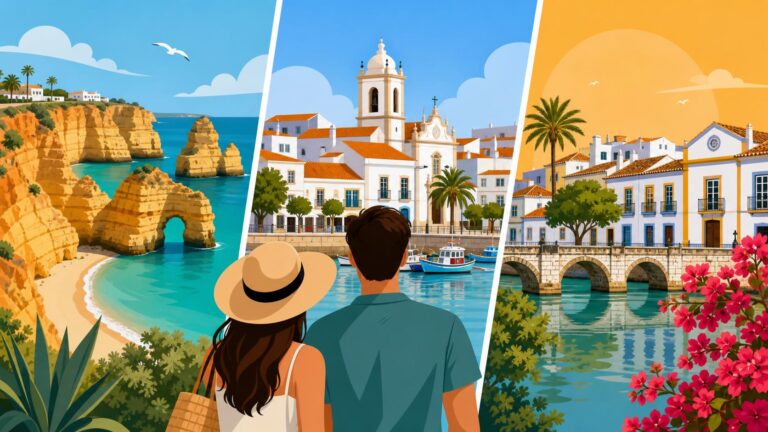
The region is generally split into two halves: the "Barlavento" (West) and the "Sotavento" (East). The West is where you find the dramatic cliffs, the surf culture of Sagres, and the busy hubs of Lagos and Portimão. This area is more "international" and has a higher density of English-speaking services. Lagos is particularly popular with younger expats and digital nomads due to its vibrant nightlife and stunning beaches like Ponta da Piedade.
The East is flatter, warmer, and much more "Portuguese." Towns like Tavira and Olhão offer a more traditional way of life. Here, you’ll find the Ria Formosa lagoons, salt pans, and a slower pace of living. It is less about surfing and more about bird watching, fishing, and long lunches in the sun. The East is generally more affordable than the West, though the gap is closing as more people discover its charms.
Central Algarve—the "Golden Triangle" of Quinta do Lago, Vale do Lobo, and Vilamoura—is the luxury heart of the region. This is where you’ll find world-class golf courses, private villas, and high-end shopping. It is manicured and safe but lacks the "soul" of the more traditional towns. If budget is no object and you want a lifestyle that feels like a permanent vacation in a 5-star resort, this is your area.
The Seasonal Swing and Tourist Crowds
The biggest challenge of living in the Algarve is the seasonality. In July and August, the population triples. Traffic becomes a nightmare, and your favorite quiet beach becomes a sea of umbrellas. Conversely, in January, some resort towns can feel like ghost towns. If you choose to live in a purely "tourist" area, you might find that half the restaurants on your street close for the winter.
This is why I recommend choosing a "working" town like Faro, Loulé, or Tavira. These places have a life of their own outside of tourism. Faro, being the capital and home to the university, is active year-round. It has a beautiful historic center and is much more affordable than the coastal resorts. Plus, having the airport on your doorstep is incredibly convenient.
Learning to manage the "high season" is part of the Algarve expat experience. You learn which backroads to take and which supermarkets to avoid on a Saturday afternoon. You also learn to appreciate the "low season"—those crisp, sunny February days when you have the entire beach to yourself. This is the time when the community really bonds, and you’ll find yourself invited to countless "Sunday roasts" or "sardinhadas."
Expat Communities and Healthcare Accessibility
The Algarve has the most established expat infrastructure in the country. There are clubs for everything: bridge, tennis, gardening, and amateur dramatics. If you are worried about making friends, the Algarve is the easiest place to do it. You will find that many people are in the same boat as you, having left their home countries in search of a better life.
Healthcare is a major draw for the region. There is a high concentration of private clinics and hospitals tailored to the international community. The HPA (Hospital Particular do Algarve) group has facilities across the region with staff who speak multiple languages. If you are a retiree, this peace of mind is invaluable. You can read more about Healthcare in Portugal for Expats: The Complete 2026 Medical Guide to see how the Algarve stacks up against other regions.
One thing to watch out for is the "Expat Bubble." It is very easy to live in the Algarve for 20 years and never learn more than "obrigado." While this might seem convenient, it limits your experience of the country and can lead to frustration when dealing with local bureaucracy. The regional "Camaras" (town halls) are generally efficient, but they still operate in Portuguese. A little effort goes a long way here.
The Silver Coast: Portugal’s Best-Kept Secret
If Lisbon is too expensive and the Algarve too touristy, the Silver Coast (Costa de Prata) is often the "Goldilocks" zone. Stretching from just north of Lisbon up to the city of Figueira da Foz, this region offers rugged coastlines, medieval towns, and a significantly lower cost of living. It is the favorite of those who want the "Atlantic lifestyle" without the crowds.
Affordable Living Between Lisbon and Porto
The Silver Coast offers some of the best property value in Portugal. You can still find a modern, three-bedroom house with a pool for the price of a small T1 in central Lisbon. Towns like Caldas da Rainha, Alcobaça, and Peniche are popular hubs. Caldas, in particular, is a favorite for expats because it is a "real" town with a famous daily fruit market, a thriving arts scene, and a large hospital.
Living here allows your budget to stretch much further. You can afford a higher quality of home and still have money left over for travel and hobbies. The region is also famous for its gastronomy—seafood in Peniche, sweets in Alcobaça, and the incredible wines of the Lisboa and Tejo regions. If you are Buying Property in Portugal as a Foreigner: The Step-by-Step 2027 Guide, the Silver Coast is one of the most exciting areas for investment right now.
The downside? You definitely need a car. While there are buses and some train links, the infrastructure is not as dense as in the metropolitan areas. Getting from a coastal village to a major supermarket or a specialist doctor requires your own wheels. However, the roads are generally excellent and traffic is non-existent compared to Lisbon.
Quality of Life and Outdoor Activities
For lovers of the outdoors, the Silver Coast is paradise. It is the surfing capital of Europe, with Nazaré’s giant waves and Peniche’s world-class breaks. If you aren't into surfing, there are endless hiking trails along the cliffs, mountain biking in the Serra de Montejunto, and golf at the stunning Royal Óbidos or Praia D'El Rey courses.
The lifestyle is distinctly more relaxed. People here value their time and their community. There is a "roughness" to the coast—it’s windy and the sea is powerful—but that’s part of the appeal. It feels wilder and more authentic than the manicured Algarve. The medieval town of Óbidos provides a dose of history and culture, with its year-round festivals, from the Chocolate Festival to the Literary Festival.
Winter on the Silver Coast can be damp and windy, much like Porto. You will spend a lot of time watching the waves and sitting by a fire. But the spring and autumn are spectacular, with mild temperatures and clear skies. It’s a region that rewards those who enjoy the changing seasons and a connection to nature.
Connectivity and Remote Work Potential
Despite its "wild" feel, the Silver Coast is surprisingly well-connected. From Caldas da Rainha, you can be at Lisbon airport in about an hour. This makes it an excellent choice for remote workers who need to visit the capital occasionally but don't want to live there. Fiber internet is widely available in the towns, though you should always verify the connection before signing a lease if you are in a more rural spot.
The expat community here is growing but is more spread out than in the Algarve. You won't find "expat ghettos"; instead, you’ll find small pockets of international residents integrated into Portuguese villages. This makes for a much more rewarding cultural experience. If you are a digital nomad, you will find a growing community in Ericeira, which has become a world-renowned hub for the "surf and work" lifestyle.
For those just arriving, connectivity is key. While the Silver Coast is becoming more "connected," having a reliable mobile data backup is essential. It is wise to get a local SIM or an Airalo eSIM to ensure you have GPS while exploring the winding coastal roads. There's nothing worse than getting lost in a pine forest with zero bars.
Critical Comparison: Cost of Living and Lifestyle Metrics
To help you decide, I’ve put together a comparative overview based on the 2026 market data. These are estimates for a couple living a moderate "expat" lifestyle (renting a modern T2, eating out twice a week, and running one car).
| Feature | Lisbon | Porto | Algarve | Silver Coast |
|---|---|---|---|---|
| Avg. Rent (T2) | €1,600 – €2,200 | €1,100 – €1,600 | €1,000 – €1,500 | €800 – €1,200 |
| Walkability | High (but hilly) | High | Low (Car needed) | Low (Car needed) |
| Expats | Very High | High | Very High | Moderate |
| Climate | Mild / Sunny | Rainy / Cool | Very Sunny / Hot | Windy / Temperate |
| Vibe | Global / Fast | Historic / Gritty | Resort / Relaxed | Wild / Authentic |
| English Level | Excellent | Very Good | Excellent | Good / Moderate |
Utility Setup and Day-to-Day Expenses
Regardless of where you live, setting up utilities is a similar process. You will need your NIF (tax number) and a Portuguese bank account. Companies like EDP (electricity) and MEO/Vodafone (internet) are the main players. For a typical household, expect to spend about €150-€200 per month on combined utilities. Water is generally cheap, but electricity can be expensive if you use AC or electric heaters.
Groceries are one area where you can still find great value. If you shop at the local markets ("Mercados Municipais"), the quality of produce is incredible and the prices are low. Supermarkets like Pingo Doce and Continente are everywhere and offer competitive pricing. For specialty items or home goods that you can't find locally, Amazon Spain is the go-to for most expats, offering fast delivery across the country.
One hidden cost is the "Condominium Fee" if you are buying an apartment. This covers the maintenance of the building and can range from €20 to €200 per month depending on the amenities (pools and elevators cost more). If you are renting, this is almost always included in your rent, but it’s worth double-checking in your contract. You should also look into Taxas Moderadoras: Co-payments and Costs in the Public Health System to understand the small fees associated with public healthcare visits.
Social Integration and Language Barriers
Your experience in Portugal will be defined by how much you integrate. In Lisbon and the Algarve, you can get by with English, but you will always be an "outsider." In the North and the Silver Coast, a basic level of Portuguese is essential for daily life. The Portuguese are incredibly patient with learners, but they appreciate the effort.
I highly recommend taking a local language course or using an app before you arrive. Once on the ground, join a local gym, go to the same café every morning, and say "Bom dia" to everyone. These small interactions are the foundation of your social life here. If you are struggling with the bureaucracy, don't be afraid to ask a neighbor for help—they are often your best resource.
Networking groups like "Expats in Portugal" or local Facebook groups for your specific city are great for practical advice, but try to branch out into "mixed" groups as well. Whether it's a hiking club, a surf school, or a volunteer organization, these are the places where you will meet locals and truly start to feel at home. Integration doesn't happen overnight; it’s a slow process that requires patience and a good sense of humor.
Logistics of Moving and Setting Up Your Home
Once you’ve picked your region, the real work begins. Moving to Portugal involves a fair amount of paperwork, but it is manageable if you take it step-by-step. The most important thing is to have your "NIF" (Número de Identificação Fiscal) ready. You cannot do anything—rent an apartment, get a SIM card, or buy a car—without it.
Finding a Rental and Navigating Contracts
The rental market moves fast. I suggest booking a temporary place via Uniplaces for your first month. This gives you time to visit apartments, check for mold, and walk the neighborhood at different times of the day. A street that is quiet on a Tuesday afternoon might be a nightmare on a Saturday night.
When you find a place you like, be prepared to move quickly. Have your documents (passport, NIF, proof of income) ready in a digital folder. Many landlords will ask for two months' rent and one month's deposit ("caução"). If you don't have a Portuguese guarantor, they may ask for 6-12 months upfront. This is legal, though negotiable. Always ensure your contract is registered with the "Finanças" (tax office), as this protects your rights as a tenant.
Check the contract for the "notice period." Usually, it is 120 days for a long-term lease. Also, verify who pays for repairs. In Portugal, the landlord is responsible for major issues (plumbing, structure), while the tenant handles minor maintenance. For more details, check Portuguese Lease Contracts (Contrato de Arrendamento): What to Look For.
Setting Up Digital and Physical Infrastructure
In your first week, getting connected is the priority. If your apartment doesn't have internet yet, use your Airalo eSIM for data. For a permanent solution, the big three are MEO, Vodafone, and NOS. They often offer "bundles" that include mobile, home internet, and TV. Be aware that these usually come with a 24-month loyalty contract ("fidelização").
Outfitting your home can be done through a mix of IKEA (located in Lisbon, Porto, and Loulé) and local furniture stores. For electronics, appliances, or even specific brands of tea or coffee from home, Amazon Spain is a lifesaver. They deliver to most parts of Portugal within 2-3 days, and the "Prime" membership works across the border.
Don't forget to register your address with the "Junta de Freguesia" (local parish office) once you have your lease. They will issue an "Atestado de Morada," which is a formal proof of residence required for everything from opening a bank account to registering for the health system. It’s a simple process that usually requires two local witnesses or a signed rental contract.
Essential Administrative Steps
Finally, you need to get your "Número de Utente" (health number). Take your proof of residence and your residency permit to the local "Centro de Saúde." This gives you access to the public health system. Even if you have private insurance, having an SNS number is essential for things like vaccinations or emergency care. You can find more info on Registering with the Centro de Saúde: Getting Your SNS Número de Utente.
Opening a bank account is another hurdle. Traditional banks like Millennium BCP or Santander are fine, but many expats prefer "ActivoBank" because they have a great English app and no monthly fees. You will need your passport, NIF, proof of address, and proof of employment. If you are a freelancer, the process is slightly more complex, so bring your "Recibos Verdes" (green receipts) or contracts.
Moving to Portugal is a marathon, not a sprint. There will be days when the bureaucracy feels overwhelming and the "Amanhã" (tomorrow) culture tests your patience. But when you are sitting on your balcony with a €1 glass of wine, watching the sun set over the Atlantic, you’ll realize it was all worth it. Each region offers a different version of the Portuguese dream—the key is finding the one that resonates with your soul.
Disclaimer
This guide is for informational purposes only and does not constitute legal, financial, or professional real estate advice. The Portuguese property market and immigration laws are subject to frequent changes, and you should always consult with a qualified local professional or lawyer before making any significant financial commitments or relocation decisions. All prices and statistics mentioned are based on 2026 estimates and may vary.