How to Avoid the Crowds in Portugal’s Peak Season
Disclosure: This article contains affiliate links. If you buy through them, we may earn a commission at no extra cost to you. Read our full disclosure.
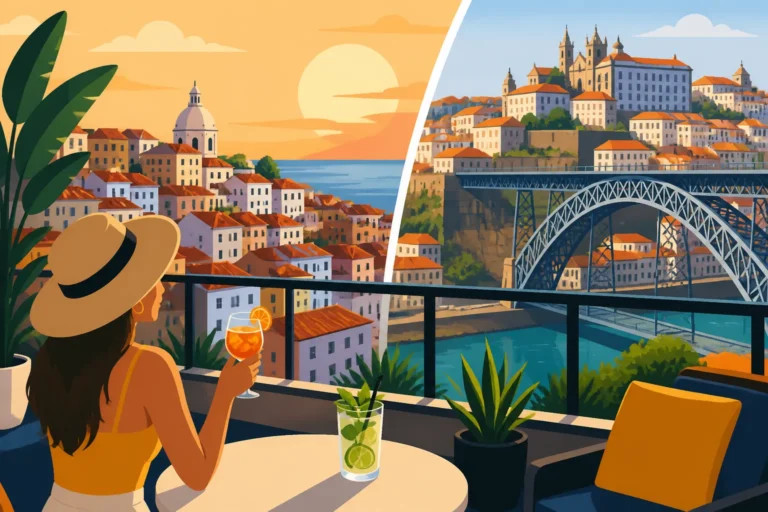
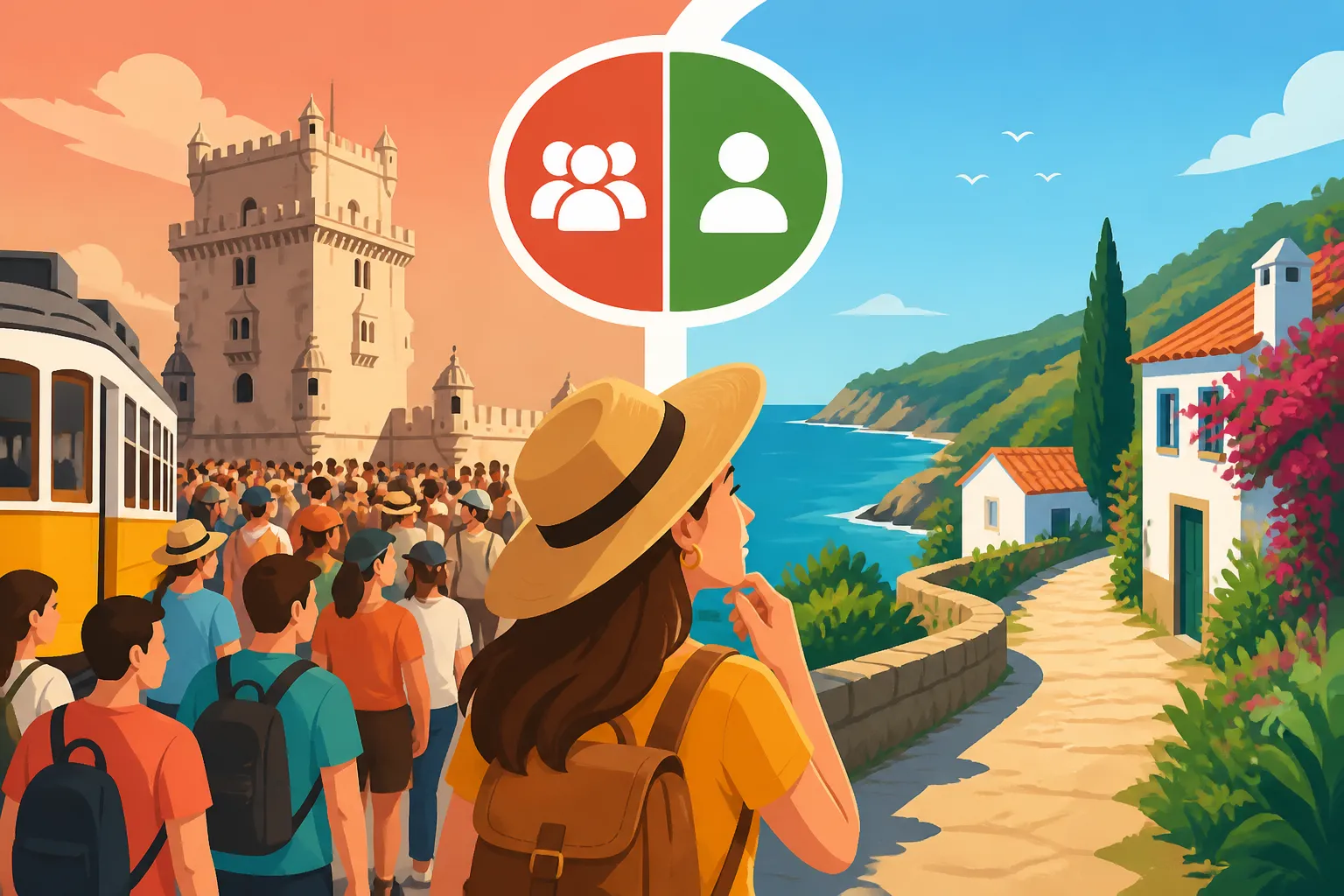
Ah, the romance of Portugal! Sun-drenched beaches, historic castles, vibrant city life… it’s what draws so many of us here. But if you've ever tried to stroll through Alfama in August or snap a photo of the Belém Tower at midday in July, you know the dream can quickly turn into a sardine-can reality. Portugal's peak season is undeniably beautiful, but the sheer volume of visitors can be overwhelming. This guide is here to share some veteran expat secrets on how to savor the magic of Portugal without feeling like you’re constantly battling a sea of fellow tourists.
Understanding Portugal's Peak Season Phenomenon
Let's be real, there's a reason everyone flocks to Portugal during certain times of the year. The weather is glorious, the school holidays are in full swing across Europe and North America, and there's a buzzing energy that's hard to resist. But this collective desire for sunshine and culture inevitably leads to packed streets, long queues, and often, inflated prices. Understanding when and why Portugal gets so busy is the first step in crafting your perfect, crowd-free escape.
The Lure of Summer and Major Festivals
Portugal's peak season traditionally runs from June through August, hitting its absolute zenith in July and August. This isn't just about the scorching summer sun, which, let's be honest, can be intense. It’s also deeply intertwined with a calendar full of fantastic, yet incredibly popular, festivals. Mid-June, for instance, is dominated by the Festas de Lisboa culminating in the Santo António celebrations on June 12th and 13th. Imagine Lisbon's historic neighborhoods like Alfama, Mouraria, and Bica, already narrow and winding, absolutely bursting at the seams with grilled sardines, street parties, and dancing. It’s an unforgettable experience, but definitely not for the faint of heart if you’re trying to avoid crowds.
Similarly, Porto explodes into life for São João on June 23rd, where the entire city turns into an open-air celebration. Hammering strangers with plastic hammers, launching sky lanterns, and dancing until dawn are all part of the tradition. While incredible, these events are local magnets, drawing people from all over Portugal, let alone international visitors. The beaches in the Algarve also become a major draw, with European families descending en masse for their annual summer holidays. These periods, while vibrant, are when you'll find every restaurant terrace full, every viewpoint teeming, and every public transport line a challenge.
Why Everyone Comes at Once
The convergence of perfect weather, school breaks, and a growing reputation as a top European destination creates a perfect storm for tourism. Portugal offers incredible value compared to many other Western European countries, beautiful natural landscapes, a rich history, and delicious food. So, when people plan their summer getaways, Portugal often tops the list. The climate is a huge factor, particularly for those seeking a beach holiday or guaranteed sunshine for exploring. For many, August is the only time they can travel, and with the kids off school, it becomes a non-negotiable window.
This high demand during peak times translates directly into almost every facet of your travel experience. Accommodation prices on Booking.com skyrocket, flights become more expensive, and even simple things like getting a table for dinner without a reservation become a competitive sport. Public transport, particularly the beloved Lisbon trams, often operate at maximum capacity, making a scenic ride feel more like an endurance test. It’s not just the cities; coastal towns, particularly along the Algarve, the Silver Coast, and even the natural parks, see a massive influx of both domestic and international tourists.
Strategic Timing: Embracing Shoulder Seasons and Beyond
If your goal is to experience Portugal's charm without the intense crowds, the most impactful change you can make is your timing. Shifting your travel dates even slightly outside the June-August window can make a world of difference. You'll often find better weather than expected, significantly fewer people, and often, more affordable prices for everything from flights to fado shows.
The Golden Months: Spring and Autumn
For many expats living in Portugal, the shoulder seasons are the true treasures. We're talking about late March to May (spring) and mid-September to October (autumn). These months offer a truly sublime balance. The weather is delightfully mild – warm enough for comfortable exploring, often sunny, but without the oppressive heat of July and August. In spring, the countryside is a riot of wildflowers, and the days are getting longer. In autumn, the light is simply magical, and the ocean is still warm enough for a dip well into October.
During these times, you can actually walk through the winding streets of Lisbon's Alfama or Porto's Ribeira without constant jostling. You can linger at viewpoints, take your time in museums, and enjoy a coffee on a terrace without feeling rushed. Prices for accommodation, car rentals, and even some activities tend to be lower than in peak summer. This is when you can truly appreciate the relaxed pace of Portuguese life. You might even find it easier to communicate with locals, as they're less overwhelmed by the constant tourist flow. I vividly remember a September trip to Sintra where I could actually see the Pena Palace without a hundred heads in front of me – a stark contrast to my August attempt years prior. For those considering a move, experiencing Portugal during these months can give you a much more realistic feel for daily life here. Find out more about the overall experience in our Living in Portugal Guide 2026.
Winter Wonders: A Quieter Experience
Don't discount winter in Portugal! While it's certainly not beach weather (unless you're feeling brave and hardy, or heading to the surf spots that thrive in winter swells), it offers a uniquely quiet and authentic experience. From November to early March, the crowds practically vanish, especially outside of the major cities. The air is crisp, and while it can rain, you’ll also get plenty of clear, sunny days, particularly in the south.
Imagine exploring ancient castles like those in Évora or Guimarães, almost having them to yourself. The museums are tranquil, the fado houses feel more intimate, and you can truly immerse yourself in the local culture. Christmas markets, particularly in larger cities, bring a festive charm. And prices? They hit rock bottom. Hotels are significantly cheaper, and you might even snag some incredible flight deals. The caveat, of course, is that some smaller coastal towns might feel a bit deserted, and a few seasonal businesses might be closed. But if you're looking for cultural immersion, hiking in national parks like Peneda-Gerês, or just enjoying the vibrant city life of Lisbon or Porto without the chaos, winter can be an absolute delight. You'll need to pack layers, though – Portuguese homes aren't always built for warmth, so bundling up is key! It's also a great time to tackle administrative tasks like opening a bank account or getting your NIF, as offices are less busy.
Here's a quick comparison of the seasons:
| Season | Typical Months | Crowds | Weather | Prices | Vibe |
|---|---|---|---|---|---|
| Peak Summer | June, July, August | Extremely High | Hot, Dry, Sunny (25-35°C+) | Very High | Bustling, Energetic, Party |
| Shoulder | Late March-May, Sep-Oct | Moderate to Low | Mild, Pleasant, Sunny (18-28°C) | Moderate | Relaxed, Pleasant, Balanced |
| Winter | Nov, Dec, Jan, Feb, Early Mar | Very Low (except Xmas) | Cool, Chance of Rain (10-18°C) | Low | Quiet, Authentic, Cozy |
Beyond the Hotspots: Discovering Portugal's Hidden Gems
Sometimes, avoiding crowds isn't about when you go, but where you go. While Lisbon, Porto, and the Algarve are undeniably stunning, Portugal is a diverse country with countless regions that offer incredible beauty and rich experiences without the shoulder-to-shoulder tourism. Venturing off the beaten path requires a little more planning, perhaps a rental car, but the rewards are immense.
North Portugal's Untapped Charm
Beyond Porto, Northern Portugal holds a wealth of experiences often overlooked by first-time visitors who stick to the big cities. The Minho region, for instance, with its verdant landscapes, charming medieval towns, and delicious Vinho Verde wine, is a breath of fresh air. Places like Guimarães, the birthplace of Portugal, offer a beautifully preserved historic center (a UNESCO World Heritage site) and a magnificent castle, usually with far fewer tourists than Lisbon's Castelo de São Jorge. The city of Braga, known as the "Rome of Portugal" for its numerous churches and religious festivals, pulses with a youthful energy thanks to its university, yet maintains a dignified calm.
If you head inland, the Douro Valley is famous for its terraced vineyards and port wine production. While popular for river cruises, you can easily find quieter spots by driving through the smaller villages, visiting family-run quintas, and taking scenic walks along the riverbanks. Consider exploring towns like Amarante or Lamego, each offering unique architecture, local gastronomy, and a slower pace of life. You can often find quaint guesthouses on Booking.com in these regions that provide a truly authentic stay.
Central Portugal's Historic Landscapes
Central Portugal is a treasure trove of history, nature, and tranquility. The Silver Coast (Costa de Prata), just north of Lisbon, offers stunning beaches, dramatic cliffs, and picturesque fishing villages that haven't yet been completely overrun. Towns like Nazaré, while known for its giant waves in winter, offers a charming coastal vibe in summer with fewer crowds than the Algarve. Further inland, Óbidos, a fairytale medieval walled town, can get busy during major events, but on a regular weekday, it's a delight to explore.
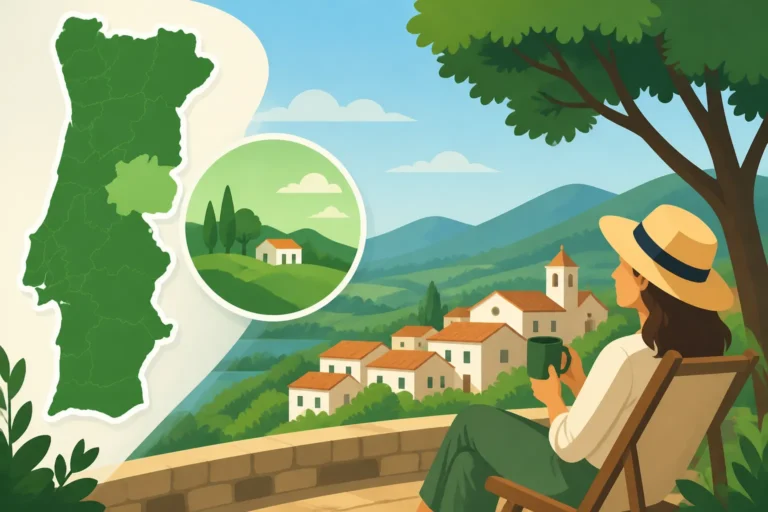
The university city of Coimbra, with its magnificent historic library and vibrant student life, offers a captivating experience. While popular, it rarely feels as congested as Lisbon or Porto, especially if you visit outside of academic peak times. For nature lovers, the Serra da Estrela, Portugal's highest mountain range, provides breathtaking landscapes, hiking trails, and even snow in winter. This region is a world away from the coastal hustle, perfect for those seeking peace and natural beauty. For advice on these regions, check out our Where to Live in Portugal: Lisbon, Porto, Algarve, and Silver Coast Compared guide.
Island Retreats: Madeira and the Azores
For a complete escape from mainland crowds, Portugal's Atlantic archipelagos of Madeira and the Azores are unparalleled. They offer stunning natural beauty, unique cultures, and a much more relaxed pace, even during peak summer months.
Madeira, known as the "Island of Eternal Spring," boasts dramatic volcanic landscapes, lush botanical gardens, and incredible hiking along its levada irrigation channels. Funchal, its capital, is charming and lively, but the rest of the island offers endless opportunities for quiet exploration. The climate is consistently mild, making it a fantastic year-round destination.
The Azores, nine volcanic islands scattered across the Atlantic, are a nature lover's paradise. Think emerald lakes, geothermal hot springs, lush forests, and dramatic coastlines. Each island has its own distinct character, and even the most popular ones, like São Miguel, feel incredibly uncrowded compared to mainland hotspots. Whale watching, hiking, and savoring fresh seafood are just a few of the activities that abound here. These islands represent a different side of Portugal, one where nature takes center stage and tranquility reigns. You can learn more about island life in our Madeira and Azores: Island Living, Costs, and Expat Communities article.
Tactical Triumphs: Navigating Popular Spots Like a Local
Sometimes, you simply have to see the iconic sights. You can't come to Lisbon and not see Jerónimos Monastery, or visit Porto without crossing the Dom Luís I Bridge. The good news is that even in peak season, there are strategies to minimize your time spent in queues and maximize your enjoyment. It’s all about being smart, planning ahead, and sometimes, embracing a slightly different schedule.
Early Bird Gets the Pasteis: Timing is Everything
This is perhaps the golden rule for tackling popular attractions anywhere in the world, and Portugal is no exception. Most major landmarks, museums, and popular viewpoints open their doors between 9 AM and 10 AM. If you can drag yourself out of bed and arrive 15-30 minutes before opening, you’ll be among the first in line and often get to experience the attraction with a fraction of the crowds. Imagine strolling through the quiet cloisters of the Jerónimos Monastery in Belém before the tour buses descend, or having the Miradouro de Santa Luzia in Alfama almost to yourself to capture that perfect sunrise shot.
Similarly, consider visiting popular spots later in the day. Many attractions are open until 5 PM or 6 PM, and the last hour or two can be significantly less busy as people start heading for dinner. This strategy works particularly well for outdoor areas or public spaces like the Lisbon waterfront or the Ribeira in Porto. Early mornings are also fantastic for capturing stunning photographs when the light is softer and the streets are still waking up. Even simple activities like enjoying a pastel de nata at a popular pasteleria are infinitely more enjoyable without a queue stretching out the door. This little hack will make your Portuguese Coffee Culture and Restaurant Etiquette experience much smoother.
Pre-Booking and Smart Planning
In the age of digital convenience, there's no excuse for not booking ahead, especially for high-demand attractions or experiences. Sites like GetYourGuide offer skip-the-line tickets for many of Portugal's most popular sites, from the Pena Palace in Sintra to the Lisbon Oceanário. This can save you hours of precious holiday time that would otherwise be spent shuffling in a queue under the hot sun. Beyond attractions, think about booking popular restaurants, especially for dinner, well in advance. Many top-rated spots, particularly in Lisbon and Porto, are fully booked weeks ahead in peak season.
For travel between cities, particularly if you’re heading to less-frequented destinations or prefer to take the train or bus, booking your tickets online via platforms like Omio is a smart move. Not only can you often snag better prices, but you also guarantee your seat and avoid the hassle of buying tickets at busy stations. If you plan to use public transport extensively in a city like Lisbon or Porto, consider getting a multi-day pass or a rechargeable transport card like the Navegante (Lisbon) or Andante (Porto), which can save you time and money. Our Public Transport and Driving in Portugal guide has more on this.
Embracing the "Portuguese Pace" and Flexibility
One of the most valuable lessons I've learned living here is to embrace the Portuguese pace of life. Things often move a little slower, queues are a common sight, and rushing rarely helps. Instead of getting frustrated by a crowd, try to shift your mindset. See it as an opportunity to people-watch, absorb the atmosphere, or simply slow down. If a particular spot is completely overrun, be flexible and have a backup plan. Perhaps that iconic viewpoint is too packed, but there’s a lovely cafe nearby where you can still enjoy a view with a coffee.
Consider exploring neighborhoods just adjacent to the main tourist hubs. For example, instead of just Rossio square in Lisbon, wander into the Baixa-Chiado area's side streets for unique shops and quieter cafes. In Porto, if the Ribeira is too much, explore the Cordoaria or Cedofeita areas. These areas offer authentic local life, often with charming discoveries, and far fewer crowds. Check out our Lisbon Neighborhood Guide: Best Areas for Expats and Digital Nomads or Porto Neighborhood Guide: Where to Live for Culture, Tech, and Family for ideas. Remember that the magic of Portugal often lies not just in its famous landmarks, but in its hidden corners, its unexpected moments, and its genuine warmth. A bit of patience and a willingness to explore will go a long way in making your trip memorable, even during the busiest times.
Disclaimer
Please remember that while I strive to provide accurate and up-to-date information based on my experience and available data, the world of travel and local conditions can change rapidly. Always cross-reference crucial details like opening hours, transportation schedules, and booking policies before making final plans. Enjoy your journey through Portugal!