How Many Days Do You Need in Lisbon?
Disclosure: This article contains affiliate links. If you buy through them, we may earn a commission at no extra cost to you. Read our full disclosure.
So, you're planning a trip to Lisbon, and you're probably scrolling through countless blogs, feeling a bit overwhelmed, right? Everyone has an opinion on the 'perfect' number of days. It is worth saying that there's no single magic answer. Instead, let's break down what different durations truly offer, so you can tailor your visit to your pace and interests, making sure you don't miss out on what makes this city so utterly captivating.
Understanding Lisbon's Unique Charm: More Than Just Postcards
Lisbon isn't just a collection of landmarks to tick off a list; it's an experience, a feeling that sinks into your bones. The city is a beautiful, chaotic tapestry of ancient history and vibrant modernity, sprawled across seven hills that offer breathtaking miradouros (viewpoints) at every turn. Its charm lies in its details: the melancholic notes of Fado drifting from a hidden tasca, the scent of freshly baked pão wafting from a padaria, the intricate azulejo tiles adorning buildings, and the relentless climb up cobblestone streets that somehow always lead to another spectacular vista.
Why Lisbon Demands Your Time
Unlike some European capitals where you can hit the main sights in a day or two, Lisbon encourages you to slow down. Its layout alone is a testament to this. It's not a flat, grid-like city. Instead, it's a labyrinth of narrow alleys, steep ascents, and unexpected squares. You might think you can just hop on the metro, but the true essence of Lisbon reveals itself when you get lost on foot. You'll stumble upon tiny, family-run restaurants, artisan shops, and hidden courtyards that tour buses never reach.
This city also operates at a different rhythm. Lunch isn't just a quick bite; it's a leisurely affair. Dinner starts late, and conversations linger over coffee long after the meal is done. Trying to rush through Lisbon feels like missing the point entirely. You need time to absorb the atmosphere, to enjoy a bica (espresso) at a sidewalk café, and to simply watch the yellow trams rumble by. The historical layers, from Roman ruins to Moorish influences and the reconstruction after the devastating 1755 earthquake, mean there's an incredible depth to explore if you allow yourself the space to do so.
Beyond the Obvious: Hidden Gems and Local Life
While the São Jorge Castle, Belém Tower, and Jerónimos Monastery are absolutely iconic and must-sees for any first-timer, there’s so much more to Lisbon. Venture beyond the heavily trafficked areas of Baixa and Chiado, and you'll discover neighborhoods with distinct personalities. The elegant avenues of Príncipe Real, with its charming gardens and concept stores, offer a different vibe from the bohemian buzz of Bairro Alto (during the day, anyway) or the artistic community flourishing in Marvila.
Explore the flea market, Feira da Ladra, on a Tuesday or Saturday morning, or visit the LX Factory, an industrial area reimagined into a hub of shops, restaurants, and street art under the 25 de Abril Bridge. These are the places where local life truly unfolds, where you can see Portuguese families going about their day, where artists create, and where the city's creative pulse beats strongest. It’s in these moments, away from the main tourist drag, that Lisbon truly starts to feel like home, even if it's just for a few days.
The Quick Whirlwind: 2-3 Days in Lisbon
For many, a long weekend is all the time they can spare. While it's a whistle-stop tour, you can absolutely get a taste of Lisbon's magic in 2-3 days, provided you're prepared for a fast pace and a bit of strategic planning.
Who Is This For?
This shorter duration is perfect for weekend breakers from other European cities, those on a quick layover before heading further afield, or travelers who have Lisbon as just one stop on a broader Portugal itinerary. If you're someone who thrives on efficiency and doesn't mind packing a lot into each day, you can make these few days incredibly memorable. It's also ideal if you prefer to see the main highlights and then return for a longer, more leisurely trip another time.
What You Can Realistically Cover
In 2-3 days, your focus will be on the absolute essentials, the postcard-perfect sights that define Lisbon. You'll want to concentrate on geographical clusters to maximize your time and minimize travel.
- Day 1 (Alfama & Baixa): Start with the historic heart. Wander through the ancient, winding streets of Alfama, climb up to the São Jorge Castle for panoramic views, and soak in the atmosphere. Descend into Baixa, the grid-patterned downtown area rebuilt after the earthquake, exploring Praça do Comércio and Rua Augusta. Consider a traditional Fado show in Alfama in the evening to immerse yourself in Portugal's soulful music.
- Day 2 (Belém & Chiado/Bairro Alto): Head to Belém to see the iconic Jerónimos Monastery, Belém Tower, and Padrão dos Descobrimentos. Don't forget to queue for a Pastel de Nata at Pastéis de Belém. Back in the city, explore the elegant shops and theaters of Chiado, then ascend to Bairro Alto as the evening approaches for its lively bar scene.
- Day 3 (Parque das Nações or a Quick Repeat): If you have a full third day, you could visit Parque das Nações, the modern side of Lisbon that hosted Expo '98, complete with the Oceanário de Lisboa. Alternatively, use this day to revisit a favorite spot, explore a specific museum you missed, or simply enjoy a slower morning.
Booking specific attractions or tours in advance, perhaps through platforms like GetYourGuide, can help you skip lines and optimize your limited time. For transport, while walking is essential, consider using Lisbon's public transport system. You'll find yourself relying on the metro, trams, and buses.
The Trade-offs of a Short Stay
The biggest drawback of a short stay is the feeling of being constantly on the move. You'll likely find yourself rushing from one spot to the next, snapping photos, but perhaps not fully absorbing the atmosphere. There's less time for spontaneous discoveries – those magical moments when you stumble upon a tiny bakery or a local market you didn't know existed.
You'll also miss out on most day trips, which are a huge part of the Lisbon experience. Sintra, Cascais, and Évora are all fantastic excursions that simply cannot be squeezed into 2-3 days without extreme fatigue. Furthermore, with less time, you might find yourself sticking to the more obvious tourist traps, missing the authentic, local side of the city. Remember, the Common tourist scams in Lisbon: Pickpockets on Tram 28 and fake hash sellers are more prevalent in these high-traffic areas, so always be vigilant.
Getting a Real Feel: 4-5 Days in Lisbon
If you can stretch your trip to 4-5 days, you're hitting the sweet spot. This duration allows for a much more relaxed pace, a deeper connection with the city, and the opportunity to truly live, rather than just visit, Lisbon.
Why This Is Often the Sweet Spot
With 4-5 days, you gain precious flexibility. You can spend a leisurely morning at a miradouro with a coffee, take a longer lunch, and allow for some unplanned exploration without feeling like you're missing out on a major landmark. This is where Lisbon starts to unfold its true character. You can delve into the history without constantly checking your watch, enjoy the vibrant food scene beyond just Pastéis de Nata, and even get a sense of the different neighborhoods' unique rhythms.
It’s also enough time to recover from travel fatigue and truly settle into the Portuguese pace of life. You'll start to recognize your local cafe, maybe even exchange a few words of Portuguese, and feel a little less like a tourist and a little more like a temporary local. This duration allows for a delightful balance between structured sightseeing and spontaneous discovery.
Expanding Your Exploration: Beyond the Core
With these extra days, you can expand your horizons significantly.
- More Neighborhoods: Dedicate time to neighborhoods like Príncipe Real, known for its elegant squares, boutique shops, and beautiful gardens like Jardim do Príncipe Real. Explore Estrela, home to the magnificent Basílica da Estrela and the tranquil Jardim da Estrela. Head up to Graça for stunning views from Miradouro da Senhora do Monte or Miradouro da Graça, less crowded than some others. Check out a Lisbon Neighborhood Guide: Best Areas for Expats and Digital Nomads to get a feel for what might suit your interests.
- Museums and Culture: Lisbon boasts excellent museums. The National Azulejo Museum is a fascinating dive into Portugal's iconic ceramic tiles, housed in a former convent. The Calouste Gulbenkian Museum offers an impressive collection ranging from ancient to modern art. Take a dedicated afternoon for one of these, something nearly impossible on a shorter trip.
- Leisure and Local Flavors: Enjoy longer, more traditional Portuguese meals. Seek out a local tasca for authentic, affordable fare. Spend an afternoon browsing independent bookstores or simply people-watching from a café terrace. This is also a perfect amount of time to try a half-day trip to somewhere easily accessible like Cascais, a charming seaside town reachable by a scenic train ride.
- Shopping: For those who enjoy shopping, explore the unique boutiques in Chiado, the more modern stores in Baixa, or even the large shopping centers like Colombo or Vasco da Gama if that's your preference.
Practical Planning for a Mid-Length Trip
For a 4-5 day stay, efficient transport becomes even more crucial. Instead of single-ride tickets, consider getting a Viva Viagem card and loading it with a Zapping balance or, for heavy users, even a Navegante Pass Lisbon: How to get the €40 monthly unlimited transit card. This card is incredibly versatile, working on the metro, trams, buses, and even some commuter trains. Remember that the iconic Tram 28 is a charming but often crowded way to see the city. For getting around quickly and conveniently, especially to and from the airport or late at night, ride-hailing apps like Bolt and Uber are readily available and often cheaper than traditional taxis. Read up on Using Bolt vs Uber in Portugal: Which ride-hailing app is cheaper? to make informed choices.
When it comes to accommodation, Booking.com offers a vast array of options, from charming boutique hotels in Alfama to modern apartments in Príncipe Real. With 4-5 days, you have more flexibility in choosing a neighborhood that truly suits your style, rather than just prioritizing proximity to main sights. You could even split your stay between two different areas to experience varied vibes. Booking popular tours or activities, especially Fado shows or specific food tours, a little in advance is always a good idea. Sites like GetYourGuide are excellent for this, ensuring you secure your spot.
The Deep Dive and Beyond: 6-7+ Days in Lisbon (and Day Trips!)
If you have a week or more in Lisbon, you're in for a treat. This is where you can truly embed yourself, discover its layers, and use it as a fantastic base to explore the wider region. This duration transforms your visit from a tour to an experience of living in Portugal, even if just for a short while.
Embracing the Slower Pace and Local Immersion
A stay of 6-7 days or more allows you to shed the typical tourist agenda and really lean into the Lisboeta way of life. You can dedicate entire mornings to a single neighborhood, allowing yourself to wander aimlessly, discover local parks, and soak in the everyday rhythm. Imagine starting your day with a pastry and a coffee at a non-touristy pastelaria, then meandering through small streets, perhaps finding a local feira (market) or an antique shop.
You'll have the luxury of returning to places you loved, trying out different cafes or restaurants in your chosen neighborhood, and simply sitting on a bench at a miradouro for an extended period, watching the light change over the Tagus River. This extended time fosters a deeper appreciation for the city's character, its people, and its often-overlooked corners. You can even try to pick up some basic Portuguese phrases, which locals always appreciate!
Essential Day Trips from Lisbon
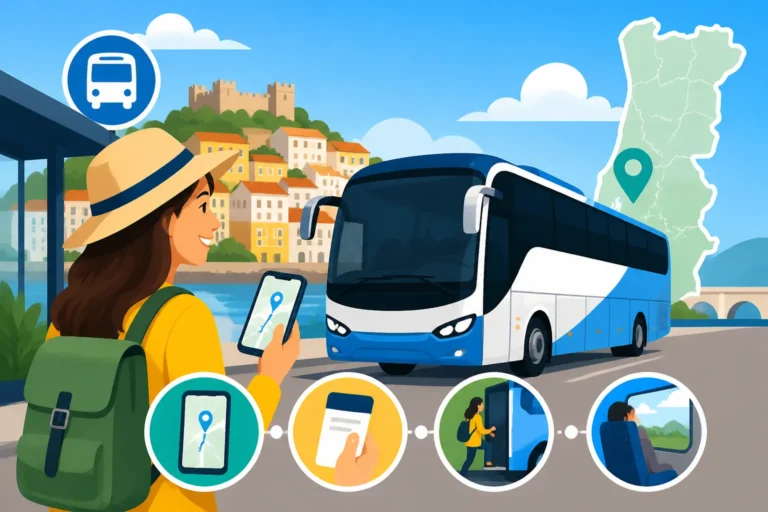
One of the biggest advantages of a longer stay is the opportunity to take several meaningful day trips, which are absolutely essential to understanding Portugal beyond its capital. The transport network, from trains to buses, makes this quite accessible, and you can even book many of your tickets through Omio for convenience.
- Sintra: This UNESCO World Heritage site is an absolute must-do and demands a full day. Its whimsical palaces (Pena Palace, Quinta da Regaleira), ancient castle (Moorish Castle), and lush gardens are straight out of a fairy tale. It's often crowded, so going early is key.
- Cascais: A charming coastal town easily reached by a scenic train ride along the Estoril line. Perfect for a half-day or full-day escape, offering beaches, a picturesque marina, and lovely seafood restaurants.
- Évora: For a dose of Roman and medieval history, Évora, another UNESCO site in the Alentejo region, is fantastic. You can see a Roman temple, the Chapel of Bones, and a stunning cathedral. It’s a longer train or bus ride, so plan for a full day. You can find information about Buying train tickets online with Comboios de Portugal (CP) app for destinations like Évora.
- Setúbal & Arrábida Natural Park: If you love nature and beautiful beaches, this area just south of Lisbon offers stunning landscapes, fresh seafood, and wineries. You'll likely need a car for the best experience, or consider a guided tour.
These trips enrich your understanding of Portuguese culture and geography, offering a beautiful contrast to the bustling city life.
Experiencing Lisbon Like a Local
With more time, you can truly integrate into local life and go beyond the typical tourist activities.
- Culinary Adventures: Take a cooking class to learn how to make traditional Portuguese dishes. Explore the Time Out Market (Mercado da Ribeira) for a high-end food hall experience, but also visit smaller, local markets like Campo de Ourique Market for a more authentic vibe. Indulge in long, leisurely dinners at tascas and marisqueiras (seafood restaurants). Dive into the nuances of Portuguese Coffee Culture and Restaurant Etiquette: Ordering Like a Local.
- Cultural Deep Dives: Catch a football match (soccer) if you're a sports fan, visit an art gallery in Marvila, or simply spend an afternoon browsing books in Livraria Bertrand, the world's oldest operating bookstore.
- Relaxation: Take an entire afternoon to simply unwind in one of Lisbon's beautiful parks, like Parque Eduardo VII, or enjoy the sunset from a less-known miradouro. For longer stays, especially if you're considering a move, understanding things like Cost of Living in Portugal 2026: Detailed Budgets for Singles and Families becomes more relevant. You might even find yourself looking up Making Friends and Networking in Portugal: Expat Groups and Meetups to connect with others who appreciate a deeper engagement with the city.
- Navigating Local Norms: You'll have time to observe and understand local etiquette, from how to hail a taxi to how to interact with shopkeepers. You might even start to grasp the subtleties of Tipping culture in Portugal: Do you leave 10% or just round up the bill?. This immersive approach is genuinely rewarding.
Factors Influencing Your Ideal Lisbon Stay
Ultimately, the "perfect" number of days in Lisbon is subjective and depends on several individual factors. There's no one-size-fits-all answer, so consider these points when planning your adventure.
Your Travel Style and Interests
Are you a history buff who wants to meticulously explore every museum and ancient site? Then you'll need more time than someone primarily interested in nightlife and beaches. If you're a foodie eager to try every type of petisco and visit multiple Michelin-starred restaurants, that will also dictate a longer stay to truly savor the culinary landscape.
Perhaps you're traveling with family. Moving to Portugal with Kids: Schools, Childcare, and Family Life considerations mean you'll need a slower pace, factoring in playgrounds, child-friendly attractions like the Oceanário, and breaks. Solo travelers or couples might enjoy a more packed itinerary, whereas those with young children will definitely need to spread things out. Conversely, if your main goal is relaxation, you might want fewer structured activities and more time simply enjoying the atmosphere, which also leans towards a longer trip.
Budget and Time of Year
Your budget will inevitably play a significant role. Lisbon, while generally more affordable than many Western European capitals, still requires a budget for accommodation, food, transport, and activities. A longer stay will naturally incur more costs, so assess what you're comfortable spending. You can find some general insights on the Cost of Living in Portugal 2026: Detailed Budgets for Singles and Families for comparison.
The time of year also heavily impacts the experience. Summer (June-August) is peak season, meaning larger crowds, higher prices for flights and accommodation (check Booking.com far in advance!), and hotter weather. While the Festas dos Santos Populares in June are incredible, navigating the city can be exhausting. Spring (April-May) and Fall (September-October) offer pleasant weather, fewer crowds, and often better prices, making extended stays more comfortable. Winter (November-March) can be rainy and cooler, but it's also the quietest time, allowing for a very authentic, local experience at the lowest prices. Just be aware of the infamous The "August Shutdown": Why getting things done in summer is impossible, when many local businesses close for holidays, especially outside of major tourist areas.
Combining Lisbon with Other Regions of Portugal
Are you just visiting Lisbon, or is it part of a grander tour of Portugal? If you plan to explore the northern charm of Porto, the historical wonders of Coimbra, or the stunning beaches of the Algarve, your time in Lisbon might be naturally shortened to accommodate these other destinations.
Many people fly into Lisbon, spend a few days, then take a train or bus north to Porto, or south to the Algarve. If this is your plan, a 3-5 day stay in Lisbon is often ideal. However, if Lisbon is your sole destination, or if you're using it as a central base for day trips to other regions, then allocating a week or more makes perfect sense. Understanding Public Transport and Driving in Portugal: Trains, Tolls, and Licenses will be crucial if you plan on extended travel across the country, especially when using services like Omio to book intercity travel.
Here's a quick summary table to help you decide:
| Duration | Focus | Key Highlights | Pace | Ideal For |
|---|---|---|---|---|
| 2-3 Days | The Essentials | Alfama, Baixa, Belém, São Jorge Castle | Fast | Weekend breaks, layovers, first-timers, part of a wider tour |
| 4-5 Days | Deeper Dive & Exploration | Adds Príncipe Real, museums, half-day trip to Cascais or a beach day | Moderate | Most tourists, balanced experience, culture enthusiasts |
| 6-7+ Days | Immersion & Day Trips | Sintra, Évora, Setúbal, local markets, cooking classes, slow travel, local living | Relaxed | Expats, slow travelers, history buffs, families, foodies |
Ultimately, Lisbon is a city that rewards those who give it time. While even a short visit can be magical, the longer you stay, the more layers you'll peel back, and the deeper you'll fall in love with its unique charm. So, decide what kind of traveler you are, what you hope to experience, and plan your Lisbon adventure accordingly.
Disclaimer
Please note that while this guide provides comprehensive information based on current knowledge and typical expat experiences in Portugal, rules, regulations, and prices can change. Always verify specific details with official sources, especially regarding visa requirements, public transport fares, and local laws. This content is for informational purposes only and should not be considered legal or financial advice.