How to Visit Sintra From Lisbon in a Day
Disclosure: This article contains affiliate links. If you buy through them, we may earn a commission at no extra cost to you. Read our full disclosure.
Oh, Sintra! It's one of those magical places in Portugal that absolutely everyone tells you you just have to see. And they're right, the beauty is undeniable. But let's be real, the thought of navigating another town's public transport, dealing with crowds, and trying to cram half a dozen jaw-dropping palaces into a single day from Lisbon can feel less like an enchanting escape and more like a logistical nightmare. Trust me, I've been there, staring at maps, wondering if I'd make the last train back. This guide is here to cut through the confusion and help you plan a realistic, enjoyable day trip to Sintra without losing your mind.
Why Sintra Deserves a Day Trip And Why It's Overwhelming
Sintra is a UNESCO World Heritage site, and for good reason. Its dramatic landscape, nestled in the Sintra Mountains, is dotted with fantastical palaces, ancient ruins, and lush, mystical gardens. It’s a place that truly feels like it's sprung from a fairytale. But for every dreamy photograph you see, there's often a story of a traveler battling crowds, struggling with transportation, or feeling utterly rushed.
The Allure: Palaces, Gardens, and Mystique
Let's start with why Sintra has such a magnetic pull. You'll find yourself immersed in a landscape that practically breathes history and romance.
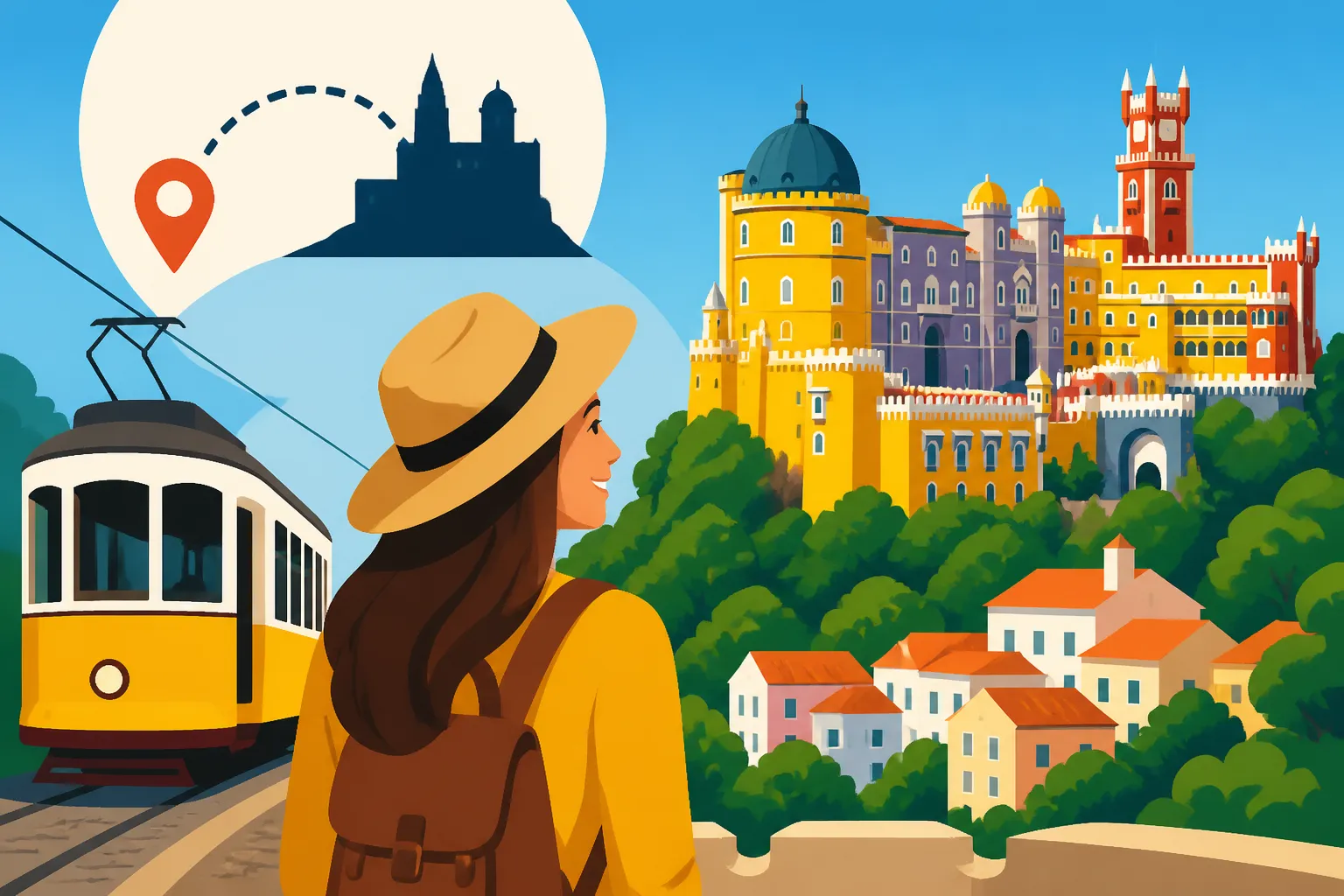
- Pena Palace (Palácio da Pena): This is often the poster child of Sintra, and for good reason. Perched high on a hill, its vibrant yellow and red hues, intricate decorative elements, and whimsical design make it look like something plucked straight from a Disney movie. The palace combines neo-Gothic, neo-Manueline, neo-Islamic, and neo-Renaissance architectural styles, a true eclectic masterpiece. Exploring its colorful terraces and walking through its opulent interiors is an experience in itself. Don't forget to wander through the vast surrounding park, which is just as stunning with its hidden pathways, exotic trees, and charming chalets.
- Quinta da Regaleira: For many, this is the true gem of Sintra, offering a completely different, yet equally captivating, atmosphere. It's not just a palace but an estate brimming with enigmatic symbols, secret tunnels, and mystical gardens designed to reflect the owner's interest in alchemy, masonry, and the Knights Templar. The Initiation Well, an inverted tower descending deep into the earth, is perhaps its most iconic feature, leading to underground grottoes and pathways. It's a place where you can easily lose yourself for hours, both literally and figuratively.
- Moorish Castle (Castelo dos Mouros): If you're looking for history and breathtaking panoramic views, the Moorish Castle is a must. Dating back to the 8th and 9th centuries, these ancient fortifications offer a glimpse into Portugal's past. Walking along its ramparts, you'll feel like you're stepping back in time, all while enjoying unparalleled vistas of Sintra town, the Pena Palace, and the Atlantic Ocean in the distance. It’s less about opulent interiors and more about the raw, majestic beauty of ancient stone and sweeping landscapes.
- Sintra National Palace (Palácio Nacional de Sintra): Located right in the heart of Sintra town, this palace is easily identifiable by its two massive, conical chimneys. It was a favored residence for Portuguese royalty for centuries and boasts a unique collection of azulejos (painted tiles) and beautiful halls, including the impressive Swan Room. It's a more traditional palace experience compared to Pena or Regaleira but offers a fascinating insight into royal life.
The Reality Check: Crowds, Logistics, and Tourist Traps
Now, let's talk turkey. All that beauty and mystique comes with a catch: everyone else wants to see it too. Sintra is one of Portugal's most popular destinations, and it shows, particularly during peak season (summer months) and weekends.
The biggest frustration for many first-time visitors is the sheer volume of people and the logistical challenges within Sintra itself. The main attractions are scattered across hillsides, often a fair distance from the train station and from each other. While the town center is charming and walkable, getting up to Pena Palace or the Moorish Castle is a steep trek, and not one you want to do on foot unless you're truly dedicated to hiking and have plenty of time.
Then there's the traffic. The narrow, winding roads are simply not built for the constant stream of tourist buses, private cars, and tuk-tuks. This leads to frustrating delays, especially if you're trying to drive yourself (which I'll strongly advise against in a moment). The combination of dense crowds at ticket offices, packed buses, and slow-moving traffic can quickly turn your fairytale day into a test of patience. You really need to go in with a game plan, or you'll find yourself feeling more stressed than enchanted. It's a classic expat complaint, actually, how places like Sintra, Évora, or Cascais can be overrun, making it tough to truly soak in the local vibe unless you know the tricks.
Getting to Sintra from Lisbon: Your Transport Options
Deciding how to get from Lisbon to Sintra is the first crucial step in planning your day. There are a few ways to do it, each with its own set of pros and cons.
The Train: Most Popular and Practical
Without a doubt, taking the train is the most popular and, in my opinion, the most practical way to reach Sintra from Lisbon. It's efficient, relatively inexpensive, and, crucially, bypasses all the traffic congestion on the roads leading into Sintra.
You have two main departure points in Lisbon:
- Rossio Train Station: This is often the most convenient if you're staying in central Lisbon, particularly in areas like Baixa or Chiado. The station itself is a beautiful neo-Manueline building. Trains from Rossio run frequently, typically every 10-20 minutes, and the journey takes about 40 minutes, dropping you right at Sintra's main train station, which is just a short walk from the historic center.
- Oriente Train Station: If you're coming from the Parque das Nações area or directly from the airport, Oriente is a good option. However, trains from Oriente usually make more stops and might take a little longer.
- Entrecampos or Sete Rios Stations: These are also options, connecting various parts of Lisbon.
The train ticket itself is quite affordable. You'll need a "Viva Viagem" card, which is a reusable, rechargeable card used for all public transport in Lisbon. If you don't have one, you can purchase it at any metro or train station for a small fee (currently around €0.50). Load it with money or directly purchase a return ticket to Sintra. A single journey usually costs around €2.40-€2.50. You can also get a Zapping option on your Viva Viagem card, which allows you to use it on various transport modes and can be very convenient for longer stays or if you plan to explore more of Portugal's public transport. For more details on navigating public transport in Portugal, you might find our guide on Public Transport and Driving in Portugal: Trains, Tolls, and Licenses helpful.
Pros of the Train:
- Cost-effective: It’s very budget-friendly compared to other options.
- Frequent service: Trains run regularly throughout the day, so you don't have long waits.
- Time-efficient: You avoid road traffic, making the journey time predictable.
- Environmentally friendly: A more sustainable way to travel.
Cons of the Train:
- Doesn't solve in-Sintra transport: Once you arrive at Sintra station, you still need to figure out how to get to the palaces, as they're not within easy walking distance up the hills. This is where many first-timers get stumped.
- Can get crowded: Especially on weekends and during peak season, trains can be standing room only.
Driving: A Double-Edged Sword
You might be tempted to rent a car and drive to Sintra for the freedom and flexibility. And while it sounds good on paper, I'm going to tell you something directly, from one expat to another: unless you have a very specific reason or are planning to stay in Sintra for more than a day and explore beyond the main sights, I strongly advise against driving to Sintra.
Here's why:
- Parking Nightmares: Sintra's historic center and the areas around the palaces have extremely limited parking. What little parking exists is often expensive, full by mid-morning, or requires you to park a significant distance away and still rely on local transport or a long walk. You'll spend more time circling for a spot than enjoying the sights.
- Narrow, Winding Roads: The roads leading up to Pena Palace and the Moorish Castle are incredibly narrow, steep, and full of hairpin turns. They're often shared with tourist buses, tuk-tuks, and pedestrians, making for a stressful and slow drive.
- Traffic Congestion: As mentioned, the traffic can be horrendous. You could easily find yourself stuck in a queue for an hour just trying to get up to a palace, wasting precious sightseeing time.
- Road Closures and Restrictions: During peak periods, some roads leading to the palaces are often closed to private vehicles, forcing you to park even further away.
Pros of Driving (with heavy caveats):
- Flexibility: You have complete control over your schedule and can theoretically visit lesser-known spots outside the main tourist circuit more easily.
- Group travel: If you're a family with young children or mobility issues, a car might seem more appealing initially, but the parking and traffic issues often negate this.
Cons of Driving:
- Stress: High levels of stress from traffic, parking, and navigating unfamiliar, challenging roads.
- Time-consuming: You'll likely waste a lot of time stuck in traffic or searching for parking.
- Expensive: Car rental, fuel, tolls, and parking fees add up quickly.
If you absolutely must drive, perhaps because you're planning a wider road trip through Portugal, be aware of the Navigating the Portuguese Toll System: Via Verde and Electronic Tolls to avoid fines. Also, consider parking outside Sintra town (e.g., at Portela de Sintra station, one stop before Sintra, which has a larger parking area) and taking a local bus or taxi in.
Organized Tours: Convenience at a Cost
For those who want zero hassle and prefer to have everything taken care of, an organized tour from Lisbon is a fantastic option. These tours typically include round-trip transport from Lisbon, a guide, and often skip-the-line access to some attractions. Many also combine Sintra with visits to nearby Cascais or Cabo da Roca, giving you a taste of the coastal beauty.
You can find numerous tour operators offering full-day excursions. Websites like GetYourGuide are excellent resources for comparing options, reading reviews, and booking in advance. They often pick you up directly from your accommodation in Lisbon or a central meeting point.
Pros of Organized Tours:
- Convenience: No need to worry about transport, navigation, or buying individual tickets.
- Guided experience: A knowledgeable guide can provide historical context and insights you might miss on your own.
- Skip-the-line access: Often included, saving you valuable time queuing.
- Multi-stop itineraries: Many tours combine Sintra with other beautiful locations like Cascais or Cabo da Roca, maximizing your day.
Cons of Organized Tours:
- Less flexibility: You're on a fixed schedule, which means less time to linger at places you love or explore hidden corners.
- Can feel rushed: Trying to see multiple major attractions in a single day can make it feel like you're constantly on the move.
- Higher cost: Generally more expensive than doing it yourself by train.
- Group dynamics: You're with a group, which might not appeal to everyone.
Here’s a quick comparison of your main transport options:
| Option | Pros | Cons | Cost (Approx. Round Trip) | Time (One Way) |
|---|---|---|---|---|
| Train (DIY) | Affordable, frequent, avoids traffic, flexible in Sintra (once there) | Doesn't solve in-Sintra transport, can be crowded | €5 – €6 | 40 mins |
| Driving (Self) | Ultimate flexibility (in theory) | Parking nightmares, heavy traffic, narrow roads, stressful | €30 – €60+ (fuel, tolls, parking) | 40 mins – 1.5 hrs+ |
| Organized Tour | Hassle-free, guided insights, skip-the-line, multi-stop | Less flexible, can feel rushed, higher cost, group dependency | €60 – €100+ | Varies |
Omio can also be a good platform to check train schedules and even book tickets if you prefer a streamlined digital experience, though for the Lisbon-Sintra route, buying at the station with your Viva Viagem card is usually the most straightforward.
Navigating Sintra Itself: Once You Arrive
So you've arrived at Sintra train station – congratulations, you've conquered the first hurdle! Now comes the next challenge: getting around Sintra. The palaces are strategically placed on hills, meaning walking between them is largely impractical for a day trip, especially if you want to save your energy for exploring the actual sites.
The 434 Bus: Your Lifeline to the Palaces
The most famous and frequently used mode of transport within Sintra is the Scotturb 434 bus. This local bus operates on a hop-on, hop-off circuit specifically designed for tourists, connecting the train station to the historic center (Sintra Vila), the Moorish Castle, and the Pena Palace.
- Route: The 434 bus follows a one-way loop: Sintra Train Station → Sintra National Palace (Town Center) → Moorish Castle → Pena Palace → Sintra Train Station. It's a clever design to keep traffic moving, but it means you can't go directly from Pena back to the National Palace without completing the loop.
- Frequency: During peak season, buses run quite frequently, usually every 15-20 minutes. Off-season, it might be less often, so check the latest schedules.
- Cost: You can buy a single-use ticket (around €4.50-€5.00 for the full loop) or a cheaper single ride if you only need one stop. The full loop ticket is usually the best value if you plan to visit multiple sites.
- Where to Catch It: The bus stop is right outside Sintra train station. You'll likely see a queue forming, as it's the most popular option.
Important Considerations for the 434 Bus:
- Crowds: This bus gets incredibly crowded, especially mid-morning. Be prepared to stand, and potentially wait for a second or third bus if the first ones are full. This is a prime source of expat frustration in Sintra – the feeling of being herded!
- Driving: The bus navigates those same narrow, winding roads mentioned earlier, so it can be a slow journey, especially if there's traffic.
- Flexibility: While it's hop-on, hop-off, you're still tied to the bus's schedule and route.
Taxis, Ride-Shares, and Tuk-Tuks: Pricey but Convenient
If you prefer a more direct, less crowded, or faster way to get between specific sites, taxis, ride-shares (like Uber or Bolt), and tuk-tuks are available.
- Taxis: You'll find a taxi stand outside Sintra train station. Taxis can take you directly to your desired palace. This is a good option if you're a small group splitting the fare or if you want to avoid the bus queues. Be prepared for fares that are significantly higher than the bus (e.g., €5-€10+ for a single journey to Pena Palace).
- Ride-Shares (Uber/Bolt): Uber and Bolt operate in Sintra. They can be a convenient way to get around, often slightly cheaper than traditional taxis, but subject to surge pricing during busy times. The challenge can be finding a driver readily available, especially from the palace entrances where connectivity might be spotty, or where drivers might prefer not to navigate the dense traffic.
- Tuk-Tuks: These charming, open-air vehicles are everywhere in Sintra. They offer a fun and somewhat faster way to get around, often with a driver who can provide some commentary. However, they are typically the most expensive option. Negotiate the price beforehand, whether for a single ride or a tour of multiple palaces. This can be a good splurge if you're tired of waiting or want a more personalized experience.
Walking (for the Brave and Fit)
While Sintra is visually stunning for walking, it's not a practical solution for getting between all the major palaces on a day trip due to the distances and steep inclines.
- Sintra Town Center to Quinta da Regaleira: This is a very pleasant and manageable walk, taking about 15-20 minutes from the train station or the historic center. The path is scenic and relatively flat initially, though there's an uphill stretch to the Quinta entrance.
- Sintra Town Center to Sintra National Palace: This is an easy 5-minute walk, as the palace is right in the heart of the town.
- To Pena Palace or Moorish Castle: Unless you are an avid hiker with ample time, I strongly advise against walking to Pena Palace or the Moorish Castle from the town center or train station. It's a very steep, long, and tiring uphill trek (45-60+ minutes minimum), and you'll arrive exhausted before you even start exploring the palaces themselves. Save your energy for the magnificent sites!
Recommendation: For most visitors, a combination of the train from Lisbon and the 434 bus or a strategically chosen taxi/tuk-tuk ride within Sintra is the best approach. Wear comfortable walking shoes, no matter what, as you'll be doing a lot of walking within the palace grounds and gardens.
Crafting Your Perfect Sintra Itinerary: Realistic Expectations
Alright, let's talk strategy. You've gotten to Sintra, you know your transport options, but how do you actually make the most of your precious day without feeling like you're in a marathon? The key is realistic planning and prioritizing.
Choosing Your Top 2-3 Must-Sees
Here's the brutal truth: you cannot see everything Sintra has to offer in one day. Seriously, don't even try. You'll end up rushing, getting frustrated, and not truly appreciating anything. For a satisfying day trip, aim for two to three major attractions at most.
Consider these popular combinations:
- The "Fairytale Duo": Pena Palace & Quinta da Regaleira. This is probably the most common and arguably the most rewarding combination. Start early at Pena Palace (as it gets the busiest), then head down to Quinta da Regaleira. They offer vastly different experiences – Pena for its vibrant exterior and royal history, Regaleira for its mysterious gardens and hidden depths.
- History & Views: Moorish Castle & Pena Palace. If you're a history buff and crave epic views, pairing these two makes sense. The Moorish Castle is right next to Pena Palace, so you can do them together.
- Town & Mystique: Sintra National Palace & Quinta da Regaleira. If you prefer to stay closer to the town center and want a mix of traditional royal history and intriguing gardens, this is a great choice. The National Palace is right in town, and Regaleira is a pleasant walk away.
Why only 2-3? Each major site, especially Pena Palace and Quinta da Regaleira, requires a minimum of 2-3 hours to explore properly, including travel time between them and potential queues. Trying to squeeze in a fourth or fifth will leave you utterly exhausted and feeling like you just checked boxes rather than experienced magic.
Timing is Everything: Beat the Crowds
This is perhaps the most critical piece of advice for a successful Sintra day trip: get there early! Sintra fills up fast, and the crowds only multiply as the day progresses.
- First Train from Lisbon: Aim to catch one of the first trains from Lisbon, ideally arriving in Sintra by 9:00 AM, or even earlier if you're really committed. This puts you ahead of the tour buses and the main surge of day-trippers.
- First Palace at Opening Time: Your goal should be to be at the entrance of your first chosen palace (most likely Pena Palace, as it's the highest and busiest) right when it opens, usually around 9:30 AM. You'll experience the initial quiet, get better photos, and move through the site more freely.
- Pre-Book Your Tickets: This is non-negotiable. Always, always, always buy your entrance tickets online in advance. Websites like the Parques de Sintra official site (parquesdesintra.pt) allow you to purchase timed entry tickets for Pena Palace, Quinta da Regaleira, and the Moorish Castle. This saves you valuable time waiting in line at the ticket booths, which can be incredibly long. Booking.com is generally for accommodation, but for attraction tickets, check official sites or dedicated tour aggregators.
- Lunch Strategy: Avoid eating lunch at the peak noon-1 PM rush if possible. Pack some snacks or aim for a late lunch in Sintra town after the main crowds have started to thin, or grab a bite at one of the palace cafes (though these are often pricey and crowded). Finding quality, authentic food without feeling rushed can sometimes be tricky in such tourist-heavy areas.
Essential Tips for a Smooth Day
Beyond timing and prioritization, a few practical tips can make a world of difference:
- Wear Comfortable Shoes: This isn't a suggestion, it's a command! You'll be walking up hills, through cobblestone streets, and across extensive palace grounds. Leave the fashion shoes at home.
- Pack Layers: Sintra's microclimate means it can be significantly cooler and foggier than Lisbon, even in summer. The elevation means more wind, and clouds often roll in unexpectedly. Bring a light jacket or cardigan, even if it feels warm in Lisbon.
- Stay Hydrated and Bring Snacks: While there are cafes, bringing your own water bottle and some easily packable snacks (fruit, granola bars) is smart. This keeps your energy up and saves money. You can pick these up at any Grocery Shopping in Portugal: Continente, Pingo Doce, Auchan, and Mercados before you leave Lisbon.
- Download Offline Maps: Phone signal can be spotty in some parts of Sintra, especially within the palace grounds or tunnels of Quinta da Regaleira. Download Google Maps or a similar app's offline area for Sintra beforehand.
- Charge Your Phone/Camera: You'll be taking tons of photos, so make sure your devices are fully charged or bring a portable power bank.
- Be Patient and Flexible: Despite all the planning, things might not go exactly to script. A bus might be late, a queue might be longer than expected. Embrace the unexpected, adjust your plans, and try to maintain a relaxed attitude. Remember, you're in Portugal, where things often move at a slightly different pace. Our general Daily Life in Portugal: Supermarkets, Language, and Cultural Etiquette guide often emphasizes the importance of a patient mindset.
- Consider a Guidebook or App: While tours offer guides, a good guidebook or a self-guided audio app can enhance your experience at the sites, providing context and stories that bring the palaces to life.
- Know Your Way Back: Confirm the schedule for the last train back to Lisbon. You don't want to miss it and be scrambling for alternatives.
By keeping these tips in mind, you can transform a potentially stressful day in Sintra into an unforgettable highlight of your Portugal trip. Just remember: prioritize, plan, and prepare to be enchanted!
Disclaimer
The information provided in this guide is intended for general informational purposes only and may be subject to change. While we strive to keep the content accurate and up-to-date, travel conditions, opening hours, prices, and regulations in Portugal can change without prior notice. Always verify details with official sources, such as the relevant transportation companies, attraction websites, or local authorities, before making any travel plans. We are not responsible for any inconveniences or losses incurred as a result of relying on this information.