What Is Ginjinha and Where to Drink It in Lisbon
Disclosure: This article contains affiliate links. If you buy through them, we may earn a commission at no extra cost to you. Read our full disclosure.
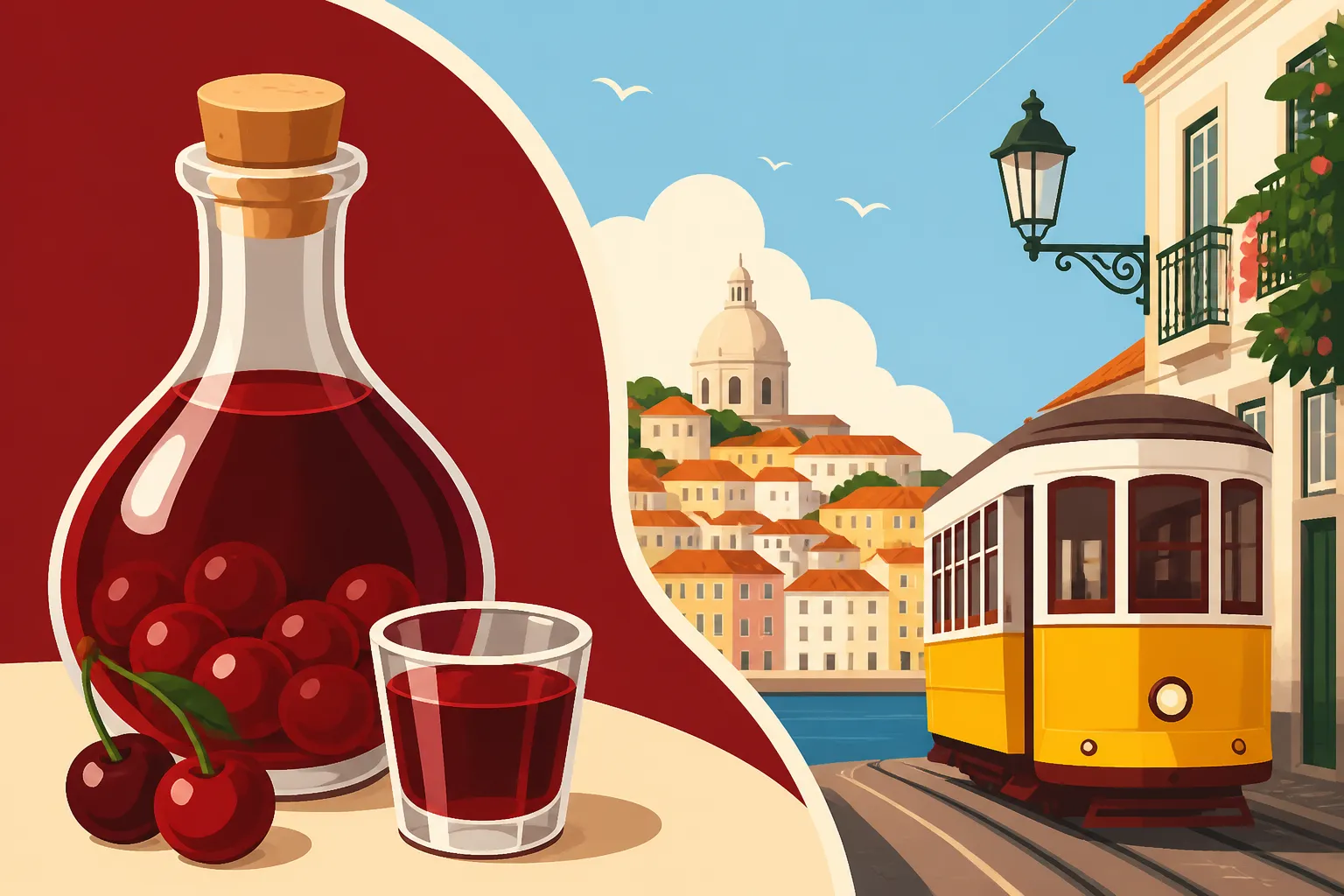
Oh, my friends, if you've ever found yourself wandering the charming, hilly streets of Lisbon, perhaps after a particularly delicious meal of bacalhau or a pastel de nata (or three), you might have encountered a curious little drink. A shot, often served in a tiny glass or even a chocolate cup, brimming with a ruby-red liqueur. You might have been handed it by a friendly local, or seen eager tourists lining up at a hole-in-the-wall bar. This, my dears, is Ginjinha, and it's a quintessential Portuguese experience that every visitor and expat simply must try. This guide is here to unravel the mystery of this beloved cherry liqueur and point you to the very best spots in Lisbon to truly savor it.
The Heartwarming History of Ginjinha: More Than Just a Drink
Before you even take that first sweet, potent sip, it helps to understand that Ginjinha isn't just alcohol; it's a little piece of Portuguese history, tradition, and ingenuity. It tells a story of local produce, monastic wisdom, and a taste that has captured hearts for centuries. You see, Portugal, for all its grand monuments and maritime history, often excels in the simple pleasures, and Ginjinha is a perfect example of that.
From Monastery Walls to Local Tavernas
The story of Ginjinha, or ginja as it's often affectionately called, is believed to trace its roots back to the 17th century. Like many delicious alcoholic concoctions across Europe, it has a monastic origin. Legend has it that a friar from the São Domingos church in Lisbon was the first to infuse sour cherries with aguardente (a potent Portuguese brandy), sugar, and a hint of cinnamon. Monasteries were often centers of agricultural innovation and culinary experimentation, and this cherry liqueur was likely initially concocted for its perceived medicinal properties, perhaps to aid digestion or warm the soul on a chilly evening. Imagine those ancient stone walls, the quiet contemplation, and a hint of something sweet and strong brewing in the background. It feels very authentic, doesn't it?
From those quiet beginnings, Ginjinha gradually made its way out of the cloisters and into the homes and tavernas of Portugal. It became a beloved home-brewed liqueur, passed down through generations. Families would have their own secret recipes, adjusting the sweetness, the type of aguardente, or the spice mix to their liking. This personal touch is still very much alive today; while commercial brands exist, many locals still swear by a specific family's recipe or a small, independent producer. It’s this deep-rooted connection to the land and the culture that makes tasting Ginjinha such a special experience, far removed from simply drinking a generic liqueur. It's a taste of Portugal's soul, distilled.
What Exactly Is This Cherry Liqueur?
So, what exactly are you getting into with a shot of Ginjinha? At its core, it's a liqueur made from ginjas, which are sour cherries – think of a darker, tarter cousin to the sweet cherries you might snack on. These cherries are steeped in aguardente, which is a clear, strong spirit, often made from grapes, similar to brandy. To balance the tartness of the cherries and the kick of the aguardente, a generous amount of sugar is added, along with a stick of cinnamon, and sometimes other spices like cloves, which contribute to its distinctive aroma and warming finish. The result is a vibrant, ruby-red liquid that is sweet, tart, and has a pleasant alcoholic warmth, usually coming in at around 20-23% ABV.
The flavor profile is quite unique: you get an immediate hit of cherry sweetness, followed by a slight tanginess, and then the comforting warmth of the brandy and spices. It's not overly syrupy, nor is it harshly alcoholic. It’s wonderfully balanced, making it deceptively easy to drink. What truly sets the Ginjinha experience apart, however, is the choice you’re presented with when ordering: com elas or sem elas? This translates to "with them" or "without them," referring to the ginja cherries themselves. The traditional way, and the one most locals will opt for, is com elas. This means your shot will have a few of those delightful, alcohol-infused sour cherries at the bottom. The joy of finishing your drink and then fishing out those boozy little treasures is part of the fun, adding another layer of flavor and texture to the experience. Trust me, these cherries pack a punch!
Where to Savor Authentic Ginjinha in Lisbon: A Local's Guide
Now that you're practically salivating, eager to try this iconic drink, the big question is: where do you go? Lisbon is brimming with places, from historic institutions to quaint little tascas, all ready to serve you a shot. It is worth noting there’s a distinct difference between a quick, cheap shot and a truly memorable Ginjinha moment. You're not just buying a drink; you're buying into an atmosphere, a tradition, and a little slice of Lisbon life. For getting around Lisbon to these incredible spots, remember that the public transport system is excellent, and you can easily plan your routes.
The Iconic Ginjinha Bars of Rossio and Baixa
If you're looking for the quintessential Ginjinha experience, you simply must start in the Baixa and Rossio areas. These are the historical heart of Lisbon, and home to some of the most famous Ginjinha establishments. These aren't fancy cocktail bars; they are often tiny, standing-room-only places where the focus is solely on this one glorious drink.
The undisputed champion and perhaps the most famous Ginjinha spot in Lisbon is A Ginjinha (Ginjinha Espinheira), located just off Rossio Square. You can't miss it – it's a tiny, unassuming storefront with a loyal crowd spilling out onto the pavement at almost any time of day. This place has been serving Ginjinha since 1840, and stepping up to the counter feels like stepping back in time. There’s no seating, just a brisk, efficient service that gets you your shot (always com elas unless you specifically request otherwise) in a small glass. It's often served in a plastic cup these days for ease and speed, especially with the crowds. The atmosphere is vibrant, with a mix of locals popping in for a quick pick-me-up and tourists eager to try a local specialty. Don't be shy; just order your ginjinha com elas, pay your couple of euros, and join the lively street-side tasting.
Another historic gem nearby is Ginjinha Sem Rival, literally "Ginjinha Without Rival." Tucked away on Rua das Portas de Santo Antão, just a stone's throw from A Ginjinha, this place offers a slightly different, perhaps even more charming, old-world vibe. It’s another small, traditional bar, but with a wonderfully preserved interior that oozes character. They also serve their own house-made Ginjinha, often considered a touch sweeter or smoother by some connoisseurs. It’s worth trying both Espinheira and Sem Rival back-to-back to discern your favorite. They also have an adjacent store, Eduardino, which sells various traditional liqueurs and treats. It’s a great spot to soak in the atmosphere, and you might even find yourself chatting with fellow travelers who found their way here, perhaps after checking their accommodation details on Booking.com.
Beyond the Tourist Trail: Hidden Gems and Modern Twists
While the Rossio spots are legendary, the beauty of Ginjinha is that it’s truly ubiquitous. You don't have to stick to the well-trodden path to find a fantastic shot. Venturing into other neighborhoods can reveal some delightful surprises. For instance, if you're exploring the winding alleys of Alfama, you might stumble upon a small, family-run tasca (a traditional Portuguese tavern) that serves its own homemade Ginjinha. These are often made with recipes passed down through generations, and the experience feels incredibly authentic and personal. These places are less about the historical grandeur and more about the simple, everyday pleasure of a good Ginjinha enjoyed among friends.
For a more modern take, or if you prefer to pair your Ginjinha with a wider array of culinary delights, consider a visit to Mercado da Ribeira, also known as the Time Out Market. While it’s a bustling food hall, several vendors offer Ginjinha alongside other Portuguese specialties. It’s a different vibe entirely – more upscale, more curated, but still a great way to experience the drink, perhaps with a gourmet snack in hand. You might even find some creative twists, like Ginjinha served over ice or in a small cocktail, though purists might frown upon that! Moreover, many traditional Portuguese restaurants will offer a complimentary (or very inexpensive) shot of Ginjinha as a digestif after your meal. It’s a lovely way to conclude a feast, and a testament to how deeply ingrained this liqueur is in the local culture, much like the famous Portuguese coffee culture.
Enjoying Ginjinha with a View or a Meal
One of the great joys of Lisbon is its stunning viewpoints (miradouros). While there aren't dedicated Ginjinha bars at every single miradouro, many have small kiosks or cafes nearby where you can grab a shot to enjoy with the panoramic views. Imagine sipping that sweet cherry warmth while gazing out over the terracotta rooftops of Alfama or the shimmering Tejo River. It’s an unforgettable moment. Look for little quiosques at popular spots like Miradouro da Senhora do Monte or Miradouro de São Pedro de Alcântara; they often have bottles of Ginjinha ready.
Integrating Ginjinha into your dining experience is also a fantastic idea. As mentioned, it's a superb digestif, helping to settle your stomach after a hearty Portuguese meal. Many establishments, from quaint family-run restaurants to more upscale dining venues, will have it on their menu. Some creative chefs are even incorporating Ginjinha into desserts – think cherry liqueur-infused chocolate mousse or a drizzle over panna cotta. If you’re embarking on a food tour or a local experience through platforms like GetYourGuide, it's highly likely Ginjinha will be featured prominently. It’s a versatile drink that can be enjoyed in a quick, standing shot or as a leisurely accompaniment to your evening.
The Ginjinha Experience: Tips for First-Timers and Aficionados
So, you're ready to dive into the world of Ginjinha. Fantastic! To make sure your experience is as authentic and enjoyable as possible, here are a few tips from a seasoned expat who has probably had more than her fair share of those sweet, cherry-infused shots.
Com Elas or Sem Elas? Making Your Choice
This is the big decision! Most locals, and anyone truly in the know, will tell you to always go com elas – with the cherries. Here's why: as the cherries sit in the liqueur, they absorb the alcohol and the flavors, becoming incredibly potent and delicious. When you finish your drink, you’re left with a few intensely flavored, boozy little bombs at the bottom of your glass. It’s a delightful surprise, a grand finale to your shot. The texture of the softened cherry, combined with its concentrated flavor, adds a whole new dimension to the experience.
If you opt for sem elas (without cherries), you’ll still get a wonderful, sweet-tart liqueur, but you’ll miss out on that satisfying, slightly tipsy cherry at the end. It's a personal preference, of course, but I highly recommend trying com elas at least once. Just be mindful when you get to the bottom of the glass – those cherries can be quite strong! Some people pop them whole, others nibble them slowly. There's no wrong way, just enjoy the moment. For a deeper understanding of daily life and cultural nuances like this, check out our guide on Daily Life in Portugal: Supermarkets, Language, and Cultural Etiquette.
Price, Presentation, and Souvenirs
One of the best things about Ginjinha is how incredibly affordable it is. A single shot typically costs between €1.50 and €2. It’s a small indulgence that won’t break the bank, allowing you to try it at several different spots without guilt. This modest price point makes it accessible to everyone, from backpackers to luxury travelers, a rare treat in many European capitals. For a broader perspective on expenses, our Cost of Living in Portugal 2026: Detailed Budgets for Singles and Families article might be helpful.
The presentation can vary. At the most traditional bars, you’ll get it in a simple, small glass or a plastic cup. However, a popular and utterly charming way to enjoy Ginjinha, especially at certain spots or during festive seasons, is in a chocolate cup. Yes, you heard that right! After you’ve downed your Ginjinha, you get to eat the cup. It's a genius combination – the sweet chocolate perfectly complements the cherry liqueur, and it’s an eco-friendly way to enjoy your drink with no waste! You'll often find this option at kiosks or smaller, more tourist-focused stalls, but some traditional places also offer it. It's truly one of those unique things to do in Lisbon.
If you fall in love with Ginjinha (and let's be honest, you probably will), it makes for an excellent souvenir or gift. You can buy bottles of various sizes at almost any supermarket, such as Continente or Pingo Doce, or at specialty liquor stores. Popular commercial brands include Espinheira (the same brand as the famous bar) and Mariquinhas. Bottles typically range from €5 for a small one to €15-€20 for a larger, nicer presentation. Bringing a taste of Portugal home with you is a lovely way to remember your trip. You can also find artisanal versions at local markets or gourmet shops.
Exploring Ginjinha Hotspots in Lisbon
To help you plan your Ginjinha pilgrimage, here’s a quick overview of some notable places to consider. Remember, half the fun is discovering your own favorite spot!
| Ginjinha Spot | Location | Vibe | Specialty | Typical Price (Shot) |
|---|---|---|---|---|
| A Ginjinha (Espinheira) | Near Rossio Square | Bustling, historic, standing-room-only | The classic, original Lisbon Ginjinha | €1.50 – €2 |
| Ginjinha Sem Rival | Rua das Portas de Santo Antão | Old-world charm, traditional interior | Slightly sweeter, often lauded by connoisseurs | €1.50 – €2 |
| Ginjinha Rubi | Rua de Barros Queirós 27 | Local, authentic, off the main tourist path | Stronger, less sweet, cherished by regulars | €1.50 – €2 |
| Mercado da Ribeira (Time Out Market) | Cais do Sodré | Modern, diverse food hall | Ginjinha alongside gourmet food, various vendors | €2 – €3 |
| Any local Tasca/Quiosque | Various neighborhoods (e.g., Alfama) | Casual, often homemade, community feel | Homemade recipes, sometimes served in chocolate cups | €1.50 – €2.50 |
When exploring these areas, it's good to be aware of your surroundings, especially in bustling tourist spots. While Lisbon is generally safe, like any major city, it's wise to be mindful of your belongings, particularly in crowded areas. For more general advice on staying safe, consult our guide on Crime Rates and Neighborhood Safety in Portugal's Major Cities.
Whether you're visiting for a week or planning a long-term move, embracing these small, unique cultural experiences like Ginjinha will undoubtedly enrich your time in Portugal. It’s a fantastic conversation starter and a true taste of local life. Why not plan a fun evening out, perhaps starting with some delicious Portuguese food, and then making your way to one of these spots for a warming Ginjinha? You can easily book your train tickets or other travel plans through Omio if you are visiting Lisbon from another part of Portugal or Europe. Don't forget to practice some basic Portuguese phrases like "Uma ginjinha, por favor!" (One Ginjinha, please!) – it always goes a long way with the locals!
Disclaimer
This article is for general informational purposes only and does not constitute professional advice. Laws, prices and regulations vary by location and change over time. Consult a qualified professional for guidance on your specific situation.