What’s the Quietest Region in Portugal for a Relaxed Trip?
Disclosure: This article contains affiliate links. If you buy through them, we may earn a commission at no extra cost to you. Read our full disclosure.
Ah, Portugal. The land of sunshine, incredible food, and famously warm people. But let's be honest, for all its charm, sometimes the constant buzz of Lisbon's trams, the packed beaches of the Western Algarve, or the bustling streets of Porto can feel a little… much. Many of us expats, and even seasoned tourists, crave a real escape, a place where the loudest sound is the rustle of olive trees or the distant bleating of sheep. If you're yearning for a genuinely relaxed trip, far from the tourist throngs, this guide is your personal roadmap to Portugal's most serene corners.
Understanding What "Quiet" Means in Portugal
When you first land in Portugal, especially in the popular coastal areas or big cities, it’s easy to feel like "quiet" is a myth. But trust me, as someone who’s lived here long enough to see beyond the glossy postcards, true tranquility exists, you just need to know where to look. It's not about avoiding people entirely; it's about embracing a different pace of life, one where silence is golden and the natural world takes center stage.
Beyond the Obvious Tourist Traps
The mental image most people have of Portugal often involves crowded trams, vibrant fado nights, or the sun-drenched beaches of places like Lagos or Cascais. While these experiences are undeniably part of the charm, they are far from the whole story. The "quietest regions" we're talking about are often overlooked by mainstream tourism, precisely because they don't cater to the mass market. They require a bit more intentional planning, perhaps a rental car, and a willingness to slow down and truly immerse yourself.
The frustration many foreigners feel when searching for genuine quiet is often rooted in the fact that online searches or travel brochures rarely highlight these more remote areas. They focus on what's easily digestible and marketable. But for those of us who have navigated the country, we know that just a short drive inland, or a few hours north or south of the main hubs, can transport you to a completely different Portugal – one that breathes at a much calmer rhythm.
The Rhythms of Rural Life
In these quieter parts of Portugal, life moves to a different beat. The daily schedule isn't dictated by office hours or tourist bus arrivals, but by the sun, the seasons, and long-held traditions. You'll find villages where midday siestas are still common, where local cafes are for gossiping with neighbors rather than grabbing a quick takeaway, and where dinner is a long, leisurely affair enjoyed with family and friends. This isn't just a lack of noise; it's a profound shift in cultural tempo.
Embracing this rural rhythm means adjusting your expectations. Shops might close for a few hours in the afternoon, particularly in the summer heat. Public transport might be sparse, making a car almost essential. But in return, you gain something invaluable: space, silence, and an authentic connection to a Portugal that is rapidly fading in the more developed areas. You'll wake to birdsong, not traffic, and your evenings will be filled with starlight, not city lights. It's a trade-off many of us have made, and rarely regretted.
The Alentejo: Portugal's Undisputed Land of Tranquility
If there's one region that consistently comes up when expats talk about peace and quiet in Portugal, it's the Alentejo. This vast, sun-baked landscape covers roughly a third of mainland Portugal, stretching from the Tagus River down to the Algarve, and east to the Spanish border. It is, quite simply, the embodiment of tranquility.
Vast Landscapes and Starry Nights
The Alentejo is characterized by its rolling plains, cork oak forests (montado), olive groves, and vineyards, all under an immense sky. It’s a place where you can drive for miles and see little more than fields, a few white-washed farmhouses, and perhaps a lone shepherd with his flock. The sense of space here is overwhelming and deeply calming. It's the kind of place where you truly feel disconnected from the hustle and bustle of modern life.
The lack of light pollution means the Alentejo boasts some of the clearest, most spectacular night skies in Europe. In fact, the Alqueva Dark Sky Reserve, centered around the colossal Alqueva dam, is the world's first certified 'Starlight Tourism Destination.' Imagine spending an evening gazing up at the Milky Way, feeling a profound connection to the universe, with nothing but the sounds of nature surrounding you. It’s an experience that truly recharges the soul, far from any urban clamor.
Charming Towns and Slow Living
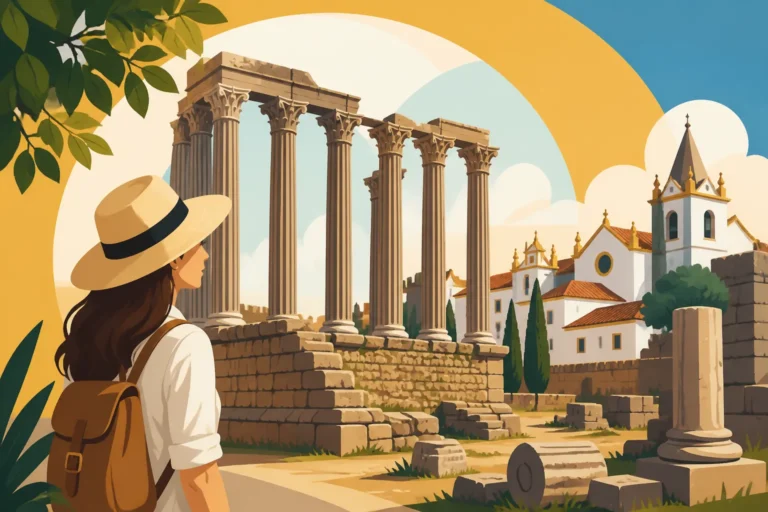
While the landscape is the main draw, the Alentejo is also dotted with incredibly charming, historic towns and villages that exude slow living. Évora, a UNESCO World Heritage site, is probably the best known, with its Roman Temple and medieval walls. Even with its historical significance, Évora maintains a relaxed pace, especially in the quieter backstreets. But to really dive into the quiet, you’ll want to explore further.
Consider Monsaraz, a stunning hilltop village overlooking the Alqueva lake, famous for its castle and whitewashed houses, or Marvão, another fortress village perched dramatically on a granite peak near the Spanish border. These places feel like stepping back in time, where daily life unfolds gently, and interactions are genuine. Even smaller towns like Estremoz, known for its marble, or Serpa, with its impressive castle, offer a sense of undisturbed peace. You'll find family-run restaurants serving hearty regional cuisine, where time almost stands still. For accommodations, many local quintas or montes (traditional farmhouses) have been converted into beautiful guesthouses, offering an authentic and peaceful stay. You can often find these unique stays on platforms like Booking.com, allowing you to choose a spot that’s truly off the beaten path.
Practicalities for a Relaxed Stay
Getting around the Alentejo really necessitates a car. While there are some bus routes connecting the main towns, they are infrequent and don't offer the flexibility to explore the vastness of the region or visit the more remote villages. The roads are generally excellent and traffic is minimal outside of the few larger towns.
For activities, think slow and immersive: wine tasting at a local adega (winery), exploring ancient megalithic sites that predate the Romans, hot air balloon rides over the plains, or simply hiking through the cork forests. Many places also offer birdwatching opportunities, given the diverse wildlife. This region truly encourages you to unwind. Before you go, it might be useful to check out general tips for Public Transport and Driving in Portugal: Trains, Tolls, and Licenses if you're not familiar with Portuguese road rules or train travel.
Central Portugal's Hidden Gems: Beiras and Serra da Estrela
Moving north from the Alentejo, but still far removed from the coastal crowds, you’ll find Central Portugal, particularly the Beiras region and the majestic Serra da Estrela mountain range. This area offers a different kind of quiet – one infused with mountain air, ancient forests, and a sense of rugged, untouched beauty.
Mountain Retreats and River Valleys
The Serra da Estrela is Portugal’s highest mountain range, and its heart is the Serra da Estrela Natural Park. Here, the quiet comes with breathtaking panoramic views, glacial valleys, and crystal-clear rivers. It’s a stark contrast to the Alentejo's plains, offering cool, fresh air even in summer, and the rare chance to see snow in winter. The winding mountain roads lead to isolated hamlets where life has changed little over centuries.
Beyond the immediate mountains, the Beiras region stretches into a diverse landscape of pine forests, granite outcrops, and fertile river valleys. Places like the Aldeias de Xisto (Schist Villages) are nestled deep in these valleys, offering incredible solitude and a chance to experience traditional Portuguese village life up close. It's a fantastic region for those who find peace in nature and outdoor activities, without the constant buzz of other tourists.
Historic Villages and Authentic Culture
Central Portugal is famous for its historical villages, many of which are contenders for the title of "most beautiful village in Portugal." Monsanto, often called "the most Portuguese village in Portugal," is built among gigantic boulders, with houses carved into the rock. Piódão, a schist village cascading down a hillside, is another gem, its dark stone houses a dramatic sight against the green mountains. These villages are not just picturesque; they are living testaments to a resilient, deeply rooted culture.
Visiting these places is an exercise in slowing down. There are no bustling shopping streets or loud attractions. Instead, you'll find tiny local museums, old women chatting on doorsteps, and the scent of woodsmoke in the air. The authenticity is palpable, and the quiet allows you to truly absorb the atmosphere. It's the kind of place where you might book a small, family-run guesthouse and spend your days exploring ancient trails, then enjoy a simple, delicious meal prepared with local ingredients. Consider browsing for local tours or unique experiences through platforms like GetYourGuide, which often feature guided walks or cultural excursions in these less-traveled areas.
Activities for Serene Exploration
For those seeking quiet through activity, Central Portugal delivers. Hiking is paramount, with trails ranging from gentle riverside walks to challenging mountain treks. The region also boasts several thermal spas, such as those in Termas de Monfortinho or Curia, where you can literally soak away your stress in mineral-rich waters. Foodies will appreciate the hearty, rustic cuisine, including the famous Serra da Estrela cheese and succulent roast lamb.
Remember that while some key villages like Monsanto might attract day-trippers, the vastness of the region means you can easily find stretches of absolute solitude. This isn't the kind of place you rush through; it's a destination where you savor every moment. If you're planning a more extended stay, looking into Buying Property in Portugal as a Foreigner: The Step-by-Step 2027 Guide might even tempt you to make a quiet life here permanent.
The Eastern Algarve: A Different Side of the Southern Coast
When most people think of the Algarve, they picture crowded beaches, resorts, and lively nightlife in places like Albufeira or Vilamoura. And while that's certainly true for the central and western parts of the region, the Eastern Algarve tells a completely different story. It’s a revelation for those seeking coastal tranquility.
Beyond the Western Bustle
The eastern side of the Algarve, roughly from Faro eastward to the Spanish border, is fundamentally different from its more developed western counterpart. Here, the coastline transforms into a series of lagoons, salt pans, and barrier islands protected by the Ria Formosa Natural Park. This unique ecosystem has largely prevented the kind of mass tourism development seen elsewhere, preserving a more natural and peaceful environment.
The towns in the Eastern Algarve, such as Tavira, Olhão, and Fuseta, have a more authentic Portuguese feel. They are working towns, with bustling fish markets and a slower pace of life, rather than being solely geared towards international tourism. The beaches, accessed by short ferry rides to the barrier islands, are often vast and uncrowded, even in peak season. This area offers a quiet coastal experience that is increasingly hard to find in Southern Europe.
Natural Parks and Island Escapes
The Ria Formosa Natural Park is the undisputed gem of the Eastern Algarve. This labyrinthine system of canals, islands, and marshlands is a haven for migratory birds and marine life. Exploring it by boat, kayak, or on foot along the boardwalks (like the famous ones in Faro or Tavira) offers incredible opportunities for quiet contemplation and wildlife observation. The barrier islands, such as Ilha de Tavira, Ilha da Armona, or Ilha do Farol, boast endless stretches of pristine sandy beaches, often with nothing but dunes and the sea for company.
Tavira, often called the "Venice of the Algarve" due to its Gilão River and Roman bridge, is perhaps the most picturesque town. It retains much of its traditional charm, with a slower, more refined atmosphere than its western neighbors. Olhão, on the other hand, is a working fishing port, famous for its cubic, North African-influenced architecture and its vibrant daily market. Both offer plenty of authentic restaurants and cafes where you can savor fresh seafood in a relaxed setting.
Finding Your Peaceful Corner
To truly enjoy the quiet of the Eastern Algarve, renting a car is highly recommended, though train services do connect the main towns along the coast. This allows you to explore the smaller villages, discover hidden coves, and access different ferry points to the islands. Accommodation options range from charming guesthouses in historic town centers to eco-resorts nestled within the natural park.
Activities here are centered around nature and relaxation: long walks on deserted beaches, birdwatching, boat trips through the Ria Formosa, or simply enjoying fresh seafood at a local tasca. It’s a region that invites you to slow down, breathe deeply, and reconnect with the natural world. If you're interested in making this peaceful corner your home, our guide to The Algarve for Expats: Lagos, Faro, and Tavira Compared offers more in-depth information about living in these areas.
The Trás-os-Montes Region: Rugged Beauty and Isolation
Finally, we journey to the far northeast of Portugal, a region often referred to as Trás-os-Montes e Alto Douro, or simply Trás-os-Montes, meaning "behind the mountains." This is perhaps Portugal's most remote and least-visited mainland region, a land of rugged beauty, ancient traditions, and profound quiet.
The "Behind the Mountains" Charm
True to its name, Trás-os-Montes is literally behind a formidable range of mountains, which historically isolated it from the rest of the country. This isolation has preserved a unique culture, distinct dialects, and a way of life that feels almost untouched by time. It’s a land of harsh winters and hot summers, of granite villages clinging to hillsides, and expansive natural parks.
Here, the quiet is a deep, resonant silence, broken only by the sounds of the wind, distant church bells, or the occasional tractor. The vastness of the landscapes, from the Douro River canyons to the high plateaus, offers an overwhelming sense of solitude. It’s a region for adventurers and those who genuinely crave to get off the beaten path and experience a raw, unvarnished Portugal.
Remote Villages and Wild Nature
The villages in Trás-os-Montes are small, often sparsely populated, and incredibly resilient. Places like Miranda do Douro, perched on cliffs overlooking the Douro River, or Bragança, dominated by its impressive medieval castle, offer glimpses into this unique culture. But for true isolation, venture into the Montesinho Natural Park, near the Spanish border. Here you'll find tiny, remote villages where traditional customs are still strong, and a sense of community is paramount.
The region is also famous for its traditions, such as the caretos of Podence, masked figures who chase young women during winter festivals, and the art of barro preto (black pottery). This isn't a place of curated tourist experiences; it's a place where you simply are, observing and respectfully participating in local life. This is where you might find a truly unique stay, away from everything, by looking for local turismo rural options on Booking.com.
Planning a Trip to the Far North
A car is absolutely essential for exploring Trás-os-Montes. Public transport is virtually non-existent between villages, and even major towns have limited connections. The roads can be winding, especially in the mountainous areas, but they are generally well-maintained. The best time to visit depends on what you seek: spring and autumn offer pleasant temperatures for hiking and exploring, while winter can be cold but incredibly atmospheric, especially if you're lucky enough to see snow.
Activities revolve around nature, history, and gastronomy. Explore the Douro International Natural Park, hike through Montesinho, visit ancient castles, or savor the incredibly rich local cuisine, known for its hearty meat dishes (like posta mirandesa) and smoked sausages. This region challenges you to embrace its wildness and quiet, promising an unforgettable journey for those who make the effort. For those considering a longer-term stay in Portugal, understanding Money and Finance in Portugal: The Ultimate 2026 Guide for Expats could be a good starting point, even if you’re planning on living in a quieter region.
Comparing Portugal's Quiet Regions
To help you decide which quiet corner of Portugal calls to you the most, here's a quick comparison:
| Region | Key Features | Best For | Vibe |
|---|---|---|---|
| Alentejo | Vast plains, cork trees, wine, dark skies, history | Ultimate solitude, stargazing, slow travel, wine tourism | Expansive, timeless, meditative |
| Central Portugal | Mountains, river valleys, schist villages, history | Nature lovers, hikers, cultural immersion, authentic village life | Rugged, traditional, refreshing |
| Eastern Algarve | Ria Formosa, barrier islands, fishing villages | Quiet coastal escapes, birdwatching, fresh seafood, natural beauty | Relaxed seaside, authentic, gentle |
| Trás-os-Montes | Remote mountains, wild nature, unique culture | Adventurous travelers, deep cultural immersion, extreme quiet | Wild, isolated, deeply traditional |
Whether you choose the vast plains of the Alentejo, the rugged mountains of Central Portugal, the serene coast of the Eastern Algarve, or the wild isolation of Trás-os-Montes, you are guaranteed to find a version of Portugal that truly allows you to relax and recharge. It’s a Portugal that rewards those who seek beyond the obvious and embrace the gentle rhythm of its hidden corners. When planning your journey, booking transport through Omio might be handy, especially if you're looking for bus or train connections to the larger towns in these regions before venturing further by car.
Disclaimer
Please note that while this guide offers comprehensive advice based on current information and expat experiences, circumstances in Portugal can change. Always verify specific details like opening hours, local regulations, and transport schedules with official sources before making definitive plans. Enjoy your quiet escape!