Portuguese Food Culture: Eating and Drinking as a Visitor
Disclosure: This article contains affiliate links. If you buy through them, we may earn a commission at no extra cost to you. Read our full disclosure.
One of the biggest joys, and sometimes the biggest source of confusion, for newcomers to Portugal is navigating the vibrant yet often baffling world of Portuguese food and drink. You might arrive expecting constant pastel de nata and grilled sardines, only to discover a universe of delicious, hearty, and sometimes surprising culinary traditions. This guide is here to unravel the mysteries of meal times, coffee rituals, dining etiquette, and how to truly eat and drink like a local without feeling completely lost.
Beyond Pastel de Nata: The Real Portuguese Daily Diet
Forget what you think you know about European eating schedules; Portugal has its own unique rhythm. It’s not just about what’s on your plate, but when it’s on your plate and how the meal fits into the day’s social fabric. Many expats quickly learn that trying to force old eating habits onto Portuguese life was a recipe for confusion and often, an empty stomach.
Breakfast Habits: A Quick Start to the Day
Unlike North America or some parts of northern Europe, breakfast ( pequeno-almoço) in Portugal is generally a light affair. Don't expect a full English breakfast or a stack of pancakes dripping with syrup, unless you're at a very tourist-oriented hotel. For most Portuguese people, especially during the work week, it's a quick, functional meal designed to get you going.
Typically, you'll find a strong coffee—more on that in a moment—accompanied by a simple pastry (pastel), toast (torrada), or a sandwich (sandes). The most common sandwich is a tosta mista, which is a grilled ham and cheese, often surprisingly thin and crispy. Sometimes, you'll see a small bread roll (pão) with butter or jam. Fruit juice, either bottled or freshly squeezed orange juice (sumo de laranja natural), is also popular. It's a quick bite, often eaten standing at a counter in a local pastelaria or café, serving as fuel rather than a lingering social event. It's all about efficiency before the day truly begins.
Lunch as the Main Event: The Midday Meal
This is where Portugal truly deviates from many other cultures. Lunch (almoço) is unequivocally the most important meal of the day. It’s a substantial, multi-course affair that often involves a sit-down meal, even for those working. You’ll notice many businesses, especially outside the bustling city centers, practically shut down between 12:30 PM and 2:30 PM as everyone heads out to eat.
A typical Portuguese lunch will start with a small soup (sopa), which is a staple across all meals. Then comes the main course, which could be anything from fresh grilled fish with boiled potatoes and vegetables to a hearty meat dish like cozido à Portuguesa or arroz de pato. Portions are generous, and it’s not uncommon to see diners enjoy a glass of wine or beer with their meal. After the main course, a small dessert (sobremesa), often fruit or a simple pudding, is common, followed by a coffee. This long, leisurely lunch is a key part of the workday, providing a much-needed break and an opportunity to socialize. It’s a moment to truly savor the food and company, setting the tone for the rest of the day.
Dinner: Lighter and Later
With such a heavy lunch, dinner (jantar) tends to be a lighter, later meal. Most Portuguese families don't sit down to dinner before 7:30 PM or 8:00 PM, and it's quite common for restaurants to only start filling up around 8:30 PM or 9:00 PM. If you're used to eating at 6 PM, you might find yourself wandering around hungry while most restaurants are still relatively empty!
For dinner, common choices include lighter versions of lunch dishes, more soup, salads, or perhaps some cold cuts (enchidos) and cheese. Seafood remains a popular option, often simply grilled with olive oil and garlic. It's a time for family or close friends, often enjoyed at home or in a casual setting. While it's still a social event, the intensity and sheer volume of food are typically less than at lunchtime. However, don't mistake "lighter" for small; a Portuguese "light" dinner can still be quite filling compared to what you might be used to.
The Art of Portuguese Coffee: More Than Just a Drink
If there's one thing you absolutely must understand to truly immerse yourself in Portuguese culture, it's the coffee. It's not just a beverage; it's a ritual, a social lubricant, and a daily necessity. The sheer variety of ways to order a simple coffee can be overwhelming at first, but once you get the hang of it, you'll wonder how you ever lived without it.
Ordering Your Coffee Like a Local
Walking into a pastelaria or café and just asking for "a coffee" will probably get you a blank stare or, at best, a café (espresso) by default. But that's just the tip of the iceberg. The most common order is indeed a café, a small, strong shot of espresso served in a tiny cup. It's dark, robust, and often consumed in one or two sips at the counter.
Here’s a quick guide to help you sound like a pro:
- Um Café: The standard espresso.
- Uma Bica (Lisbon) / Um Cimbalino (Porto): Just another regional way to ask for an espresso, but it makes you sound local.
- Um Curto: A shorter, even stronger espresso.
- Um Cheio: A longer espresso with more water, but still strong.
- Um Abatanado: A double espresso, typically served in a larger cup. This is probably the closest thing to an "Americano" you'll find, but still much stronger.
- Um Garoto: An espresso with a touch of milk, served in a small cup. Think of it as a mini macchiato.
- Uma Meia de Leite: Equal parts coffee and milk, served in a larger glass. Perfect for breakfast.
- Um Galão: Similar to a latte, with more milk than coffee, served in a tall glass. This is often a breakfast drink.
- Um Cortado: Espresso with a small amount of warm milk, typically in an espresso cup.
- Um Café Pingado: An espresso with a drop ("pinga") of cold milk.
Don't be afraid to try them all! The baristas are generally patient, even if they don't speak much English. This deep dive into coffee ordering is also part of a larger guide on Portuguese Coffee Culture and Restaurant Etiquette: Ordering Like a Local, which might be helpful to review.
The Ritual of the "Café"
The coffee ritual extends beyond just the drink itself. It’s incredibly affordable, often costing €0.70 to €1.20 for an espresso, making it accessible for everyone to enjoy multiple times a day. You'll see people popping into a café for a quick café break at any hour—before work, mid-morning, after lunch, mid-afternoon, and even after dinner. It’s a moment to pause, chat with a friend, read the newspaper, or simply watch the world go by.
It’s rare to see people lingering over a single espresso for hours. It’s a quick, intense burst of flavor and caffeine, designed to re-energize. Many locals stand at the counter, exchange a few words with the empregado (waiter), and are out the door in minutes. It's a quintessential part of the daily rhythm in Portugal, a small, yet significant, moment of pause in a busy day. Even if you're traveling, taking the time to enjoy a café like a local can offer a genuine glimpse into daily Portuguese life.
Wines, Beers, and Spirits: Portugal's Liquid Delights
Portugal is far more than just Port wine. The country boasts an incredibly rich and diverse winemaking tradition, producing exceptional reds, whites, and sparkling wines, often at surprisingly affordable prices. Beyond wine, there’s a thriving beer culture and a growing appreciation for local spirits.
Understanding Portuguese Wines: From Vinho Verde to Port
Portuguese wine regions are distinct and varied, each offering unique characteristics. You’ll quickly discover that Portuguese wines are generally fantastic value for money.
- Vinho Verde: Meaning "green wine," this isn't necessarily green in color but refers to its youth. Produced in the Minho region of northern Portugal, these wines are typically light, fresh, and slightly effervescent, perfect for a warm day or with seafood. They come in white, red, and rosé, though the white is the most famous.
- Douro Valley: Home to Port wine, the Douro is also renowned for its powerful, full-bodied red table wines. These reds, often made from indigenous grape varieties like Touriga Nacional, Touriga Franca, and Tinta Roriz, are often compared to more expensive Bordeaux or Rhône wines.
- Alentejo: This region is known for producing robust, fruity red wines and aromatic, crisp whites. The climate here is hot and dry, which contributes to the wines' rich flavors.
- Dão and Bairrada: These central regions produce elegant reds, often with good aging potential. Bairrada is famous for its sparkling wines (espumantes) as well.
- Port Wine: Of course, no discussion of Portuguese wine is complete without Port. This fortified wine, produced in the Douro Valley, comes in many styles: Ruby, Tawny, Vintage, Late Bottled Vintage (LBV), and White Port. It's typically served as an aperitif (white Port) or a digestif (red Port), and each type offers a distinct experience. A tour of a Port cellar in Porto, which you can often book through platforms like GetYourGuide, is a truly enriching experience to understand its history and production.
- Madeira Wine: From the volcanic island of Madeira, this fortified wine is known for its unique aging process, involving heat and oxidation. It ranges from dry to sweet and can age for centuries.
When dining out, don't be shy about asking for the "vinho da casa" (house wine). It's usually a perfectly drinkable, local, and incredibly affordable option, often served in a carafe.
Local Beers and Other Alcoholic Beverages
While wine often takes center stage, Portugal also has a strong beer culture. The two dominant brands you'll see everywhere are Sagres and Super Bock. Both are light lagers, perfect for quenching your thirst on a hot day or accompanying a plate of petiscos (Portuguese tapas). There's a friendly rivalry between the two, with regions often favoring one over the other (e.g., Sagres is generally more popular in the south, Super Bock in the north).
For those who prefer something a bit stronger, Portugal produces several interesting spirits:
- Ginjinha: A sweet cherry liqueur, often served in a chocolate cup, particularly popular in Lisbon and Óbidos. It’s a must-try for visitors.
- Aguardente: A fiery brandy, often homemade in rural areas. It comes in various forms, from clear and strong to aged and smoother. It's definitely an acquired taste but a true local experience.
- Licor Beirão: A popular herbaceous liqueur, often served as a digestif over ice. It's distinctly Portuguese and widely available.
Whether you're exploring the local craft beer scene, which is slowly growing, or indulging in a glass of a regional wine, there’s always something new to discover. For those traveling between regions to experience different culinary traditions, checking train and bus schedules on platforms like Omio can help plan your journey efficiently.
Dining Out in Portugal: Navigating Restaurants and Cafés
Eating out in Portugal is generally a relaxed and enjoyable experience, but there are a few cultural nuances that can catch visitors off guard. Understanding these can help you avoid awkward moments and fully embrace the Portuguese way of dining.
Couvert, Tips, and Service: What to Expect
When you first sit down at a restaurant, you might find a selection of small dishes placed on your table without asking – things like bread, olives, butter, cheese, or pâté. This is called the couvert. It’s not free; if you eat it, you'll be charged for it. If you don't want it, simply tell the waiter "Não, obrigado/a" (no, thank you) or push it aside, and it will be removed from your bill. Don't feel rude about declining it; it's perfectly normal.
Tipping culture in Portugal is more relaxed than in North America. While waiters earn a living wage, a tip is always appreciated for good service. For casual meals, rounding up the bill or leaving a few euros (e.g., €1-€3) is common. For more upscale restaurants, 5-10% is a generous tip. There’s no pressure to leave a large percentage, and service charges are usually not added automatically. For more details on this, our guide on Tipping culture in Portugal: Do you leave 10% or just round up the bill? offers more insights.
Waiters are generally professional but tend to be less intrusive than in some other countries. Don't expect them to check on you every five minutes. If you need something, you'll usually need to catch their eye. Don't be shy about it.
Decoding the Menu: Common Dishes and Regional Specialties
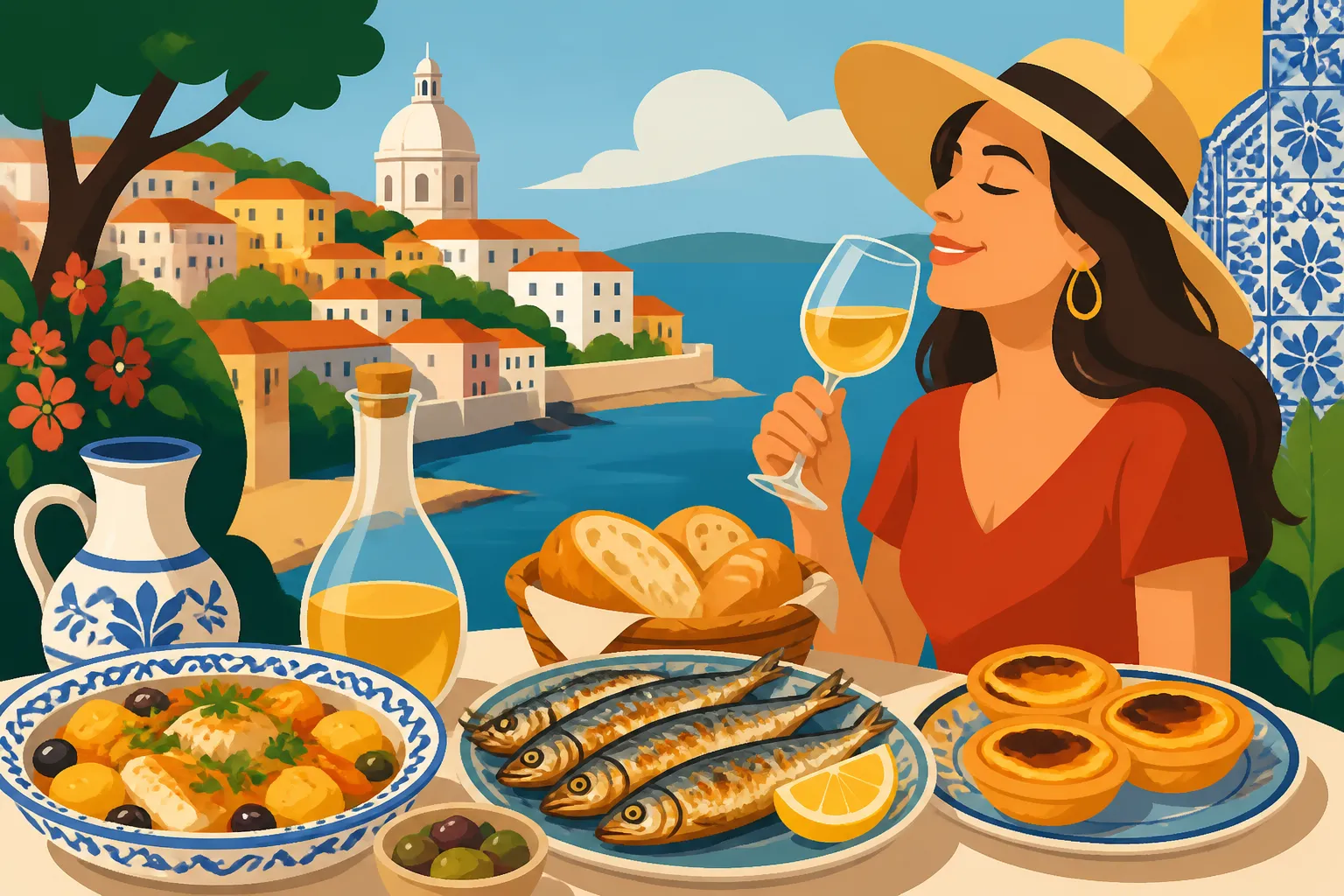
Portuguese cuisine is incredibly diverse, with a strong emphasis on fresh, seasonal ingredients. Fish and seafood are paramount, especially along the coast. You'll find bacalhau (codfish) prepared in literally hundreds of ways – it's often said there's a different recipe for every day of the year. Popular seafood dishes include bacalhau à Brás, arroz de marisco (seafood rice), and grilled sardines (sardinhas assadas), especially in summer.
Meat dishes are equally popular, with pork (porco) and beef (vaca) being common. Francesinha (a hearty sandwich drenched in sauce and cheese from Porto), leitão assado (roast suckling pig), and cozido à Portuguesa (a rich stew of various meats and vegetables) are national favorites. Vegetarians, be warned: Portuguese cuisine can be very meat- and fish-heavy. While options are improving, especially in larger cities, you might still struggle in more traditional or rural establishments. Our guide on Finding Doctors and Specialists in Portugal: English-Speaking Medical Care might be useful if you have serious dietary allergies that require very specific communication.
A good strategy for exploring local cuisine is to look for the "Especialidades da Casa" (house specialties) or ask your waiter for recommendations.
The Lunchtime "Prato do Dia" and Executive Menus
For an authentic and economical dining experience, especially during the week, look for the "Prato do Dia" (Dish of the Day) or "Menu Executivo" (Executive Menu). These are special lunch offers that typically include a soup, a main course (with a few options), a drink (often water, wine, or beer), bread, and sometimes coffee or dessert, all for a set price.
These menus offer incredible value, often ranging from €8 to €15, and are a staple for locals. They provide a fantastic opportunity to try traditional Portuguese dishes that are freshly prepared that day. You'll find these at most local tascas (traditional taverns) and many restaurants, particularly on weekdays. It’s a brilliant way to enjoy a full, hearty Portuguese meal without breaking the bank, and a key part of the local dining culture.
Grocery Shopping and Markets: Bringing Portugal to Your Kitchen
If you’re staying in Portugal for an extended period, or simply prefer to cook some of your own meals, exploring the local grocery stores and markets is an experience in itself. You’ll find a mix of large supermarket chains and charming traditional markets, each offering something different.
Supermarkets: Continente, Pingo Doce, and More
Portugal has several major supermarket chains that will feel familiar to anyone used to modern grocery shopping. The dominant players are:
- Continente: This is perhaps the largest chain, offering a wide selection of products, including an impressive array of local and international foods, household items, and often clothing and electronics. They frequently have sales, and their loyalty card program is worth signing up for.
- Pingo Doce: Known for its competitive prices and good quality produce, Pingo Doce is another very popular choice. They often have excellent deals on fresh fish and meat.
- Auchan (formerly Jumbo): Similar to Continente, Auchan offers a broad range of products in larger store formats.
- Lidl and Aldi: These German discount supermarkets have a strong presence in Portugal, offering good value, especially on staples and rotating weekly specials.
- Mercadona: This Spanish chain has been expanding rapidly in Portugal, known for its own-brand products and fresh sections.
Generally, supermarkets are open seven days a week, often until 9 PM or 10 PM, making them convenient for daily shopping. Prices are generally reasonable, and you’ll find all your basics here. Remember to always have your NIF (Portuguese tax number) handy, as cashiers will often ask if you want it added to your receipt for tax deductions (via the e-Fatura system). For a more in-depth look, check out our guide on Grocery Shopping in Portugal: Continente, Pingo Doce, Auchan, and Mercados.
Traditional Markets and Specialty Stores
For a more authentic experience and often higher quality fresh produce, meat, and fish, visit a local mercado (market). These vibrant hubs are often bustling in the mornings, offering a sensory overload of sights, sounds, and smells.
- Mercados Municipais: Almost every town and city has a municipal market. Lisbon's Mercado da Ribeira (Time Out Market) is a famous example, combining a traditional market with a gourmet food hall. Here, you can buy incredibly fresh fish directly from the fishermen, seasonal fruits and vegetables from local farmers, and artisan cheeses and cured meats. It's a great place to absorb local life and practice your Portuguese.
- Peixarias (Fishmongers): Even outside of large markets, you'll find dedicated fish shops that offer an amazing selection of fresh seafood, often caught that very morning.
- Talhos (Butchers): For specific cuts of meat, a local butcher can often provide higher quality and more personalized service than a supermarket.
- Padarias (Bakeries) and Pastelarias (Pastry Shops): These are everywhere and are your go-to for fresh bread, pastries, and delicious savory snacks. Many also serve coffee and light meals.
- Frutarias (Greengrocers): Small, independent fruit and vegetable shops offer a curated selection of seasonal produce.
Shopping at markets can be a more personal experience. Don't be surprised if vendors chat with you, offer samples, or even help you pick the best produce. It’s a great way to support local businesses and truly connect with the community. You might even find some unique ingredients to try in your own kitchen!
Sweet Treats and Pastries: A Portuguese Obsession
Portugal has a serious sweet tooth, deeply rooted in its monastic past. Monasteries and convents, rich in egg yolks (after the whites were used to starch clothes), developed an incredible array of egg-based desserts. This legacy lives on in the country's countless pastelarias and bakeries, where sweet treats are an integral part of daily life.
Beyond the Pastel de Nata: Other Iconic Sweets
While the pastel de nata (custard tart) is undeniably Portugal's most famous pastry, it’s just the beginning. To truly appreciate Portuguese sweets, you need to venture further:
- Bolo de Arroz: A delightful rice flour muffin, often topped with sugar. It's light, fluffy, and a perfect accompaniment to a morning coffee.
- Pão de Deus: Meaning "God's Bread," this sweet, brioche-like bun is topped with shredded coconut and a sugary glaze. It’s often eaten for breakfast or as a snack.
- Travesseiros de Sintra: From the enchanting town of Sintra, these "pillows" are delicate puff pastry tubes filled with a sweet almond and egg cream. They are a regional specialty not to be missed.
- Queijadas: Small, sweet cheesecakes, with varieties from Sintra, Évora, and other regions, each with its own distinct flavor and texture.
- Ovos Moles de Aveiro: "Soft eggs" from Aveiro are a visually striking and intensely sweet treat made from egg yolks and sugar, encased in thin communion wafers, often shaped like shells or fish.
- Bolas de Berlim: Portuguese doughnuts, similar to German Berliners, often filled with creme pasteleiro (pastry cream) and rolled in sugar. You'll find them at pastelarias and, in summer, sold on beaches.
- Toucinho do Céu: Meaning "Bacon from Heaven," this dense, rich almond and egg yolk cake is another monastic creation, surprisingly delicious despite its name.
Many of these pastries are incredibly rich and sweet, reflecting their origins. They are not just desserts; they are often enjoyed as an afternoon snack (lanche) with coffee, or as a small treat at any time of day.
Where to Find the Best Pastries
You really don't have to look hard to find fantastic pastries in Portugal. Almost every street corner has a pastelaria, and many of them bake their goods fresh daily.
For the iconic pastel de nata, while the most famous spots are Pastéis de Belém in Lisbon and Manteigaria, many local pastelarias produce equally delicious, warm, flaky tarts dusted with cinnamon and powdered sugar. Don't be afraid to try the smaller, less famous places; sometimes these hidden gems offer the best surprises.
For regional specialties, it's always best to seek them out in their place of origin. For example, the travesseiros from Sintra are best enjoyed fresh from Piriquita, the historic bakery there. If you are planning a trip to a specific region known for its sweets, consider booking accommodations through Booking.com that are close to renowned bakeries or food markets. Exploring the local pastelarias is an essential part of experiencing Portugal's culinary heart.
Vegetarian, Vegan, and Dietary Restrictions: A Growing (But Challenging) Landscape
Portugal, with its strong traditions of seafood and meat, can be a challenging destination for those with vegetarian, vegan, or specific dietary restrictions. However, the landscape is slowly but surely changing, especially in larger urban centers.
Finding Plant-Based Options
In cities like Lisbon, Porto, and increasingly in the Algarve, you'll find a growing number of dedicated vegetarian and vegan restaurants. A quick search on Google Maps or happycow.net will reveal a decent selection, from casual cafés to more upscale dining. Many contemporary restaurants are also starting to include at least one vegetarian option on their menu, moving beyond just a plain salad.
However, once you venture into smaller towns or traditional tascas, options become much more limited. You'll often find salads, boiled potatoes, rice, and sometimes vegetable soup (sopa de legumes). A common "vegetarian" dish might be arroz de feijão (rice with beans), but always double-check that no meat products (like bacon or chorizo) were used in its preparation, as these are often used for flavor even if the main ingredient is vegetable-based.
Communicating your dietary needs in Portuguese can be crucial. Here are some useful phrases:
- "Sou vegetariano/a" (I am vegetarian – male/female)
- "Não como carne nem peixe" (I don't eat meat or fish)
- "Sou vegano/a" (I am vegan – male/female)
- "Sem laticínios, por favor" (No dairy, please)
- "Sem ovos, por favor" (No eggs, please)
- "Tenho alergia a [ingrediente]" (I am allergic to [ingredient])
It can be frustrating, I know, to constantly explain your dietary choices, especially when you encounter blank stares. But persistence and politeness usually pay off.
Communicating Allergies and Special Requests
For serious allergies, always carry a translation card or have the key phrases written down. While awareness is growing, cross-contamination can still be an issue in smaller kitchens unaccustomed to such requests. For example, if you have a gluten allergy, asking for "sem glúten" (without gluten) is becoming more understood, but confirmation is always best. Many supermarkets now stock gluten-free products, often in a dedicated section.
If you have very specific and complex dietary needs, consider self-catering some of your meals by utilizing the excellent local markets and supermarkets. This gives you full control over your ingredients and preparations. Remember, the Portuguese are generally very hospitable, and while they might not always understand complex dietary restrictions perfectly, they will often try their best to accommodate you, especially if you communicate clearly and patiently.
For those managing chronic illnesses that might require specific dietary considerations, our guide on Managing Chronic Illnesses: Diabetes and Hypertension Care in Portugal may provide broader context on healthcare and accessibility.
Table: Portuguese Meal Times & Typical Offerings
To give you a clearer picture of the daily eating rhythm, here’s a quick overview:
| Meal Time | Typical Hours | Common Offerings | Social Importance |
|---|---|---|---|
| Pequeno-Almoço | 7:00 AM – 9:00 AM | Coffee (café, meia de leite, galão), toast, simple sandwich (tosta mista), pastry | Quick, functional, often at a counter |
| Almoço | 12:30 PM – 2:30 PM | Soup, substantial main course (fish/meat), bread, wine/beer, dessert, coffee | Main meal of the day, social, often a set menu (Prato do Dia) |
| Lanche | 4:00 PM – 6:00 PM | Coffee, juice, pastry, small sandwich | Afternoon snack, light break |
| Jantar | 7:30 PM – 9:30 PM | Lighter main course (fish/meat), soup, salad, sometimes cold cuts | Later, family-oriented, more relaxed than lunch |
| Ceia | 10:00 PM onwards | Very light snack, often a drink | Optional, late-night bite |
This schedule might feel a bit different from what you're used to, but once you adjust, you'll find it incredibly enjoyable. Portugal's culinary landscape is rich, diverse, and deeply embedded in its culture, promising a delicious adventure for every visitor.
Disclaimer
The information provided in this guide is for general informational purposes only and does not constitute professional advice. While we strive to keep the information up-to-date and correct, we make no representations or warranties of any kind, express or implied, about the completeness, accuracy, reliability, suitability, or availability with respect to the website or the information, products, services, or related graphics contained in this guide for any purpose. Any reliance you place on such information is therefore strictly at your own risk.