How to Set Up Recycling and Waste Collection in Portugal
Moving to Portugal brings a wave of exciting new experiences, but let's be honest, figuring out the local rhythms of daily life, especially something as mundane as how to handle your trash, can feel like navigating a maze blindfolded. You've probably found yourself staring at those colorful bins, scratching your head, and wondering if you're doing it right. This guide is here to unravel the mysteries of waste collection and recycling in Portugal, so you can contribute to keeping this beautiful country clean without the usual expat guesswork.
The Initial Culture Shock: Portugal's Approach to Waste
When you first arrive, the waste collection system might seem a bit different from what you're used to back home. There's a certain ebb and flow to it, a community aspect, and definitely a learning curve for those multi-colored bins. It’s not just about tossing things away; it’s about understanding the Portuguese way of managing waste.
General Waste: The Everyday Black or Grey Bins
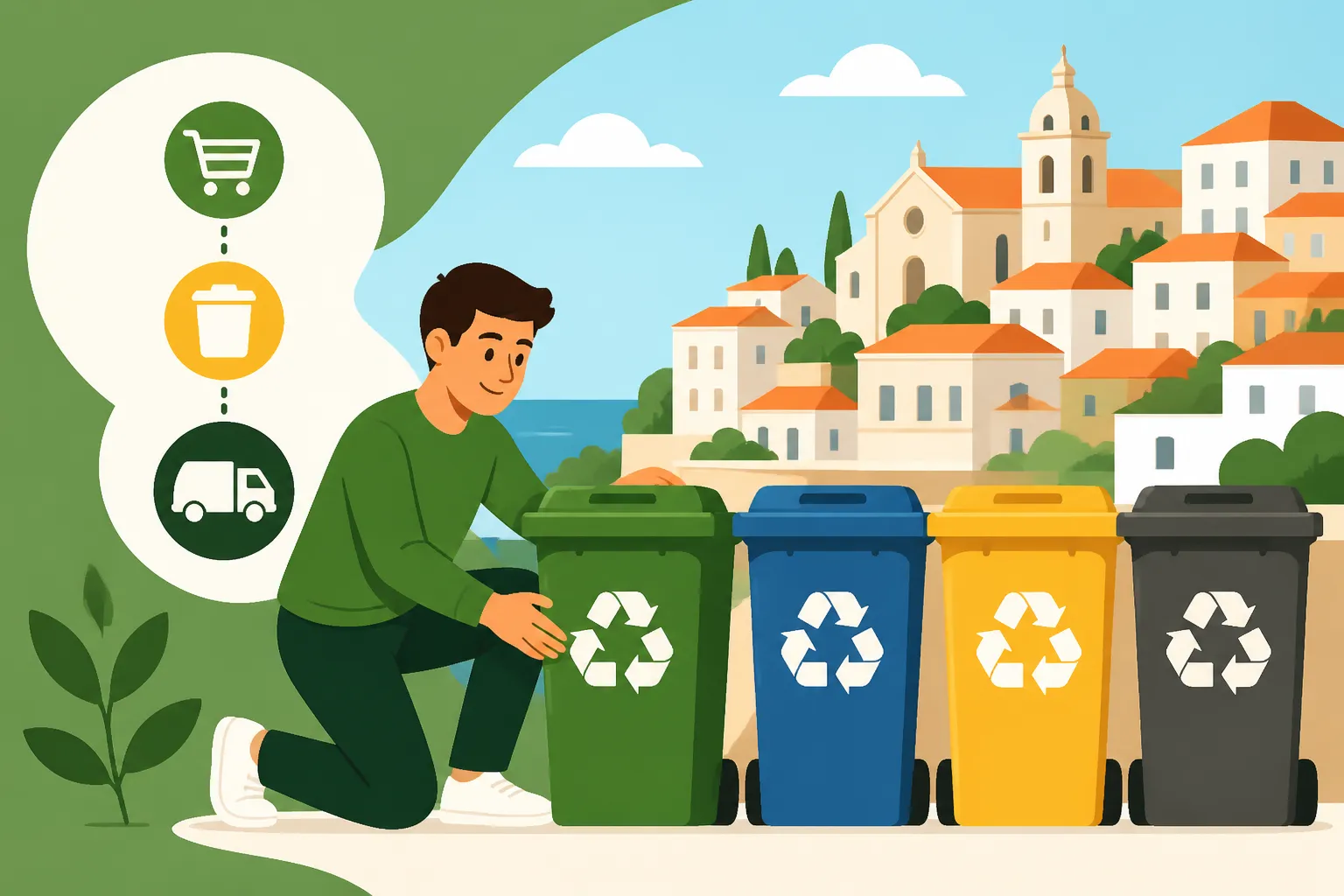
Let's start with the basics: your general, non-recyclable rubbish. These usually go into the standard black, grey, or sometimes dark green bins you'll find dotted along streets or within your apartment building's designated waste area. These are for everything that doesn't fit into the recycling categories – think food scraps, soiled packaging, ceramics, broken dishes (that aren't glass bottles), and anything else that can't be repurposed.
Collection frequency varies quite a bit depending on where you live. In denser urban areas like Lisbon or Porto, you might find daily collections, sometimes even twice a day, especially in bustling neighborhoods. If you're out in a more rural setting or a smaller town, it could be every other day, or even just a couple of times a week. It’s a good idea to observe your neighbors or check with your Junta de Freguesia (parish council) for the exact schedule. Leaving bags outside the bins or on non-collection days is generally frowned upon and can even result in fines, not to mention attracting unwanted critters. It's all part of the local rhythm you'll quickly adapt to.
The Ecoponto System: Portugal's Recycling Backbone
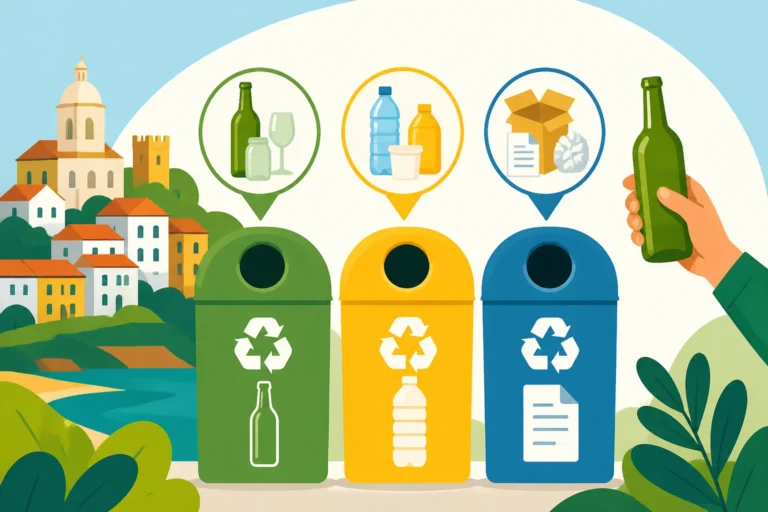
Ah, the Ecoponto! These are those brightly colored sets of bins you see everywhere, usually clustered in public spaces, supermarket car parks, or sometimes right on your street corner. This system is Portugal's dedicated infrastructure for separating recyclable materials, and it's something the country takes seriously. You'll find separate bins for different types of materials, primarily plastic and metal, paper and cardboard, and glass. Embracing the Ecoponto system is one of the easiest ways to integrate into sustainable living here. Understanding the process of Where to recycle glass, plastic, and paper: The Ecoponto color system is fundamental for any expat.
The goal is to ensure that as much waste as possible gets a second life, reducing the amount that ends up in landfills. It might feel like a chore at first to separate everything, but once you get into the habit, it becomes second nature. Many Portuguese households have dedicated bins or bags for each recyclable material at home, making the trip to the Ecoponto a weekly or bi-weekly routine.
Beyond the Bins: Special Collections and Ecocentros
Not everything fits neatly into a standard rubbish bin or an Ecoponto. Portugal has systems in place for larger items, hazardous waste, and specific electronics that require special handling. This is where "monstros" (bulky waste) and Ecocentros (eco-centers or waste transfer stations) come into play.
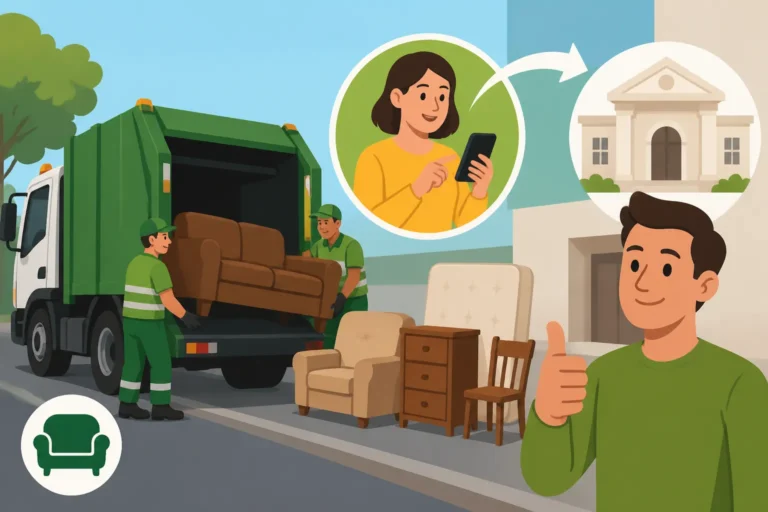
If you're furnishing a new apartment you found through platforms like Spotahome or replacing old appliances, you'll inevitably encounter the need to dispose of bulky items. Think old sofas, refrigerators, mattresses, or even construction debris from a minor renovation. These can't just be left on the street. Your local Câmara Municipal (city council) offers services, often free, to collect these items, but it requires a bit of planning. You’ll typically need to schedule a pickup.
For items like old electronics (REEE – Resíduos de Equipamentos Elétricos e Eletrónicos), batteries, paint, or used cooking oil, Ecocentros are your go-to. These specialized facilities are designed to safely collect and process waste that could be harmful to the environment or requires specific recycling methods. They are usually located on the outskirts of towns and cities, and while it might mean a bit of a drive, it’s crucial for responsible disposal. You can find out more about Booking large trash pickup (Monstros) for old furniture via your local Camara through their official websites or a quick phone call.
Mastering the Ecoponto: Your Guide to Portuguese Recycling
The Ecoponto system is visually striking with its vibrant colors, but knowing precisely what goes where can be a bit confusing initially. Let’s break it down so you can recycle with confidence.
Demystifying the Colors: What Goes Where?
Portugal's Ecopontos are typically distinguished by three main colors, though you might sometimes see an extra one. Here's the rundown:
- Yellow Bin (Ecoponto Amarelo): This is for plastic and metal packaging. Think plastic bottles (water, soda, shampoo), plastic food containers (yogurt pots, butter tubs), milk cartons (Tetra Pak), aluminum cans (soda, beer), and metal food cans (tuna, beans). A common tip from locals is to flatten plastic bottles and cartons to save space. Always give containers a quick rinse if they contained food to avoid odors and contamination.
- Blue Bin (Ecoponto Azul): This is exclusively for paper and cardboard. This includes newspapers, magazines, junk mail, cereal boxes, cardboard delivery boxes, and egg cartons. Make sure these items are clean and dry, and flatten cardboard boxes to maximize space. Remove any plastic wrapping or tape that might be excessive.
- Green Bin (Ecoponto Verde): This is for glass bottles and jars. Wine bottles, beer bottles, jam jars, and other food glass containers belong here. Remove lids (these often go into the yellow bin if plastic or metal) and give them a quick rinse. Importantly, regular drinking glasses, ceramics, mirrors, and window panes are not typically recyclable in the green bin, as they have different chemical compositions and melting points. These should go into general waste.
Less commonly, you might encounter a Red or White Bin specifically for used cooking oil, or sometimes dedicated bins for batteries or clothing/textiles. These are less universal but becoming more prevalent.
Here’s a quick summary table for your convenience:
| Ecoponto Color | What Goes Inside | Key Tips | What Doesn't Go Inside |
|---|---|---|---|
| Yellow | Plastic & Metal Packaging (bottles, cans, Tetra Pak) | Rinse, flatten, remove small lids (place in yellow too). | Plastic toys, plastic furniture, general plastic waste. |
| Blue | Paper & Cardboard (newspapers, boxes, magazines) | Keep dry, flatten boxes, remove excessive tape/plastic. | Paper towels, tissues, waxed paper, dirty pizza boxes. |
| Green | Glass Bottles & Jars (wine, beer, food jars) | Rinse, remove lids (place in yellow). | Drinking glasses, ceramics, mirrors, window panes, lightbulbs. |
| Red/White | Used Cooking Oil (less common, check local Ecocentros) | Bottle oil in plastic, secure lid. | Engine oil, other chemical liquids. |
Avoiding Common Expat Pitfalls in Recycling
Even with the best intentions, it's easy to make a few mistakes when getting used to a new system. Here are some common pitfalls and how to avoid them:
- Not rinsing containers: A quick rinse of food containers (like yogurt pots or tuna cans) before placing them in the yellow bin prevents contamination and foul odors, making the recycling process more efficient.
- Including non-recyclables: Remember that certain items, despite being made of plastic or glass, are not designed for the Ecoponto. For instance, plastic toys, garden hoses, or broken ceramic plates belong in general waste. They can clog machinery and contaminate entire batches of recyclables.
- Leaving lids on glass jars: While small plastic or metal lids from glass jars can often go into the yellow bin, leaving them on the glass jar can interfere with the sorting process at the recycling plant. Best practice is to remove them.
- Plastic bags as recyclables: While you can use a plastic bag to transport your recyclables to the Ecoponto, the bag itself often isn't meant to be put into the yellow bin unless it's specifically a packaging bag (like from bread). Many Ecopontos prefer loose items. Check local guidelines, but generally, empty the contents and dispose of the transport bag with general waste, or reuse it.
- Dirty pizza boxes or greasy paper: If your pizza box is heavily soiled with grease and food residue, it's usually better to put it in general waste. The grease contaminates the paper fibers, making them difficult to recycle. If only the lid is clean, you can tear it off and recycle that part.
Locating Your Nearest Recycling Point
Finding an Ecoponto is usually quite straightforward, especially in populated areas. They are intentionally placed for public convenience. Many Câmaras Municipais have online maps on their websites showing the exact locations of recycling points. A quick Google Maps search for "Ecoponto [your town/city name]" will often yield results.
Alternatively, keep your eyes peeled as you explore your neighborhood. You'll often spot them near supermarkets, schools, parks, or main roads. Once you've identified your nearest convenient spot, it becomes part of your regular routine. When you're considering Living in Portugal Guide 2027: The Complete Relocation Manual for Expats, knowing where to dispose of waste is a crucial small detail that makes daily life smoother.
Conquering "Monstros" and Other Challenging Waste
Dealing with oversized items or specialized waste can be a bit more involved than simply tossing something into a bin. It often requires a proactive approach and coordination with your local authorities.
Arranging Bulky Waste Collection with Your Câmara Municipal
The term "monstros" literally means "monsters," and it perfectly describes those bulky items that don't fit anywhere else. Whether you're getting rid of an old mattress, a broken wardrobe, or a discarded washing machine, you cannot simply leave it on the pavement. This is considered illegal dumping.
Instead, you need to contact your Câmara Municipal (city council) or Junta de Freguesia (parish council) to arrange a collection. Most municipalities offer a free service for residential bulky waste.
The process typically involves:
- Contacting the Municipality: You can usually do this by phone, email, or through an online form on their official website. Search for "recolha de monos" or "recolha de lixo volumoso" followed by your city name.
- Scheduling a Pickup: You'll provide details about the items you want to dispose of and agree on a specific day and time (or a window of days). They will instruct you on where to place the items – usually on the pavement directly outside your building, but only on the agreed collection day or the evening before.
- Adhering to Instructions: It's vital to follow their instructions precisely. If you put items out too early, or on the wrong day, you risk a fine.
In some smaller communities, there might be designated days when locals can drop off bulky items at a central collection point. It’s always best to check with your local council directly for the most accurate information. When setting up utilities, remember that Garbage, Recycling, and Condominium Fees (Quota de Condomínio) can sometimes factor into waste services, especially in apartment blocks where there's communal waste management.
Disposing of Electronics (REEE) and Hazardous Materials
Electronic waste, known as REEE (Resíduos de Equipamentos Elétricos e Eletrónicos), includes anything from an old mobile phone to a broken television or a rusty fridge. These items contain valuable materials that can be recycled, as well as hazardous substances that must be handled carefully.
- Ecocentros: As mentioned, Ecocentros are the primary drop-off points for REEE and other hazardous materials like batteries, lightbulbs, paints, solvents, and used cooking oil. They have specialized containers and processes for these items.
- Retailers: For new electronics, many stores in Portugal offer a "one-for-one" take-back service, meaning if you buy a new appliance, they will often take your old one for proper disposal. This is mandated by law for many categories of electronics. Always ask when purchasing a new item.
- Dedicated Collection Points: Sometimes, you'll find smaller collection bins specifically for batteries or lightbulbs in supermarkets or hardware stores. Keep an eye out for these.
It’s tempting to just toss old electronics in the regular trash, but the environmental impact can be significant. Making the effort to take them to an Ecocentro is a small but important step towards responsible living in Portugal.
Tackling Construction Rubble and Garden Waste
If you're renovating your home, even a small DIY project, you'll accumulate construction debris (entulho). This typically includes bricks, tiles, plasterboard, and concrete. This waste cannot be put in regular bins or left out for bulky waste collection.
- Specialized Bags/Containers: For small amounts, you might be able to purchase specialized heavy-duty bags from hardware stores (like Leroy Merlin or MaxMat) designed for construction waste, which you then take to an Ecocentro.
- Skip Hire: For larger renovation projects, you'll need to hire a private company to provide a skip (contentor de entulho). They will drop it off and pick it up once it’s full, ensuring proper disposal.
- Ecocentros: Some Ecocentros accept small quantities of construction debris, but it's always best to confirm with them first as there might be weight or volume limits.
Similarly, large volumes of garden waste (pruned branches, leaves, grass clippings) from extensive landscaping projects usually fall under similar rules. Small amounts can often go into general waste, but large quantities may need to be taken to an Ecocentro or composted if you have the space. Again, check with your local Câmara for specific guidelines in your area.
Integrating Waste Management into Your Portuguese Lifestyle
Beyond the rules and regulations, integrating waste management into your daily life in Portugal is about adopting new habits and understanding local customs. It’s part of the broader experience of Daily Life in Portugal: Supermarkets, Language, and Cultural Etiquette.
Waste Habits for Different Living Situations (Apartments vs. Houses)
Your living situation will largely dictate your daily waste routine:
- Apartment Dwellers: If you live in an apartment building, you might have communal bins for general waste and recycling, usually in a dedicated area on the ground floor, basement, or outside the building. In this case, your responsibility is to sort your waste correctly and place it in the appropriate communal bins. If there's no communal recycling, you'll need to take your sorted recyclables to the nearest public Ecoponto. Often, apartment buildings will have a condomínio (condominium) fee that covers communal services, which might include professional cleaning of these waste areas.
- House Residents: For those in standalone houses, you'll typically place your general waste bins (often provided by the municipality) directly outside your property on collection days. For recycling, you'll likely rely on the public Ecopontos in your neighborhood. Some municipalities, particularly in more rural or suburban areas, might offer door-to-door collection for recycling on specific days, so it's worth inquiring about this.
Regardless of your setup, the key is to be considerate of your neighbors and the community. Ensure bins are closed properly to prevent animals from getting in and to contain odors, especially during the hot summer months.
The Broader Picture: Sustainable Living in Portugal
Portugal, like many European countries, is increasingly focusing on environmental sustainability. While the waste management system is robust, expats can contribute even further by embracing broader sustainable practices.
- Reduce First: The easiest waste to manage is the waste you don't create. Think about reducing single-use plastics when shopping, carrying reusable bags, and choosing products with minimal packaging. You'll find that Grocery Shopping in Portugal: Continente, Pingo Doce, Auchan, and Mercados often encourages this with reusable bags being standard.
- Composting: If you have a garden, consider composting organic waste. Many local councils offer incentives or workshops for composting.
- Second-hand Culture: Portugal has a growing second-hand market. Websites like OLX, Facebook Marketplace, and local charity shops are great places to buy and sell furniture, electronics, and clothing, extending their lifespan and reducing waste. Check out Second-hand furniture in Portugal: Using OLX, Vinted, and Facebook Marketplace for more tips.
- Water Quality: While tap water is generally safe to drink across Portugal, some expats prefer filtered water. Using a water filter can significantly reduce the number of plastic water bottles you consume. You might be interested in Water safety and stomach bugs: Do expats get sick from Portuguese tap water? for more information.
Navigating Regional Differences and Local Rules
While the Ecoponto system is standardized across Portugal, there can be subtle differences in collection schedules, specific items accepted at Ecocentros, or additional local initiatives depending on your Câmara Municipal.
For example, some smaller villages might have fewer Ecopontos, requiring a slightly longer trip, or more frequent door-to-door general waste collection due to fewer communal bins. Cities like Lisbon and Porto, with their high population density, might have more frequent collections and stricter rules on bin placement. Areas heavily impacted by tourism, particularly along the coast or in the Algarve, might have different seasonal collection schedules to accommodate fluctuating populations.
It is always advisable to visit your local Câmara Municipal or Junta de Freguesia website, or even better, pop into their offices. Many now have English-speaking staff or at least information translated online. They can provide brochures, schedules, and answer any specific questions you might have about waste management in your exact location. Being proactive will save you headaches and ensure you're a responsible member of your new community.
Disclaimer
The information provided in this guide is for general informational purposes only and does not constitute legal or professional advice. Waste management rules and regulations in Portugal can vary by municipality and may change. Always consult the official website or contact your local Câmara Municipal or Junta de Freguesia for the most current and specific guidelines applicable to your area.