How to Use Telemedicine Services in Portugal
Disclosure: This article contains affiliate links. If you buy through them, we may earn a commission at no extra cost to you. Read our full disclosure.
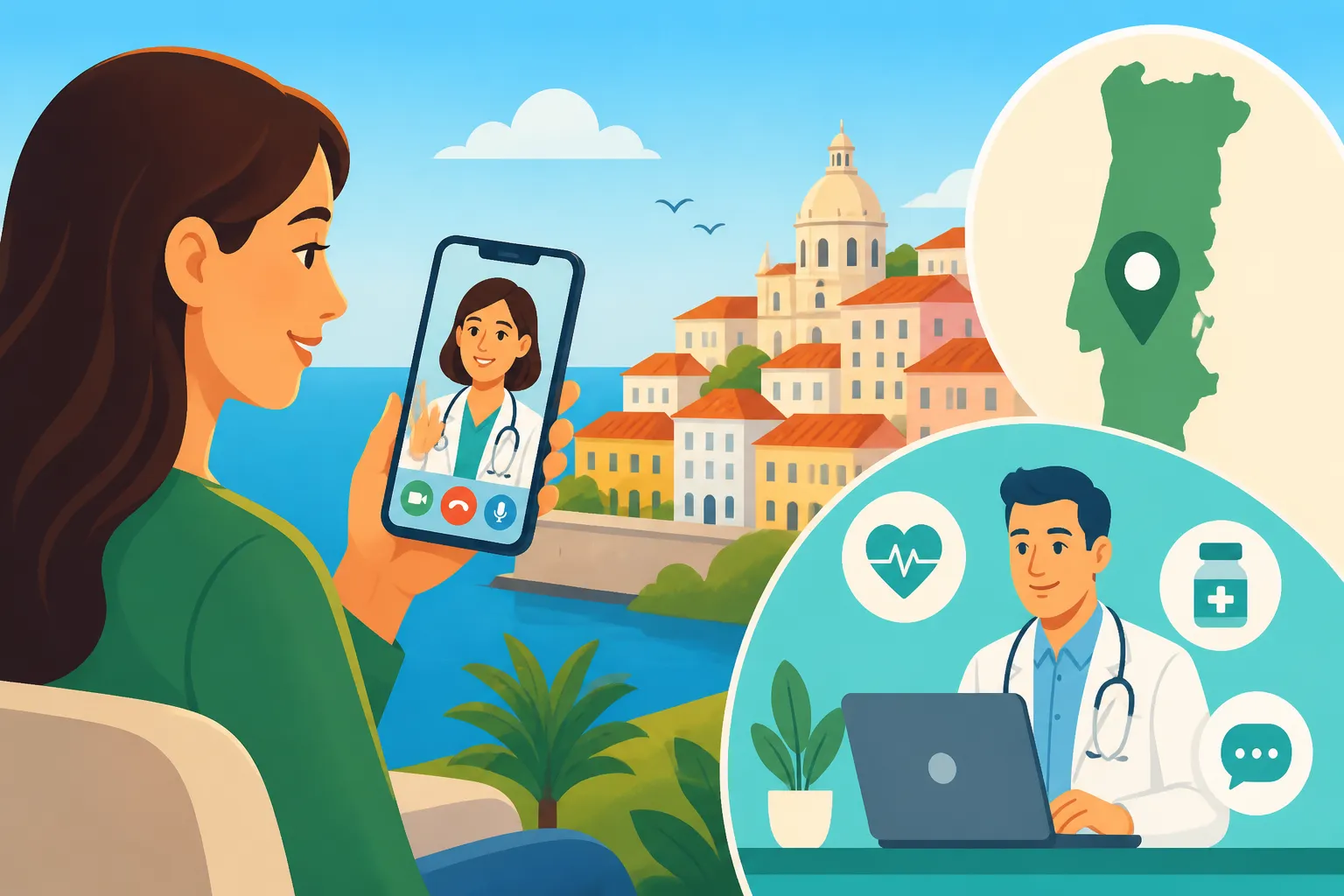
Finding yourself bedridden with a sudden fever while staring at a confusing Portuguese health portal is a rite of passage for every expat. I still remember the sheer panic of having a splitting migraine in my first month in Lisbon and realizing I had no idea how to explain "throbbing pain" to a triage nurse in a crowded waiting room. This guide solves that administrative nightmare by walking you through the practical steps of using telemedicine to skip the queues and get medical help from your sofa.
Why Telemedicine is a Game Changer for Expats in Portugal
The Portuguese healthcare system is fantastic once you are in it, but the "getting in" part is often the hurdle that breaks most of us. Whether you are dealing with the public system or private clinics, physical waiting rooms are notorious for long delays. Telemedicine has shifted from a pandemic-era necessity to a permanent pillar of life here. It allows you to bypass the initial physical bureaucracy and get straight to a professional who can assess whether you truly need to leave the house.
For those of us who moved here recently, language is the biggest barrier. Trying to describe complex symptoms in a second language while you feel like death is not ideal. Most private telemedicine platforms allow you to filter for English-speaking doctors. This is a massive relief and ensures that nothing gets lost in translation. Furthermore, if you are living in a more rural part of the Silver Coast or the Alentejo, finding a specialist nearby is tough. Digital consultations bridge that geographical gap instantly.
If you are a digital nomad or a frequent traveler, having a reliable digital health solution is even more critical. Many people rely on specialized international providers like SafetyWing to cover their telehealth needs while moving between different regions. These services are often tailored to the specific needs of people who don't yet have a permanent Número de Utente but still need professional medical advice without the exorbitant out-of-pocket costs of a walk-in private clinic.
Navigating the SNS 24 Public Telehealth System
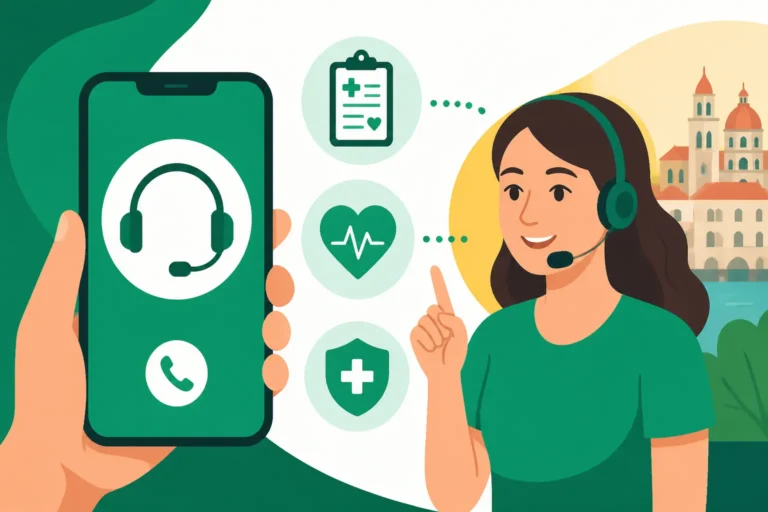
Portugal has a surprisingly robust public telehealth service known as SNS 24. This is your first line of defense if you want to stay within the public system. It is accessible to anyone with a Portuguese phone number, though having a health number makes it much more effective. If you feel unwell, calling 808 24 24 24 is the standard procedure.
When you call, you will go through a triage process with a nurse. They use a standardized set of questions to determine the severity of your condition. One of the best features for expats is the SNS 24 Helpline (808 24 24 24): Triage, Advice, and Sick Notes service. They can issue a Guia de Prestação de Cuidados, which is essentially a referral that fast-tracks you at the hospital if they decide your case is urgent. Without this, you might sit in an ER for eight hours; with it, you are seen much faster.
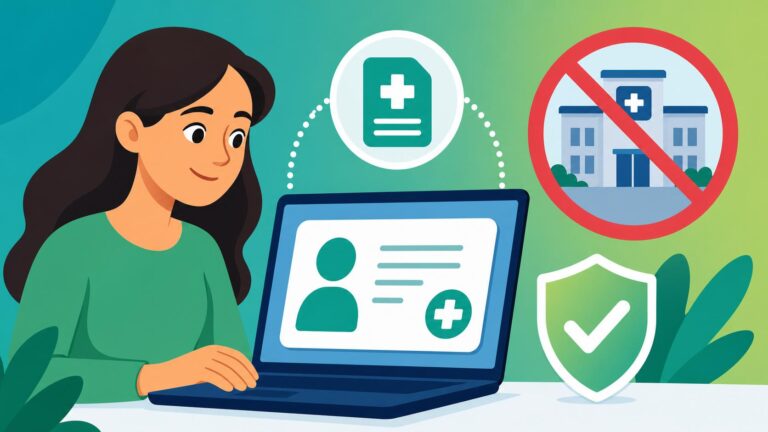
The digital transition has also brought us the SNS 24 App: Getting an English-speaking nurse for minor medical issues. Through the app, you can access your health records, see your prescriptions, and even start a video consultation for certain non-emergency issues. For those working for Portuguese companies, the SNS 24 system is the only way to get a How to get a sick note (Baixa Médica) from a doctor for your employer without physically visiting a health center. The "self-declaration" sick note (autodeclaração de doença) can now be issued via the portal or app for short-term illnesses, saving you a trip to the doctor just for paperwork.
Private Telemedicine Platforms and English-Speaking Doctors
If you prefer the speed of the private sector, Portugal has several excellent options. The major private hospital groups, such as CUF and Hospital da Luz, have developed sophisticated apps that allow for video consultations. These are particularly useful if you want to see a specific specialist. You can find more details on how these groups operate in our guide on Hospital da Luz and CUF: Navigating Portugal's Biggest Private Hospitals.
For those with private insurance, platforms like Médis or Multicare usually include a "Doctor Online" feature in their basic plans. These consultations are often free or involve a very small co-payment. If you are still in the process of choosing a plan, it is worth Médis, Multicare, and AdvanceCare: Comparing Top Private Insurers to see which one offers the best digital interface, as some are significantly more user-friendly than others.
If you don't have local insurance yet, you can use independent platforms. There are dedicated services for Telehealth and Online Doctors: Using TravelDoctores and Doctorsa that cater specifically to the expat and tourist market. These platforms are built with English speakers in mind and often provide much faster access to a general practitioner than the public system. For long-term residents with complex health needs, international insurance from providers like Cigna Global can be a lifesaver, as they often include 24/7 global telehealth access as part of their core coverage, ensuring you can speak to a doctor who understands your medical history regardless of where you are in the country.
| Provider Type | Best For | Typical Wait Time | Language Support |
|---|---|---|---|
| SNS 24 (Public) | General triage and public referrals | 5-20 minutes | Portuguese/English |
| Luz/CUF Apps | Specialists and follow-ups | Scheduled | Mixed |
| Independent (Doctorsa) | Quick prescriptions and tourists | < 1 hour | Excellent English |
| International (SafetyWing) | Digital nomads and travelers | < 30 minutes | English |
| Cigna Global | Comprehensive expat care | On-demand | English/Multilingual |
The Magic of the Digital Prescription: Receita Sem Papel
One of the most impressive things about Healthcare in Portugal for Expats: The Complete 2026 Medical Guide is the "Receita Sem Papel" (paperless prescription) system. When you have a telemedicine appointment, the doctor doesn't need to mail you a physical slip. Instead, they generate a digital code.
Once the consultation ends, you will receive an SMS and an email containing a set of codes (specifically the N.º da Receita and the PIN). You take these codes to any pharmacy in the country. The pharmacist enters them into their system, and your medication appears on their screen. It is seamless and avoids the old-school hassle of losing a piece of paper. This system also works for Pharmacies and Medication in Portugal: Prescriptions and OTC Drugs, meaning you can have a virtual check-up and be at the pharmacy picking up your meds within thirty minutes.
It is important to note that for certain controlled substances, a digital prescription may still require additional verification, but for 95% of common ailments like antibiotics, asthma inhalers, or blood pressure medication, the digital system is all you need. If you have international coverage through a company like Cigna Global, make sure to keep your digital receipts for reimbursement, though many local pharmacies are now becoming accustomed to direct billing systems with major international insurers.
Step-by-Step Guide to Your First Virtual Consultation
If you have never used an online doctor in Portugal, the process can feel intimidating, but it is actually quite straightforward. Follow these steps to ensure a smooth experience:
- Check Your Insurance: Determine if your provider (like SafetyWing or a local Médis plan) has a preferred app. Using their dedicated portal usually means the billing is handled automatically.
- Gather Your ID: You will need your passport and, if you have one, your Número de Utente (Health Number). If you are using a private app, you will likely need to upload a photo of your ID first.
- Find a Quiet Spot: Ensure you have a stable internet connection. Most apps have a "pre-call" test to check your camera and microphone.
- Describe Symptoms Clearly: Because the doctor cannot physically examine you, be prepared to provide details like your temperature, any visible rashes, or the exact duration of your symptoms.
- The Digital Referral: If the doctor determines you need a blood test or an X-ray, they will send a digital "P1" or a private referral code to your email. You can take this code to laboratories like Joaquim Chaves or Germano de Sousa.
For more specialized needs, such as Finding Doctors and Specialists in Portugal: English-Speaking Medical Care, you might find that the initial telemedicine call acts as a gateway. The GP can recommend a specific cardiologist or dermatologist within the same hospital network, making the transition to an in-person specialist appointment much faster.
When Telemedicine is Not Enough: Recognizing Emergencies
While a digital consultation is perfect for a sinus infection or a prescription renewal, it has its limits. Portugal's medical infrastructure is tiered, and knowing when to escalate is vital for your safety. If you are experiencing chest pain, difficulty breathing, or severe trauma, do not log into an app.
You must be aware of the Emergency Medical Care in Portugal: Calling 112 and Going to the Hospital protocols. Calling 112 is the universal emergency number, and the dispatchers are trained to handle English calls, though staying calm and providing your exact location is key. If you decide to drive yourself, you should understand the Emergency Rooms (Urgências) in Portugal: Triage Colors and Wait Times. The Manchester Triage System used here will color-code your urgency (Red, Orange, Yellow, Green, Blue). A telemedicine referral can sometimes help move you out of the "Green" or "Blue" wait-time purgatory, but in a true emergency, the triage nurse at the hospital is the final authority.
Telemedicine is a powerful tool for maintaining your health without the stress of navigating a foreign hospital lobby. By utilizing services like SafetyWing for your travels or Cigna Global for your long-term residency, you can ensure that medical advice is always just a few taps away. It allows you to focus on enjoying your life in Portugal rather than worrying about the next time you might catch a cold.
Disclaimer
This guide is for informational purposes only and does not constitute professional medical advice, diagnosis, or treatment. Always seek the advice of a qualified healthcare provider with any questions you may have regarding a medical condition. Use of telemedicine services should be balanced with in-person care as recommended by medical professionals. Portugal's healthcare laws and digital platforms are subject to change, and users should verify the current status of services through official government or insurance portals.