Fertility and IVF Treatment in Portugal for Foreigners
Disclosure: This article contains affiliate links. If you buy through them, we may earn a commission at no extra cost to you. Read our full disclosure.
Dealing with infertility is hard enough, but trying to navigate the bureaucratic maze of a foreign medical system while your biological clock is ticking feels like an impossible task. When my partner and I first looked into Portuguese clinics, the language barrier and conflicting legal advice left us more stressed than the actual injections. This guide solves that confusion by breaking down every step of the fertility process in Portugal.
Understanding the Landscape of Fertility Care in Portugal
Portugal has emerged as a surprisingly progressive hub for Assisted Reproductive Technology (ART) in Europe. Unlike some neighboring countries that have historically restricted access based on marital status or sexual orientation, Portugal opened its doors significantly through legislative changes in 2016 and 2021. This means that whether you are part of a heterosexual couple, a same-sex female couple, or a single woman, you have a legal right to access fertility treatments. However, the path you take depends heavily on your residency status and your budget.
For many expats, the first point of contact is the Healthcare in Portugal for Expats: The Complete 2026 Medical Guide, which provides a broad overview of how the system functions. But when it comes to fertility, the nuances are much tighter. The Portuguese system is split between the public sector, which is heavily subsidized but slow, and the private sector, which is efficient but requires a significant financial investment. You will need to weigh the "wait vs. wealth" equation early on in your journey.
In Portugal, the regulatory body overseeing these procedures is the Conselho Nacional de Procriação Medicamente Assistida (CNPMA). They ensure that all clinics, whether public or private, adhere to strict ethical and safety standards. For a foreigner, this provides a layer of security; you aren't just walking into a "medical tourism" trap, but a highly regulated environment that prioritizes patient safety and success rates.
The Public System SNS vs. Private Clinics
The public health system, known as the Serviço Nacional de Saúde, offers fertility treatments including IVF and ICSI to residents. If you have already gone through the process of Registering with the Centro de Saúde: Getting Your SNS Número de Utente, you are technically eligible for subsidized care. The primary advantage here is cost; treatments are either free or involve very low co-payments. However, the reality for most expats is that the public system is often out of reach due to age limits and staggering wait times.
Waitlists in public hospitals like Santa Maria in Lisbon or São João in Porto can stretch from 12 to 24 months. For someone in their late 30s or early 40s, a two-year wait is often a dealbreaker. Furthermore, the public system usually stops accepting new patients for IVF once the woman reaches 40, though this can vary slightly by hospital. If you are a digital nomad or on a shorter-term visa, you might find that by the time your name comes up, your residency status has changed or your biological window has narrowed.
Private clinics, on the other hand, represent the "fast track." Most expats opt for this route because it offers immediate starts, personalized care, and often, English-speaking staff who can explain the complex hormonal protocols without a translator. While the Portugal's National Health Service (SNS): How the Public System Works is a fantastic safety net for general health, fertility is one area where the private sector truly shines for the international community.
Legal Requirements and Eligibility for Foreigners
To access fertility treatments in Portugal, you don't necessarily need to be a citizen, but you do need to be a legal resident or have a valid reason for seeking care here. Single women and female couples have been legally allowed to access IVF since 2016. This was a landmark change that moved Portugal ahead of many other EU nations. It is important to note, however, that surrogacy (gestação de substituição) remains a very grey and legally restricted area in Portugal, primarily reserved for specific medical cases where a woman has no uterus or a condition preventing pregnancy.
For foreigners, the paperwork can be a bit of a headache. You will typically need to provide your NIF, your residence permit (Título de Residência), and potentially a translated marriage certificate if you are applying as a couple. Some private clinics are more relaxed about residency status for initial consultations, but for the actual procedures, they must report data to the CNPMA, which requires your legal identification in the country.
One major point of confusion is the "beneficiary" status. If you are working and paying into the social security system, you have rights to certain protections. However, if you are here on a D7 or D8 visa and haven't fully integrated into the SNS, you might find yourself redirected to the private system by default. Understanding if and Does the public health system cover IVF or fertility treatments? for your specific residency tier is crucial before you start spending money on diagnostic tests.
Available Fertility Treatments and Procedures
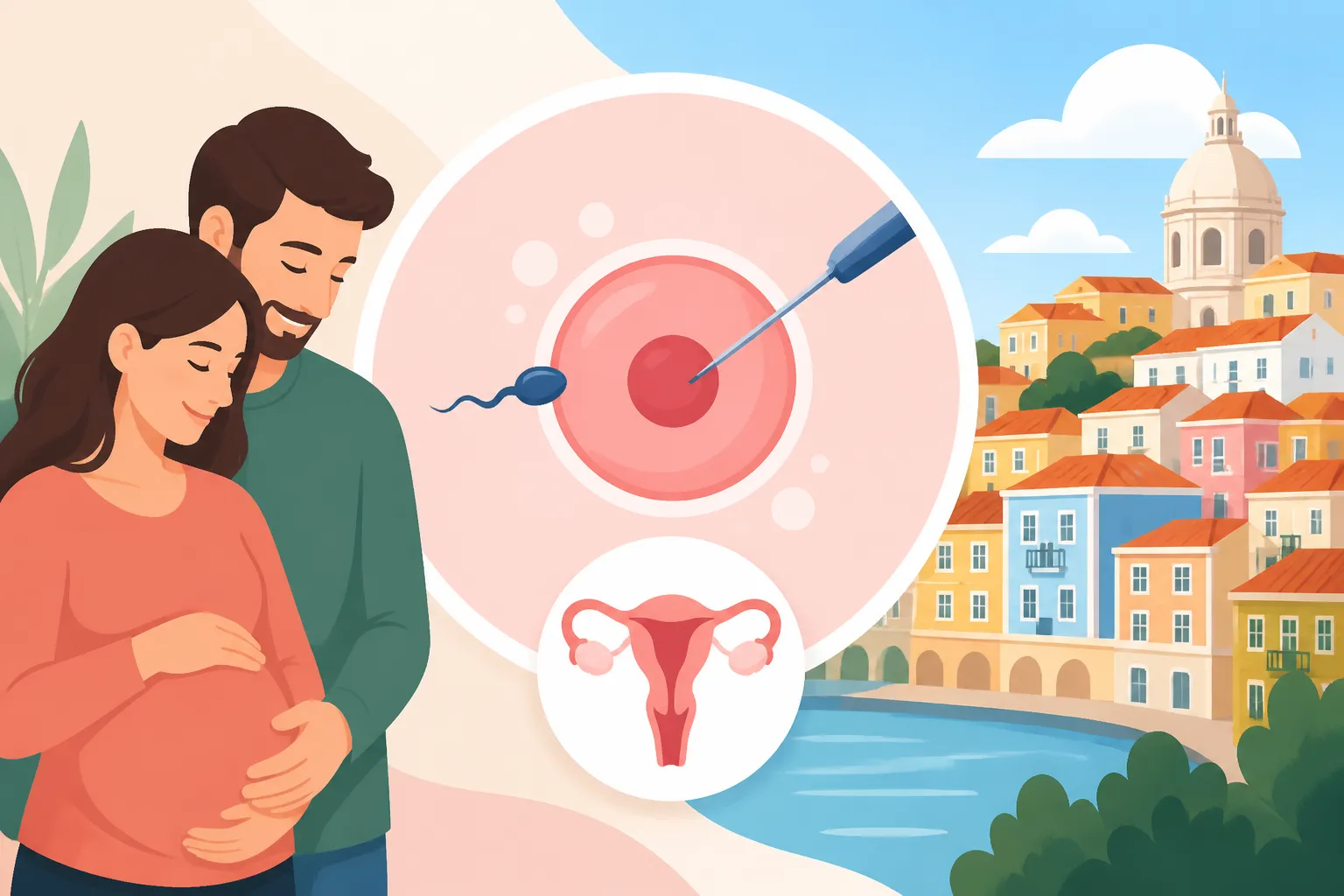
The technology available in Portuguese clinics is on par with the best in the world. From standard Intrauterine Insemination (IUI) to the more complex In-Vitro Fertilization (IVF) and Intracytoplasmic Sperm Injection (ICSI), the full spectrum of ART is available. For many expats, the ability to access Pre-implantation Genetic Testing (PGT) is a major draw, as it allows for the screening of embryos for chromosomal abnormalities before transfer, which is particularly relevant for older mothers.
Most private clinics in Lisbon, Porto, and the Algarve offer "package deals" that include the stimulation phase, egg retrieval, fertilization, and one embryo transfer. It is a highly clinical process, but the Portuguese approach tends to be more holistic than in the US or UK. Doctors often spend more time discussing lifestyle factors, and you will find that the nurses are incredibly patient when teaching you how to administer your own injections in a language that might not be your first.
You should also be aware of the "washout" periods between cycles. Portuguese doctors are generally conservative and will prioritize the woman’s health over rushing into a second retrieval if the first one fails. This can be frustrating if you are on a tight timeline, but it reflects the high standard of care in the country.
IVF and ICSI Specifics in Portugal
IVF is the gold standard here, but ICSI is frequently used when male factor infertility is a concern or when there has been a previous failed fertilization. The process usually begins with a "mock cycle" or a series of detailed blood tests and ultrasounds. If you are looking for Finding Doctors and Specialists in Portugal: English-Speaking Medical Care, you will find that many fertility specialists have trained abroad and speak excellent English, which helps when discussing the minute details of follicle counts and estradiol levels.
One thing that caught me off guard was the way medication is handled. Even in private clinics, you often have to buy your own hormones from the pharmacy. Using your NIF at the pharmacy can sometimes get you a small discount, but these drugs are expensive. It is worth checking Pharmacies and Medication in Portugal: Prescriptions and OTC Drugs to understand how the prescription system works, as you will be visiting your local "farmácia" frequently during your stimulation phase.
The transfer itself can be "fresh" or "frozen." In 2026, the trend in Portugal has moved heavily toward Frozen Embryo Transfers (FET) because it allows the woman’s body to recover from the hormones used in retrieval. This often leads to better success rates, though it does add the cost of cryopreservation and a separate transfer fee to your total bill.
Egg and Sperm Donation Laws
Portugal operates on a system of non-anonymous donation. This is a critical point for expats to understand. Since a 2018 ruling by the Portuguese Constitutional Court, children born from donated gametes have the right to learn the identity of the donor when they turn 18. If you were hoping for a completely anonymous process, Portugal might not be the right fit for you. However, many parents find this transparency to be more ethical and beneficial for the child in the long run.
The wait for a donor is generally shorter in the private sector. Clinics often have their own "banks" or work with international banks. Because the donors are non-anonymous, the screening process is incredibly rigorous, involving psychological evaluations and genetic testing. This ensures that the donors are not only healthy but also fully understand the long-term implications of their donation.
If you are a same-sex couple or a single woman, you will likely be using a sperm donor. The process is straightforward: you choose a donor profile based on physical characteristics, education, and blood type. The clinic handles the logistics of the "import" if the donor is not local. Be prepared for the "Donation Premium" on your invoice, which covers the cost of the gametes and the administrative work involved in the legal tracking.
| Treatment Type | Average Private Cost (2026) | Typical Wait Time (Private) | Success Rate (Age <35) |
|---|---|---|---|
| IUI (Intrauterine Insemination) | €800 – €1,200 | Immediate | 12-15% |
| IVF (Standard) | €4,000 – €5,500 | 1-2 Months | 40-50% |
| ICSI (Advanced IVF) | €4,500 – €6,000 | 1-2 Months | 45-55% |
| Egg Donation (ROPA for couples) | €7,000 – €9,000 | 3-5 Months | 60%+ |
| Egg Freezing (Social) | €2,500 – €3,500 | Immediate | N/A |
Navigating the Costs of IVF in Portugal
One of the most realistic frustrations foreigners face is the "hidden" cost of IVF. You might see a price list at a clinic like IVI Lisbon or Ginemed that says "IVF: €4,500," but that is rarely the final number. By the time you add in the initial consultations, the diagnostic blood work (análises), the medication, and the storage fees for extra embryos, you could easily be looking at €7,000 to €8,000 per cycle.
For many, this is still significantly cheaper than in the United States or even parts of Northern Europe. However, because you are paying in Euros and perhaps earning in a different currency, exchange rates can fluctuate. It is wise to use a service like Wise to manage these large transfers to avoid the predatory fees of traditional Portuguese banks.
Another factor is the cost of failed cycles. Most clinics do not offer "money-back guarantees," though some have started offering multi-cycle packages at a slightly discounted rate. You need to be financially prepared for the possibility that the first attempt won't work, which is the reality for about 50% of patients.
Private Clinic Price Points
In Lisbon and Porto, you will find the most prestigious clinics. Prices tend to be slightly higher in the capital, but the competition also means you get access to the latest tech, like "Embryoscope" (time-lapse imaging of embryos). A consultation with a specialist usually costs between €100 and €150. If you are just starting out, it might be worth booking "mini-consultations" at two different clinics to see where you feel more comfortable.
The cost of PGT (genetic testing) is one of the biggest additions. It usually costs around €2,500 to €3,000 to test a batch of embryos. While expensive, it can save you from the emotional and financial cost of multiple transfers that were destined to fail due to genetic issues. For many expats over 35, this is considered a non-negotiable expense.
Don't forget the "annual rent" for your frozen embryos or eggs. After the first year, which is usually included, you will be charged between €300 and €500 annually to keep your biological material stored. If you eventually leave Portugal, moving these embryos to another country is possible but involves a complex "cryo-courier" process that can cost upwards of €2,000.
Hidden Fees and Medication Costs
Medication is the "silent budget killer" in Portuguese IVF. Depending on your dosage, the stimulation drugs (like Gonal-F, Menopur, or Cetrotide) can cost anywhere from €1,000 to €2,500 per cycle. If you have a Portuguese NIF and are a resident, some of these medications are subsidized even if you are doing the treatment privately, but you must have a prescription from a doctor who is registered with the Ordem dos Médicos.
There are also the "prep" costs. Before you even start the injections, your doctor will likely want a hysteroscopy or a saline infusion sonogram to check the uterine lining. These procedures can cost €300-€600 each in the private sector. If you are on a budget, you might try to get some of these diagnostic tests done through your Private Health Insurance in Portugal: Costs, Coverage, and Best Providers, but be careful—many insurers will reject claims if they suspect they are related to fertility.
Finally, consider the cost of "add-ons." Many clinics will suggest things like "Glue" (a special medium for the embryo) or "Scratch" (a biopsy of the lining). The scientific evidence for these is often debated, but they can add another €200-€500 to your bill. Always ask for the "Preçário" (price list) in writing before you commit to a cycle so you aren't surprised by an extra €50 charge for every ultrasound.
The Role of Insurance and Financial Planning
Navigating insurance for fertility in Portugal is like walking through a minefield. Most local private insurance policies, like those from Médis or Multicare, have a "período de carência" (waiting period) of at least one year before they will cover anything related to fertility. Even then, the coverage is often capped at a very low amount, such as €2,000 over a lifetime, which barely covers the medication.
This is where international plans like Cigna Global come into play. Some high-tier international plans do offer maternity and fertility riders, but they are expensive and usually require you to have been a member for 12-24 months before the "fertility" benefit kicks in. If you are already in the middle of a struggle, getting a new insurance plan to cover it is likely impossible.
However, insurance can be very useful for the other parts of the journey. For example, if you need surgery for endometriosis or fibroids before starting IVF, a good private plan will cover that. For digital nomads, a plan like SafetyWing is excellent for emergency medical care, but it will not cover elective fertility treatments. You need to view fertility as an out-of-pocket investment for which insurance provides only peripheral support.
Private Health Insurance Coverage Limitations
Most expats arrive in Portugal and immediately sign up for a local insurance plan to satisfy their visa requirements. While these are great for Finding an English-speaking pediatrician (Pediatra) for your baby or routine check-ups, they are notoriously stingy with ART. It is common for a policy to state they cover "maternity," but in the fine print, they exclude "infertility diagnosis and treatment."
If you do find a plan that offers a fertility benefit, pay close attention to the "copay" (co-pagamento). You might still have to pay 50% of the clinic's private rate. Often, it is actually cheaper to ask the clinic for their "uninsured cash rate" than to go through the insurance paperwork and pay a high monthly premium for a benefit you can only use once.
For those using international coverage like Cigna Global, the benefit is usually "reimbursement-based." This means you pay the clinic upfront and then submit your invoices for a refund. In this case, ensure your clinic provides a "Relatório Médico" (medical report) in English or a format the insurer accepts. If the insurer sees the word "infertility" on a claim that hasn't passed the waiting period, they will deny it instantly.
Financial Planning for Multiple Rounds
Because the success rate of IVF per cycle is rarely above 50%, you need to plan for "Round 2." some couples spend their entire savings on one high-tech cycle in Lisbon, only to have nothing left when they need a second attempt. A better strategy is often to budget for a "three-cycle journey."
Some clinics offer "shared risk" programs, though these are rarer in Portugal than in Spain. Alternatively, you can save money by doing your diagnostic work through the public system (if you have the time) and then taking those results to a private clinic. This "hybrid" approach requires a lot of patience and a doctor at the Centro de Saúde who is willing to help, but it can save you €1,000 in blood tests and scans.
Consider also the tax implications. In Portugal, medical expenses are tax-deductible on your IRS return, provided you ask for the invoice with your NIF. This can result in a decent "refund" the following year, which you can then put toward your storage fees or future pediatric care.
The Emotional and Practical Journey for Expats
The emotional toll of fertility treatment is magnified when you are an expat. You are dealing with hormonal mood swings while potentially feeling isolated from your family and friends back home. The "I've-been-there" reality is that the Portuguese medical system, while excellent, can feel a bit cold or "efficient" when you are looking for emotional support.
Language is a major factor. Even if your doctor speaks English, the person drawing your blood or the receptionist might not. This can lead to small misunderstandings that feel like huge disasters when you are in the middle of an IVF cycle. I highly recommend finding a "fertility buddy" in one of the many Lisbon or Porto expat Facebook groups. Having someone to text when you're crying over a negative pregnancy test in a foreign country is invaluable.
You should also look into Mental Health in Portugal: Finding Therapists and Psychiatrists for Expats. Many therapists specialize in the "fertility journey" and offer sessions in English. Remember, this isn't just a medical procedure; it's a life-altering event that happens to be occurring in a place where you might still be struggling to figure out how the recycling bins work.
Finding English-Speaking Specialists
Don't settle for the first doctor you meet. You need someone you can communicate with clearly when things get complicated. Clinics like Ginemed (Lisbon/Porto), IVI (Lisbon), and Ferticentro (Coimbra) are well-known for their international departments. They often have dedicated coordinators who act as your single point of contact, answering emails in English within 24 hours.
When interviewing a doctor, ask about their specific experience with expats. Do they understand the stress of potentially having to fly home for a family emergency mid-cycle? Are they willing to work with your doctor in your home country if you are doing "remote monitoring"? A good specialist in Portugal will be flexible and understand that your life is more complex than a local patient’s.
Also, consider the location. If you live in the Algarve, you might find fewer options, often relying on the HPA (Hospital Particular do Algarve) or traveling to Seville or Lisbon for the actual retrieval. The logistics of a 3-hour drive for a 10-minute ultrasound every two days during "stimo" week is something you must factor into your choice of clinic.
Support Networks and Mental Health
There is a growing community of "IVF warriors" in Portugal. In Lisbon, there are informal meetups for women going through the process. These groups are a goldmine of information—from which pharmacy has the cheapest Menopur to which doctor has the best "bedside manner."
The Portuguese culture is very family-oriented, which can be a double-edged sword. You will see children everywhere—at restaurants at 10 PM, at every "festas," and in every park. For someone struggling with infertility, this can be triggering. It is okay to take a break from the social scene and focus on your own well-being.
If the stress gets too much, remember that you have rights as a worker. If you are employed by a Portuguese company, you can talk to your doctor about How to get a sick note (Baixa Médica) from a doctor for your employer if you need a few days off for the retrieval and recovery. The law is generally supportive of medical needs, though "fertility" specifically isn't always covered under standard "maternity" leave until you are actually pregnant.
Step-by-Step Guide to Starting Your Fertility Journey
If you are ready to start, don't wait for the "perfect" time. The first step is always the same: information gathering. Start by tracking your cycles and getting basic blood work done. You can do this through a regular gynecologist (ginecologista) before you ever step foot in an IVF clinic. This will save you time and money during your first specialist consultation.
Once you’ve chosen a clinic, you will enter the "Diagnostic Phase." This usually takes about a month. Both partners will be tested—blood tests for her, a semen analysis (espermograma) for him. In Portugal, these tests are very thorough. Don't be surprised if they find something you never knew about, like a slight thyroid imbalance or a vitamin D deficiency, both of which are common and easily fixed here.
The "Action Phase" follows. This is the two-week window of injections, followed by the retrieval (punção). In Portugal, this is done under light sedation. You will be in and out of the clinic in about four hours. The "Wait" follows—five days to see how the embryos develop, and then either a transfer or a freeze. It’s a rollercoaster, but once you are through it and hopefully pregnant, you can transition to Women’s Health and Maternity Care in Portugal: Pregnancy and Birth for the next stage of your life.
The Initial Consultation and Diagnostic Phase
Your first meeting will likely involve a transvaginal ultrasound and a long talk about your medical history. The doctor will want to know everything about your previous pregnancies, miscarriages, or surgeries. In Portugal, they are very big on "ovarian reserve" testing (AMH), so be prepared for that number to be the focus of your first conversation.
If you have records from your home country, bring them! But be aware that Portuguese doctors often insist on doing their own tests "in-house" to ensure the accuracy of the results. This can feel like a money grab, but it’s actually about clinical consistency. They need to know the exact calibration of the machines that produced your results.
During this phase, you should also discuss your "plan B." What happens if the stimulation doesn't produce enough eggs? What is the clinic’s policy on transferring two embryos versus one? Portugal generally follows the "Single Embryo Transfer" (SET) philosophy to avoid high-risk multiple pregnancies, which is something you should discuss if you were hoping for twins.
Managing Logistics and Work-Life Balance
Managing IVF while working a 9-to-5 or running a freelance business in Portugal is a challenge. The appointments are always in the morning, usually between 8 AM and 10 AM, because they need to get your blood to the lab and back by the afternoon to adjust your medication dosage. This means you will be "late" to work several times over a two-week period.
If you are a digital nomad, the flexibility is great, but the stress of a "deadline" combined with an "egg retrieval" is a lot. It is wise to clear your schedule for the week of the retrieval. You will be bloated, tired, and emotionally raw. Give yourself the grace to stay in bed and watch Netflix.
Once the transfer is done, the infamous "Two Week Wait" (TWW) begins. In Portugal, they usually schedule a blood test (Beta HCG) exactly 12 days after the transfer. They don't recommend "home tests" because they can lead to false results and unnecessary heartbreak. Once you get that positive result, the clinic will usually monitor you until the 8-to-10-week mark before graduating you to a regular OB-GYN. From there, you’ll start looking for things like a Using Cigna Global or Allianz for international expat healthcare in Portugal to cover your birth or Finding an English-speaking pediatrician (Pediatra) for your baby for the future.
Disclaimer
This guide is for informational purposes only and does not constitute medical or legal advice. Fertility treatments involve significant medical risks and legal complexities that vary by individual case. Always consult with a qualified medical professional and an immigration lawyer in Portugal before making decisions regarding Assisted Reproductive Technology. Laws and costs are subject to change and may vary by region or clinic.