How to Find an English-Speaking Doctor in Portugal
Disclosure: This article contains affiliate links. If you buy through them, we may earn a commission at no extra cost to you. Read our full disclosure.
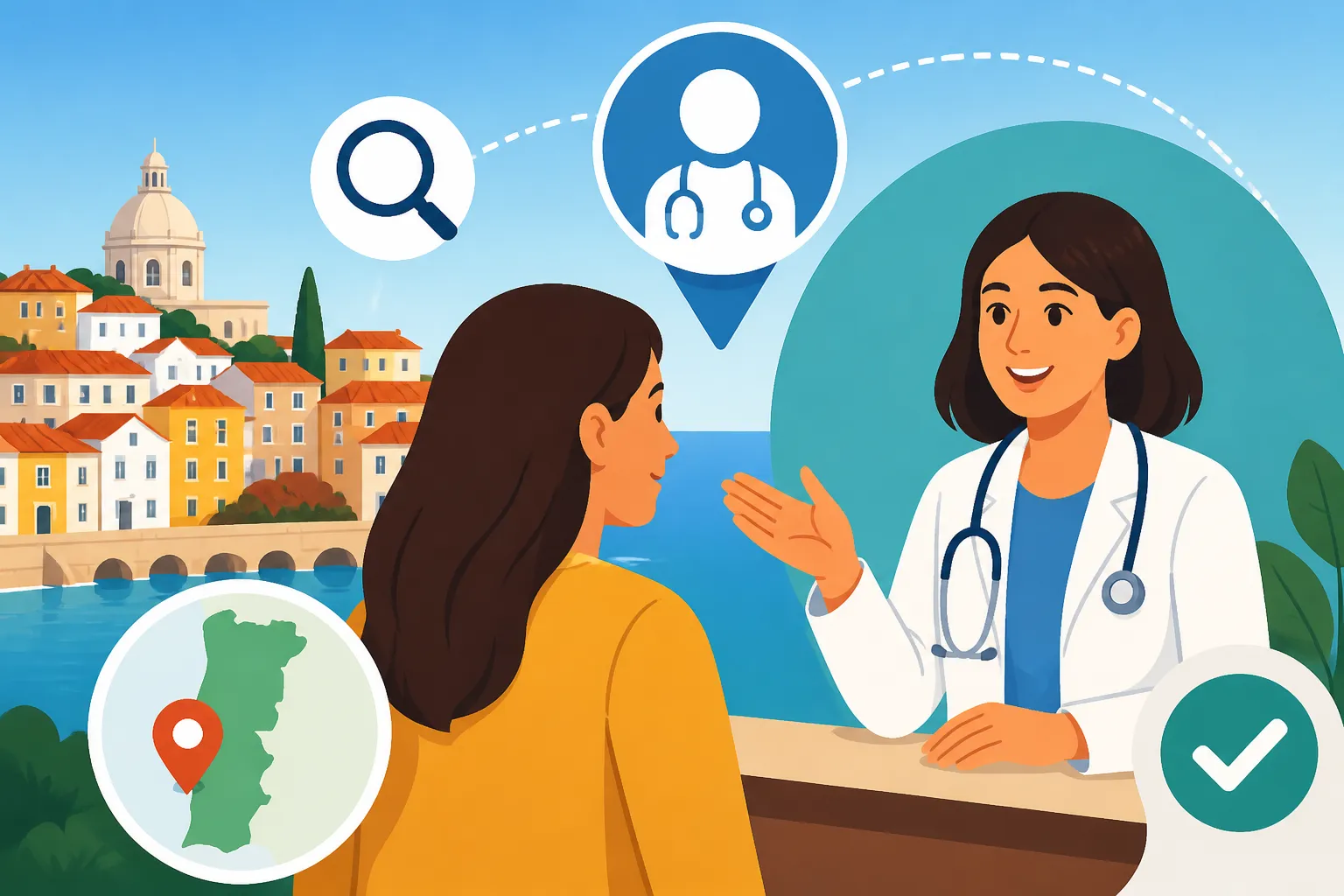
Trying to explain a complex medical history to a doctor who only speaks Portuguese can lead to dangerous misunderstandings and high-stress encounters. I remember the sheer panic of having a high fever in a rural village and realizing my limited "café" vocabulary was useless for explaining my symptoms. This guide solves that anxiety by providing a roadmap to finding English-speaking doctors across Portugal.
Navigating the Public vs Private Medical Divide
The most important realization for any newcomer is that your language experience will differ drastically depending on which system you enter. In the public system, known as the Serviço Nacional de Saúde (SNS), the staff is highly competent but often overworked. While many younger doctors speak excellent English, there is no guarantee that the administrative staff at the front desk or the nurses in the triage room will be able to communicate with you in English. This creates a significant barrier before you even see a medical professional.
When you are first Registering with the Centro de Saúde: Getting Your SNS Número de Utente, you might find that the paperwork and the initial intake are handled entirely in Portuguese. I spent three hours at a health center in Lisbon just trying to get my basic identification number, and the experience was a whirlwind of "não percebo" and frustrated gestures. If you rely solely on the public system, you must be prepared to bring a translator or a Portuguese-speaking friend to your appointments, especially for routine visits where you might be assigned an older physician who did not grow up in the era of bilingual medical education.
The private sector, on the other hand, is built with international patients in mind. Private hospitals like CUF or Hospital da Luz operate more like high-end hotels. Almost every point of contact, from the receptionist who takes your insurance card to the specialist who performs your surgery, will likely be fluent in English. If you have Private Health Insurance in Portugal: Costs, Coverage, and Best Providers, you are essentially paying for the peace of mind that comes with clear communication. This is often the preferred route for expats who are still in the early stages of their language-learning journey.
The Private Advantage for English Speakers
The private healthcare infrastructure in Portugal is robust and caters heavily to the expat and tourist populations in Lisbon, Porto, and the Algarve. In these facilities, English is the unofficial second language of the wards. When you walk into a Hospital da Luz or a CUF clinic, the signage is often bilingual, and the digital kiosks for checking in usually offer an English language toggle. This removes the "administrative anxiety" that often prevents people from seeking care until their condition becomes an emergency.
Furthermore, private doctors often have international training. It is common to find specialists who have spent years practicing in the UK, the US, or Germany. Because they operate in a competitive market, they prioritize patient experience, which includes clear, jargon-free explanations of your health status. If you are using a global policy from a provider like Cigna Global, you will find that these hospitals are well-versed in handling direct billing, further reducing the stress of your visit.
Choosing the private route also allows you to be more selective. You can browse doctor profiles online, see where they were educated, and check if they list English as a primary working language. This level of transparency is simply not available in the public system, where you are typically assigned to a "Médico de Família" based on your residence. For many, the cost of a private consultation—usually between €40 and €90 without insurance—is a small price to pay for being truly understood.
English Support in the Public SNS System
While the public system is more challenging for non-Portuguese speakers, it is not impossible to navigate. The key is to utilize the digital tools provided by the government. The SNS 24 Helpline (808 24 24 24): Triage, Advice, and Sick Notes is a fantastic resource that offers an English-speaking option. When you call, you can press a button to be connected with a nurse who speaks English. They can provide initial triage, tell you whether you need to go to an emergency room, or even schedule a consultation for you.
Once you are at a public hospital (Hospital Público), the emergency room triage uses the Manchester system. While the nurses are assessing your priority level, they will try their best to communicate, but in high-pressure environments, they may revert to Portuguese. If you are admitted to a public ward, the care is world-class, but the day-to-day interactions with orderlies and cleaning staff will be in the local language. It is a good idea to keep a translation app or a printed "cheat sheet" of medical terms on your bedside table.
For those living in rural areas, the challenge is greater. Small-town "Centros de Saúde" may only have one or two doctors who speak English. In these cases, the community often knows who the "English-speaking doctor" is. Don't be afraid to ask in local expat Facebook groups for your specific town. Often, there is a specific doctor who has become the go-to person for the international community in that region.
Digital Platforms and Apps for Finding Doctors
The easiest way to find an English-speaking doctor is through your smartphone. Portugal has embraced digital health, and the major private groups have developed sophisticated apps that make booking appointments as easy as ordering a pizza. These apps allow you to filter by specialty, location, and most importantly, the languages spoken by the practitioner. This eliminates the need for awkward phone calls where you might struggle to make yourself understood by a receptionist.
If you have a digital nomad or travel-specific policy like SafetyWing, their provider networks are usually pre-vetted for English proficiency. Their online portals list clinics and hospitals where you won't have to worry about the language barrier. This is particularly useful for those who are moving around the country and don't have a fixed "home" doctor yet. Knowing that your insurance provider has already confirmed the language skills of a doctor can save you hours of research.
The Hospital da Luz app: How to book a specialist appointment on your phone is a prime example of how technology is bridging the gap. You can create a profile, upload your insurance details (whether it is a local plan or something like Cigna Global), and see a list of available doctors. Each doctor’s profile lists their "Idiomas" (languages). You can literally see "Inglês" listed next to their name before you click "Confirm." This level of control is empowering for expats who want to manage their own healthcare without relying on a middleman.
Using Telehealth for Immediate English Support
Telehealth has become a staple of the expat lifestyle in Portugal. If you have a minor ailment or need a prescription refill, you don't necessarily need to travel to a clinic. Platforms like Telehealth and Online Doctors: Using TravelDoctores and Doctorsa connect you with English-speaking doctors within minutes. These services are often included in international insurance plans like SafetyWing, providing a 24/7 lifeline for those moments when you aren't sure if your symptoms warrant a trip to the "Urgências."
Online consultations are particularly helpful for managing chronic conditions or mental health issues. Being able to speak to a doctor from the comfort of your home removes the environmental stress of a hospital and allows for a more relaxed conversation. The doctors on these platforms are used to dealing with the international community and understand the specific hurdles we face, such as needing a prescription that is equivalent to one you had back in your home country.
| Hospital Group | Key Regions | English Proficiency Level | Best For |
|---|---|---|---|
| CUF | National (Strong in Lisbon/Porto) | Very High | Specialized surgeries and diagnostics |
| Hospital da Luz | National | Very High | Excellent app and digital booking |
| Lusíadas | Lisbon, Porto, Algarve | High | Maternity and pediatric care |
| HPA Health | Algarve, Alentejo, Madeira | Very High | Tourists and retirees in the south |
| Joaquim Chaves | Lisbon and surroundings | High | Quick blood tests and imaging |
Directories and Expat Communities
Beyond the official hospital apps, there are several independent directories. The "Doctoralia" website is widely used in Portugal. It functions like a Yelp for doctors. You can search for a specialty—say, "Dermatologia"—and filter the results by "Inglês." The reviews on Doctoralia are quite detailed and often mention if the doctor was patient with the patient's language limitations. This "social proof" is invaluable when you are looking for someone who isn't just bilingual, but actually has a good bedside manner.
Local expat communities are also a goldmine of information. Whether you are in a "Lisbon Expats" or "Silver Coast Friends" group, a quick search for "English speaking gynecologist" or "English speaking dentist" will usually yield a dozen recommendations. Be sure to check how recent the advice is, as doctors in Portugal frequently move between the public and private sectors. Always cross-reference these recommendations with the Finding Doctors and Specialists in Portugal: English-Speaking Medical Care guide to ensure the clinic still accepts your specific insurance.
Finding Specialists and Language-Specific Needs
When you move beyond general care into specialists, the need for precise language becomes even more critical. Discussing a neurological issue or a cardiac concern requires a level of nuance that basic Portuguese doesn't cover. Fortunately, in the private system, Specialist Referrals: The Process in Public SNS vs Private Clinics is much more direct. You do not always need a referral from a general practitioner to see a specialist in a private hospital; you can simply book an appointment with a cardiologist or orthopedist who speaks English.
This direct access is a lifesaver for those with pre-existing conditions. If you arrive in Portugal with a history of a specific illness, you can proactively find a specialist to manage your care before an emergency arises. I found that bringing my medical records from home, already translated into English, made the first meeting with my Portuguese specialist incredibly smooth. Even though they are Portuguese, their medical training is often based on English-language textbooks and research, so they are perfectly comfortable reviewing documents in English.
For many expats, the most sensitive area is mental health. Finding a professional who understands the psychological toll of relocation is vital. You should look for someone who specializes in Finding a therapist in Portugal who understands expat culture shock to ensure they can relate to your specific experience. Mental health terminology is deeply culturally rooted, so having a therapist who is not just fluent in English but also culturally competent is the difference between a productive session and a frustrating one.
English-Speaking Pediatricians
If you are moving with children, finding a "Pediatra" is likely your top priority. Portuguese pediatric care is excellent, and most private pediatricians speak flawless English. They understand that parents are often stressed and need clear instructions on dosages and vaccination schedules. In many private clinics, you can even communicate with your pediatrician via WhatsApp for minor questions, which is a level of access that many expats find superior to what they had in their home countries.
When choosing a pediatrician, ask if the clinic provides an English version of the "Boletim de Saúde Infantil" (Child Health Book). While the official book is in Portuguese, many private doctors will provide you with English summaries of your child's growth and vaccination status. This is essential if you plan on traveling or if you eventually move to another country. Using a comprehensive medical guide like Healthcare in Portugal for Expats: The Complete 2026 Medical Guide can help you understand the standard vaccination schedule in Portugal compared to your home country.
Dental and Vision Care
Dental care in Portugal is almost entirely private, which means the level of English is generally very high. Whether you need a simple cleaning or a complex implant, you will find that dental clinics in major cities are very "English-friendly." Many of these clinics cater specifically to "medical tourists" from the UK and Northern Europe, so their staff is trained to provide a high level of service in English.
Vision care follows a similar pattern. While you can get a basic eye exam at an "Óptica" (glasses shop), for any medical issues involving the eyes, you should see an "Oftalmologista." In the private hospital groups, these specialists will have the latest technology and will be able to explain complex procedures, such as laser surgery or cataracts treatment, in clear English. Using a global health plan like Cigna Global often covers these private specialist visits, making them very accessible.
Practical Tips for Your First Consultation
Your first appointment with a doctor in Portugal will set the tone for your medical journey. Even if the doctor speaks English, it is helpful to be prepared. Bring a list of your current medications with the active ingredient names (generic names) rather than just the brand names. Brand names for common drugs like Tylenol or Xanax vary by country, but the chemical names like "Paracetamol" or "Alprazolam" are universal in the medical community.
During the consultation, don't be afraid to ask the doctor to write down key terms or instructions. Even with a high level of English, accents can sometimes be a barrier. If the doctor gives you a prescription (receita), check if it is a digital one. Most prescriptions in Portugal are now sent via SMS or email as a PDF with a barcode. This makes it much easier to take to a "Farmácia," where the pharmacists almost always speak enough English to explain how many times a day you should take the pills.
Finally, keep a folder (digital or physical) of all your medical interactions in Portugal. This is important because the public and private systems do not always share data perfectly. If you see a private doctor but later end up in a public hospital emergency room, having your private records available will ensure you receive the best care. Being an advocate for your own health is a key part of the expat experience, and being prepared is the best way to overcome any lingering language gaps.
Disclaimer
This guide is provided for informational purposes only and does not constitute professional medical or legal advice. Healthcare regulations and the availability of English-speaking staff in Portugal are subject to change. Always consult with a qualified medical professional or your insurance provider regarding your specific health needs and coverage options. While every effort has been made to ensure the accuracy of this information, we are not responsible for any discrepancies or changes in the medical system.