How to Plan a Visit to Portugal’s UNESCO Sites
Disclosure: This article contains affiliate links. If you buy through them, we may earn a commission at no extra cost to you. Read our full disclosure.
Ah, Portugal! It's a country that absolutely oozes history, culture, and natural beauty from every cobblestone street and every sun-drenched valley. But let me tell you, when you first start looking at all the incredible places to see, it can feel like trying to drink from a firehose. Where do you even begin with places so grand they've been recognized by UNESCO? Navigating the sheer volume and variety of Portugal's World Heritage Sites can be a delightful challenge, but it's one that often leaves visitors feeling a bit overwhelmed by the planning.
As someone who's spent years exploring every nook and cranny of this beautiful land, I've learned a thing or two about making these visits not just possible, but truly magical. This guide is going to walk you through how to plan your visits to Portugal's UNESCO sites, cutting through the noise and giving you the practical, on-the-ground advice you need to make the most of your time here. We'll cover everything from choosing the right sites for your interests to the nitty-gritty of transportation, so you can transform that initial overwhelm into an unforgettable adventure.
Understanding Portugal's UNESCO Landscape
Portugal, despite its relatively compact size, boasts an astounding number of UNESCO World Heritage Sites – 17 to be exact! And when I say "astounding," I mean it. These aren't just pretty places; they are living testaments to humanity's creativity, ingenuity, and profound connection to nature. They tell the story of a nation that once launched itself into the unknown, leaving an indelible mark on the world, and also a story of ancient civilizations long before that.
A Tapestry of History and Nature
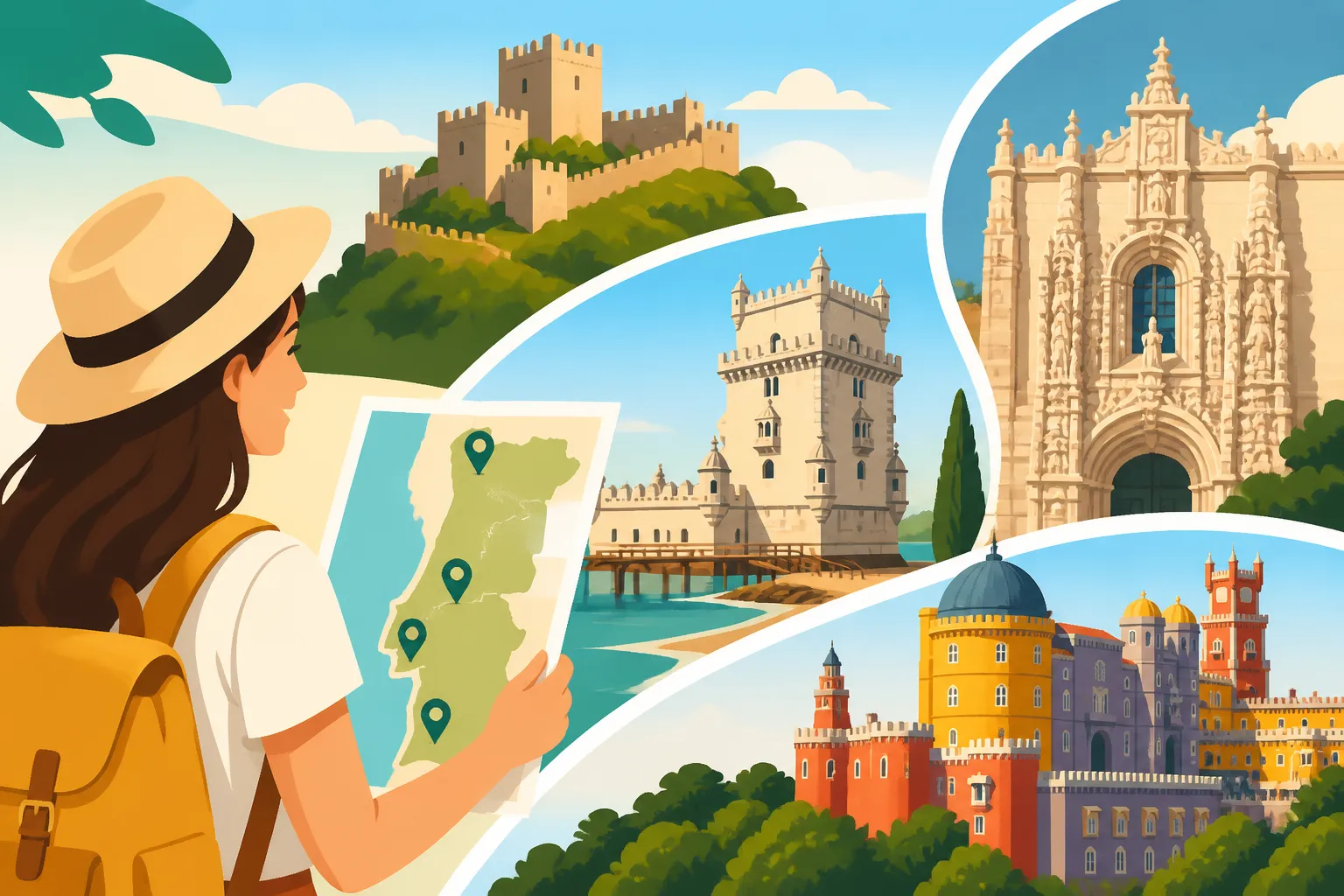
You'll quickly realize that Portugal's UNESCO list isn't just about grand palaces or ancient ruins, though it certainly has those in spades. It's a rich tapestry woven from diverse threads. On the cultural side, you have the magnificent Mosteiro dos Jerónimos and the Torre de Belém in Lisbon, standing as proud symbols of the Age of Discoveries. Imagine the caravels departing from these very shores, adventurers setting off into uncharted waters. Then there's the haunting beauty of the Monastery of Batalha and the Convent of Christ in Tomar, both Gothic masterpieces intricately tied to Portugal's military and religious orders.
But it’s not all about the past. Step into the Historic Centre of Évora, a perfectly preserved walled city that feels like a journey back to Roman times, or explore the Cultural Landscape of Sintra, where fairytale palaces like Pena and Quinta da Regaleira sit amidst mystical gardens. And for something truly ancient, the Prehistoric Rock-Art Sites of the Côa Valley offer an incredible glimpse into the lives of our ancestors, with thousands of engravings dating back over 20,000 years.
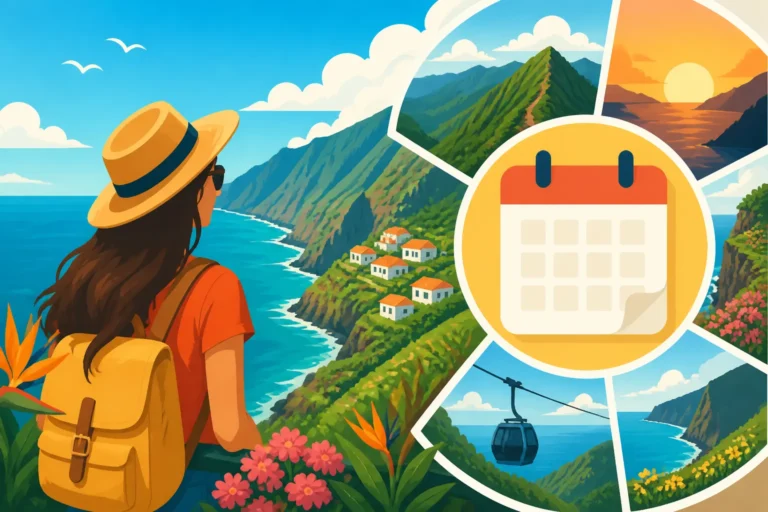
Beyond the purely man-made, Portugal also celebrates its natural and agricultural wonders. The Alto Douro Wine Region, for instance, isn't just a place where wine is made; it's a breathtaking landscape carved by human hands over centuries, transforming steep riverbanks into terraced vineyards. It’s a harmonious blend of human effort and natural beauty that produces some of the world's finest Port wine. And then, far out in the Atlantic, the Laurisilva of Madeira stands as a magnificent, ancient laurel forest, a true relic of a time when these primeval forests covered much of southern Europe. It's a natural wonder that makes you feel incredibly small and connected to something vast and eternal.
Geographical Spread and Accessibility
One of the beautiful things about Portugal's UNESCO sites is that they’re quite spread out, which means you can really get a sense of the country’s diverse regions while you tick them off your list. They’re not all concentrated in one place, so planning involves a bit of strategic thinking.
In the bustling capital, you have the iconic sites of Lisbon: the Jerónimos Monastery and Belém Tower are practically next door to each other in the Belém district, a quick tram ride from the city center. Just a short train journey away lies the magical town of Sintra, a veritable open-air museum of palaces and gardens.
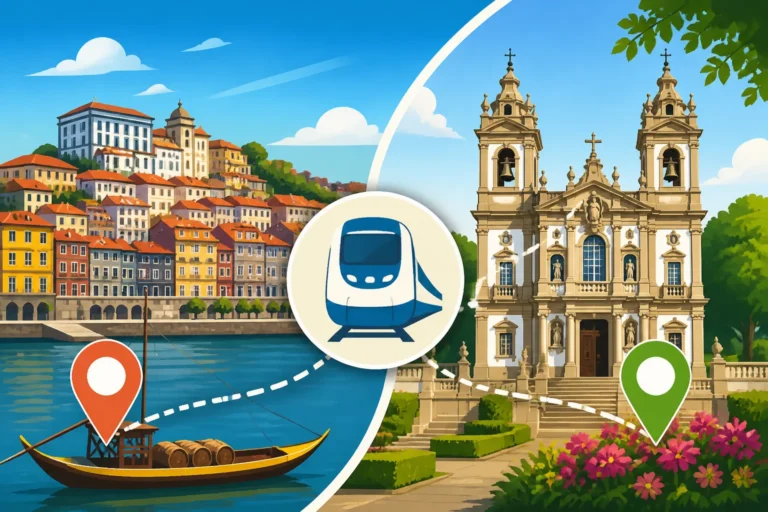
Head north, and you'll find the stunning Historic Centre of Porto, Luiz I Bridge and Monastery of Serra do Pilar, perched dramatically over the Douro River. Not too far east from Porto is the Alto Douro Wine Region, a landscape truly unlike any other. Central Portugal is a treasure trove, with Alcobaça, Batalha, and Tomar forming a trio of historically rich monasteries often visited together. Further south, the Alentejo region gives us Évora, a city that just breathes history. And, of course, don’t forget the autonomous regions. The Laurisilva of Madeira is on the island of Madeira, requiring a flight, and the Landscape of the Pico Island Vineyard Culture is on Pico Island in the Azores, also accessible by flight from the mainland and then inter-island ferry.
This geographical spread means that while some sites are easily accessible via Portugal's excellent public transport network – like taking the train from Lisbon to Sintra – others, especially in more rural areas like the Côa Valley or the Alto Douro, are much more comfortably explored with a rental car. It’s important to keep this in mind as you map out your adventure.
Choosing Your UNESCO Itinerary
Deciding which UNESCO sites to visit can feel a bit like being a kid in a candy store – everything looks amazing! But with a bit of focus on your personal interests, available time, and how things group together geographically, you can craft an itinerary that feels less like a checklist and more like a carefully curated experience.
Matching Sites to Your Interests
First things first, ask yourself: what really gets your travel juices flowing? Are you a hardcore history buff who wants to delve deep into the past, or are you more drawn to stunning natural landscapes? Perhaps you're a foodie and wine connoisseur, eager to taste the essence of a region. Tailoring your choices to your passions will make your trip infinitely more rewarding.
For instance, if you're like me and can spend hours imagining life centuries ago, then the monastic sites are an absolute must. The Monastery of Alcobaça, with its austere beauty and tragic love story of Pedro and Inês, the Monastery of Batalha with its intricate Manueline Gothic details, and the Convent of Christ in Tomar, a former stronghold of the Knights Templar, will absolutely captivate you. These places aren't just old buildings; they're emotional experiences.
If the Age of Discoveries fascinates you, then Lisbon's Mosteiro dos Jerónimos and Torre de Belém are non-negotiable. Spend time soaking in the grandeur, imagining Vasco da Gama's return. If you prefer charming, historic cityscapes where you can wander for hours, get lost in the narrow streets of the Historic Centre of Évora or the Historic Centre of Guimarães, often called the "birthplace of Portugal."
For those who crave nature and unique vistas, the Alto Douro Wine Region is unparalleled. Rent a car, drive through the winding roads, stop at miradouros (viewpoints), and definitely take a boat trip on the Douro River. If you find yourself on Madeira, hiking through the Laurisilva forest is an otherworldly experience, a glimpse into prehistoric flora. Even the Pico Island Vineyard Culture in the Azores is a natural wonder, showcasing a unique agricultural practice within a dramatic volcanic landscape.
Don't forget the truly unique. The Prehistoric Rock-Art Sites of the Côa Valley are incredible for anyone with an interest in archaeology and human origins. You need to book a guided tour to visit, but trust me, seeing those ancient engravings with your own eyes is a humbling experience. And for art and architecture lovers, the Royal Building of Mafra – Palace, Basilica, Convent, Cerco Garden and Hunting Park (Tapada) is a colossal Baroque complex that will leave your jaw on the floor.
Regional Groupings for Efficient Travel
Trying to crisscross the entire country for individual sites will quickly eat into your precious travel time. A much smarter approach is to group sites that are geographically close, allowing for more efficient travel and deeper immersion in a particular region.
- Lisbon & Central Coast: This is a no-brainer. You've got the UNESCO sites right in Lisbon (Belém Tower, Jerónimos Monastery). A short train ride takes you to the whimsical Cultural Landscape of Sintra. From there, you could easily take a day trip or an overnight stay to visit the powerful trio of monasteries in Central Portugal: Alcobaça, Batalha, and Tomar. These are often visited together on a single organized tour from Lisbon, or easily by car.
- Porto & Northern Portugal: Starting in Porto, where the Historic Centre is a delight to explore, you can venture east into the Alto Douro Wine Region. Consider staying a night or two in a quinta (wine estate) to truly experience the area. If you're really delving into the North, a detour to the Historic Centre of Guimarães is a must, offering a charming look at Portugal's foundational history.
- Alentejo: The star here is the Historic Centre of Évora. This beautiful city is easily accessible by train or bus from Lisbon, making it a fantastic weekend trip. While in the Alentejo, you can also consider visiting the Garrison Border Town of Elvas and its Fortifications, which provides a fascinating insight into Portugal's defensive history.
- Islands: If you're visiting Madeira, the Laurisilva forest is readily accessible via organized tours or by renting a car. For the Azores, you'd fly to one of the main islands (like Terceira, which also has a UNESCO site, the Historic Centre of Angra do Heroísmo) and then take an inter-island flight or ferry to Pico to see its unique vineyard landscape.
Thinking in these regional blocks will save you hours of travel time and allow you to fully appreciate each area without feeling rushed. You can find convenient transport options for many of these routes on platforms like Omio, which can help you book trains or buses between major cities.
Time Considerations: How Long to Dedicate
This is where many travelers, especially first-timers, can miscalculate. It's tempting to try and squeeze in as many sites as possible, but often, less is more. Each UNESCO site has a story to tell, and rushing through it diminishes the experience.
- City Centers: For places like the Historic Centre of Porto or Évora, you really need a full day, if not more, to truly explore. Beyond just seeing the main monuments, you'll want time to wander the streets, pop into local shops, enjoy a leisurely meal, and just soak in the atmosphere. Trying to do Porto's historic center in two hours is like trying to read a novel by just looking at the cover.
- Monasteries/Palaces: A major site like the Jerónimos Monastery or one of Sintra's palaces (Pena, Quinta da Regaleira, National Palace) typically warrants a good half-day, minimum. This accounts for travel to and from, ticket queues (even with pre-booked tickets), and time to really appreciate the architecture and history without feeling like you're on a conveyor belt. If you plan to visit multiple sites in Sintra, you'll need at least a full day, if not two.
- Natural/Agricultural Landscapes: For the Alto Douro Wine Region, a single day is fine if you're just driving through and seeing a few viewpoints, but I highly recommend an overnight stay to enjoy a wine tasting at a quinta and truly immerse yourself in the serene beauty. The Côa Valley rock art tours can take several hours, including travel to the actual sites, so dedicate a full day for that experience.
- Remote Islands: If you're flying out to Madeira or the Azores specifically for their UNESCO sites, plan for at least 3-4 days on the island itself to allow for travel, exploring the site, and enjoying the island's other offerings.
Think about the pace you enjoy. If you're someone who likes to linger, read every plaque, and take a lot of photos, then pad your schedule generously. A hurried visit often leads to burnout and a feeling that you haven't truly connected with the place.
Logistics: Getting There and Getting Around
Once you've zeroed in on your chosen UNESCO gems, the next step is figuring out the practicalities of reaching them and having a smooth experience. Portugal is generally a very tourist-friendly country, but knowing the transport quirks and booking strategies in advance will save you a lot of headaches.
Transportation Options for Each Site
Portugal offers a mix of excellent public transport and beautiful scenic drives, so your choice will depend heavily on the location of your chosen UNESCO site.
- City-based Sites: For the urban wonders like the Mosteiro dos Jerónimos and Torre de Belém in Lisbon, or the Historic Centre of Porto, public transport is your best friend. In Lisbon, you've got trams (the iconic 15E goes to Belém), buses, and the metro. In Porto, the metro and trams are very efficient. This saves you the hassle of parking, which can be a nightmare in historic city centers. For a broader understanding of getting around, take a look at our guide on Public Transport and Driving in Portugal: Trains, Tolls, and Licenses.
- Train Accessible Towns: The train network in Portugal, Comboios de Portugal (CP), is quite good for connecting major cities and some historic towns. Sintra is a perfect example; a direct train from Lisbon's Rossio station takes about 40 minutes and drops you right in the town center. Évora is also easily reachable by train or bus from Lisbon. For intercity travel, you can check schedules and book tickets on Omio, which can be a real time-saver.
- Car for Rural Gems: For sites like the Alto Douro Wine Region, the Prehistoric Rock-Art Sites of the Côa Valley, or even the monastic sites of Alcobaça, Batalha, and Tomar if you want ultimate flexibility, renting a car is often the most practical and enjoyable option. The freedom to stop at scenic viewpoints, visit lesser-known villages, and simply travel at your own pace is invaluable. Just be prepared for some winding roads, especially in the Douro, and remember that Portugal has a toll system to navigate; our article on Navigating the Portuguese Toll System: Via Verde and Electronic Tolls can help you prepare. If you're considering buying a car for a longer stay, we also have tips on Buying a Car in Portugal: IUC Tax, Inspections (IPO), and High Vehicle Costs.
- Flights for Islands: The UNESCO sites in Madeira (Laurisilva forest) and the Azores (Historic Centre of Angra do Heroísmo, Pico Island Vineyard Culture) require domestic flights from mainland Portugal. Once on the islands, car rental is usually recommended for exploring.
| UNESCO Site Category | Best Transportation Method | Notes |
|---|---|---|
| City Centers (e.g., Lisbon, Porto, Évora) | Public Transport (Metro, Tram, Bus, Train) | Avoid parking hassles; excellent local networks. |
| Historic Towns (e.g., Sintra, Guimarães) | Train/Bus (from major cities) or Car | Train to Sintra is very popular; car offers flexibility. |
| Rural/Landscape (e.g., Douro Valley, Côa Valley) | Car Rental (essential for flexibility) | Allows stops at viewpoints, local villages. |
| Monasteries (e.g., Alcobaça, Batalha, Tomar) | Car (recommended) or Organized Tour | Can be done as day trips from Lisbon/Porto by car or tour. |
| Islands (e.g., Madeira, Azores) | Domestic Flight + Car Rental on the island | Flights from mainland; car rental best for island exploration. |
Accommodation Strategies
Where you lay your head down at night can significantly impact your UNESCO site experience. You generally have two main approaches: staying in a major city and taking day trips, or basing yourself closer to the specific sites.
- City Hubs for Day Trips: For many, basing yourself in Lisbon or Porto is the most convenient strategy. Both cities offer a wealth of accommodation options (check out Booking.com for everything from hostels to luxury hotels), vibrant nightlife, and easy access to trains and buses for day trips to nearby UNESCO sites like Sintra, Tomar, Batalha, or Guimarães. This is particularly good if you prefer unpacking once and exploring from a central location. Lisbon, for instance, is a fantastic starting point for exploring Central Portugal's monastic sites. Our Lisbon Neighborhood Guide: Best Areas for Expats and Digital Nomads can help you choose the right base.
- Immersion in Smaller Towns: If you want a more intimate experience, consider staying overnight in the smaller towns that host UNESCO sites. Imagine waking up in Évora, stepping out into its historic streets before the day-trippers arrive, and enjoying the quiet charm. Or spending a night in a beautiful quinta in the Alto Douro Wine Region, surrounded by vineyards. This allows for early morning or late evening visits, escaping the peak crowds and soaking in the local atmosphere. When looking for rentals in smaller towns, services like Booking.com are invaluable. For those contemplating a longer stay, perhaps even considering renting an apartment, our guide on Renting an Apartment in Portugal: Contracts, Fees, and Tenant Rights offers crucial information.
- Cost of Living: Remember that the cost of living can vary significantly across Portugal. Major cities like Lisbon and Porto will naturally be more expensive for accommodation and dining. If you’re mindful of your budget, opting for guesthouses or apartments in smaller towns might give you more bang for your buck, a topic further elaborated in our Cost of Living in Portugal 2026: Detailed Budgets for Singles and Families.
Tickets, Tours, and Avoiding Crowds
This is where advance planning truly pays off, especially during peak tourist season (summer, national holidays). UNESCO sites, by their very nature, attract crowds, but you can minimize their impact.
- Pre-book Everything Possible: For popular sites like the palaces in Sintra, the Jerónimos Monastery, or even the rock art tours in Côa Valley, buy your tickets online in advance. This often allows you to skip the regular ticket lines, saving you precious time and sanity. Websites like GetYourGuide are excellent for finding skip-the-line tickets and organized tours that often bundle transport and multiple sites. They also offer valuable insights and reviews from other travelers.
- Consider Combination Tickets: In places like Sintra, you can often buy combination tickets that cover multiple palaces or monuments. This can be more cost-effective and streamlined. Always check the official sites for these options.
- Guided Tours for Specific Experiences: For sites like the Prehistoric Rock-Art Sites of the Côa Valley, a guided tour is mandatory. For others, like the Alto Douro, a guided wine tour can enhance your understanding and take the stress out of driving on winding roads. Look for reputable tour operators, and again, GetYourGuide is a great resource.
- Timing is Everything: Arrive as soon as a site opens or visit an hour or two before closing. These are generally the quietest times. Mid-day is almost always the busiest. If a site has multiple entrances, try the less obvious one. Weekdays are almost always less crowded than weekends.
- Off-Season Travel: If your schedule allows, visiting Portugal outside of July and August (and major holidays like Easter) will dramatically reduce crowds and often lead to better prices for flights and accommodation. The shoulder seasons (April-May, September-October) offer fantastic weather and a more relaxed atmosphere.
Maximizing Your Visit: Tips for a Deeper Experience
Visiting a UNESCO site isn't just about snapping a photo and moving on. It's an opportunity to connect with history, art, and nature on a profound level. Our editorial team has gathered a few pointers that can really elevate your experience from a simple visit to a lasting memory.
Beyond the Postcard: Research and Context
Portugal's UNESCO sites are more than just pretty backdrops for your Instagram feed; they are repositories of centuries of stories, struggles, and triumphs. To truly appreciate them, do a little homework beforehand.
- Understand the "Why": Before you even set foot in a place like the Convent of Christ in Tomar, read up on the Knights Templar and their immense influence in Portugal. Knowing their history – how they shaped the nation, their secrets, and their eventual transformation – will make the intricate carvings and imposing architecture come alive. It transforms a stone wall into a narrative.
- Historical Significance: When you're standing before the Mosteiro dos Jerónimos, understand its connection to Vasco da Gama and the golden age of Portuguese exploration. The sheer scale and detail weren't just for show; they were a declaration of power, wealth, and spiritual devotion at a pivotal moment in history.
- Cultural Context: For sites like the Alto Douro Wine Region, learn about the património imaterial – the intangible heritage – of the people who worked these lands for generations. Understand the traditional methods of grape growing and wine production. This adds a human layer to the stunning landscape.
A little bit of research goes a long way in turning a tourist snapshot into a meaningful encounter. Don't just see the site; feel its history.
Embracing the Local Culture
Beyond the main attractions, the magic of Portugal often lies in the everyday moments and interactions. Don't be afraid to step off the well-trodden tourist path.
- Savor Local Flavors: After exploring a magnificent monastery, wander into a local pastelaria for a coffee and a traditional pastry. In Évora, find a cozy restaurant away from the main square and try some authentic Alentejo cuisine like açorda or ensopado de borrego. Near the Douro, indulge in a hearty meal paired with local wines. These culinary experiences are part of the heritage too!
- Engage with Locals: Even if your Portuguese is limited to "Olá" and "Obrigado," a friendly smile and a few words can open doors. Ask shopkeepers about their craft, or simply observe the rhythm of daily life in these historic towns. The warmth of the Portuguese people is a heritage in itself. If you're looking to brush up on your language skills, "Learning European Portuguese: Top Apps, Tutors, and Free Government Classes" could be a great starting point.
- Attend Local Events: If your visit coincides with a local market day, a festival, or a religious celebration, absolutely try to attend. These events offer a vibrant, unfiltered glimpse into the living culture surrounding these ancient sites.
Essential Packing and Preparation
Portugal might seem perpetually sunny, but its climate and the nature of these visits demand a bit of thoughtful packing.
- Comfortable Shoes: This is non-negotiable! You will be doing a lot of walking, often on uneven cobblestones or climbing stairs. Your feet will thank you.
- Layers: Portuguese weather can be fickle. Mornings can be chilly, midday warm, and evenings cool. Even in summer, churches and monasteries can be surprisingly cool inside. A light scarf or cardigan is always a good idea.
- Water and Snacks: Especially if you're exploring large sites or rural areas, bring a reusable water bottle. While cafes are usually nearby, having a snack on hand can save you from a "hanger" meltdown.
- Sun Protection: A hat, sunglasses, and sunscreen are crucial, even on cloudy days. The Portuguese sun, especially from spring to autumn, is no joke.
- Power Bank: You'll be taking lots of photos and likely using your phone for maps and information. A portable charger ensures you don't run out of juice mid-adventure.
Respecting the Heritage
Finally, remember that these are not just tourist attractions; they are precious pieces of global heritage. Being a responsible visitor is paramount.
- Follow the Rules: Pay attention to signs about photography (no flash, no tripods in some areas), restricted access, or quiet zones. These rules are in place to protect the sites and enhance everyone's experience.
- Leave No Trace: This should go without saying, but always take your rubbish with you and dispose of it properly. Do not carve initials or deface historical structures. These sites have stood for centuries; help ensure they stand for many more.
- Be Mindful of Others: Be considerate of other visitors, especially in crowded areas. Avoid blocking paths or lingering too long in high-traffic spots for photos.
- Support Local: Where possible, support local businesses around the sites. Buy a souvenir from a local artisan rather than a generic tourist trap. This helps sustain the communities that preserve these treasures.
By approaching your visit with a sense of wonder, respect, and a little bit of practical planning, your journey through Portugal's UNESCO sites will undoubtedly be one of the highlights of your time here.
Disclaimer
The information provided in this guide is intended for general informational purposes only and may not constitute the most up-to-date legal, financial, or immigration advice. While we strive to keep the content accurate and current, regulations and circumstances in Portugal can change rapidly. Always consult with qualified professionals (e.g., immigration lawyers, financial advisors, local authorities) for advice tailored to your specific situation. Reliance on any information in this guide is solely at your own risk.