How to Hike in Peneda-Gerês National Park
Disclosure: This article contains affiliate links. If you buy through them, we may earn a commission at no extra cost to you. Read our full disclosure.
Ah, Peneda-Gerês National Park! If you're anything like me, you probably arrived in Portugal dreaming of sun-drenched beaches and charming city streets, only to discover there's a whole wild, untamed side to this country. But venturing into Portugal's only national park can feel like a daunting task, especially with the maze of information out there, often in Portuguese. Many of us expats have stood at the trailhead, map in hand, wondering if we’re about to embark on an epic adventure or just get hopelessly lost. This guide is here to cut through the confusion and give you the confidence to truly experience the breathtaking beauty of Peneda-Gerês.
Why Peneda-Gerês is a Must-Visit for Expats and Tourists
Portugal's Peneda-Gerês National Park, or Parque Nacional da Peneda-Gerês as it's known locally, isn't just another pretty landscape. It's an absolutely essential experience for anyone living in or visiting Portugal, especially if you crave a genuine connection with raw nature and ancient history. You might have seen photos of its cascading waterfalls or thought about how nice a break from city life would be, but until you're there, breathing in the crisp mountain air, you can't truly grasp its magic. For many of us, it’s a vital escape, a place where the administrative headaches of expat life simply melt away.
The Unique Allure of Portugal's Only National Park
Imagine a place where granite mountains soar above emerald-green valleys, where crystal-clear rivers carve through ancient rock formations, and where the echoes of Roman legions still seem to whisper through the trees. That's Gerês. This isn't just a park; it's a living, breathing tapestry of biodiversity, stunning landscapes, and a surprisingly rich cultural heritage that dates back millennia. You'll find everything from dense oak forests, home to wild boars and roe deer, to high-altitude moorlands where the iconic garranos (wild Portuguese horses) roam freely. Catching a glimpse of these majestic creatures against a rugged backdrop is a moment that sticks with you long after your visit.
What truly sets Gerês apart is its blend of natural splendor with human history. Nestled within its vast boundaries are ancient, remote villages like Pitões das Júnias or Castro Laboreiro, where life continues much as it has for centuries. Here, you might stumble upon an old lady tending her garden, or hear the clang of cowbells echoing through a misty valley. It’s an immersive experience that often feels like stepping back in time, a stark contrast to the bustling cities like Lisbon or Porto. We often hear expats express how overwhelming the initial research for Gerês can be – so many trails, so many hidden gems, and often, so little English information. But trust me, that effort is worth every single step when you discover a Roman milestone or a perfectly preserved espigueiro (traditional granite granary) in a tiny hamlet.
Dispelling Common Myths and Validating Concerns
When you first start looking into hiking in Peneda-Gerês, it's easy to get bogged down by anxieties. "Is it too difficult?" "Do I need a guide?" "What if I get lost?" These are all completely valid questions, and honestly, I've asked them myself. Many guides make it sound like you need to be an expert mountaineer, or that every path is clearly signposted. The reality, as any seasoned expat in Portugal will tell you, is a bit more nuanced.
First, let's address the difficulty: Gerês offers trails for everyone. Seriously. From gentle strolls along riverbanks that are perfect for families, to challenging multi-day treks up steep inclines that will test even the most experienced hikers. The key is knowing how to choose the right trail for your fitness level and experience, and that's exactly what we'll cover. You absolutely do not need to be some sort of wilderness survivalist to enjoy the park.
Second, the idea of needing a guide. While a local guide can certainly enrich your experience, especially if you're keen on learning about the specific flora, fauna, or history, it's not a strict requirement for most well-marked trails. Many visitors successfully navigate the park independently. However, if you're nervous about language barriers, worried about getting lost, or simply want to delve deeper into the park’s secrets, a guide is a fantastic option. Services like GetYourGuide offer various guided tours, from easy nature walks to more strenuous treks, often with English-speaking guides. This can be a huge relief, especially if you're not confident in your Portuguese yet (and let's face it, Learning Portuguese for Career Growth: Certificates and Business Language doesn't always cover "how to ask for directions to a waterfall").
Finally, the fear of getting lost. While Portugal has made great strides in marking trails, especially those managed by local municipalities, some remote areas still have less-than-perfect signage. This is where proper preparation, reliable navigation tools, and a healthy dose of caution come into play. It's a wilderness, after all, and expecting perfectly manicured paths everywhere is unrealistic. But with the right mindset and tools, you can minimize risks and embrace the adventure.
Planning Your Peneda-Gerês Hiking Adventure
Planning a trip to Peneda-Gerês isn't like planning a city break in Lisbon. It requires a bit more thought and preparation, but that's part of what makes it so rewarding. You're entering a wilder, less structured environment, and a little foresight goes a long way in ensuring a memorable and safe experience.
Choosing Your Trail: Difficulty Levels and Notable Routes
This is where the real fun begins – envisioning your hike! Peneda-Gerês boasts a network of trails, often categorized using European standards:
- PR (Percurso Pedestre de Pequena Rota): These are "Small Route" trails, typically ranging from a few kilometers to about 30 km, often circular or connecting specific points of interest. They are usually well-marked with red and yellow stripes. These are ideal for day hikes.
- GR (Grande Rota): "Great Route" trails are much longer, often multi-day treks that cross significant portions of the park or even connect to other regions. They are marked with red and white stripes. Think long-distance hiking here.
When selecting a trail, consider your fitness level, how much time you have, and what you want to see. Don't underestimate the Portuguese terrain; a "moderate" trail here might be steeper or more rugged than you expect from experiences elsewhere.
Here are a few notable routes to get you started:
Trilho do Castelo (Castro Laboreiro)
This roughly 12 km circular route starts near the charming village of Castro Laboreiro. It's generally considered moderate, with some uphill climbs, and takes you through traditional villages, past ancient granaries, and offers spectacular views of the castle ruins. It’s a fantastic way to immerse yourself in the local culture and history, including the famous Cão de Castro Laboreiro dogs.
Sete Lagoas (Seven Lagoons) near Xertelo
Often described as a more challenging adventure, this isn't an official trilho but a popular route to a series of stunning natural pools and waterfalls. The "trail" is less defined, requiring some scrambling and navigation skills. It's absolutely breathtaking in summer but can be tricky and even dangerous in wet conditions. You might need to park some distance away and walk, so factor that in.
Via Romana XVIII (Geira Romana) from Portela do Homem
For history buffs, this is a must-do. This ancient Roman road, part of a larger route connecting Braga to Astorga in Spain, is still remarkably preserved in parts. Starting near Portela do Homem (close to the Spanish border), you can walk sections of it, admiring the Roman milestones (miliários) and imagining the legions that once passed this way. It’s mostly flat and straightforward, making it accessible for many, though some sections are overgrown.
Here's a quick comparison of popular trails:
| Trail Name | Length (approx.) | Difficulty | Key Highlights | Best Time of Year |
|---|---|---|---|---|
| Trilho do Castelo | 12 km (loop) | Moderate | Castro Laboreiro village, castle ruins, traditional architecture | Spring, Autumn |
| Sete Lagoas | 8-10 km (return) | Moderate-Hard | Natural swimming pools, waterfalls, pristine nature | Summer |
| Via Romana XVIII | Variable (section by section) | Easy-Moderate | Roman milestones, ancient pavement, historical immersion | All year (avoid heavy rain) |
| Cascata do Arado | 2-3 km (return) | Easy | Accessible waterfall, viewpoint | All year |
| Trilho da Mizarela | 15 km (loop) | Moderate-Hard | Cascata da Mizarela, panoramic views, challenging terrain | Spring, Autumn |
Essential Gear and Safety Considerations for the Portuguese Wilderness
Don't let the beauty of Gerês fool you; it's a genuine wilderness, and proper preparation is non-negotiable. Many of us expats learn this the hard way on our first European hikes when we realize our city shoes just won't cut it.
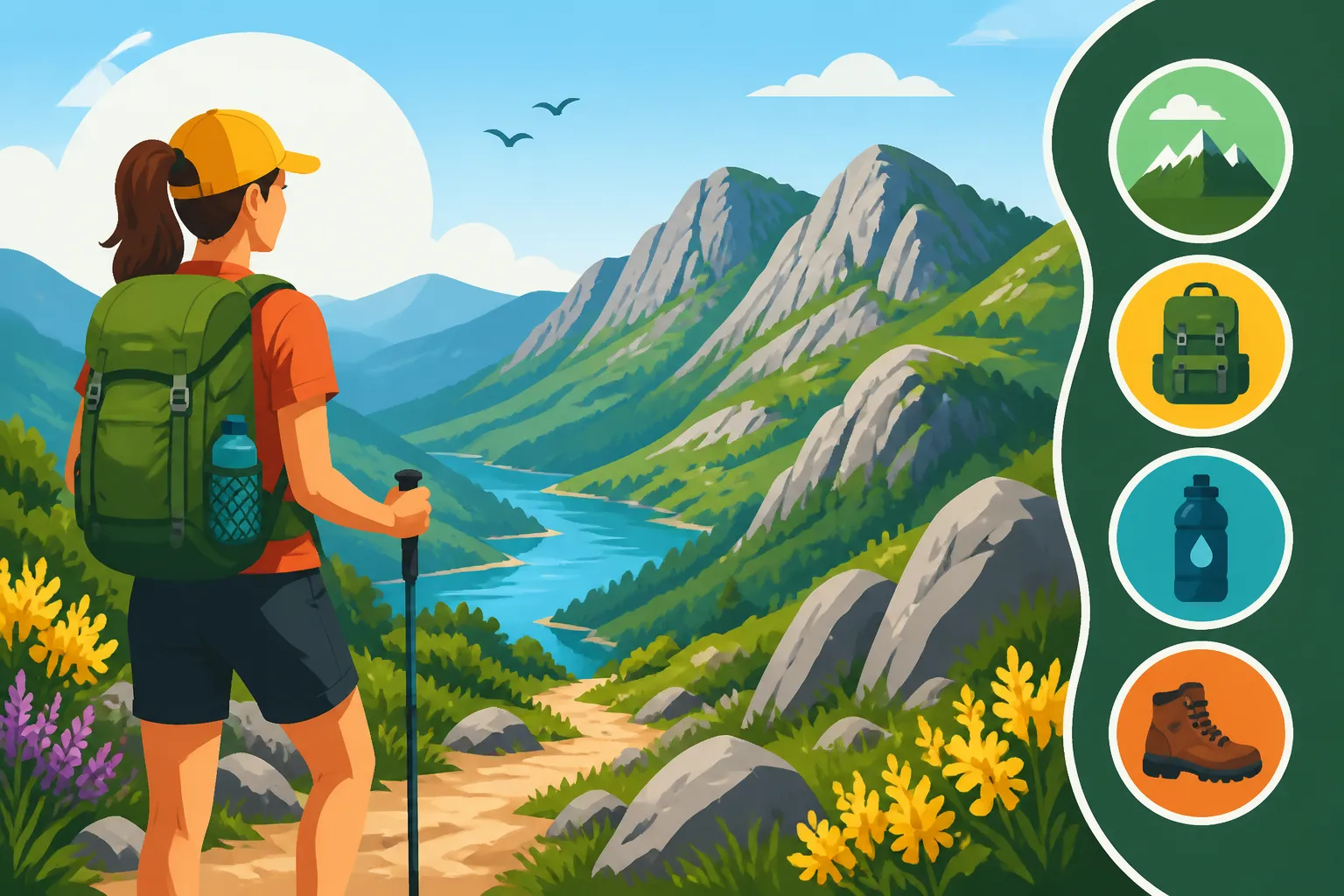
Here's what you absolutely need in your daypack:
- Water: More than you think you'll need. There aren't many shops or fountains once you're on the trail.
- Snacks: Energy bars, fruit, nuts – keep your fuel levels up.
- Layers of Clothing: The weather can change dramatically, especially at higher altitudes. Even in summer, evenings can be cool, and sudden rain showers are common. Think quick-dry materials. If you’re like me and arrived here from a warmer climate, you might even consider picking up some decent winter clothes in Portugal if you plan to hike in cooler months.
- Proper Footwear: Sturdy hiking boots or trail shoes with good ankle support and grip are essential. Those charming cobbled paths in old villages quickly turn into slippery, rocky ascents in the park.
- Map and Compass/GPS Device: While your phone might have GPS, reception can be spotty in remote areas. Download offline maps (like from Wikiloc or AllTrails) before you go. A physical map and compass are excellent backups.
- First Aid Kit: Blister plasters, antiseptic wipes, pain relievers, any personal medications.
- Sun Protection: Sunscreen, hat, sunglasses. The sun can be intense, even on cloudy days.
- Power Bank: To keep your phone charged for navigation and emergencies.
- Whistle: For emergencies.
- Headlamp/Flashlight: If you anticipate being out near dusk or in case of unexpected delays.
Safety First:
- Tell Someone Your Plans: Always let someone know where you're going and when you expect to be back.
- Check the Weather: Mountain weather can be unpredictable. Heavy rain can make trails slippery and rivers impassable.
- Don't Go Alone (if inexperienced): If you're new to hiking or the area, consider going with a friend or joining a guided tour.
- Respect Nature: Stay on marked trails, don't disturb wildlife, and take all your trash with you. This isn't just a suggestion; it's vital for preserving this unique ecosystem.
- Fire Safety: Especially in dry summer months, forest fires are a serious risk. Absolutely no open flames or smoking on trails.
Navigating Logistics: Getting There and Around
Getting to Peneda-Gerês is often the first logistical hurdle, and I'll validate your frustration upfront: public transport within the park is minimal to non-existent.
-
Public Transport (to the fringes): You can take a train to larger cities like Braga or Porto (check Omio for schedules and tickets). From there, you might find regional buses to towns on the park's periphery, such as Gerês village (Termas do Gerês), Arcos de Valdevez, Ponte da Barca, or Montalegre. However, these services are infrequent and won't get you deep into the park. Once you arrive, you'll likely need a taxi or a pre-arranged transfer to reach specific trailheads or accommodations.
- Internal Link Opportunity: If you're coming from the north, you might be interested in our guide on Porto Neighborhood Guide: Where to Live for Culture, Tech, and Family.
- Internal Link Opportunity: For general train travel, see Using Comboios de Portugal (CP) Trains and the Navegante Pass.
-
Car Rental (Recommended): For ultimate flexibility and to truly explore Gerês, renting a car is by far the best option. You can pick one up at major airports like Porto (OPO) or Lisbon (LIS). This allows you to drive to various trailheads, visit different villages, and easily access viewpoints. Remember that roads within the park can be narrow, winding, and sometimes steep.
- Internal Link Opportunity: If you're planning to drive, it's worth knowing about Navigating the Portuguese Toll System: Via Verde and Electronic Tolls.
- Internal Link Opportunity: For exchanging your license, check out Driving in Portugal: Exchanging Your Foreign License to a Portuguese One.
Where to Base Yourself:
- Gerês Village (Termas do Gerês): This is the most popular base, offering hotels, restaurants, and direct access to some trails and waterfalls. It can get busy, especially in summer.
- Castro Laboreiro: A charming, more remote village in the north of the park, ideal if you want a quieter, more authentic experience and access to different trails.
- Pitões das Júnias: Another incredibly remote and picturesque village, known for its monastery ruins, for those seeking true solitude.
- Rural Accommodations: Look for turismo rural or casas de campo outside the main villages. These often offer a more immersive experience. You can find many options on Booking.com.
On the Trail: Tips for a Rewarding Peneda-Gerês Experience
Now you're there, boots laced, pack on, ready to hit the trail. This is where the real adventure begins! But a few insider tips can make all the difference, especially when you encounter those uniquely Portuguese quirks.
Understanding Trail Markers and Local Signage
The good news is that many trails in Gerês are marked. The bad news is that sometimes, just when you need it most, a marker might be faded, covered by foliage, or simply non-existent. This is a common expat frustration throughout Portugal, not just in Gerês!
- PR (Pequena Rota) Trails: Look for horizontal stripes, one red and one yellow. These usually indicate the path. If you see an "X" made of these colors, it means the path is incorrect. A single stripe might indicate a change in direction.
- GR (Grande Rota) Trails: Marked with red and white horizontal stripes.
- Local Signage: Don't rely solely on English. Many signs will only be in Portuguese. Knowing a few key terms like trilho (trail), cascata (waterfall), miradouro (viewpoint), aldeia (village), and perigo (danger) can be incredibly helpful.
- Technology is Your Friend: Before you leave home, download the maps for your chosen trails on apps like Wikiloc, AllTrails, or Maps.me. These apps use your phone’s GPS to show your location on the map, even without data signal. This has saved my bacon more times than I care to admit!
- Internal Link Opportunity: Consider getting Best unlimited data eSIMs for digital nomads arriving in Portugal to ensure you have connectivity when possible for navigation.
My Personal Tip: Always pay attention to your surroundings. Take mental notes of landmarks, turn around occasionally to see what the path looks like from the other direction (it helps if you need to backtrack), and don't be afraid to ask locals for directions, even with a language barrier – a smile and a pointing finger go a long way!
Respecting Nature and Local Culture
Peneda-Gerês is a protected area, and it's also home to a resilient community of people who have lived here for generations. Your visit should be one of respect for both.
- Leave No Trace: This principle is paramount. Pack out everything you pack in. Do not litter, even biodegradable items. Stick to marked trails to protect fragile ecosystems.
- Wildlife: You might encounter wild garranos, deer, or even wolves (though a sighting is extremely rare). Observe from a distance and never feed wild animals.
- Fire Safety: I can't stress this enough. Portugal has suffered devastating forest fires. Absolutely no fires, barbecues, or smoking in prohibited areas, especially during summer. Be incredibly careful with anything that could spark.
- Local Communities: When passing through villages, remember that these are people's homes. Be quiet, greet locals politely (Bom dia! Boa tarde!), and consider buying a snack or a drink from a local shop or cafe. This supports the local economy and offers a glimpse into authentic Portuguese rural life.
- Internal Link Opportunity: To understand more about local interactions, read about Portuguese Coffee Culture and Restaurant Etiquette: Ordering Like a Local.
For those who want a deeper dive without the navigation stress, a guided tour can be invaluable. Companies listed on GetYourGuide often have local guides who can share insights into the park’s ecological significance, cultural traditions, and even pinpoint the best spots for photography that you might otherwise miss.
Where to Stay: From Wild Camping to Cozy Guesthouses
Your accommodation choice can significantly impact your Gerês experience. It's a vast park, and options range from rustic to comfortable.
- Official Campsites: If you love sleeping under the stars, there are designated campsites within or near the park boundaries. These usually have basic facilities and are a great way to stay immersed in nature. Wild camping is generally prohibited or heavily regulated, so stick to official sites to avoid fines and ensure safety.
- Rural Tourism (Turismo Rural): My personal favorite. These are often restored farmhouses or traditional homes, offering a blend of comfort and authentic local charm. They're usually family-run, providing a warm welcome and often delicious home-cooked meals featuring local produce. Many can be found in small villages and often have stunning views.
- Hotels and Guesthouses: The main village of Gerês (Termas do Gerês) has a variety of hotels, from budget-friendly to more luxurious, some with thermal spas. You'll also find smaller guesthouses (alojamento local) in other villages. Booking.com is an excellent resource for finding a wide range of options, from a cozy room to an entire villa for your group.
Regardless of your choice, especially if you're visiting during peak season (summer, long weekends, or school holidays), book well in advance. Options can fill up quickly, and you don't want to be stranded after a long day of hiking.
Post-Hike Relaxation and Exploration
After conquering trails and soaking in the wild beauty of Peneda-Gerês, it's time to treat yourself. And trust me, you'll have earned it! This is where you truly embrace the Portuguese way of unwinding.
Soaking in Thermal Waters and Local Delicacies
One of Gerês's most delightful features is its natural thermal springs. What better way to soothe those tired muscles after a challenging hike than by sinking into warm, mineral-rich waters?
- Termas do Gerês: The main village, Termas do Gerês, is famous for its spa. Here, you can enjoy a range of treatments, from thermal baths to massages, tapping into the therapeutic properties of the local waters. It’s a wonderful way to relax and rejuvenate before your journey home.
- Local Cuisine: You absolutely must indulge in the local gastronomy. The cuisine of this region is hearty, rustic, and incredibly flavorful, reflecting its agricultural traditions. Look for:
- Carne Barrosã: This is DOP-protected Barrosã beef, from the local breed of cattle. It's often served roasted or grilled, tender and rich.
- Cozido à Portuguesa: A traditional Portuguese stew, often prepared with local meats and vegetables, perfect for refueling.
- Local Cheeses: The region produces some fantastic artisanal cheeses.
- Vinho Verde: While not exclusively from this immediate area, the Vinho Verde region is nearby, and a crisp, refreshing glass of this unique "green wine" is the perfect accompaniment to any meal.
- Pão-de-Ló: A light, airy sponge cake that's a sweet local treat.
Sitting down to a delicious meal in a small, family-run restaurant after a long day of hiking is one of those quintessential Portuguese experiences that truly makes you feel like you've arrived. The warmth of the people, the simple yet profound flavors – it’s the perfect end to your adventure. You might even find yourself chatting with locals, despite any language barriers, with the shared appreciation for good food and the day's exertions bridging the gap.
Exploring Beyond the Trails: Roman Ruins and Historic Villages
While hiking is undoubtedly the main draw, Peneda-Gerês offers much more to explore if you have the time and energy. Don't rush out of the park!
- The Roman Military Road (Via Nova / Via Romana XVIII): Even if you didn't hike a long section of it, seeking out some of the remaining Roman milestones (miliários) can be a fascinating short excursion. These ancient markers, often bearing Latin inscriptions, are tangible links to a 2000-year-old past.
- Castro Laboreiro: This village, high in the mountains, is renowned not only for its hiking trails but also for its fascinating history and unique architecture. Explore the castle ruins, wander through its traditional granite houses, and learn about the local way of life.
- Pitões das Júnias Monastery: Venture to this incredibly remote village to discover the evocative ruins of a 12th-century Cistercian monastery, half-hidden in the landscape. It’s a truly atmospheric place that feels lost to time.
- Espigueiros: Keep an eye out for these traditional granite granaries, often found in clusters in villages like Lindoso or Soajo. They're unique architectural elements used to store and dry corn, raised on pillars to protect crops from rodents. They are incredibly photogenic and a testament to the region’s agricultural heritage.
- Viewpoints (Miradouros): Portugal is big on its viewpoints, and Gerês has some truly spectacular ones. Miradouro da Pedra Bela, for example, offers breathtaking panoramic views of the Cávado River valley and the surrounding mountains. These spots are usually accessible by car and provide incredible photo opportunities without needing a long hike.
Peneda-Gerês is more than just a national park; it's an experience that combines rugged adventure with deep cultural immersion. It can be challenging to navigate, frustrating at times with limited English, and sometimes physically demanding, but the rewards—the pristine nature, the ancient history, the warm hospitality, and the sheer sense of accomplishment—make it one of the most unforgettable places in Portugal. So, pack your bags, lace up your boots, and get ready to discover the wild heart of this incredible country.
Disclaimer
Please note that while this guide provides comprehensive information based on current knowledge and typical expat experiences, conditions in Peneda-Gerês National Park can change. Always check the latest local regulations, weather forecasts, and trail conditions before heading out. Information regarding services, facilities, and regulations is subject to change. This guide is for informational purposes only and does not constitute professional advice.