Health Centres (Centros de Saúde) in Portugal: How They Work
Disclosure: This article contains affiliate links. If you buy through them, we may earn a commission at no extra cost to you. Read our full disclosure.
Navigating the Portuguese public health system can feel like trying to solve a puzzle where the pieces keep changing shape. I remember standing outside my local health centre in the chilly morning air of Graça, clutching my passport and praying I’d get a spot for a routine check-up, only to realize the "system" was far more nuanced than a simple walk-in. This guide demystifies the Health Centres (Centros de Saúde) in Portugal, ensuring you know exactly how to access care without the stress.
Understanding the Role of the Centro de Saúde
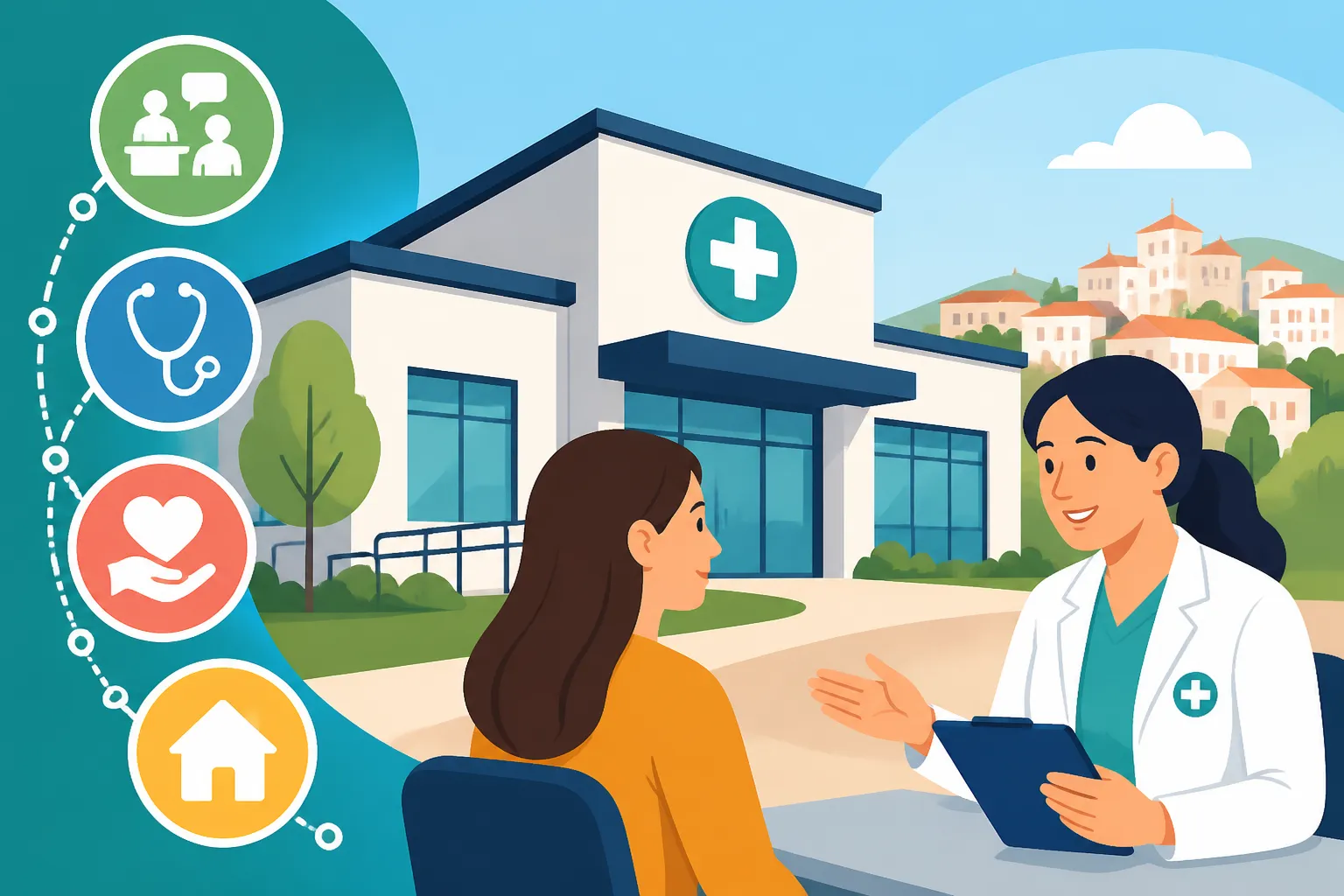
The Centro de Saúde is the heartbeat of the Portuguese National Health Service (SNS). Unlike many countries where you might first seek out a private general practitioner, in Portugal, the health centre is your primary point of entry for almost everything non-emergency related. It is designed to be a community-based hub providing preventative care, routine consultations, and essential medical services.
Primary Care vs Hospital Care
One of the first things I learned—the hard way—is that you don’t go to a hospital for a sore throat or a prescription refill. Hospitals in Portugal are reserved for emergencies and specialized secondary care. The Centro de Saúde handles your daily needs. This is where your medical history is lived and recorded. If you need a blood test, a vaccination, or a referral to a specialist, it almost always starts here. This community-focused model is excellent for continuity of care, but it does mean that the centers can be quite busy, especially in high-density areas like Lisbon or Porto.
While the public system is robust, many expats choose to supplement this with private options. For those just arriving or moving frequently, Using Cigna Global or Allianz for international expat healthcare in Portugal can provide a safety net while you wait for your public registration to finalize. Similarly, digital nomads often rely on SafetyWing for flexible coverage during their first few months in the country.
The Gateway to the SNS
Think of the health centre as your administrative anchor. You cannot access the broader benefits of Portugal's National Health Service (SNS): How the Public System Works without being registered at your local center. It is here that you are assigned to a specific geographical catchment area based on your residence. This registration is what connects you to the entire network of public hospitals and specialists across the country.
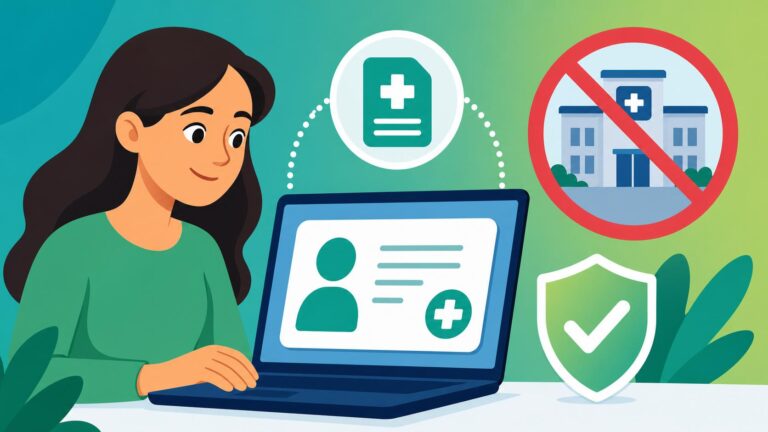
The health centre is also where you manage your digital health presence. Once registered, your data flows into the national system, allowing any public doctor in the country to see your history. It’s a highly integrated system, but it requires that initial, sometimes tedious, physical registration step at the desk of your local unidade.
Registering and Getting Your Número de Utente
Your Número de Utente (User Number) is the golden ticket to healthcare in Portugal. Without it, you are effectively a ghost in the system, liable to pay full private rates even in public facilities. I spent my first month in Portugal confused about whether my NIF (Tax Number) was enough—it isn't. You need a dedicated health number.
Required Documentation for Expats
To register, you usually need to visit the health centre that corresponds to your freguesia (parish). You’ll need your passport, your residency permit (or proof that you’ve applied for one), and your NIF. Crucially, you must provide proof of address, such as a rental contract or a utility bill. If you are an EU citizen, your S1 form or EHIC can be vital here. For non-EU citizens, Health Insurance Requirements for the D7 and D8 Visa Application often dictate that you have private coverage initially, but you should still register for your health number as soon as you have your residency card.
Many newcomers get turned away because their proof of address wasn't "official" enough. If your name isn't on a utility bill yet, a certificate from your local Junta de Freguesia (parish council) is usually accepted. This involves getting two neighbors to sign a paper stating you live there—a quirky, old-school Portuguese administrative hurdle that actually works.
The Online Registration Shortcut
The push for digitalization has made it easier to start this process. You can often find guides on How to get your Número de Utente online without visiting the health center, which involves emailing your local administrative health authority (ARL). However, be warned: while the number can sometimes be issued via email, you will still eventually need to visit your physical Centro de Saúde to be fully "activated" in their local database and to request a family doctor.
If you find the bureaucratic wait times for the public number too long, having a policy with Cigna Global allows you to bypass the public queue for non-essential consultations by using private clinics like CUF or Hospital da Luz while your public registration processes.
Navigating Appointments and Consultations
Once you’re in the system, the next hurdle is actually seeing a doctor. The Centro de Saúde operates on two main tracks: scheduled appointments and the Consulta Aberta (Open Consultation).
Scheduled vs Walk-in Appointments
For non-urgent issues, like a routine check-up or discussing chronic medication, you book a Consulta de Seguimento. You can often do this via the SNS 24 portal or in person. However, if you wake up with a sudden ear infection or a high fever, you use the Consulta Aberta. This is a walk-in service, usually starting early in the morning.
My advice? If you need a walk-in slot, arrive 30 minutes before the doors open. In popular neighborhoods, the "slots" for the day can be filled by 9:00 AM. It feels primitive to stand in a queue on the sidewalk, but it’s the most reliable way to be seen for acute, non-emergency issues. If the wait looks impossible, remember that SNS 24 Helpline (808 24 24 24): Triage, Advice, and Sick Notes can often provide over-the-phone triage and even schedule an appointment for you, saving you the trip.
The Reality of the Family Doctor Shortage
We have to be realistic: Portugal is currently facing a significant shortage of Médicos de Família (Family Doctors). Many expats—and locals—are registered at a center but are "on the list" waiting for an assigned doctor. This means when you go for an appointment, you might see a different doctor each time.
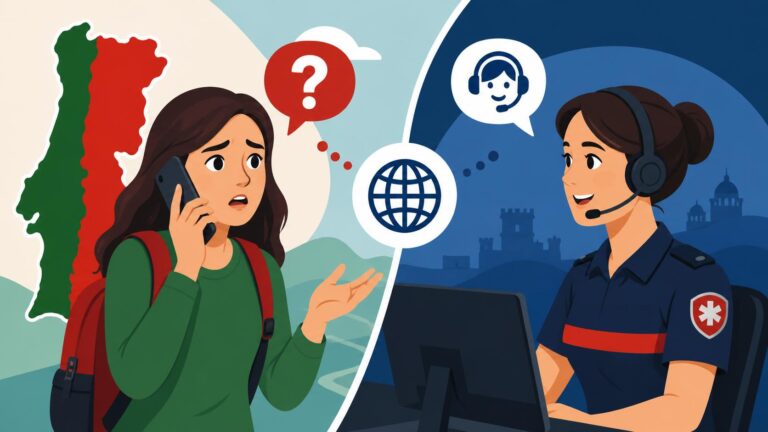
Finding an English-Speaking General Practitioner (Médico de Família) can be a stroke of luck in the public system. Most younger doctors speak excellent English, but the administrative staff at the front desk might not. It’s always helpful to have a few Portuguese phrases ready or a translation app on your phone. If having a consistent, English-speaking doctor is a priority for you, this is where the Public vs Private Healthcare in Portugal: Which One Should Expats Choose? debate becomes relevant, as private insurance often guarantees a fixed primary physician.
Costs, Fees, and Exemptions
One of the best things about the Portuguese system is the cost. It is largely funded through taxation, meaning the out-of-pocket expenses are minimal compared to North American or even some other European systems.
Understanding Taxas Moderadoras
In the past, you had to pay a small co-payment called a taxa moderadora for every visit or exam. As of recent reforms leading into 2026, most of these fees have been abolished for primary care at health centres. You generally no longer pay to see your GP or for most basic nursing services at the Centro de Saúde.
However, you might still encounter small fees for certain specialized diagnostic tests or if you go to a hospital emergency room without a referral from the health centre or the SNS 24 line. Understanding Taxas Moderadoras: Co-payments and Costs in the Public Health System is still useful for those rare occasions where fees apply, but for the average visit to your local clinic, expect to pay zero or a very nominal amount (usually under €5).
Who Qualifies for Free Healthcare
While most services at the health centre are now free at the point of use for residents, certain groups have even broader exemptions. This includes pregnant women, children, and people with specific chronic illnesses or proven low income. If you fall into these categories, ensure your status is updated in the system to avoid any automated billing for secondary services.
For those not yet fully resident or those on short-term visas, the costs can be higher. This is why services like SafetyWing are so popular for the "in-between" period; they cover those unexpected medical costs before you are fully integrated into the SNS.
| Service Type | Typical Cost (Public) | Typical Cost (Private without Insurance) |
|---|---|---|
| General Consultation | €0 – €5 | €40 – €80 |
| Nursing (Dressings/Vitals) | €0 | €15 – €30 |
| Routine Blood Tests | €0 – €10 (varies) | €30 – €150 |
| Specialist Referral | €0 | €70 – €120 |
| Vaccination (National Plan) | €0 | €20 + cost of vaccine |
Specialized Services at the Health Centre
The Centro de Saúde is more than just a place to see a doctor. It houses a variety of specialized units that handle everything from prenatal care to geriatric support.
Nursing, Vaccinations, and Family Planning
The nursing station is perhaps the busiest part of the center. This is where you go for flu shots, wound care, or blood pressure monitoring. Portugal has a very strict and effective National Vaccination Plan. If you have children, the health centre is where they will receive their scheduled shots and their Boletim de Vacinas (vaccination book).
Family planning (Planeamento Familiar) is another critical service. This includes free or low-cost contraception, cervical cancer screenings, and pregnancy follow-ups. Many expat women find the Women’s Health and Maternity Care in Portugal: Pregnancy and Birth services at the health centres to be surprisingly comprehensive, providing a personal level of care that rivals private clinics.
Mental Health and Social Services
Increasingly, health centres are integrating mental health professionals and social workers. While the wait times for a psychologist in the public system can be long, the health centre is your starting point for a referral. They can also help with social issues, such as domestic support for the elderly or navigating the bureaucracy of disability benefits. For more immediate needs, Mental Health in Portugal: Finding Therapists and Psychiatrists for Expats often involves looking into private or online options like Cigna Global's telehealth modules.
Digital Tools and the SNS 24 Ecosystem
Portugal has invested heavily in digital health. The "SNS 24" brand is the umbrella for several tools that make the health centre experience much smoother.
Using the SNS 24 Portal and App
I cannot stress this enough: download the SNS 24 app and set up your Portal do Utente access as soon as you have your health number. This portal allows you to see your medication history, book appointments, and—most importantly—access your "User Guide" which lists your assigned doctor.
One of the most life-saving features is the Receita Sem Papel (Paperless Prescription). When your doctor renews your medication, you receive an SMS with a code. You simply show this code at any Pharmacies and Medication in Portugal: Prescriptions and OTC Drugs, and they dispense your medicine. No more losing paper slips or needing to visit the clinic just for a refill.
Telehealth as a Supplement to Local Care
If your local health centre is overwhelmed, the SNS 24 phone line is a powerful tool. They can issue a Guia de Prestação de Cuidados, which acts as a digital referral, sometimes allowing you to bypass the initial health centre queue for urgent but non-life-threatening issues.
For those who prefer a private digital experience, Telehealth and Online Doctors: Using TravelDoctores and Doctorsa are excellent alternatives. These services are often covered by international plans like SafetyWing and provide quick access to English-speaking doctors for minor ailments, prescriptions, or travel advice without leaving your living room.
Practical Tips for Your First Visit
Walking into a Centro de Saúde for the first time can be intimidating. Here is a checklist to ensure it goes smoothly:
- Check Your Catchment: Ensure you are at the correct center for your address. Use the SNS website to find your designated Unidade de Saúde Familiar (USF).
- Bring a Translator App: While doctors speak English, the administrative staff (the ones who handle your registration and appointments) often do not.
- Validate Your Invoices: If you ever do pay a small fee, make sure they have your NIF on file. You can later see these in the e-Fatura guide: Why cashiers ask for your NIF at the supermarket and potentially deduct them from your taxes.
- Be Patient: The system is under pressure. A smile and a polite "Bom dia" go a long way. The staff are often overworked but genuinely want to help.
- Use the 'Livro de Reclamações': If you face genuine mistreatment or a systemic failure, every center has a yellow complaint book. It is a legally mandated way to provide feedback that the government actually reviews.
The health centre system is a reflection of Portugal itself: a bit bureaucratic, occasionally slow, but deeply human and accessible to everyone who calls this country home. By understanding the rules of the game, you can navigate the SNS with confidence and focus on enjoying your life in the sun.
Disclaimer
The information provided in this article is for general informational purposes only and does not constitute professional medical or legal advice. While we strive to keep the information up to date and correct, we make no representations or warranties of any kind about the completeness, accuracy, or reliability of the content. Always consult with a qualified medical professional or a legal expert regarding your specific situation in Portugal.