Consumer rights: How to dispute a fraudulent credit card charge in Portugal
Disclosure: This article contains affiliate links. If you buy through them, we may earn a commission at no extra cost to you. Read our full disclosure.
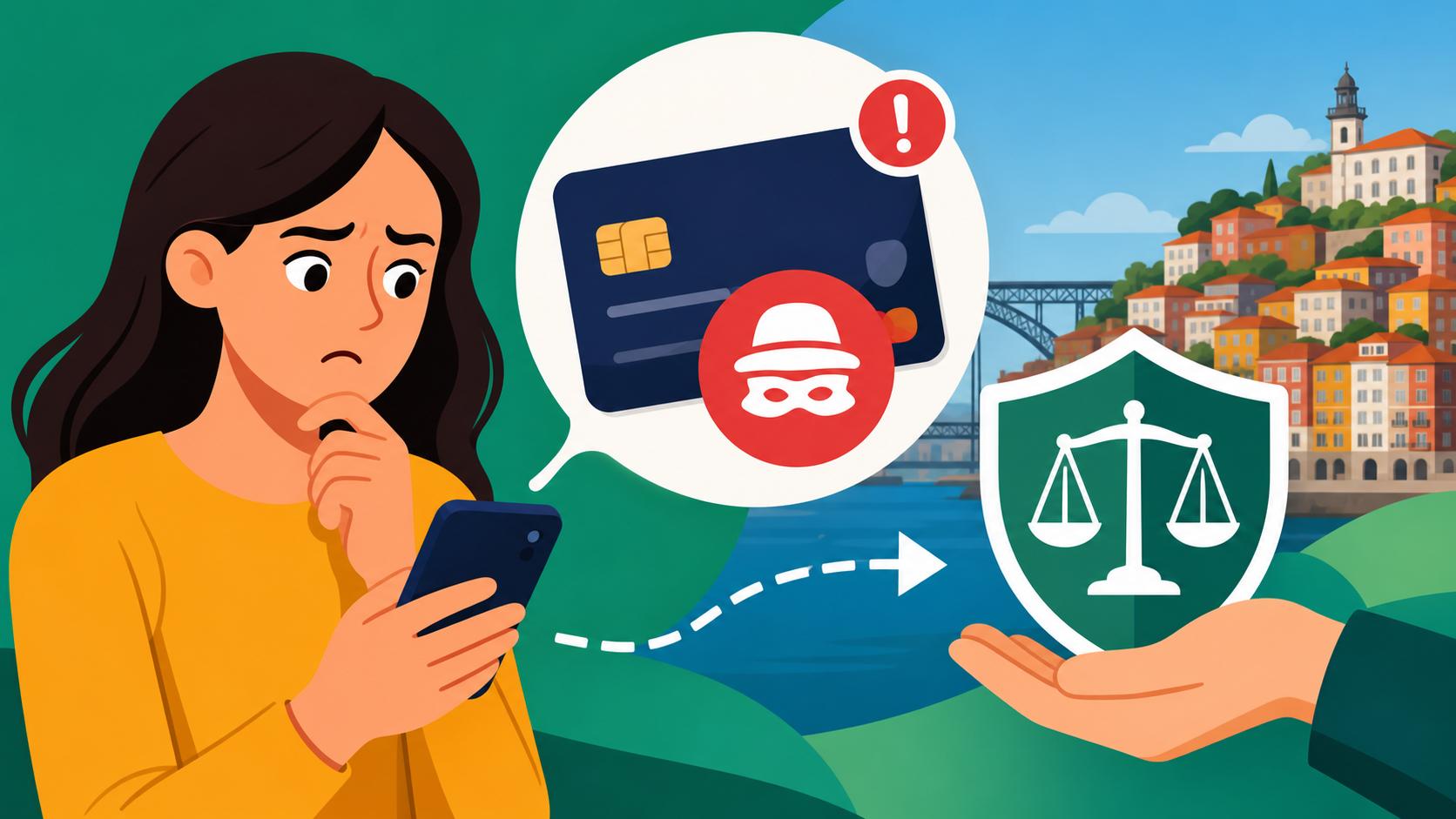
Finding a mysterious, unauthorized withdrawal on your Portuguese bank statement is a rite of passage no expat wants to experience. I still remember the cold sweat I broke into when I saw three consecutive charges from a high-end electronics store in Almada while I was sitting in a café in Coimbra. This guide solves the confusion of navigating the Portuguese banking bureaucracy to reclaim your stolen funds.
Immediate Steps to Take When You Spot Fraud in Portugal
The moment you realize your card information has been compromised, your primary objective is damage control. In Portugal, the speed at which you act can significantly influence the bank’s willingness to reimburse you without a fight. Traditional banks like Millennium bcp or Caixa Geral de Depósitos (CGD) have 24/7 fraud hotlines, but the first thing you should do is use your banking app to "cancel" or "freeze" the card.
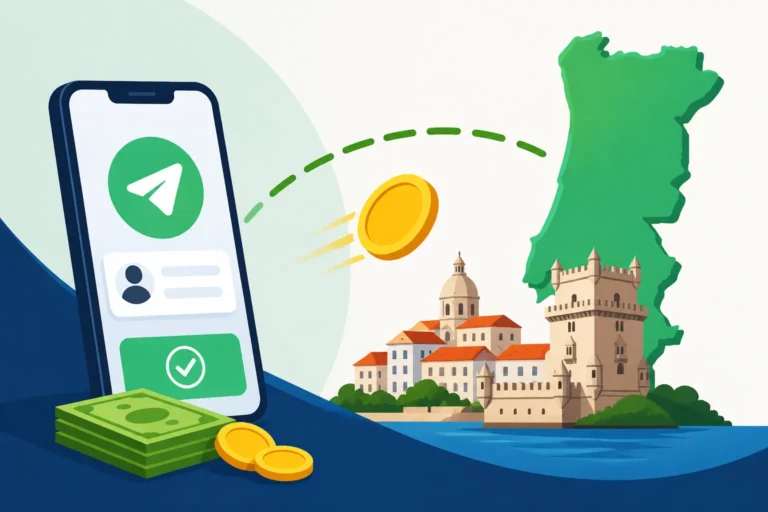
If you are using modern fintech options, the process is usually instantaneous. For example, if you have your funds in a digital wallet or are using a card from Wise, you can toggle the "Freeze Card" button in seconds. This prevents any further "contactless" or online transactions from draining your account while you get on the phone with customer service. Most veterans will tell you that having a backup account is essential for this very reason; you don't want to be stuck in a foreign country with your only card disabled.
Once the card is frozen, you must call the bank's official "Linha de Apoio." Be prepared for a bit of a wait, especially if it is a weekend. If your Portuguese isn't fluent yet, immediately ask, "Pode falar em Inglês, por favor?" Most fraud departments at major institutions have English-speaking staff. They will ask you to identify the specific transactions that are fraudulent. Write down the transaction IDs, the dates, and the exact amounts before you call to make the process smoother. For those still in the early stages of relocation, Opening a Bank Account in Portugal: Best Banks for Foreigners and Expats often comes down to which bank has the best English-speaking support for these exact scenarios.
Reporting the Crime to Portuguese Authorities
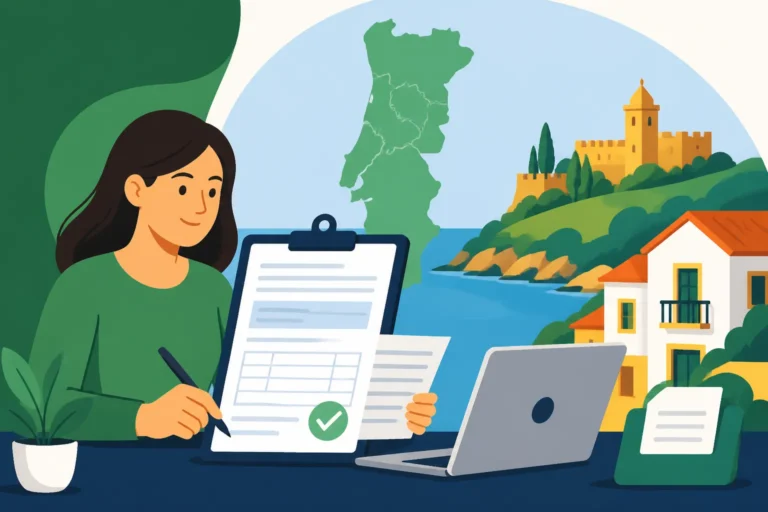
In Portugal, a bank will almost never finalize a fraud claim without an official police report, known as a Participação Criminal. You cannot simply tell the bank you were robbed; you must prove you have notified the state. You have two main options here: visiting a local station or using the online portal. If you prefer face-to-face interaction, you can go to a PSP (Polícia de Segurança Pública) or GNR (Guarda Nacional Republicana) station.
The online method is often much more convenient for expats. The Portal da Queixa Eletrónica allows you to submit a report for "Burla Informática e nas Comunicações" (Computer and Communications Fraud). You will need your NIF, your residence permit or passport details, and a clear description of what happened. Once submitted, you will receive a digital document with a reference number. This document is your "golden ticket" for the bank's chargeback department. Many foreigners find this step intimidating, but the authorities are generally used to dealing with credit card fraud, especially in tourist hubs like Lisbon and Porto.
Notifying Your Financial Institutions and Apps
If the fraud occurred on a card linked to an investment platform or a crypto exchange, you have an extra layer of notification to complete. For instance, if you noticed the charge originated from your Trade Republic card or involved your Binance account, you must contact their specific security teams immediately. These platforms often have different internal protocols for "reversing" a transaction compared to a traditional Portuguese bank.
While a traditional bank might take weeks to investigate, fintechs often move faster but require more "digital proof," such as screenshots of the unauthorized login attempts. Always ensure that your MB Way is also secured during this time. Since Using the MB Way app: Why it’s better than carrying cash in Portugal is so common, hackers often try to gain access to your phone number to authorize "ghost" payments. If your phone was stolen along with your card, you must contact your mobile provider (MEO, NOS, or Vodafone) to block the SIM card immediately.
The Chargeback Process and Portuguese Banking Regulations
Under the revised Payment Services Directive (PSD2), which is strictly enforced in Portugal as of 2026, consumers have robust protections against unauthorized transactions. If a transaction was made without your consent—meaning you didn't provide a PIN or a 2FA (Two-Factor Authentication) code—the bank is legally required to refund you almost immediately, usually within one business day, pending a full investigation.
However, there is a catch: "Gross Negligence." If the bank can prove you wrote your PIN on the back of the card or shared your SMS code with a stranger over the phone, they can deny the claim. This is why it is vital to emphasize in your report that you maintained full control of your security credentials. In Portugal, Credit cards in Portugal: Why debit cards (Cartão de Débito) are preferred by many locals because they feel they have more direct control, but credit cards actually often offer better "chargeback" (estorno) protections under Visa and Mastercard network rules.
Timelines for Disputing Charges in Portugal
You generally have up to 13 months to dispute an unauthorized transaction under EU law. However, for "authorized" transactions where the amount was simply incorrect (like a rental car agency charging you an extra €500 for a scratch that was already there), the window is much shorter—usually 8 weeks. Do not wait. The longer you wait, the more "negligent" you appear to the bank's auditors.
When you submit your claim, the bank will open an internal case. They will contact the "Merchant Acquirer" (the bank of the shop where the money was spent). The shop then has a set period to provide evidence that the transaction was legitimate. If they can’t prove it was you, the money stays in your account. This process can feel like a game of shadows, but as long as you have your police report and have followed the "immediate steps" mentioned above, the law is on your side.
| Step | Action Required | Responsible Entity | Estimated Timeframe |
|---|---|---|---|
| 1 | Freeze/Cancel Card | User via App/Phone | Instant |
| 2 | File Police Report | User (Online/PSP) | 1-2 hours |
| 3 | Formal Dispute Claim | Bank Fraud Dept | 24-48 hours for temporary credit |
| 4 | Investigation | Bank & Merchant | 30 to 90 days |
| 5 | Final Resolution | Bank | Notification via mail/app |
Using the Livro de Reclamações for Denied Claims
If your bank is being difficult—which, let's be honest, happens more than we'd like in the Portuguese "amanhã" culture—you have a secret weapon: the Livro de Reclamações (Complaints Book). Every bank branch is required to have a physical yellow book, and there is also a digital version. Filing a complaint here isn't just "venting"; it goes directly to the Banco de Portugal (the central bank) for review.
Banks in Portugal are terrified of the central bank's audits. If you feel your consumer rights are being ignored, mention that you are prepared to file a formal entry in the Livro de Reclamações. Mentioning that book often prompts bank staff to become much more "helpful." Understanding What is the 'Livro de Reclamações' and how does it solve consumer disputes? is perhaps the most important piece of "insider knowledge" an expat can have. It is the only way to bypass the low-level clerk who keeps telling you there is "nothing they can do."
Strategic Tips for Dealing with Specific Account Types
The way you handle a dispute depends heavily on the "pipes" the money moved through. Portugal's financial landscape is unique because of the Multibanco network. Most "debit" cards in Portugal are actually dual-network cards: they function as "Multibanco" inside the country and "Visa/Mastercard" outside (or for online shopping).
If a fraudulent charge happens through the Multibanco system (like a physical ATM withdrawal), the rules of the Banco de Portugal apply strictly. If the fraud happened on an international site like Amazon or a travel portal, the Visa/Mastercard "Zero Liability" policies usually kick in first. This distinction is why you might hear different advice from different expats. It’s also a reason to be careful when you How to use the Multibanco ATM network to pay taxes, tolls, and utility bills, as these systems are deeply integrated into your daily life and can be a gateway for sophisticated phishing.
Traditional Banks vs. Neobanks (Wise and Trade Republic)
Traditional Portuguese banks (Santander, Novobanco, ActivoBank) often require more paperwork. They might ask you to sign a physical "Declaração de Fraude" at a branch. While this is annoying, it can actually be faster because you are putting a face to the name. Neobanks and fintech platforms like Wise or Trade Republic operate entirely through digital tickets.
While Wise is excellent for moving money and offers great virtual card security, if a complex fraud case occurs, you might find yourself stuck in a loop of automated emails. The trick here is to be persistent and use their social media "help" handles if the ticket isn't moving. For those using Trade Republic for their savings, remember that your cash is often held in an omnibus account at a partner bank; if the card linked to that account is used fraudulently, the dispute might involve multiple layers of European banking regulations.
Cryptocurrency and Advanced Finance Platforms
Fraud involving platforms like Binance is notoriously difficult to reverse because of the nature of blockchain transactions. However, if the fraud involved your Binance Visa Card, you are protected by the same Mastercard/Visa rules as any other cardholder. The "on-chain" transactions (sending Bitcoin to a scammer) are usually gone forever, but "off-chain" card fraud is a different story.
Never give your 2FA codes to anyone claiming to be "Binance Support" on Telegram or WhatsApp. In Portugal, "Phishing" and "Vishing" (voice phishing) are the most common ways foreigners lose their money. Scammers often pose as staff from the "Finanças" department or even the "Police" telling you that you have an unpaid fine. If you ever actually have a fine, you should know How to pay a Portuguese traffic fine (Multa) using the Portal das Finanças through the official channels only.
Preventive Measures to Protect Your Finances in Portugal
The best way to win a dispute is to never have to start one. In my years here, I've learned that the Portuguese "Multibanco" system is incredibly safe, but the "human element" is the weak link. You should always have SMS or Push notifications turned on for every single cent that leaves your account. If you don't recognize a charge, you can catch it while the transaction is still "pending."
Using virtual cards is another lifesaver. Most modern apps allow you to create a "disposable" card for one-time use. If you are ordering a pizza or buying a flight from a site you don't totally trust, use a virtual card and then delete it. This ensures that even if their database is hacked later, your real card details are nowhere to be found.
Physical Security at ATMs and Restaurants
Skimming is still a reality, especially in high-traffic tourist areas. When using a Multibanco, always give the card slot a little wiggle. If it feels loose or looks like it was glued on, walk away. When dining out, never let the waiter take your card away to the "back" to process the payment. In Portugal, it is standard for them to bring the portable terminal (TPA) to your table. If they don't, follow them to the counter.
Additionally, be wary of "Euronet" ATMs. While not fraudulent in the legal sense, their exchange rates and fees are predatory. We always recommend that expats How to avoid ATM withdrawal fees from Euronet machines in tourist areas by sticking to the official red-and-silver Multibanco machines managed by the actual banks. Your wallet will thank you, and your data is much safer in a machine inside a bank lobby than one on a random street corner in Bairro Alto.
Setting Up Your "Financial Fortress"
Finally, make sure your contact information is always up to date with the bank. If they suspect fraud, they will try to call or SMS you immediately. If you are still using a foreign number, these alerts might not arrive in time. Getting a local SIM and updating your bank profile is a "Day 1" task for any serious expat.
If you are just starting your journey and feeling overwhelmed by the technicalities, it helps to have a checklist. A good Health checklist for your first 30 days living in Portugal as an expat usually focuses on medical care, but your financial health is just as important. Take the time to set up your MB Way, secure your login with biometric data, and keep a physical list of your bank's emergency "loss of card" numbers in a safe place at home.
Disclaimer
This article provides general information for expats living in Portugal and does not constitute legal or professional financial advice. Banking regulations and consumer rights may change; always consult with your specific financial institution or a qualified legal professional regarding your individual fraud case. Not all unauthorized transactions are guaranteed to be refunded, especially in cases of proven gross negligence.