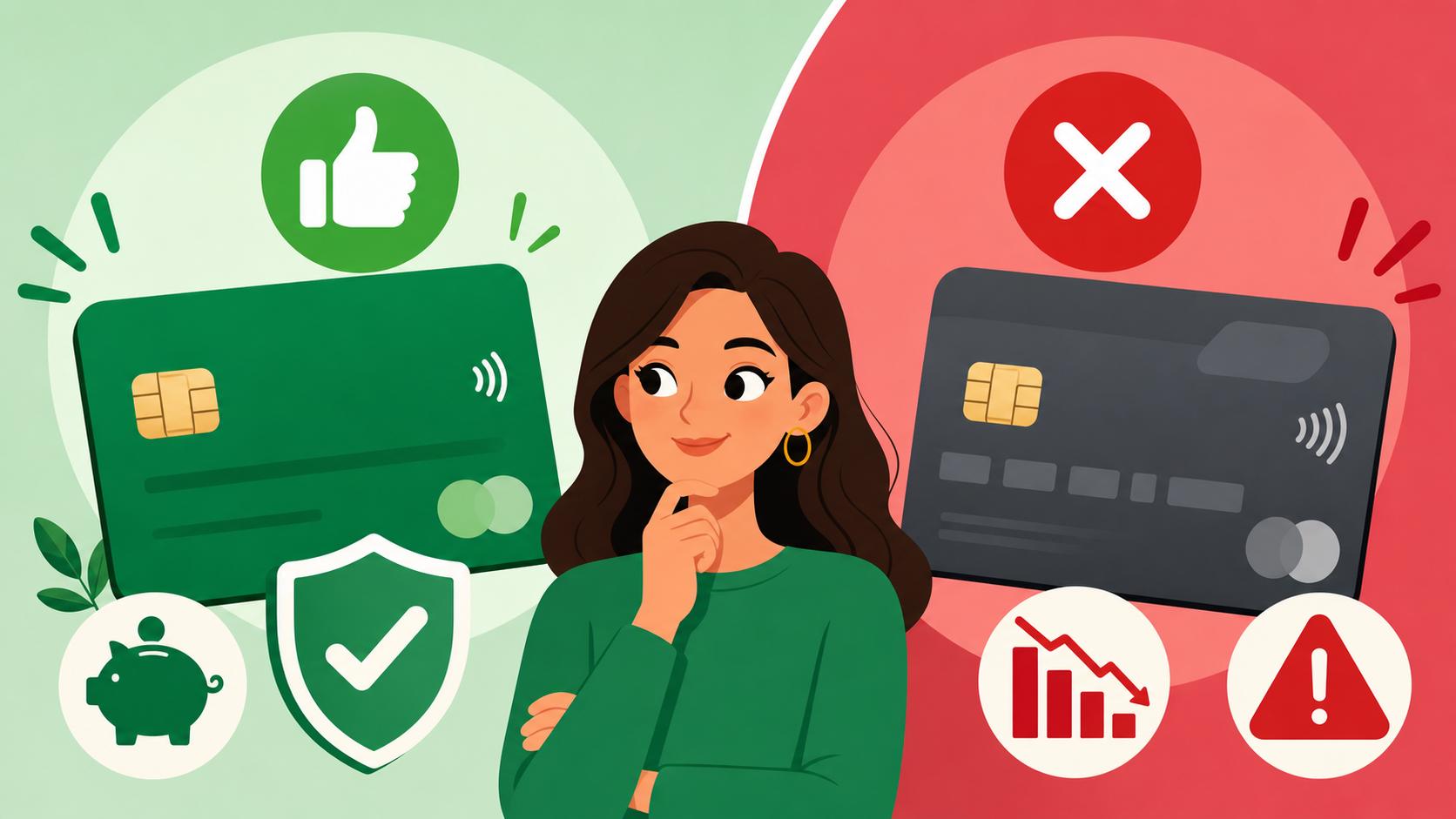
Credit cards in Portugal: Why debit cards (Cartão de Débito) are preferred
Disclosure: This article contains affiliate links. If you buy through them, we may earn a commission at no extra cost to you. Read our full disclosure.
You walk into a charming local bakery in a quiet corner of Graça, the smell of fresh pão de Deus filling the air. You reach for your sleek, metal premium credit card to pay for a two-euro breakfast, only to be met with a polite but firm "Only Multibanco" or "Cash only under ten euros." I’ve stood there, red-faced and empty-handed, more times than I care to admit during my first year in Lisbon. This guide explains why the Portuguese financial landscape remains fiercely loyal to debit cards and how you can adapt your spending habits to thrive in this cash-and-debit culture.
Understanding the Multibanco Culture and Why Credit Cards Fail
The biggest hurdle for any newcomer is realizing that "Multibanco" is not just a brand of ATM; it is a sophisticated, national interbank network that governs almost every transaction in the country. In most nations, Visa and Mastercard act as the primary rails for payments. In Portugal, the Multibanco system (SIBS) sits on top of or alongside these international giants. For a merchant, accepting a "Multibanco" payment (which is almost always a debit transaction) is significantly cheaper than processing a transaction through the international credit networks. This is why you will often see a sticker on a shop door that looks like a blue and white "MB"—that is your signal that your local debit card is welcome, but your foreign credit card might not be.
Many small business owners, from the local frutaria to the family-run restaurante, operate on thin margins. When you use a credit card, the processing fees can be double or triple what a standard debit transaction costs the merchant. Furthermore, credit card payments often take longer to settle into the merchant's bank account. Some shopkeepers keep a credit card terminal active only for tourists during the high season, because outside it they cannot justify the monthly fees. This local reality is a core part of Money and Finance in Portugal: The Ultimate 2026 Guide for Expats, as it dictates your daily liquidity and where you can actually spend your money.
Technically, many Portuguese debit cards are "co-badged." This means they have the Multibanco chip for domestic use and a Visa or Mastercard logo for international use. However, the card machines (TPAs) in many smaller shops are programmed to only "speak" Multibanco. If your card is purely a foreign credit card, it’s like trying to plug a square peg into a round hole. The machine simply won't recognize the network. This is a common frustration when Opening a Bank Account in Portugal: Best Banks for Foreigners and Expats, as expats often expect their shiny new account to come with a high-limit credit card, only to receive a standard debit card that works everywhere.
Debit Cards vs. Credit Cards: The Portuguese Mindset
There is a deep-seated cultural aversion to consumer debt in Portugal that contrasts sharply with the "credit-first" mentality of the US, UK, or Canada. For most Portuguese people, if the money isn't in the account, the purchase doesn't happen. Using a credit card for daily groceries is often viewed with skepticism, sometimes even seen as a sign of financial distress rather than a way to "earn points." This cultural nuance is why the most popular payment method is the debit card, which provides an immediate deduction from the user’s balance. You will notice this when you look at the details of Understanding Portuguese Pay Slips: Gross vs Net Salary and Deductions, where the focus is on managing what is actually earned rather than leveraging future income.
When you do use a card at a larger retailer like Continente or Zara, the terminal will often ask you: "Débito ou Crédito?" (Debit or Credit?). For an expat, this is a trick question. Even if you are holding a debit card, choosing "Crédito" might route the payment through the Visa/Mastercard network instead of the Multibanco network. If you have a Portuguese bank account, always choose "Débito" to ensure the transaction goes through smoothly and without extra fees for the merchant. If you are using a foreign card, you may be forced to choose "Crédito" just to get the machine to communicate with your home bank. This distinction is vital when Building Credit in Portugal: Do Credit Scores Matter for Mortgages?, because while you might want to show "activity," daily spending on credit doesn't impact your local standing the same way it does back home.
Despite the dominance of debit, credit cards do have their niche in Portugal. They are almost exclusively used for large, "safe" purchases or travel. For example, if you are renting a car for a weekend trip to the Douro Valley, the rental agency will almost certainly demand a credit card for the security deposit. They generally will not accept a debit card—even a "premium" one—because they cannot "lock" the funds in the same way. Similarly, some high-end hotels or online flight bookings prefer credit for the added consumer protection. Beyond these specific cases, however, the credit card usually stays in the back of the wallet.
| Payment Feature | Portuguese Debit (Multibanco) | International Credit Card |
|---|---|---|
| Merchant Acceptance | Virtually 100% (with MB logo) | Limited in small shops/cafes |
| Transaction Fees | Low/None for user | Potential foreign exchange fees |
| MB Way Integration | Full functionality | Limited/None |
| Cash Withdrawals | Free at all MB ATMs | High interest and cash advance fees |
| Consumer Protection | Basic | High (Chargebacks/Insurance) |
| Car Rental Deposits | Rarely accepted | Mandatory |
Practical Solutions for Expats: Navigating Daily Payments
If you are just arriving and haven't yet navigated the hurdles of getting your NIF, you likely don't have a local bank account yet. In those first few weeks, a standard foreign credit card will fail you at the post office (CTT), at many government offices, and in local pharmacies. To bridge this gap, it is wise to use a fintech solution. Wise is an absolute lifesaver here. You can hold a balance in Euros and use their debit card, which is widely accepted in most larger Portuguese terminals that accept Visa/Mastercard. While it still might not work at a tiny "Multibanco-only" shop, it is much more reliable and cost-effective than using a traditional bank's credit card with 3% foreign transaction fees.
For those looking to keep their money working while they settle in, Trade Republic offers a fantastic alternative. Since most traditional Portuguese banks offer nearly zero interest on their current or savings accounts, keeping your "operating capital" in an account that earns a high yield while providing a card for spending is a smart move. It allows you to maintain the liquidity you need for things like Moving to Portugal with Kids: Schools, Childcare, and Family Life—where you'll be paying for everything from school supplies to extracurriculars—while still growing your savings. It’s the perfect "middle ground" for an expat who isn't ready to fully commit to the local banking bureaucracy but needs to pay for daily life in Euros.
Once you finally have your local NIF and a Portuguese bank account, you must set up MB Way. This is the "holy grail" of Portuguese payments. It is a mobile app linked to your debit card that allows you to send money to friends via phone number, generate virtual credit cards for safe online shopping, and—most importantly—pay at almost any shop by scanning a QR code. Even the smallest stalls at a Saturday market are starting to accept MB Way. It bypasses the need for a physical credit card and is significantly more convenient than carrying a bulky wallet. If you are Transferring Money to Portugal: Saving on Exchange Rates and Fees, getting those funds into an account compatible with MB Way should be your top priority.
Advanced Financial Integration and Security
As you become more settled, you might find that your financial life becomes a bit more complex, especially if you are a digital nomad or an investor. Portugal is becoming a hub for the tech-savvy, and this includes the world of digital assets. While you won't be paying for your galão with Bitcoin anytime soon, platforms like Binance are increasingly used by expats to manage their portfolios. If you are moving large sums or managing wealth, you'll need to stay aware of Cryptocurrency Tax Laws in Portugal 2026: 28% Rule vs 1-Year Exemption to ensure your "debit-based" lifestyle doesn't accidentally trigger a tax audit. Many expats use crypto-linked debit cards for a portion of their spending, but remember: these are treated as "international credit" by most Portuguese terminals, so keep a local backup.
Security is another reason why debit is preferred by locals, but it requires a shift in your "safety" mindset. In the US or UK, we are taught that credit cards are safer because you can dispute any charge. In Portugal, the focus is on preventing the charge in the first place. The Multibanco system is incredibly secure, using chip-and-pin for almost everything. However, if you lose your debit card, the "dispute" process with a traditional bank like CGD or Millennium bcp can be a bureaucratic nightmare compared to a quick call to American Express. This is why I suggest using a "buffer" card—a debit card from Online and Neobanks in Portugal: ActivoBank, Moey!, Revolut, and N26—for your daily walkabout, while keeping your main Portuguese bank card safely at home.
Finally, keep in mind that the "August Shutdown" and other cultural quirks can affect your access to funds. Expats can find themselves unable to pay their rent because their foreign bank blocked their "unusual" activity in a Mediterranean country, and they had no local debit card to fall back on. Always have at least two ways to pay. A local debit card for the padaria, a fintech card like Wise for online subscriptions, and a traditional credit card kept in a drawer specifically for that unexpected car rental or emergency hospital visit. This multi-layered approach is the secret to a stress-free financial life in the land of fado and sunshine.
Disclaimer
The information provided in this article is for informational purposes only and does not constitute professional financial, legal, or tax advice. Financial regulations and banking products in Portugal can change rapidly. Always consult with a certified accountant or financial advisor regarding your specific situation before making significant financial decisions.