How to Avoid Pickpockets in Lisbon and Porto
Disclosure: This article contains affiliate links. If you buy through them, we may earn a commission at no extra cost to you. Read our full disclosure.
Moving to or even just visiting a new country like Portugal is an adventure, but let’s be real, the thought of losing your passport, wallet, or phone to a pickpocket can cast a dark shadow over even the sunniest Lisbon square or Porto alleyway. It's a common fear, and for good reason – petty theft is a reality in popular tourist areas. This guide is here to equip you with the practical knowledge and street smarts you need to navigate Portugal's beautiful cities with confidence, keeping your belongings safe and your peace of mind intact.
Understanding the Pickpocket Landscape in Portugal's Major Cities
As much as we love Portugal, and believe me, I do, it’s not immune to the kind of petty crime that targets tourists worldwide. Lisbon and Porto, with their bustling city centers, crowded public transport, and endless attractions, unfortunately, attract opportunistic pickpockets. It’s not about fear-mongering, but about being aware and prepared, just like you would in any major European capital. It’s a sad reality, but being informed is your best defense.
Where Pickpockets Operate: Hotspots and High-Risk Areas
You might think you’re safe anywhere, but there are definitely certain spots in Lisbon and Porto where you need to be extra vigilant. These aren't just random places; they're areas known for their crowds, tourist distractions, and easy escape routes. Think like a pickpocket for a moment: where would you go to blend in, find easy targets, and disappear quickly?
In Lisbon, the iconic Tram 28 is practically a pickpocket's playground. The tight confines, sudden stops, and packed carriages create perfect conditions for someone to "accidentally" bump into you while their hand dives into your bag. It's so well-known that locals often advise against taking it just for this reason. Similarly, the metro system, especially during rush hour or at busy stations like Baixa-Chiado, Rossio, or Cais do Sodré, is another prime location. Imagine you're trying to figure out your next connection, map in hand, eyes glazed over with travel fatigue – that's when they strike. Other high-traffic tourist areas include the Rossio Square, Praça do Comércio, the historic Alfama and Bairro Alto districts (especially at night), and the bustling Rua Augusta. Even at the iconic viewpoint of Miradouro da Senhora do Monte, where everyone is absorbed in snapping photos of the panoramic views, a skilled thief can work unnoticed.
Over in Porto, it's a similar story. The Ribeira district, particularly along the Douro River where crowds gather for boat tours or to simply admire the scenery, is a hotspot. The São Bento train station, famous for its incredible azulejo tiles, draws eyes upwards, leaving bags and pockets vulnerable. When you're busy admiring the art or rushing to catch your next train, perhaps one you've booked through Omio, ensure your valuables are secured. The metro system, especially on lines heading to popular attractions, and major shopping streets like Rua de Santa Catarina, also require heightened awareness. Even the local markets, while charming, can be chaotic, offering ample cover for nimble fingers.
Common Pickpocket Tactics: How They Target Tourists
Pickpockets rarely rely on brute force; they're masters of distraction and psychological manipulation. They want to part you from your valuables without you even realizing it until it's too late. Understanding their methods is half the battle won.
One classic tactic is the "bump and grab." You’re in a crowded space, someone bumps into you, maybe even apologizes profusely, and by the time you've registered the interaction, your wallet is gone. It happens so quickly you'll doubt yourself. Another common scenario involves groups. One person might "accidentally" drop something in front of you, forcing you to stop, while their accomplice comes from behind to rifle through your bag. Or, someone might approach you with a petition (often for a fake charity) or a map, holding it up close to your face to block your view while their other hand, or a partner's, goes to work. Variations of this are common near the Jerónimos Monastery in Lisbon, where people are focused on the stunning architecture.
They also prey on complacency. Sitting at an outdoor café in Chiado, enjoying a coffee, it's easy to relax. But if your bag is casually slung over the back of your chair, it's an open invitation for a thief to quietly walk by and snatch it. The same goes for phones left on tables. Sometimes, they even work in pairs or small groups: one person might start a conversation, asking for directions or the time, while the other covertly emptles your pocket. They're looking for signs of distraction, comfort, or vulnerability – someone engrossed in their phone, struggling with luggage, or visibly disoriented. Never underestimate their skill; these aren't amateur operations.
Proactive Measures: Your Best Defense Against Petty Theft
Prevention is absolutely key. You can significantly reduce your risk of becoming a victim by adopting a few smart habits and making conscious choices about how you carry your belongings. Think of it as developing a protective bubble around yourself and your valuables.
Smart Wardrobe and Gear Choices
What you wear and how you carry your bags can make a huge difference. Firstly, ditch the flashy jewelry and avoid displaying expensive gadgets unnecessarily. While it's tempting to use your latest smartphone for photos, constant flashing can draw unwanted attention. If you're going to use it, do so discreetly and put it away immediately afterwards.
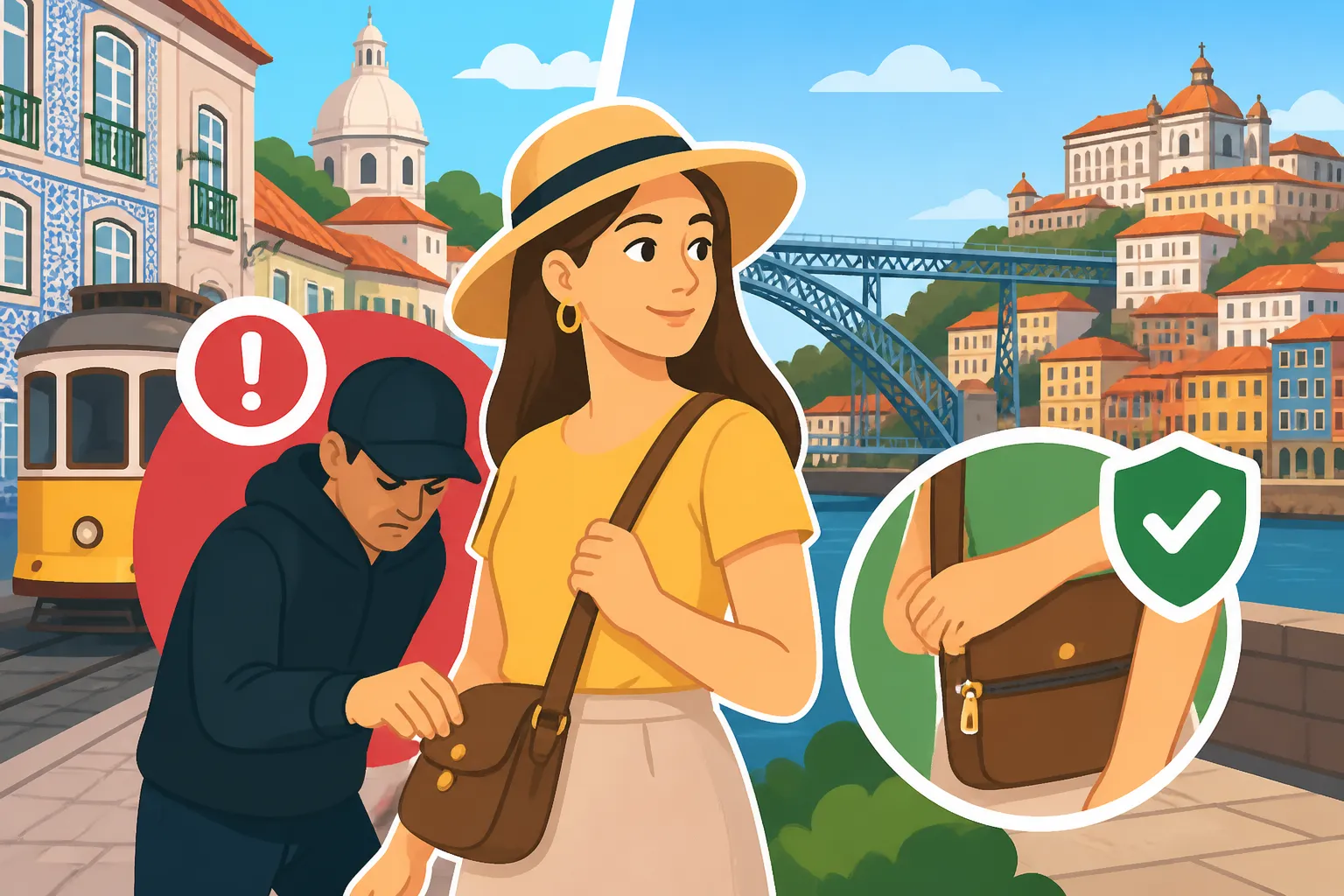
Secondly, invest in good anti-theft gear. A cross-body bag that sits in front of you, ideally with zippers that can be secured or even tiny clips, is far superior to a shoulder bag that dangles at your side or back. Better yet, consider a travel belt or money belt worn under your clothes for your passport, extra cash, and credit cards. Some backpack brands, like Pacsafe, even offer slash-resistant material and locking zippers, which can be invaluable, especially if you're exploring busy markets or taking long-distance buses. If you must carry a backpack, wear it on your front in crowded areas, or ensure it has multiple secure compartments.
Pockets are another story. Your back pocket is practically a donation box for pickpockets. Front pockets, especially deep zippered ones, are safer, but even then, a skilled hand can reach. Consider carrying a "dummy wallet" with a small amount of cash and an expired card or two, which you can hand over in a worst-case scenario while your real valuables are safely hidden. When paying, don't flash large wads of cash. Keep smaller notes easily accessible and separate from your main funds.
Situational Awareness and Body Language
Your presence and how you carry yourself are powerful deterrents. Pickpockets look for easy targets, and someone who appears confident and aware is less appealing than someone who looks lost, distracted, or vulnerable.
The first rule is to always be aware of your surroundings. This means avoiding staring intently at your phone while walking, especially in crowded areas. Look up, make eye contact, and scan the people around you. If someone gets unusually close or you feel a persistent presence, acknowledge it. Turn, step away, or even say a firm "No, obrigado/a" (No, thank you) if someone tries to engage you with a suspicious tactic. Maintaining a purposeful stride, even if you’re internally figuring out your next move, makes you look less like a bewildered tourist. If you do need to check your map or phone, step into a doorway or against a wall, away from the flow of foot traffic, to give yourself a moment of secure focus.
Always keep your bag zipped and close to your body, preferably in front of you where you can see and feel it. If you're sitting, place your bag on your lap or between your feet, not on the floor or the back of a chair. When you’re at a busy bar or restaurant, even one you booked through Booking.com, keep an eye on your phone and wallet. The goal isn't paranoia, but rather a healthy level of vigilance that becomes second nature. Remember, your body language speaks volumes, and a confident stance can send a clear message: "I'm not an easy target."
What to Do if You Become a Target (or Worse, a Victim)
Despite all precautions, sometimes things still go wrong. It’s a horrible feeling, that sudden lurch in your stomach when you realize something important is missing. But it’s crucial to know what steps to take, not just for recovery but also for your peace of mind and administrative necessities.
Immediate Steps and Reporting to Authorities
The moment you realize you've been pickpocketed, take a deep breath. Panicking won't help. First, try to retrace your steps mentally, but quickly. If you have any suspicion of who it was, do not confront them directly. Your safety is paramount.
Your very next step should be to call your banks and credit card companies to cancel your cards. Do this immediately to prevent unauthorized transactions. Many banks have international emergency numbers, so have them saved in your phone or written down somewhere secure.
Next, you need to file a police report, known as a "queixa" (pronounced kay-sha), at the nearest police station (PSP – Polícia de Segurança Pública). While calling 112 is for emergencies, a pickpocketing incident, unless it involved violence or immediate threat, typically requires you to go to a station. Be prepared for a potentially slow process, and if your Portuguese isn't strong, try to bring a translation app or even a Portuguese-speaking friend. It’s a frustrating hurdle, but this report is absolutely vital for insurance claims and replacing stolen documents like your passport, NIF, or residence card. They might ask for details about where and when it happened, so try to recall as much as you can.
| Item Stolen | Immediate Action | Secondary Action (After Police Report) |
|---|---|---|
| Credit/Debit Cards | Call bank(s) immediately to cancel. | Monitor statements for fraudulent activity. |
| Passport | Contact your country's embassy/consulate. | Apply for emergency travel document or new passport. |
| NIF/Residence Card | File police report (queixa). | Contact AIMA and/or Finanças for replacement process. |
| Phone | Use "Find My Phone" feature, wipe data remotely. | Report IMEI to police; inform phone provider. |
| Cash | File police report. | Review budget; contact travel insurance if applicable. |
| Driver's License | File police report. | Contact your issuing authority for replacement. Consider steps to exchange your foreign license to a Portuguese one. |
Aftermath and Recovery: Replacing Documents and Moving On
Once you have your police report in hand, the real administrative marathon begins. If your passport was stolen, your embassy or consulate will be your next stop. They can issue you an emergency travel document to get you home or a new passport, but be aware that this can take time and involve fees. For your Portuguese residence card, you’ll need to contact AIMA (the new immigration agency, replacing SEF) to report it lost or stolen and begin the process of getting a replacement. This can be a tedious process, as anyone who’s dealt with Portuguese bureaucracy will tell you. You can learn more about AIMA Portugal: Navigating the New Immigration Agency and Residence Permits to prepare.
If your NIF (tax identification number) was stolen, you'll need to contact Finanças (the tax authority) as well. You'll likely need your police report for all these replacements. This is also where your travel insurance policy, if you have one, becomes invaluable. They can often help with emergency funds, cover the cost of replacement documents, and sometimes even guide you through the reporting process. Make sure to keep all receipts for fees incurred during this process.
It's completely normal to feel upset, violated, and frustrated after being pickpocketed. Don't let anyone minimize that feeling. Take time to process it, but don't let it overshadow your entire experience in Portugal. These incidents, while disheartening, are a learning experience, and by being informed and prepared, you've already taken significant steps to protect yourself. Remember, Portugal is still an incredibly welcoming and generally safe country, and knowing how to handle these situations means you can get back to enjoying its beauty and charm with confidence.
Disclaimer
The information provided in this guide is for general informational purposes only and does not constitute legal, financial, or medical advice. While we strive to provide accurate and up-to-date information, laws, regulations, and procedures in Portugal can change rapidly. Always consult with relevant official sources or professionals for specific advice tailored to your situation. We assume no responsibility for any actions taken based on the information provided herein.