What Are the Best Things to Buy in Portugal?
Disclosure: This article contains affiliate links. If you buy through them, we may earn a commission at no extra cost to you. Read our full disclosure.
One of the most delightful parts of living in or visiting Portugal is discovering the rich tapestry of its crafts, flavors, and unique offerings. It can be quite overwhelming when you're faced with countless shops, markets, and specialties, all vying for your attention, leaving you wondering what truly represents the spirit of this incredible country. This guide is designed to cut through the noise, offering you a deep dive into the best and most authentic items to buy, ensuring your souvenirs carry genuine Portuguese charm and quality.
The Soul of Portugal: Handcrafted Treasures
When you think of Portugal, chances are a certain visual artistry comes to mind. The country has a long and proud history of craftsmanship, passed down through generations. These aren't just trinkets; they're pieces of Portuguese identity, often imbued with symbolism and tradition.
Azulejos and Decorative Ceramics
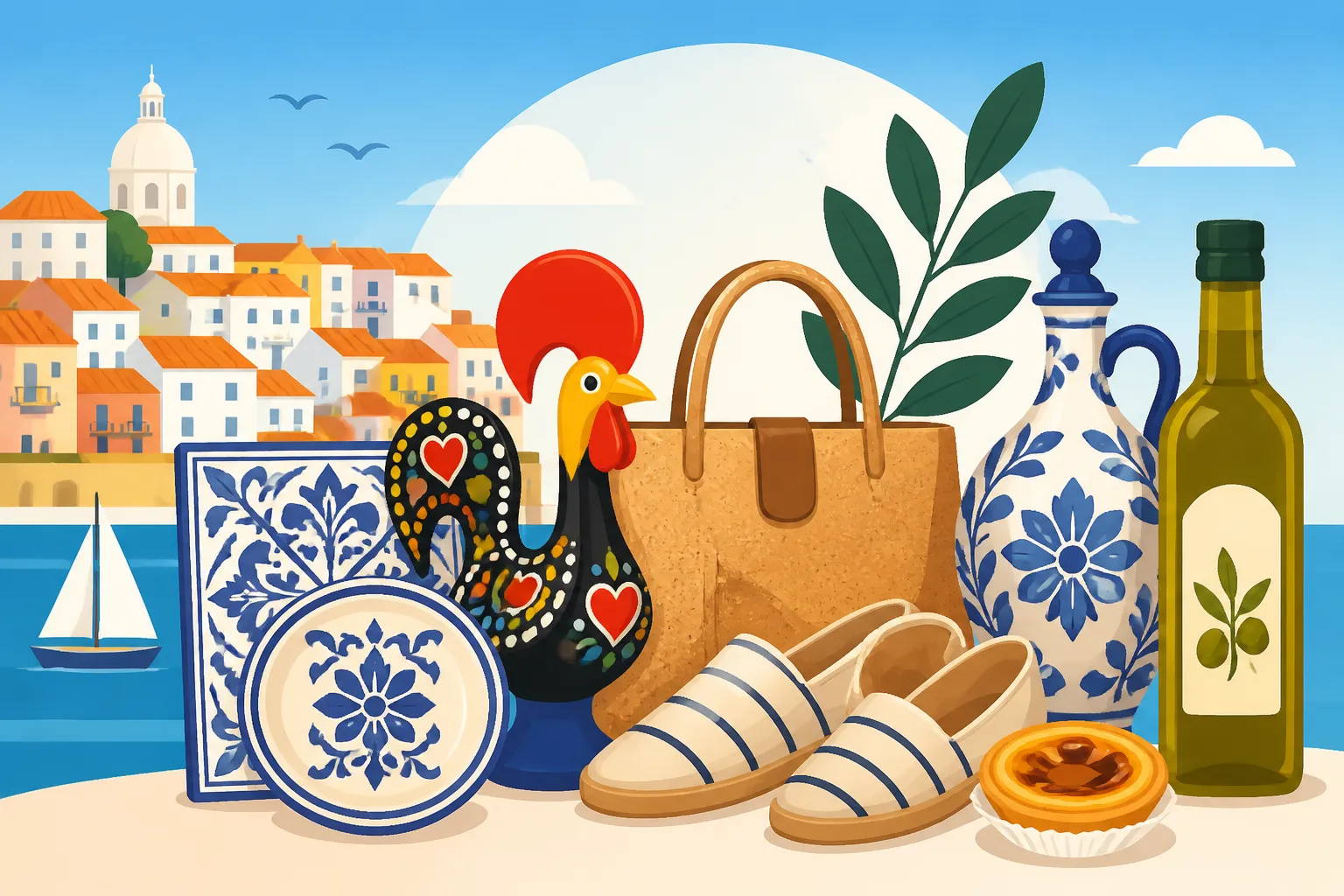
Ah, azulejos! Those vibrant, glazed ceramic tiles that adorn everything from church facades and train stations to humble homes and bustling cafes. They're utterly iconic, and for good reason. Originally influenced by Moorish art, Portuguese azulejos developed their own distinct style, evolving from intricate geometric patterns to elaborate narrative scenes, often in shades of blue and white, but also bursting with other colors.
When you're looking to buy azulejos, you'll encounter a few types. There are genuine antique tiles, which are usually quite expensive and often come with a certificate of authenticity. Be wary of street vendors selling what look like ancient tiles at suspiciously low prices – many are reproductions, or worse, stolen from historical buildings (which is illegal, of course!). Then you have reproductions, which are new tiles made in old styles. These can be beautiful and more affordable, perfect for decorating your own home. You'll find them in souvenir shops across Lisbon, Porto, and other major cities.
Beyond the classic azulejos, Portuguese ceramics are incredibly diverse. Think of the beautiful, often hand-painted pottery from places like Caldas da Rainha, famous for its whimsical cabbage-leaf designs by Bordallo Pinheiro. You'll find entire dinner sets, serving dishes, and decorative pieces in these distinctive styles. Alcobaça is another region renowned for its traditional blue-and-white ceramics, featuring intricate floral and geometric patterns that make for stunning decorative plates or bowls. Buying ceramics directly from a small artisan workshop often means you’re getting a unique, high-quality piece while also supporting local artists. Some studios even offer workshops where you can paint your own tile, creating a truly personal memento. This can be a wonderful experience for families, especially if you're looking for Moving to Portugal with Kids: Schools, Childcare, and Family Life activities.
Cork Products: Sustainable Elegance
Portugal is the world's largest producer of cork, accounting for over half of the global supply. This isn't just about wine stoppers anymore! The industry has innovated spectacularly, turning cork into an incredibly versatile and chic material. If you're passionate about sustainability, cork products are an absolute must-buy.
You'll find an astonishing array of items made from cork leather: handbags, wallets, belts, shoes, hats, and even jewelry. It's surprisingly soft, durable, waterproof, and lightweight, making it perfect for travel. The natural texture of cork also gives each item a unique, earthy elegance. Beyond fashion accessories, you can find cork coasters, placemats, notebooks, phone cases, and various decorative objects for your home.
The best places to find high-quality cork products are dedicated cork stores, which have popped up in tourist centers like Lisbon's Baixa district and Porto's historical center. Prices vary widely depending on the item and craftsmanship, but generally, a good quality cork wallet might run you €20-€40, while a handbag could be anywhere from €60 to €200+. Look for stores that emphasize "100% natural cork" or specific Portuguese brands that are known for their quality. Exploring the Alentejo region, especially around Évora, which is a major cork-producing area, can also lead to finding unique artisanal pieces. If you're planning a trip there, remember that using a service like Omio can help you find convenient transport options to these less-traveled, but incredibly rewarding, shopping destinations.
Portuguese Textiles and Embroidery
The textile tradition in Portugal is ancient and varied, showcasing intricate patterns and fine craftsmanship. From luxurious wool blankets to delicate hand-embroidered linens, there’s something for every taste.
One of the most famous forms of Portuguese embroidery is from Viana do Castelo, in the north. The "Lenços dos Namorados" (Handkerchiefs of Love) are traditionally embroidered by young women with messages of love and symbols of affection, then given to their sweethearts. These beautifully delicate squares, often featuring hearts, flowers, and doves, make for a charming and romantic gift. You can find modern interpretations of these handkerchiefs on bags, t-shirts, and decorative items.
Another notable textile is the "Cobertor de Papa" (Papa Blanket) from the Serra da Estrela region. Made from sheep's wool, these traditional blankets are incredibly warm, durable, and feature distinctive geometric patterns, often in natural, muted tones. They are a testament to the region's long history of sheep farming and wool production. While they might be a bit bulky to carry home, smaller versions or wool scarves are fantastic options for a cozy reminder of Portugal. When you're thinking about the Cost of Living in Portugal 2026: Detailed Budgets for Singles and Families, consider that these high-quality, durable textiles can be a worthwhile investment for your home decor or wardrobe.
For something a bit more everyday, look out for beautifully woven towels, table linens, and aprons, often featuring Rooster of Barcelos motifs or traditional patterns. These items are practical, beautiful, and a lovely way to incorporate a bit of Portuguese flair into your daily life.
A Taste of Portugal: Culinary Delights to Bring Home
One of the best ways to keep the memory of Portugal alive is through its incredible flavors. Portuguese cuisine is a sensory feast, and fortunately, many of its most beloved items travel well.
Wine, Olive Oil, and Gourmet Foods
Portugal is a wine lover's paradise, producing an astonishing variety of wines, many of which are still relatively undiscovered outside the country. Of course, Port Wine from the Douro Valley is the most famous, coming in various styles from rich, sweet Tawny and Ruby to drier white Ports. You'll find dedicated Port wine cellars in Vila Nova de Gaia (across the river from Porto) where you can taste and buy directly. But don't stop there! Explore the excellent red and white wines from regions like Dão, Alentejo, Vinho Verde, and Lisbon. Many supermarkets and specialty wine shops offer a fantastic selection at very reasonable prices.
Portuguese olive oil is another gem. The country has a long history of olive cultivation, producing high-quality, often robust and fruity extra virgin olive oils, especially from the Alentejo and Trás-os-Montes regions. Small, artisan bottles can be a wonderful culinary souvenir. You'll often find beautifully packaged olive oils that make for elegant gifts. When you're doing your Grocery Shopping in Portugal: Continente, Pingo Doce, Auchan, and Mercados, keep an eye out for local olive oil brands in smaller, decorative bottles.
Beyond these staples, consider:
- Queijo (Cheese): Portugal boasts a fantastic array of cheeses, from the soft, creamy Queijo da Serra (made from sheep's milk) to the firmer, tangy Queijo de Azeitão. Many specialty shops will vacuum-seal cheese for travel.
- Chouriço and Salpicão (Cured Meats): These intensely flavored smoked sausages are staples of Portuguese cuisine. Again, look for vacuum-sealed options in specialty shops.
- Flor de Sal (Flower of Salt): Harvested from salt pans, particularly in the Algarve and Aveiro, this delicate, flaky sea salt is prized by chefs for its pure flavor and subtle texture. A small bag makes a lovely, affordable gift.
- Tinned Fish: While it might sound odd, gourmet tinned fish (sardines, mackerel, tuna, cod) has become an art form in Portugal. The packaging is often stunningly retro and vibrant, and the quality of the fish inside is exceptional. These make for easy-to-pack, unique, and delicious souvenirs. You can find entire shops dedicated to them, especially in Lisbon and Porto.
Sweet Treats and Traditional Liqueurs
No visit to Portugal is complete without indulging in its sweet temptations. The most famous, of course, is the Pastel de Nata, the ubiquitous custard tart. While you can't really bring fresh ones home (they're best eaten warm, right out of the oven!), many bakeries sell gift boxes of pre-packaged, longer-shelf-life versions, or you can find kits to make them yourself.
However, Portugal offers a rich variety of other traditional pastries and sweets that do travel well. Look for:
- Biscoitos and Bolachas (Cookies): There's a huge range, often made with almonds, cinnamon, or olive oil, that come in beautiful tins or boxes.
- Almond or Fig Cakes: Especially from the Algarve, these dense, rich cakes are often adorned with intricate designs and are excellent with a cup of Portuguese Coffee Culture and Restaurant Etiquette: Ordering Like a Local.
- Ginjinha (Cherry Liqueur): This sweet, dark cherry liqueur is a Lisbon specialty, often served in a small chocolate cup (which you then eat!). Bottles are widely available in souvenir shops and supermarkets, and some come in charming, decorative packaging. It's a delightful after-dinner drink and a truly Portuguese experience.
- Honey: Pure, local honey, especially from the national parks or more rural areas, is a delightful natural product.
When it comes to transporting these edible delights, especially liquids, remember to pack them carefully in your checked luggage to avoid any unfortunate incidents!
Unique Souvenirs with Portuguese Flair
Beyond the classic crafts and foods, Portugal offers a host of other distinctive items that capture its essence. These are the kinds of finds that spark conversation and hold deep cultural significance.
Filigree Jewelry and Precious Metals
Portuguese filigree jewelry is a testament to extraordinary craftsmanship and intricate design. This ancient art involves delicate threads of gold or silver, expertly twisted and soldered together to create elaborate, lace-like patterns. The most iconic piece is the "Coração de Viana" (Heart of Viana), a beautiful, stylized heart motif that represents love and devotion, often seen in traditional folk costumes.
You'll find these exquisite pieces predominantly in gold, but also in silver, in jewelry stores throughout the country, particularly in the northern regions like Porto and Viana do Castelo, where the tradition is strongest. While genuine gold filigree can be a significant investment, the artistry is undeniable. More affordable silver versions or pieces with simpler designs also make wonderful gifts. Look for reputable jewelers who can provide certificates of authenticity, especially for gold items.
The Iconic Galo de Barcelos and Beyond
The Rooster of Barcelos (Galo de Barcelos) is arguably the most famous symbol of Portugal. This brightly colored ceramic rooster represents honesty, integrity, and good luck, stemming from a medieval legend. You'll see it everywhere: in every size, material, and depiction imaginable. While many are mass-produced, a hand-painted ceramic rooster from a local artisan can be a charming and authentic piece of folk art.
But the Rooster is just one example of Portuguese folk art. Look for other ceramic figurines depicting scenes from rural life, or religious figures. Wood carving is also prevalent, especially in the north, with beautifully crafted pieces ranging from kitchen utensils to decorative statues. These items often reflect the regional traditions and beliefs, offering a glimpse into the everyday culture of Portugal. If you're staying in Lisbon, exploring specific districts like the Baixa or Alfama on foot can reveal hidden gems. You can even consider a walking tour booked through GetYourGuide to learn about the history behind these symbols while you shop.
Sardine Cans and Artistic Novelties
We touched on tinned fish earlier for its culinary merit, but it's worth highlighting again for its artistic value. The vibrant, often retro-inspired packaging of Portuguese sardine cans has evolved into an art form itself. Shops specializing in these conservas often look more like art galleries than grocery stores, displaying endless rows of beautifully illustrated tins.
These aren't just for eating; many people buy them purely for decoration. Imagine a wall display of colorful sardine tins, each a miniature work of art! Brands like Comur (with their "O Mundo Fantástico da Sardinha Portuguesa" stores) or Conserveira de Lisboa are famous for their quality and distinctive packaging. They make for truly unique, lightweight, and very Portuguese souvenirs that won't break the bank.
Another quirky souvenir is the traditional Portuguese blanket or scarf made from recycled materials, often wool or cotton, featuring bold colors and patterns. You can find them at local markets or artisan shops. And don't forget the ubiquitous fado-themed items – from CDs of classic fado singers to stylized guitars, postcards, and decorative items that evoke the melancholic yet beautiful spirit of Portugal's national music. For immersive cultural experiences, Booking.com can help you find charming boutique hotels that might be located near traditional fado houses, allowing you to easily enjoy a show and then browse nearby shops for related souvenirs.
| Item Category | Typical Price Range (EUR) | Where to Find | Key Characteristics |
|---|---|---|---|
| Azulejos / Ceramics | €5 – €200+ | Artisan shops, markets, specialized stores, factory outlets | Hand-painted, blue & white, traditional patterns, Bordallo Pinheiro |
| Cork Products | €20 – €150+ | Dedicated cork stores, souvenir shops, markets | Sustainable, lightweight, waterproof, stylish bags, wallets |
| Portuguese Wine / Port | €5 – €100+ | Supermarkets, wine shops, wineries, cellar tours | Douro, Alentejo, Vinho Verde, Tawny, Ruby, White Port |
| Olive Oil | €8 – €30 | Supermarkets, gourmet food stores, markets | Extra virgin, regional varieties, often decorative bottles |
| Ginjinha Liqueur | €10 – €25 | Souvenir shops, supermarkets | Cherry-flavored, sweet, often served in chocolate cups |
| Filigree Jewelry | €50 – €500+ | Jewelry stores, artisan workshops | Gold/silver, delicate, Coração de Viana, intricate designs |
| Galo de Barcelos | €5 – €50 | Souvenir shops, markets, craft fairs | Ceramic rooster, brightly colored, good luck symbol |
| Gourmet Tinned Fish | €2 – €10 per can | Specialized conserva shops, supermarkets | Artful packaging, high-quality sardines, mackerel, tuna |
Remember, when you're exploring the markets and shops, don't be afraid to engage with the vendors. Many of them are passionate about their craft and are happy to share the stories behind their products. It's all part of the wonderful Daily Life in Portugal: Supermarkets, Language, and Cultural Etiquette experience! You might even pick up a few Portuguese phrases if you're working on Learning European Portuguese: Top Apps, Tutors, and Free Government Classes.
The act of choosing a souvenir in Portugal isn't just about the item itself, but the memory, the story, and the piece of culture it embodies. Whether it's a practical item for your home or a gourmet treat for your pantry, these carefully chosen purchases will serve as a beautiful reminder of your time in this charming country.
Disclaimer
Please note that while every effort has been made to provide accurate and up-to-date information, prices, availability, and specific regulations regarding purchases and travel can change. It is always advisable to verify current details closer to your travel dates or shopping excursions.