How to Visit the Serra da Estrela Mountains
Disclosure: This article contains affiliate links. If you buy through them, we may earn a commission at no extra cost to you. Read our full disclosure.
Venturing beyond the charming chaos of Lisbon or the picturesque hills of Porto is often on the wishlist for many expats and tourists, but the logistics of exploring Portugal's rugged interior can feel like a daunting puzzle. Serra da Estrela, with its breathtaking peaks and unique culture, is one such gem that often remains elusive. This comprehensive guide is here to demystify the journey, helping you plan a memorable trip to Portugal's highest mountain range, ensuring you embrace its natural beauty and local charm without the usual expat headaches.
Getting There: Navigating the Journey to Portugal's Highest Peak
Reaching the majestic heights of Serra da Estrela, Portugal's tallest mountain range, requires a bit of planning, but the rewards are truly immense. Unlike the well-trodden paths to Lisbon's historic center or Porto's riverside, getting to Serra da Estrela offers a different kind of adventure, one that immerses you deeper into the heart of the country.
Driving: The Most Flexible Option
For most visitors, especially those coming from afar, driving is unequivocally the most flexible and recommended way to explore Serra da Estrela. Once you arrive at the nearest major city, securing a rental car gives you the freedom to traverse the winding mountain roads at your own pace, stopping at every breathtaking viewpoint or charming village that catches your eye. From Lisbon or Porto, the journey is straightforward, primarily via modern highways. From Lisbon, you'll typically take the A1 north, then connect to the A23, heading towards Castelo Branco and then Covilhã, which serves as one of the main gateways to the park. From Porto, the A1 south is your initial route, then transitioning to the A25 towards Viseu, and finally connecting to roads that lead you into the northern reaches of the park like Manteigas or Seia.
The roads within the Serra da Estrela Natural Park itself are generally well-maintained, but they are, as you might expect, mountainous and can be quite winding, particularly as you ascend towards Torre, the highest point. During winter months, typically from November to March, snow and ice are common, especially at higher elevations. It's not just a possibility; it's a reality. You’ll often see warnings at the base of the mountains, and carrying snow chains for your tires isn't just a suggestion, it can be a legal requirement and an absolute necessity to prevent getting stranded. The ability to navigate these conditions comfortably makes a huge difference to your experience. Parking is generally available at major attractions like Torre, but in smaller villages, you might need to find street parking. For new arrivals in Portugal, understanding the nuances of driving here, from the specific rules of the road to the toll system, is vital. You might find our guide on Navigating the Portuguese Toll System: Via Verde and Electronic Tolls incredibly helpful before you set off. Also, if you’re planning on staying long-term, remember that exchanging your foreign license is a requirement, a process detailed in Driving in Portugal: Exchanging Your Foreign License to a Portuguese One.
Public Transport: A More Challenging but Rewarding Route
While less direct, reaching Serra da Estrela via public transport is certainly possible and offers a different kind of immersion into Portuguese life. The main hub for accessing the mountains by public transport is Covilhã, a city on the southeastern edge of the range.
You can catch a train from Lisbon's Santa Apolónia or Entrecampos stations directly to Covilhã. The journey typically takes around 3.5 to 4 hours and offers scenic views as you leave the bustling urban areas behind and head into the quieter interior. Train schedules can be checked on the Comboios de Portugal (CP) website. Alternatively, express buses (like Rede Expressos) run frequently from major cities like Lisbon (Sete Rios bus terminal) and Porto to Covilhã. These bus journeys can be slightly quicker and sometimes more cost-effective than the train, taking roughly the same amount of time. You can use platforms like Omio to easily compare and book train and bus tickets, making the planning a bit smoother.
The real challenge with public transport begins once you arrive in Covilhã. While there are local bus services that connect Covilhã to some of the smaller towns within the Serra, such as Manteigas or Seia, their frequency can be quite limited, especially on weekends and public holidays. Reaching Torre, the absolute highlight of the region, almost always requires a taxi or a pre-arranged transfer from one of these towns, as direct public bus routes to the summit are rare or non-existent. This lack of last-mile connectivity is a common frustration for those relying solely on buses and trains in rural Portugal. However, if you’re happy to explore the gateway towns and their immediate surroundings, and perhaps hire a taxi for a specific day trip to the summit, it's a perfectly viable option. Planning your travels meticulously with a keen eye on schedules is key. For those considering public transport across the country, our comprehensive guide to Public Transport and Driving in Portugal: Trains, Tolls, and Licenses provides a broader overview of the options available.
Here's a quick comparison of the two main travel methods:
| Feature | Driving (Rental Car) | Public Transport (Train/Bus + Local) |
|---|---|---|
| Flexibility | High – explore at your own pace, stop anywhere | Low – restricted by schedules, limited routes |
| Cost | Rental fee, fuel, tolls (can be high) | Generally lower for intercity travel |
| Comfort | Private space, control over climate/music | Can be crowded, less personal space |
| Accessibility | Best for reaching remote viewpoints, small villages | Requires planning, challenging for last-mile |
| Winter Travel | Requires snow chains, confident driving | Less affected by road closures, but limited local options |
| Effort | Active navigation, parking | Passive travel, connections can be complex |
What to Do and See in Serra da Estrela
Serra da Estrela is a destination that truly comes alive with the seasons, offering a vastly different experience whether you visit in the snowy depths of winter or the sun-drenched warmth of summer. From adrenaline-pumping activities to serene cultural discoveries, this region has a unique charm that will linger long after your visit.
Embracing Nature: Hiking, Skiing, and Star-Gazing
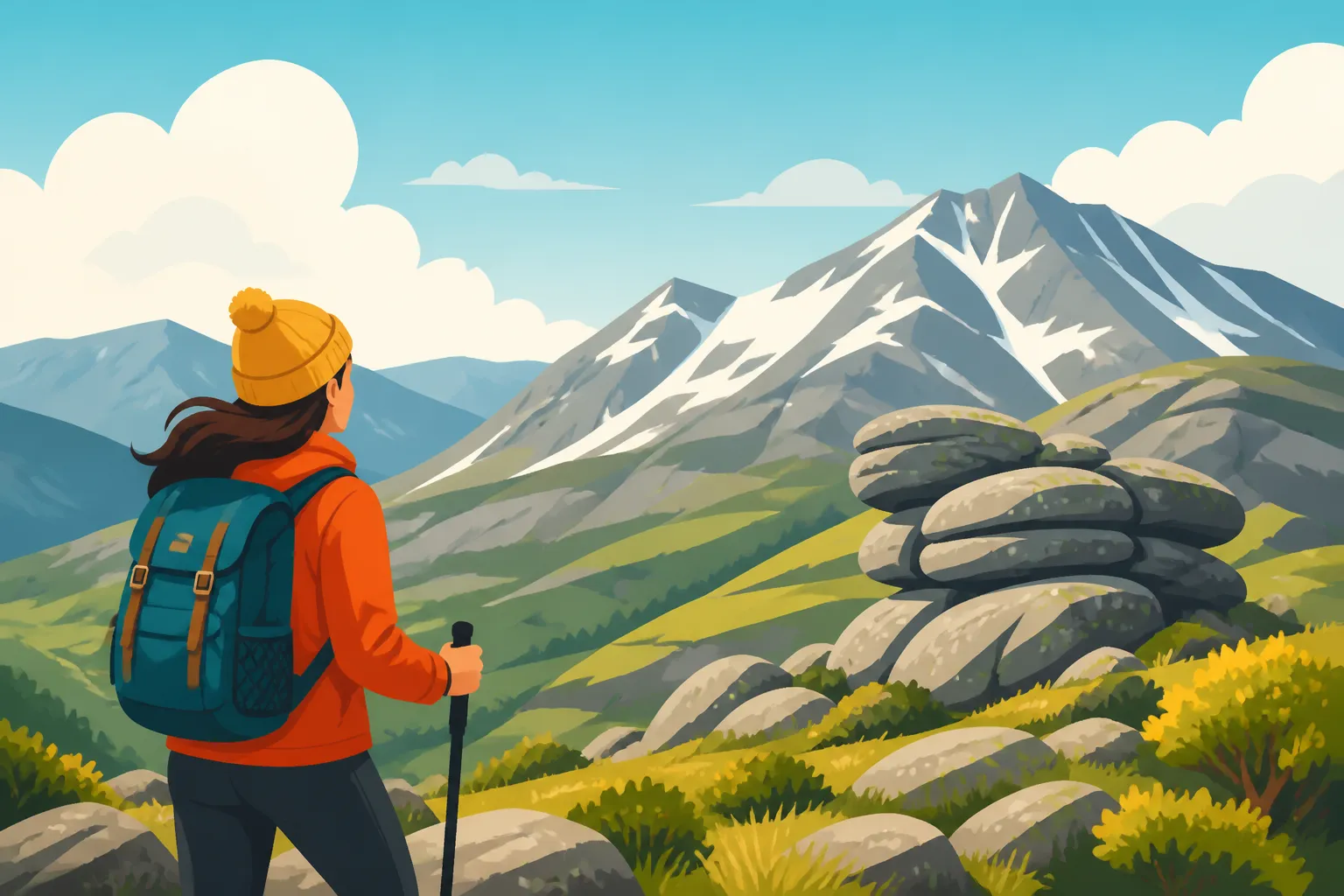
The heart of Serra da Estrela is its stunning natural landscape. Torre, the highest point in mainland Portugal at 1,993 meters (6,539 feet), is an absolute must-visit. It's literally the 'tower' where you'll find a small shopping area, a restaurant, and the famous (albeit small) monument that marks the true highest point. The feeling of being on top of Portugal, looking out over rolling hills and distant peaks, is simply unforgettable.
For those who love to stretch their legs, the region is a hiker's paradise. There are countless well-marked trails, from gentle strolls perfect for families to challenging multi-day treks. The Rota dos Pastores (Shepherds' Route) is a classic, offering insight into the traditional way of life, while trails around Poço do Inferno (Hell's Pit), a beautiful waterfall, provide a more accessible natural wonder. Always remember to wear sturdy hiking shoes and bring plenty of water, especially during warmer months. If you're venturing on longer treks, make sure someone knows your route, and always pack layers, as mountain weather can change in an instant.
Come winter, Serra da Estrela transforms into Portugal's only ski resort. Located near Torre, the Estância de Ski da Serra da Estrela offers slopes for various skill levels, equipment rental, and even ski lessons. It's not the Alps, mind you, but it's a fantastic place for Portuguese families and expats to enjoy winter sports without leaving the country. Even if skiing isn't your thing, the snow-covered landscapes are perfect for sledding, snowball fights, or simply enjoying a hot chocolate with a view.
Beyond the daytime activities, the remote nature and high elevation of Serra da Estrela make it an exceptional spot for star-gazing. With minimal light pollution, especially away from the main towns, the night sky here is often a dazzling canvas of stars. Find a quiet spot, bundle up, and prepare to be amazed by the Milky Way in all its glory. For any outdoor adventures, especially in remote areas, it’s always wise to have a plan for emergencies. Our guide on Emergency Medical Care in Portugal: Calling 112 and Going to the Hospital is a crucial resource for any expat or tourist.
Discovering Local Culture and Flavors
While the natural beauty might draw you in, the cultural heart of Serra da Estrela will truly captivate you. The region is famously known for its exquisite Queijo da Serra, a creamy, pungent sheep's milk cheese protected by a Denominação de Origem Protegida (DOP) status. Visiting local cheese producers and sampling this delicacy fresh is an absolute must. Many small shops in towns like Manteigas, Seia, and Covilhã sell authentic Queijo da Serra, often directly from local farmers. Don't be shy about asking for a taste!
The gateway city of Covilhã offers more than just a place to catch a bus. Historically a hub for Portugal's wool industry, the city boasts fascinating industrial architecture and a vibrant street art scene that pays homage to its textile past. A stroll through its narrow, hilly streets reveals murals that are truly works of art, transforming the urban landscape.
Other charming towns like Manteigas, nestled in a glacial valley, and Seia, home to the excellent Museu do Pão (Bread Museum), offer glimpses into traditional Portuguese mountain life. In these towns, you can often find local crafts, from hand-woven blankets to intricately carved wooden items, perfect for unique souvenirs. The local gastronomy extends beyond cheese to hearty mountain dishes like caldeirada de borrego (lamb stew) and various cured meats. Eating at a traditional tasca (tavern) in one of these villages is an experience in itself, often featuring generous portions and genuine hospitality. If you're looking to delve deeper into the local experiences, platforms like GetYourGuide offer curated tours and activities, from jeep safaris through the park to guided cheese tastings, which can add a fantastic dimension to your trip without the stress of planning every detail yourself.
Planning Your Stay: Accommodation and Essential Tips
A trip to Serra da Estrela, especially if you plan to explore beyond just a quick drive to the summit, warrants careful consideration for accommodation and preparation. The experience can range from rustic and authentic to surprisingly luxurious, depending on your preferences.
Where to Rest Your Head: From Mountain Hotels to Cozy Guesthouses
Your choice of accommodation can significantly shape your Serra da Estrela experience. For those seeking convenience and direct access to the highest points, there are options right at Torre itself, including the modern Pousada da Serra da Estrela, a former sanatorium beautifully converted into a design hotel with stunning views and excellent facilities. Staying here means you wake up in the heart of the mountains, ready to hit the trails or slopes. However, these mountain lodges can be pricier and book up quickly, especially during peak ski season or summer holidays.
For a wider range of choices and often better value, consider staying in the surrounding towns. Covilhã, as the largest city, offers numerous hotels, guesthouses, and apartments. It's a great base if you're relying on public transport or want access to more restaurants and amenities. Manteigas is another popular choice, known for its tranquil setting and proximity to many hiking trails and the glacial valley. Seia also provides a good selection of lodging, including some lovely agroturismo (farm tourism) options where you can experience genuine rural hospitality. These rural stays are fantastic for a truly authentic experience, allowing you to connect with local life and often enjoy home-cooked meals.
Platforms like Booking.com are invaluable for finding and reserving accommodation across the region, allowing you to compare prices, read reviews, and see exactly what's available for your travel dates. Remember that Portugal's interior, while beautiful, is not as heavily touristed as the coast, so options might be more limited than in major cities. Booking in advance, especially during high season (winter for snow, summer for hiking), is highly advisable.
Essential Packing and Safety Advice
Mountain travel always requires a thoughtful approach to packing, and Serra da Estrela is no exception. The key is layers. Even in summer, evenings can be cool at higher altitudes, and during spring or autumn, the weather can be incredibly unpredictable, swinging from sunny and warm to misty and chilly within hours.
Here’s a checklist of essentials:
- Clothing: Waterproof and windproof jacket, fleece or warm sweater, sturdy hiking boots (even for light walks), comfortable walking shoes, plenty of socks. If visiting in winter, add warm base layers, gloves, and a hat.
- Navigation: A physical map of the park (available at visitor centers in Seia or Manteigas) combined with reliable GPS apps on your phone. Cell phone signal can be patchy in very remote areas, so having offline maps is a smart move.
- Hydration & Snacks: Always carry more water than you think you’ll need, especially on hikes. High-energy snacks are also a good idea.
- Sun Protection: Sunscreen, sunglasses, and a hat are important year-round, as the sun can be intense at altitude.
- First-Aid Kit: Basic supplies for blisters, minor cuts, and any personal medications.
- Emergency Contact: Ensure your phone is charged. The emergency number in Portugal is 112 for all emergencies (police, fire, ambulance). It’s comforting to know that operators generally speak English.
- Winter Specifics: If driving, ensure your car is equipped with snow chains. If hiking in snow, consider poles and proper traction devices. Always check local road conditions before heading out during snowy periods. Often, certain roads leading to Torre are closed if conditions are dangerous.
Being prepared not only ensures your comfort but also your safety. Portugal is generally a safe country, but isolated mountain environments demand respect and preparedness. For more general advice on staying healthy and safe, especially regarding medical needs, our guide on Healthcare in Portugal for Expats: The Complete 2026 Medical Guide is a valuable resource.
Making the Most of Your Serra da Estrela Adventure
So you've navigated the travel, settled into your accommodation, and seen the main sights. Now, how do you truly experience Serra da Estrela and make it an unforgettable part of your Portuguese journey? It's about tailoring your trip to your rhythm and embracing the subtle charms of this unique region.
Crafting Your Itinerary: Day Trips vs. Multi-Day Stays
The question of whether to visit Serra da Estrela as a day trip or an overnight stay really depends on your travel style and how deeply you wish to explore. A day trip is certainly feasible, especially if you're driving and coming from nearby cities like Coimbra or Viseu. You could easily drive up to Torre, enjoy the views, have a quick meal, and perhaps visit one or two nearby viewpoints like Poço do Inferno before heading back. This is perfect for those with limited time or who prefer to use a single base for multiple excursions. The downside is that it can feel rushed, and you might miss the magical quality of the mountains at dawn or dusk.
However, to truly savor the region, a multi-day stay (2-3 nights) is highly recommended. This allows you to:
- Explore diverse landscapes: Dedicate one day to the higher altitudes around Torre for hiking or skiing, and another to the valleys and forests around Manteigas or the historical elements of Covilhã.
- Savor local cuisine: Enjoy leisurely meals in different towns, trying various traditional dishes and cheeses without the rush.
- Experience mountain serenity: Witness breathtaking sunrises or sunsets, and indulge in some peaceful star-gazing away from city lights.
- Engage with locals: Take the time to chat with shopkeepers, cafe owners, and perhaps even a shepherd, gaining a deeper understanding of life in this part of Portugal.
For example, a 2-day itinerary could involve:
- Day 1: Arrive in Covilhã, settle in, explore the city's street art and wool history. Drive up towards Torre in the afternoon, stopping at scenic points. Catch sunset from a high vantage point.
- Day 2: Early morning hike around Manteigas, perhaps visit Poço do Inferno. Spend the afternoon exploring local cheese shops and artisan crafts, then depart.
For those who prefer a more structured approach or want to delve into specific activities, hiring a local guide can be incredibly enriching. Guides can lead you on off-the-beaten-path trails, introduce you to local producers, or even arrange adventure sports like canyoning or climbing. This is where services like GetYourGuide can be particularly useful, offering various local experiences that enhance your trip. Also, for planning your overall budget, it's worth checking out our guide on the Cost of Living in Portugal 2026: Detailed Budgets for Singles and Families, which can help you factor in travel expenses.
Overcoming Challenges: Language and Logistics
While the beauty of Serra da Estrela is undeniable, expats often encounter a few characteristic Portuguese hurdles, particularly in more rural settings. It's all part of the adventure, but being prepared makes a huge difference.
- Language Barrier: Unlike Lisbon or the Algarve, English is not as widely spoken in Serra da Estrela's smaller towns. While younger generations and those in tourist-facing roles might know some English, don't expect fluency. Learning a few basic Portuguese phrases – bom dia (good day), obrigado/a (thank you), por favor (please), fala inglês? (do you speak English?) – will go a long way. Having a translation app on your phone is also a lifesaver. Embrace the challenge; it's an opportunity to practice! Our guide on Learning European Portuguese: Top Apps, Tutors, and Free Government Classes could be a great starting point if you're planning a longer stay in Portugal.
- Cash is King (or at least, often needed): While most larger establishments and gas stations accept cards, many smaller cafes, market stalls, and artisan shops in rural areas might prefer or only accept cash. Always carry some euros in small denominations. Portugal's Multibanco system is fantastic for withdrawals, but finding an ATM in very remote spots might be tricky. Using the MB Way app: Why it’s better than carrying cash in Portugal can be a convenient alternative if the vendor accepts it, which is increasingly common.
- Navigating Smaller Roads: Beyond the main arteries, some of the roads leading to specific hiking trailheads or scenic points can be narrow, unpaved, or poorly marked. Trust your GPS, but also trust your instinct. If a road looks too precarious, it's okay to turn back.
- The Pace of Life: Things move slower in rural Portugal. Restaurants might not open until later, shops might close for siesta, and administrative processes can be less efficient than you're used to. This isn't a frustration to overcome but a pace to embrace. Don't rush, enjoy the moment, and understand that service might be more relaxed. It's part of the charm!
By keeping these points in mind, you can approach your Serra da Estrela adventure with realistic expectations and an open mind, allowing you to fully appreciate the authentic charm and stunning beauty of this incredible region.
Disclaimer
The information provided in this guide is intended for general informational purposes only and does not constitute professional advice. While we strive to provide accurate and up-to-date information, circumstances in Portugal, including regulations, services, and accessibility, can change without notice. Always verify information with official sources and local authorities before making any travel or relocation decisions. Travel insurance is highly recommended for all visitors.