How to Find Easy Day Hikes Near Lisbon and Porto
Disclosure: This article contains affiliate links. If you buy through them, we may earn a commission at no extra cost to you. Read our full disclosure.
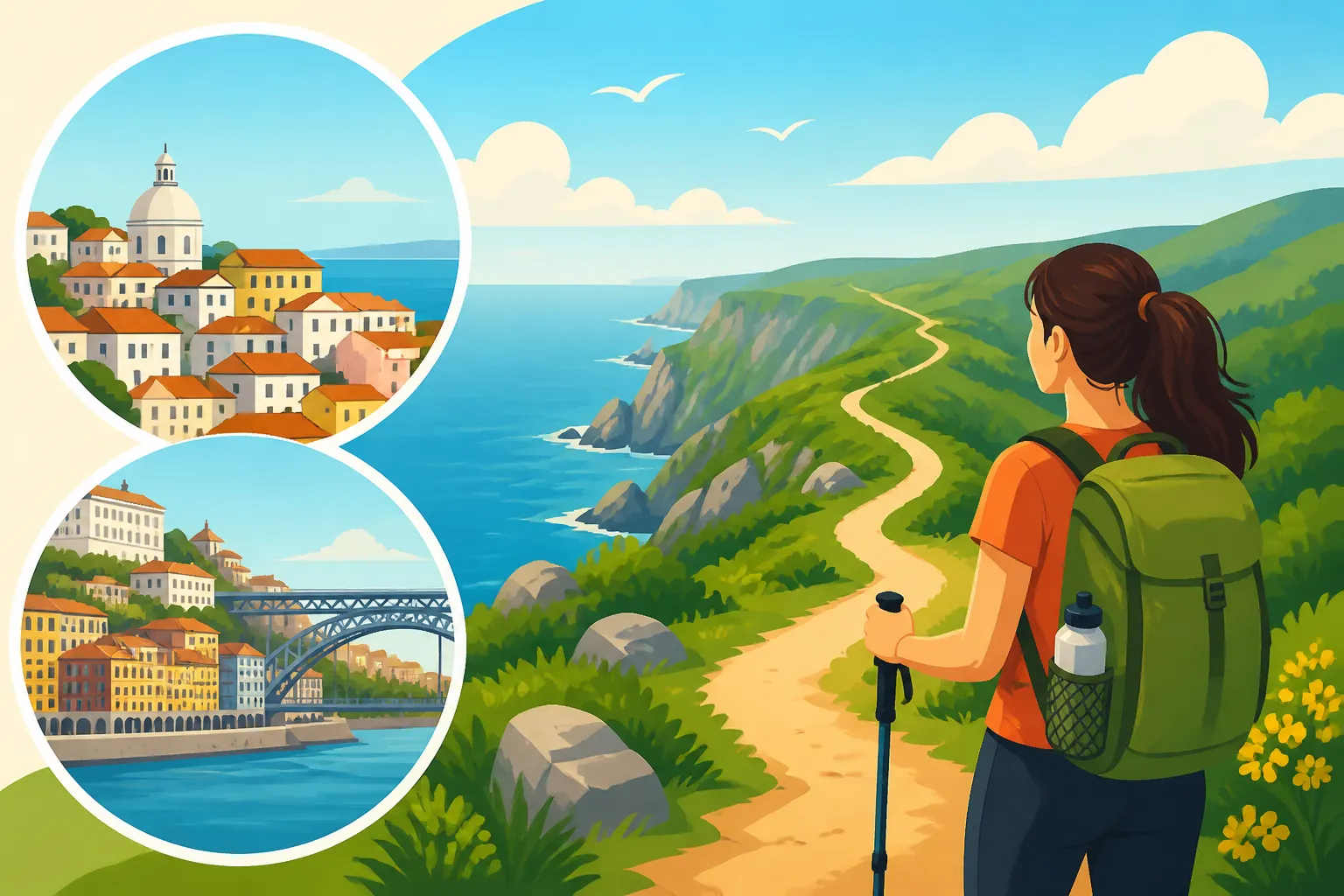
Ah, the perpetual expat dilemma! You’ve settled into the vibrant rhythm of Lisbon or the charming bustle of Porto, and while you adore the city life, there comes a moment when your soul yearns for something simpler, greener, and quieter. But where do you even begin to look for a decent hiking trail that isn't a multi-day expedition or requires a four-wheel drive? It can feel overwhelming, navigating local information, public transport options, and figuring out what’s actually an "easy" walk versus a mountaineering challenge. This guide is here to cut through the confusion and help you discover accessible, rewarding day hikes close to Portugal’s two major cities.
The Allure of Escaping the City: Why Day Hikes are Essential
Living in Portugal, especially in Lisbon or Porto, is an absolute dream for many of us. The culture, the food, the history – it’s captivating. But let's be honest, city living, even in a relaxed place like Portugal, can still build up a craving for fresh air and open spaces. You might find yourself missing those long walks in nature from back home, or perhaps you're just looking for a way to truly unwind from the daily grind of navigating Portuguese bureaucracy or mastering the art of ordering um café (a small espresso).
Day hikes offer that perfect escape. They provide a much-needed mental break, a chance to reconnect with nature, and a fantastic way to experience a different side of Portugal beyond the main tourist circuits. The feeling of the sun on your face, the scent of pine trees or salty ocean air, and the simple act of putting one foot in front of the other can be incredibly therapeutic. Plus, it’s an excellent way to stay active, which is always a bonus when you're surrounded by tempting pastéis de nata and delicious local wines! Many expats often find that exploring the natural beauty surrounding these cities is just as enriching as discovering their historic centers. It adds a whole new layer to your experience of Living in Portugal Guide 2027: The Complete Relocation Manual for Expats.
Recharging Your Batteries in Nature
There’s a unique kind of peace that comes from leaving the urban landscape behind, even if it’s just for a few hours. The constant hum of traffic, the endless stream of people, the digital notifications – it all fades away as you step onto a trail. For expats, this can be even more crucial. We spend so much energy adjusting to a new language, new customs, and a new way of life that our mental reserves can get depleted quickly. A day hike isn’t just exercise; it's a vital tool for mental health and well-being.
Imagine a Sunday morning, instead of scrolling through your phone, you're strolling through a quiet forest, listening to birdsong, or walking along a dramatic coastline with the Atlantic breeze in your hair. These moments of tranquility are invaluable for recharging, gaining perspective, and simply enjoying the beauty of your adopted home. It’s a chance to truly pause and soak it all in, which is often hard to do when you're busy handling all the practicalities of Renting an Apartment in Portugal: Contracts, Fees, and Tenant Rights or figuring out your NIF.
Discovering Hidden Gems Beyond the City Limits
While Lisbon and Porto are undeniably stunning, the areas immediately surrounding them hold their own unique charms that many visitors and even residents overlook. Beyond the famed monuments and historic districts lie expansive natural parks, protected coastlines, and quaint villages waiting to be discovered. These areas often boast well-maintained trails that lead to breathtaking viewpoints, secluded beaches, or through charming rural landscapes dotted with vineyards or olive groves.
These day trips are not just about the hike itself; they are an invitation to explore smaller towns, sample local cuisine in a tasca far from the tourist traps, and see a different facet of Portuguese life. You might stumble upon a weekly market, a hidden chapel, or a family-run bakery with the most incredible bread you’ve ever tasted. These experiences add richness and depth to your time here, making you feel even more connected to the country. Plus, the ease of access to these natural wonders from major urban centers is one of Portugal's best-kept secrets.
Planning Your Easy Day Hike: Key Considerations for Lisbon and Porto
So, you’re ready to lace up your boots (or sturdy trainers, for an "easy" hike!). But before you head out the door, a little planning goes a long way, especially when navigating a foreign country. The good news is that Portugal has some fantastic infrastructure for getting out into nature, but it helps to know what to look for.
Accessibility and Transportation
One of the biggest hurdles for expats who don’t own a car is figuring out how to get to the trailhead. While many incredible hikes are tucked away in remote areas, both Lisbon and Porto boast surprisingly accessible options via public transport.
- Trains (Comboios de Portugal – CP): Many coastal towns or inland villages that serve as gateways to natural parks are reachable by regional trains. For example, getting to Sintra or Cascais from Lisbon is a breeze, and from there, you can often find local buses or even walk to trailheads. From Porto, the train lines along the Douro Valley or towards the coast can also open up possibilities. Check schedules carefully, especially for weekends or holidays, as services can be less frequent. Using a platform like Omio can be incredibly helpful for checking train and bus times and even booking tickets in advance, especially if you’re trying to connect between different modes of transport.
- Buses: Local bus networks extend far beyond the city centers. While perhaps less straightforward to navigate than trains due to less English information, they can take you directly to smaller towns or even right to the entrance of a park. Google Maps is often your best friend here, but always double-check the route on the local transport company's website if possible. For longer distances, intercity buses are also an option.
- Car Rental: If public transport feels too complicated or you want more flexibility, renting a car for the day is always an option. This opens up a much wider range of trails, including some truly stunning spots that are harder to reach. Just remember that parking can be tricky in popular areas, and be prepared for potential toll roads. You can learn more about Public Transport and Driving in Portugal: Trains, Tolls, and Licenses to help plan.
When choosing a hike, always consider the entire journey. An "easy" hike can become an exhausting ordeal if getting to and from the trailhead adds hours of complicated transfers.
Trail Difficulty and Length
An "easy day hike" means different things to different people, but for the purpose of this guide, we're talking about trails that are generally well-marked, have minimal elevation gain, and are manageable for someone with a moderate fitness level without specialized gear.
- Length: Aim for trails between 5 to 15 kilometers (3 to 9 miles). This allows for a leisurely pace, plenty of photo stops, and won't leave you completely wiped out before your journey home. Remember to factor in travel time to and from the hike itself.
- Elevation: Look for routes with gentle slopes or relatively flat terrain. While some gentle inclines are fine, avoid trails described as having "steep ascents" or "challenging climbs." Websites and apps like AllTrails or Wikiloc are excellent resources for checking elevation profiles and user reviews.
- Trail Surface: Is it a paved path, a dirt track, or rocky terrain? Paved paths are, of course, the easiest, but a well-trodden dirt path is usually fine. Avoid trails described as requiring scrambling or having loose rocks if you’re looking for an easy experience. For many coastal walks, you might find sections of boardwalks (known as passadiços) which are incredibly pleasant.
Always read recent reviews if possible to get a real-world sense of current trail conditions, as weather can sometimes impact accessibility or make certain sections muddier than usual.
Essential Gear and Preparation
Even for an easy hike, a little preparation ensures a much more enjoyable and safe experience. You wouldn't want to get caught unprepared!
- Footwear: This is perhaps the most important. Leave the flip-flops and fashion sneakers at home. Opt for comfortable, supportive walking shoes or hiking boots. They don't need to be heavy-duty mountaineering boots, but something with good grip and ankle support is ideal.
- Water: Portugal gets hot, even in spring and autumn. Always carry more water than you think you’ll need. Hydration is key!
- Snacks: Pack some energy bars, fruit, nuts, or even a classic Portuguese sandes (sandwich) to keep your energy levels up. You can easily grab these at local supermarkets like Continente or Pingo Doce, as mentioned in Grocery Shopping in Portugal: Continente, Pingo Doce, Auchan, and Mercados.
- Sun Protection: Sunscreen, a hat, and sunglasses are non-negotiable, especially for coastal trails where shade can be scarce.
- Navigation: While many trails are well-marked, having an offline map on your phone (e.g., Google Maps, AllTrails, Maps.me) is always a good idea. Battery pack for your phone is also highly recommended.
- Layers: The weather can change quickly, especially near the coast or in higher elevations. Bring layers so you can adapt to temperature shifts. A light rain jacket is a smart addition, just in case.
- Small First-Aid Kit: Blister plasters, antiseptic wipes, and any personal medications are good to have on hand.
- Leave No Trace: Remember to carry out everything you carry in. Let’s keep Portugal beautiful!
For peace of mind, it’s always wise to let someone know your plans and expected return time. While Portugal is generally very safe, as discussed in Safety and Emergency Preparedness in Portugal for Foreign Residents, it's always better to be cautious when heading into nature.
Here's a quick comparison of some popular easy day hikes:
| Hike Name | Location (City Proximity) | Distance (Approx.) | Time (Approx.) | Difficulty | Public Transport Access | Key Features |
|---|---|---|---|---|---|---|
| Passadiços da Arrábida | Lisbon (approx. 45 min) | 4-6 km | 1.5 – 2 hrs | Easy | Bus from Setúbal | River views, boardwalks, accessible |
| Caminho do Litoral Sul | Lisbon (approx. 30 min) | 8-10 km | 2.5 – 3 hrs | Easy | Train to Cascais | Coastal path, beaches, historical forts |
| Parque Natural da Sintra-Cascais (various) | Lisbon (approx. 40 min) | 5-10 km | 2 – 3.5 hrs | Easy to Moderate | Train to Sintra/Cascais | Forests, palaces, ocean views, varied trails |
| Passadiços do Douro | Porto (approx. 45 min) | 7 km | 2 hrs | Easy | Train to Cinfães | River Douro views, vineyards, quiet |
| Foz do Douro Promenade | Porto (city limits) | 5-7 km | 1.5 – 2 hrs | Very Easy | Tram/Bus in Porto | Coastal walk, lighthouse, sea breeze |
| Matosinhos to Vila do Conde Coastal | Porto (approx. 20 min) | 15 km (can shorten) | 4-5 hrs (full) | Easy (flat) | Metro to Matosinhos | Beaches, fishing villages, flat boardwalks/paths |
Top Picks for Easy Day Hikes Near Lisbon
Lisbon is incredibly lucky to be surrounded by diverse natural landscapes, from dramatic coastlines to lush green mountains. Here are some fantastic options for easy day hikes that won’t require an epic journey to reach.
Sintra-Cascais Natural Park: Beyond the Palaces
Everyone knows Sintra for its fairy-tale palaces, but the surrounding Sintra-Cascais Natural Park offers a wealth of beautiful, accessible trails that many tourists miss. While some routes can be challenging, there are plenty of easy options perfect for a relaxing day out. You can get to Sintra or Cascais easily by train from Lisbon’s Rossio or Cais do Sodré stations, respectively. The journey is part of the charm! For more details on getting around, check out Using Comboios de Portugal (CP) Trains and the Navegante Pass.
One popular easy route starts near the historic center of Sintra and winds through lush forests, offering glimpses of Quinta da Regaleira or the Moorish Castle walls. Instead of just taking the bus up to Pena Palace, consider walking parts of the path. The Caminho de Santa Maria is a good example; it’s a relatively gentle climb that offers stunning views and takes you past ancient walls, feeling a world away from the bustling town below. Alternatively, you could take the train to Cascais and walk a section of the Caminho do Litoral Sul, a coastal path that follows the dramatic cliffs and beautiful beaches between Cascais and Guincho. This flat, well-maintained path offers incredible ocean vistas, old forts, and the invigorating smell of the sea. It's a fantastic way to experience the Atlantic coast without needing to be an experienced hiker. Consider packing a picnic and finding a quiet spot overlooking the waves.
Parque Natural da Arrábida: Coastal Beauty and River Estuaries
South of Lisbon, across the 25 de Abril Bridge, lies the stunning Parque Natural da Arrábida, a protected area renowned for its breathtaking cliffs, pristine beaches, and unique Mediterranean vegetation. While some parts are best explored by car, there are several wonderful trails accessible via public transport connections, often involving a bus from Setúbal or Sesimbra. Setúbal is easily reached by train from Lisbon’s Roma-Areeiro station.
One of my favorite easy walks here is along the Passadiços da Arrábida near the Sado Estuary. These wooden walkways offer a gentle, flat path with incredible views of the estuary, where you might even spot flamingos or other migratory birds. It's a peaceful experience, perfect for birdwatchers or anyone who enjoys being by the water. Another option, though it requires a bit more planning with local buses, is exploring the trails around Portinho da Arrábida. While getting down to the beach itself involves some steep descents, there are flatter paths along the top of the cliffs offering panoramic views of the turquoise waters and the Serra da Arrábida mountains. A guided tour booked through a platform like GetYourGuide might be a good idea for Arrábida if you want to explore deeper and avoid the public transport hassle. They often provide transport directly from Lisbon, taking the stress out of navigation.
Costa da Caparica: Endless Sandy Shores and Dunes
If your idea of an "easy hike" involves flat terrain and the soothing sound of waves, then the vast beaches of Costa da Caparica are calling your name. Just a short bus ride from Lisbon (take the bus from Praça de Espanha or Areeiro), this seemingly endless stretch of sand offers a different kind of walking experience. While not a traditional "hike" with marked trails through forests, the sheer length of the beach allows for miles of uninterrupted walking.
You can start at the northern end and simply walk south, allowing the ocean breeze to clear your head. The further south you go, the wilder and less developed the coastline becomes, giving way to beautiful sand dunes and fewer crowds. It's a perfect place to collect shells, watch surfers, or simply enjoy a long, contemplative stroll. Many beach bars and restaurants line the northern sections, so you can always stop for a refreshing drink or a seafood lunch. It’s a wonderful alternative for those days when you want nature but prefer flat ground and the calming presence of the sea.
Exploring Nature: Easy Day Hikes Near Porto
Porto, with its dramatic Douro River and Atlantic coastline, also provides fantastic opportunities for easy day hikes. While the city itself is quite hilly, the surrounding areas offer flatter, more relaxed options perfect for a leisurely escape. The region around Porto has a unique charm, different from Lisbon, with its granite landscapes and lush river valleys. For those living in or visiting, places like the Porto Neighborhood Guide: Where to Live for Culture, Tech, and Family can give you a starting point for planning.
Foz do Douro Promenade: City-Adjacent Coastal Bliss
You don't even have to leave Porto's city limits to find an incredibly easy and rewarding walk along the coast. The Foz do Douro promenade offers miles of flat, paved pathways stretching from the mouth of the Douro River north towards Matosinhos. It’s easily accessible by public transport – hop on a bus or even the historic tram from central Porto.
This walk is perfect for any time of day, but it's particularly magical at sunset. You'll pass by charming lighthouses, old forts, beautiful sandy beaches like Praia da Luz and Praia dos Ingleses, and plenty of cafes where you can stop for a coffee or an ice cream. The path is wide and well-maintained, suitable for strollers, cyclists, and walkers of all ages. It’s a fantastic way to get some fresh air, enjoy the ocean breeze, and watch the waves crash against the shore without needing to venture far from the city. The views of the Atlantic are captivating, and you’ll see locals enjoying their daily strolls, fishing, or simply relaxing by the sea.
Matosinhos to Vila do Conde: A Longer Coastal Amble
For those who want a longer, yet still easy, coastal walk from Porto, consider extending your Foz do Douro adventure north to Matosinhos and beyond towards Vila do Conde. You can easily reach Matosinhos from Porto city center via the Metro (Blue Line, Estádio do Mar stop) or various bus routes. This route offers a mostly flat path that hugs the coastline, taking you through vibrant fishing communities and past expansive beaches.
From Matosinhos, you can walk along the boardwalks and paths that stretch for many kilometers. The path is generally well-signed and follows the natural contours of the coast. You'll pass through areas like Leça da Palmeira with its famous tidal pools (Piscinas das Marés) and the Boa Nova Tea House, designed by renowned architect Álvaro Siza Vieira. As you head further north, the towns become smaller, and the beaches feel wilder. You can choose to walk as far as you feel comfortable, perhaps reaching Vila do Conde, a historic town with a beautiful monastery and a charming old quarter, before catching the Metro back to Porto. This walk is fantastic for getting a sense of the northern Portuguese coastline and experiencing the local beach culture.
Passadiços do Douro (Douro River Walkways): Riverside Serenity
While the famous Passadiços do Paiva are a bit too far for an "easy day hike" from Porto (they usually require a full day of dedicated travel and effort), there are other, lesser-known passadiços closer to the city that offer a taste of riverside beauty. One such example is the Passadiços do Douro near the town of Cinfães, which is reachable by train from Porto’s Campanhã station (a roughly 45-minute journey). The train ride itself along the Douro Valley is incredibly scenic and worth the trip!
Once in Cinfães, you can find well-marked sections of wooden walkways that meander along the banks of the Douro River, offering spectacular views of the terraced vineyards that define this region. These paths are generally flat and easy to navigate, perfect for a leisurely stroll. You’ll breathe in the fresh air, listen to the gentle flow of the river, and admire the stunning landscapes. It’s a fantastic way to immerse yourself in the natural beauty of the Douro without needing to commit to a multi-day trip. Pack a picnic, find a scenic spot, and enjoy the tranquility. For train bookings to Cinfães, Omio can once again be your reliable companion to streamline your travel plans.
Practical Tips for Your Hiking Adventures
Once you've chosen your hike, remember a few more practical considerations to make your day truly seamless and enjoyable. These little things can make a big difference in your overall experience.
Join Expat Hiking Groups
One of the best ways to discover new trails and ensure you have company is to join local expat hiking groups. Facebook is a treasure trove for these communities. Search for "Lisbon Expats Hiking," "Porto Hikers," or similar groups. These groups often organize regular outings, which is perfect if you don't have a car or want to meet new people. Plus, you’ll benefit from local knowledge about the best routes, transport tips, and current trail conditions. Many expats find these groups to be a fantastic way to integrate and build a social circle, as explored further in Making Friends and Networking in Portugal: Expat Groups and Meetups.
It's also a great way to overcome any language barriers if you're not yet fluent in Portuguese, as most group organizers will communicate in English. Sharing transport costs and experiences with others can also significantly reduce the logistical stress and overall cost of your outing.
Fueling Up: Snacks and Local Delights
Before you head out, make sure you've got enough water and snacks. While many trailheads might be near small villages with cafes, some of the more secluded paths won't have any facilities for miles. Portugal has amazing local markets and supermarkets where you can stock up. Grab some fresh fruit, a pão com chouriço (bread with chorizo), or even some local cheese and olives for a trailside picnic.
After your hike, treat yourself to a well-deserved meal! Many towns near popular hiking spots have fantastic, unassuming restaurants (the aforementioned tascas) serving delicious, affordable traditional Portuguese food. A simple prato do dia (dish of the day) and a cold drink will taste absolutely divine after a few hours of walking. It’s an authentic way to experience the local culture and refuel before heading back to the city. Don't forget to check out Daily Life in Portugal: Supermarkets, Language, and Cultural Etiquette for more insights into local habits.
Consider a Guided Tour for Complex Routes
While the focus here is on easy, DIY day hikes, some of the more picturesque areas, especially those involving multiple transport connections or slightly more challenging terrain, might be better experienced with a guided tour. Companies like GetYourGuide offer a variety of nature-focused tours from both Lisbon and Porto, including trips to Arrábida, Sintra, or even the fringes of the Douro Valley.
These tours take all the logistical guesswork out of your day. They often include transport, an experienced guide who can share insights into the local flora, fauna, and history, and sometimes even a packed lunch. It's a great option if you're a solo traveler, prefer not to worry about directions, or want to delve deeper into the natural surroundings with an expert. It might add to your Cost of Living in Portugal 2026: Detailed Budgets for Singles and Families but the convenience and experience can be well worth it.
Ultimately, finding easy day hikes near Lisbon and Porto is about embracing the adventure and being open to exploring beyond the usual tourist spots. Portugal's natural beauty is immense, and with a little planning, you can discover incredible landscapes that will make your expat life even richer. So, get out there, breathe deep, and enjoy the trails!
Disclaimer
The information provided in this guide is for general informational purposes only and does not constitute professional advice. While we strive to provide accurate and up-to-date information, circumstances in Portugal, including public transport schedules, trail conditions, and local regulations, can change without notice. Always exercise caution, plan your routes carefully, and inform someone of your hiking plans. Safety in nature is paramount, and it is your responsibility to assess your own fitness levels and ensure you are adequately prepared for any activity.