How to Go Whale Watching in the Azores
Disclosure: This article contains affiliate links. If you buy through them, we may earn a commission at no extra cost to you. Read our full disclosure.
Oh, the Azores! Just thinking about those emerald islands in the middle of the Atlantic brings back so many memories. You're dreaming of seeing majestic whales and playful dolphins in their natural habitat, aren't you? It's a truly unforgettable experience, one that draws people from all corners of the globe. But I know, navigating a new place, especially when you're trying to book something as specific as a whale watching tour, can feel a bit daunting. You might be wondering, "When's the best time to go?" or "Which island should I even be on?" Don't worry, I've been there, staring at online forums and feeling overwhelmed. This guide is going to cut through the confusion and give you the real lowdown on how to make your Azorean whale watching dream a spectacular reality.
The Best Time to Witness Giants: Seasons and Sightings
When you're planning a trip to the Azores for whale watching, timing really is everything. While you can spot whales year-round, certain seasons offer better chances for specific species, and the weather can play a huge role in your overall experience. It's not just about seeing a whale; it's about seeing it comfortably and clearly.
Understanding the Whale Watching Calendar
The Azores are a genuine hotspot for cetaceans, hosting resident populations and being a vital migratory stop. This means you have a decent chance of seeing something no matter when you visit, which is a relief, isn't it? No one wants to travel all that way and miss out! However, different seasons bring different stars to the show.
- Spring (March to June): The Baleen Whale Bonanza. This is arguably the prime time, especially if you dream of seeing the truly enormous baleen whales. We're talking about the magnificent blue whales, fin whales, and sei whales. These gentle giants are migrating north through the Azorean waters, offering incredible opportunities for sightings. The weather can still be a bit unpredictable in March and April – you might get some fog or choppier seas – but by May and June, it usually calms down, and the days are longer and warmer. If a blue whale is on your bucket list, this is your window.
- Summer (July to September): Resident Sperm Whales and Dolphins. While the big migratory baleen whales have mostly moved on by July, summer offers its own delights. This is peak season for seeing the resident population of sperm whales, those incredible deep-diving predators. You’re almost guaranteed to see them, along with several species of dolphins – common, bottlenose, and striped dolphins – who love to play in the warmer waters. The sea conditions are generally at their calmest, making for very pleasant boat rides. This is also the busiest tourist season, so booking ahead is crucial. You might find great deals on accommodations and tours through platforms like Booking.com if you plan well in advance.
- Autumn (October to November): A Mixed Bag with Fewer Crowds. As the crowds thin out, autumn can still offer rewarding experiences. You might catch the tail end of the migratory baleen whales heading south, alongside the ever-present sperm whales and dolphins. The weather starts to become more unsettled, with a higher chance of rain and stronger winds, but you can also get those glorious, calm, sunny days that feel like an extension of summer. The advantage here is fewer boats on the water and a more serene experience.
- Winter (December to February): Challenging but Possible. This is the low season for a reason. Weather conditions are often rough, leading to more cancelled tours. However, if you're truly dedicated and perhaps staying for a longer period, it's not impossible. Sperm whales and some dolphin species are still around, but visibility can be poor, and the comfort factor is definitely lower. Expect fewer tour operators to be running regular trips.
Weather and Sea Conditions: What to Keep in Mind
Beyond the calendar, the actual day-to-day weather is paramount. A calm sea means a much better chance of spotting whales and a far more comfortable trip for everyone on board.
- Wind and Swell: The Atlantic can be a powerful force. Even on a "good" day, there might be a swell. Most operators will cancel if the wind is too strong or the waves are too high, both for safety and because spotting fins in choppy water is incredibly difficult. Always check the forecast a day or two before your tour and be prepared for potential rescheduling. This can be frustrating, especially if you have limited time, but it's for your own good!
- Fog: The Azores can get surprisingly foggy, especially in the mornings or at higher altitudes. While fog generally clears up, persistent fog can also lead to cancellations.
- Rain: A bit of rain isn't usually a deal-breaker, but it makes for a less pleasant experience. Most operators provide waterproof jackets, but bringing your own layers is always a good idea. Remember, even if it's sunny on land, it can be breezy and cooler out on the open ocean.
Choosing the Right Tour Operator: Ethics and Experience Matter
This isn't just a joyride; it's an encounter with wild animals. Therefore, selecting a reputable and ethical tour operator is crucial, not just for your experience but for the well-being of the whales and dolphins. You want guides who are knowledgeable, respect the animals, and prioritize safety.
Prioritizing Responsible Whale Watching
The Azorean government has strict regulations in place to protect marine life, and good operators adhere to these rules religiously. When you're looking for a tour, ask yourself a few questions:
- Does the operator use a "vigia" (spotter)? This is a traditional lookout system from land, unique to the Azores, that guides boats to the whales without chasing them. It's a sign of a truly authentic and respectful operation. Most reputable companies on islands like São Miguel and Pico use them.
- Do they maintain a safe distance? Boats are legally required to keep a minimum distance from whales and dolphins to avoid disturbing them. Ethical operators will never pursue animals aggressively or corner them. They let the animals dictate the encounter.
- Are they educational? Good tours include a marine biologist on board who can identify species, explain their behavior, and provide fascinating insights. This isn't just a sightseeing trip; it's a learning opportunity. You’ll leave with a deeper appreciation for these creatures and the ocean.
Types of Vessels: Ribs vs. Catamarans
Tour operators typically offer two main types of boats, and your choice will significantly impact your experience. Each has its pros and cons, so consider what you're looking for.
- Rigid Inflatable Boats (RIBs): These are fast, open boats that sit low on the water.
- Pros: They offer an exhilarating ride, get you closer to the water level (which can feel more immersive), and are agile, meaning they can often reach sightings faster. If you're an adrenaline junkie and want to feel every wave, this is for you. They're also usually smaller, offering a more intimate group experience.
- Cons: They are much more susceptible to seasickness due to their speed and bouncy ride. You'll be exposed to the elements, so be prepared for spray and wind. Not ideal for young children or those with mobility issues.
- Catamarans or Larger Vessels: These are bigger, more stable boats, often with indoor cabins, bathrooms, and sometimes even a small bar.
- Pros: Much more comfortable and stable, significantly reducing the risk of seasickness. They offer more amenities, sheltered seating, and a higher vantage point for spotting. Excellent for families, seniors, or anyone who prefers a smoother ride.
- Cons: They are slower and cannot get as close to the animals. The experience can feel less "wild" and more like a traditional boat cruise. Being higher up might mean you don't feel as connected to the water.
When you're comparing options, check out reviews on sites like GetYourGuide or TripAdvisor. Look for consistent feedback on ethical practices, the knowledge of the crew, and how they handle cancellations due to weather.
Booking Your Adventure: Online vs. Local
You have a few ways to book your tour, and each has its benefits.
- Online in Advance: This is highly recommended, especially during peak season (June-September). Popular operators, particularly in São Miguel, book up quickly. Using platforms like GetYourGuide or even the operators' direct websites ensures you secure your spot. These platforms often allow you to compare prices and read reviews easily, and sometimes offer flexible cancellation policies, which is great if weather forces a reschedule.
- Locally Upon Arrival: While less reliable for securing a spot during busy times, booking in person allows you to chat with the staff, get a feel for their enthusiasm, and ask specific questions about the day's conditions. If you're traveling in the shoulder seasons or off-peak, you might even snag a last-minute deal. You'll find tour offices easily in Ponta Delgada (São Miguel), Lajes do Pico (Pico), and Horta (Faial).
No matter how you book, always confirm the meeting point, time, and what's included (like waterproof jackets or life vests).
What to Expect on Your Azorean Whale Watching Tour
So, you've picked your island, chosen your season, and booked your ethical tour. Fantastic! Now, let's talk about what happens on the day itself, what you might see, and crucially, what you should bring to ensure you have the best possible time.
The Whales and Dolphins You Might Encounter
The Azores are home to a remarkable diversity of cetaceans. While sightings are never 100% guaranteed (they are wild animals, after all), the success rate in the Azores is incredibly high, often above 90-95%. This is one of the best places on Earth to see these creatures.
- Sperm Whales (Cachalote): These are the year-round residents and probably the most iconic Azorean whale. You'll recognize them by their massive, block-shaped heads and often see them diving down for food, with their huge fluke (tail) being the last thing to disappear beneath the waves. It's a truly majestic sight.
- Common, Bottlenose, and Striped Dolphins: These playful creatures are almost a given. They often approach the boats, riding the bow waves, jumping, and swimming alongside, providing endless entertainment. Their agility and speed are astounding.
- Atlantic Spotted Dolphins: These tend to appear in warmer waters and are known for their vibrant spots as they mature.
- Risso's Dolphins: Distinctive for their scarred, grey bodies, a testament to their rough-and-tumble lives.
- Pilot Whales: Often mistaken for dolphins, these are actually large oceanic dolphins, frequently seen in pods.
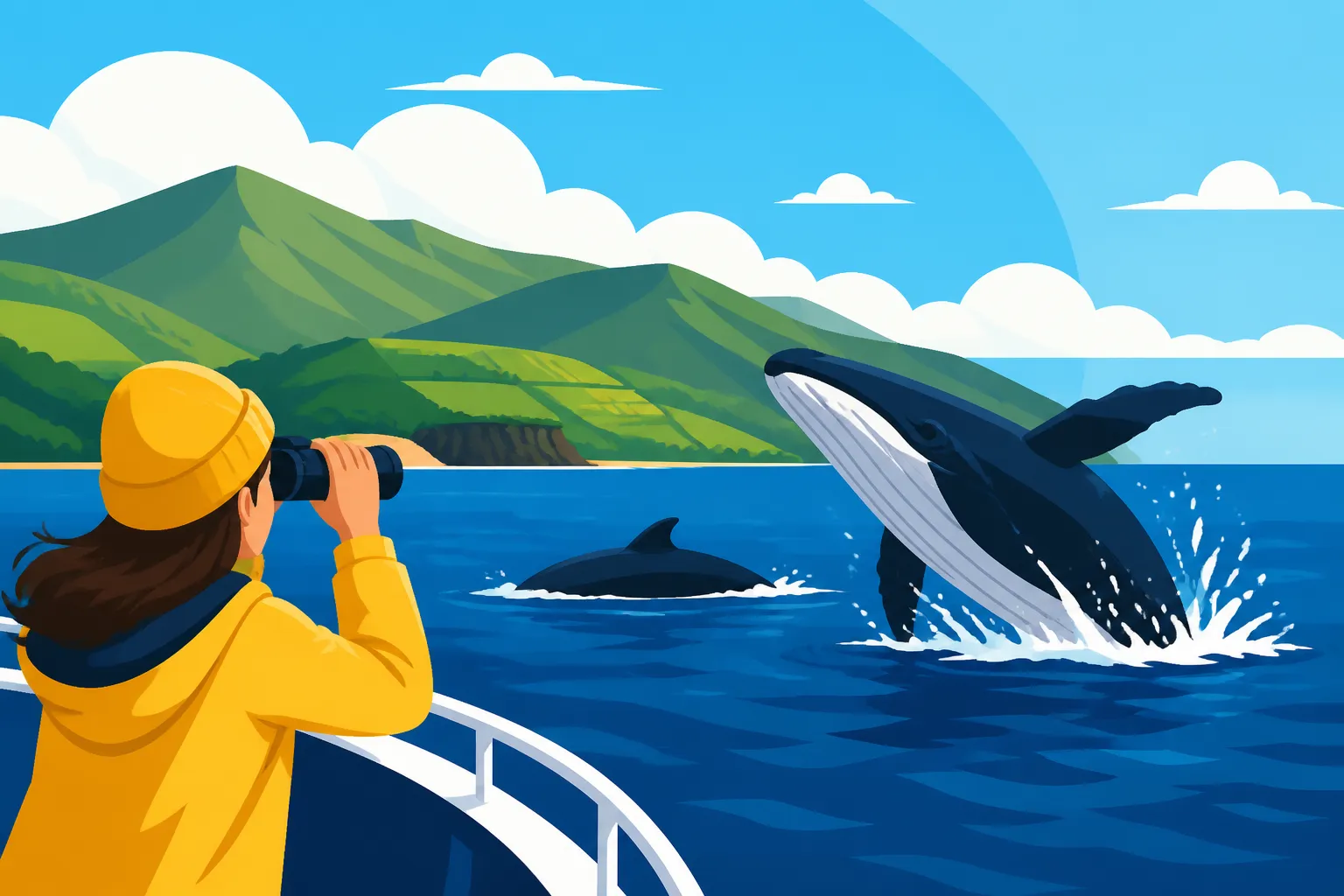
- Migratory Baleen Whales (Blue, Fin, Sei Whales): As mentioned, these are primarily seen in spring. They are filter feeders and travel vast distances. Spotting a blue whale, the largest animal on Earth, is an experience that will stay with you forever.
- Occasional Visitors: Lucky sightings can also include orcas (killer whales), minke whales, and even humpback whales, though these are less common.
The marine biologist on board will usually have a keen eye and will identify what you're seeing, explaining their behaviors and sharing fascinating facts. It really adds to the experience!
A Typical Tour: Duration and Itinerary
Most whale watching tours in the Azores last around 2.5 to 3 hours, though some operators might offer longer half-day excursions. Here's a general idea of what to expect:
- Check-in and Briefing: You'll typically arrive at the operator's office about 30 minutes before departure. Here, you'll check in, receive a safety briefing, and perhaps a quick introduction to the types of whales and dolphins you might encounter. This is also when they'll provide life vests and, if necessary, waterproof jackets.
- Boarding and Departure: You'll walk to the marina and board your chosen vessel. The boat will then head out into the open ocean.
- The Search: This is where the 'vigia' comes in. From their elevated lookout points on land, they communicate with the boats, directing them towards potential sightings. The captain and marine biologist on board also keep a sharp eye out. The journey to the whales might take anywhere from 30 minutes to an hour, depending on where the animals are.
- The Encounter: Once whales or dolphins are spotted, the boat will approach cautiously and maintain a respectful distance. This is your chance to observe, take photos, and listen to the biologist's insights. The boat will move slowly to allow ample viewing opportunities without disturbing the animals.
- Return to Marina: After a fulfilling encounter (or sometimes, after exploring a few different areas if sightings are sparse), the boat will head back to the marina.
- Debriefing (Optional): Some operators offer a brief debriefing back at their office, where you can ask more questions, look at identification charts, and sometimes even see photos taken by the crew during your trip.
It's a complete journey, not just a quick peek. It's truly one of the highlights of Living in Portugal Guide 2027: The Complete Relocation Manual for Expats, especially if you venture out to the islands.
Essential Items to Pack for Your Trip
You’ll be out on the ocean, exposed to the elements, so a little preparation goes a long way.
- Warm Layers: Even on a sunny day, the wind out at sea can be chilly. Bring a jacket, a hat, and maybe even gloves, especially in spring and autumn. You can always take layers off, but you can't conjure them out of thin air!
- Waterproof Jacket/Pants: Many operators provide these, but bringing your own waterproof shell, especially if you're on a RIB, is a smart move. You will get splashed.
- Sun Protection: Sunscreen, sunglasses, and a hat are non-negotiable. The sun's reflection off the water can be intense, even on cloudy days.
- Seasickness Medication: If you're prone to motion sickness, take medication before you board the boat. Once you're out there and feeling green, it's often too late. Dramamine or Bonine are common choices, or ask at a local pharmacy (Farmácia) for a Portuguese equivalent.
- Camera with a Good Zoom: You'll want to capture these moments! A good zoom lens is essential as you'll be maintaining a distance from the animals. Consider bringing a waterproof bag for your camera and phone.
- Binoculars: While the crew often has high-powered binoculars, having your own can enhance your personal viewing experience, especially for distant sightings.
- Water and Snacks: While some larger boats might have drinks available, it's always wise to bring your own water bottle. A small snack can also be a lifesaver if you get hungry or feel a bit queasy.
- Cash (Optional): Some operators have a small shop, or you might want to tip your crew.
Key Islands for Your Whale Watching Basecamp
The Azores consist of nine islands, and while whale watching is possible from most of them, three islands stand out as the primary hubs due to their infrastructure, experienced operators, and strategic locations.
São Miguel: The Main Gateway
São Miguel, the largest island and home to the capital Ponta Delgada, is where most visitors first arrive. It's incredibly convenient and offers the widest selection of tour operators.
- Accessibility and Infrastructure: Ponta Delgada has the main international airport, making it easy to fly in and out. The city itself is a bustling hub with plenty of accommodation, restaurants, and other activities. This means you can easily combine your whale watching trip with exploring the stunning Sete Cidades or Furnas volcanoes.
- Operator Choice: You'll find the highest concentration of whale watching companies here, offering everything from RIBs to large catamarans. This gives you flexibility in choosing the type of experience you want and finding availability. Many companies are located directly in the Ponta Delgada marina.
- Diverse Sightings: The waters around São Miguel are rich, offering excellent chances for both resident sperm whales and dolphins, as well as the migratory baleen whales in spring. The island's position provides access to deep ocean trenches where whales feed.
If you're looking for convenience and variety, São Miguel is often the best starting point for your Azorean adventure. It's a bit like Lisbon in terms of being a central hub, though obviously on a much smaller scale!
Pico: The Traditional Whaling Island with Deep Roots
Pico, with its majestic volcano, holds a unique and poignant history of whaling, which transitioned into whale watching. This history makes it a special place to experience cetaceans.
- Deep Waters and Vigias: The waters immediately surrounding Pico drop off dramatically into deep ocean trenches, which are prime habitats for sperm whales. The island is famous for its traditional vigias (spotters) who keep watch from old whaling lookout posts on the coastline, guiding the boats with incredible accuracy. This authentic approach to spotting adds a layer of cultural significance to your tour.
- Focus on Sperm Whales: Given its history and geography, Pico is an exceptional place to observe sperm whales. Many operators here specialize in deeper insights into these magnificent creatures.
- Unique Atmosphere: Pico offers a more rugged, less commercialized feel than São Miguel. Whale watching tours often depart from Lajes do Pico, a charming village with a strong connection to its maritime past. It’s a fantastic island if you want to combine your whale watching with wine tasting in the unique volcanic vineyards.
Faial: The Sailor's Haven
Just a short ferry ride from Pico, Faial is known as the "blue island" and is a legendary stop for transatlantic sailors, particularly in its capital, Horta.
- Horta Marina: Horta's marina is iconic, covered in murals painted by sailors who've crossed the Atlantic. This vibrant atmosphere extends to its whale watching scene. Operators here are experienced and offer excellent tours.
- Diverse Species: Similar to Pico, Faial's location provides access to productive waters, offering good chances for sperm whales and various dolphin species, with baleen whales also passing through in spring.
- Combine with Island Hopping: Faial is perfectly positioned for island hopping with Pico and São Jorge, allowing you to experience different facets of the Azores while still having access to top-notch whale watching. You can even use services like Omio to help plan your ferry travel between islands, just as you might for trains on the mainland.
Ultimately, the best island depends on your overall itinerary and preferences for accommodation and other activities. Many expats find Madeira and Azores: Island Living, Costs, and Expat Communities offer a different pace of life, and whale watching is a core part of that connection to nature.
A Small Note of Empathy and Realism
Let's be real for a moment. You're traveling to a remote archipelago, dealing with nature, and things don't always go exactly as planned. Tours get cancelled due to weather. Whales, being wild animals, sometimes just don't show up in large numbers, or the conditions aren't ideal for spotting them. It can be a little disappointing, especially when you've built up this incredible image in your head.
Remember, this is not a zoo. These are wild creatures in their natural habitat. Embrace the unpredictability. Even if you don't see a giant blue whale breach right next to your boat, the sheer experience of being out on the vast Atlantic, surrounded by these incredible islands, searching for marine life, is an adventure in itself. The marine biologists are passionate, the boat crews are skilled, and the Azorean landscape will take your breath away regardless.
Most ethical operators will offer a partial refund or a free rebooking if a tour is cancelled due to weather, or if no whales/dolphins are sighted (though the latter is rare). Always check their policy before booking. Come with an open mind, a sense of adventure, and layers of clothing, and you're almost guaranteed to have an incredible experience.
Final Thoughts on Your Azorean Adventure
Whale watching in the Azores isn't just an activity; it's an immersion into the powerful, vibrant ecosystem of the Atlantic. It's a chance to connect with nature on a profound level, seeing creatures that embody the wildness and majesty of the ocean. Whether you choose the bustling hub of São Miguel, the traditional charm of Pico, or the seafaring spirit of Faial, you're in for a treat. Just remember to plan wisely, pack smart, and choose an operator who respects these magnificent animals as much as you do.
Disclaimer
The information provided in this guide is for general informational purposes only and is subject to change. While we strive to keep it accurate and up-to-date, travel regulations, tour operator policies, and wildlife behaviors can vary. Always check with official sources and specific tour operators for the most current information before making travel plans or bookings.