How to Visit Cascais and Estoril From Lisbon
Disclosure: This article contains affiliate links. If you buy through them, we may earn a commission at no extra cost to you. Read our full disclosure.
Oh, the craving for a bit of sea breeze when you're caught up in the beautiful chaos of Lisbon! Many of us expats, after a while of navigating the hilly streets and bustling squares, start yearning for that quintessential Portuguese coastal charm, a place where the Atlantic stretches out endlessly. If you're wondering how to escape the city's embrace for a day of sun, sand, and seaside splendor in Cascais and Estoril, you've landed in the right spot. This guide will walk you through everything you need to know to make your day trip from Lisbon absolutely seamless and unforgettable, from transportation to hidden gems.
Getting to Cascais and Estoril from Lisbon: Your Transport Options
When planning a day trip from Lisbon to the stunning coastal towns of Cascais and Estoril, your mind might immediately jump to rental cars or pricey Ubers. But let me tell you, as someone who's done this trip more times than I can count, the absolute best, most authentic, and frankly, most relaxing way to get there is by train. It’s a journey in itself, offering incredible views and a real taste of local life.
The Scenic Train Journey from Cais do Sodré
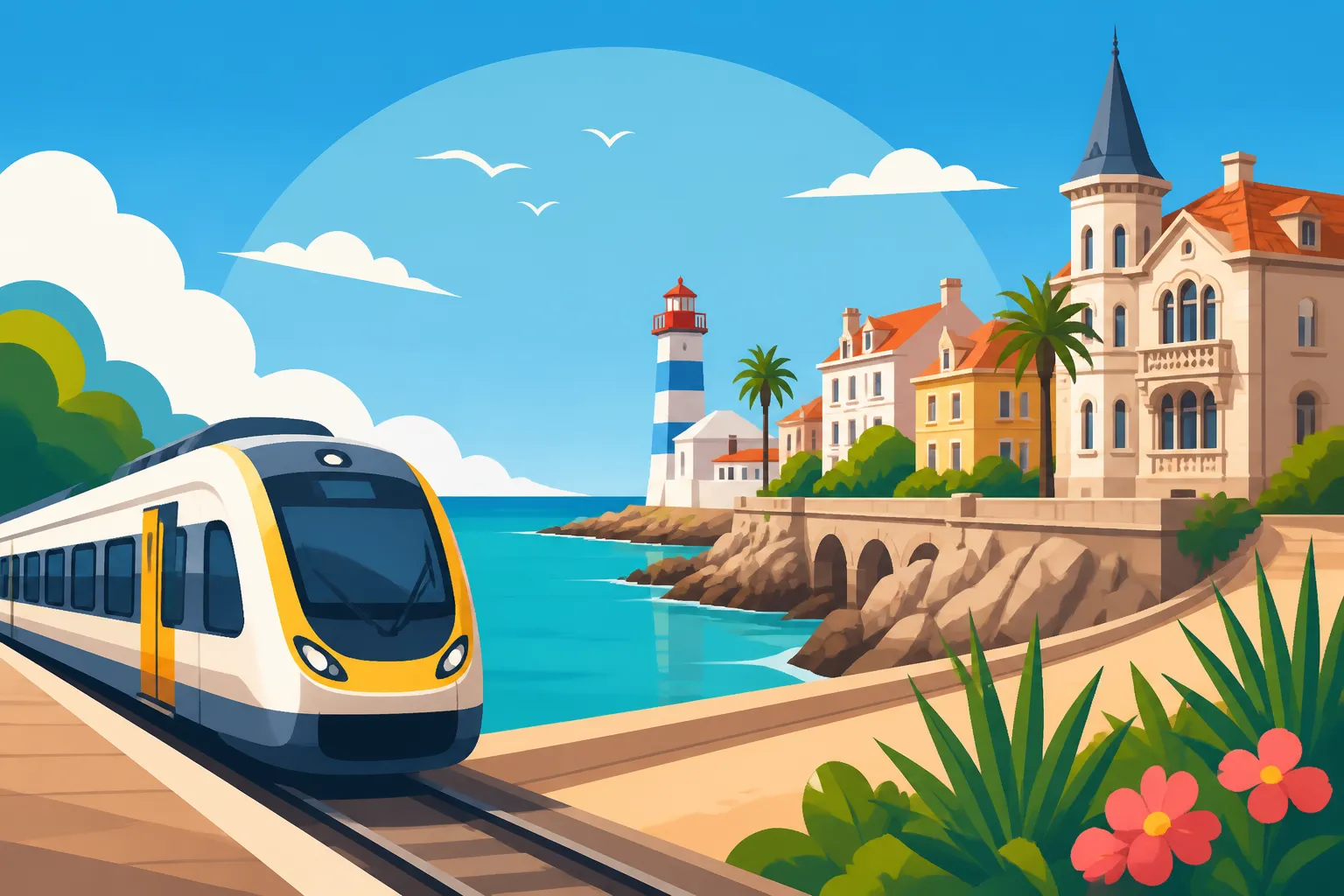
The train from Lisbon to Cascais is more than just transport; it’s an experience. This coastal line, operated by Comboios de Portugal (CP), traces the Tagus River as it widens into the Atlantic, offering panoramic views of beaches, fortresses, and charming seaside towns. You'll depart from Cais do Sodré station, which is super easy to reach via Lisbon's green metro line. Once you’re there, look for the suburban train lines (the ones that say "Cascais" on them).
Purchasing your ticket is straightforward, but it helps to know the ropes. You'll need a Viva Viagem card, which is the standard reusable electronic card for public transport in Lisbon. If you don't have one, you can buy one at the station for a small fee (usually around €0.50). Then, simply load it with a single journey ticket to Cascais, or if you plan to do a lot of hopping on and off public transport in Lisbon later, consider a daily pass. The cost for a single journey to Cascais is quite affordable, typically around €2.30, making it an excellent budget-friendly option. Trains run very frequently, usually every 10 to 20 minutes, so you never have to wait long. The entire journey from Cais do Sodré to Cascais takes about 40 minutes, with Estoril being one of the stops just before the final destination. You can easily check schedules and even plan your route using apps or platforms like Omio, which can give you real-time updates and help you compare different transport options if you're feeling adventurous. For a deeper dive into how to navigate Portugal's rail system, you might find our guide on Using Comboios de Portugal (CP) Trains and the Navegante Pass incredibly helpful.
Driving and Ride-Sharing Options
While the train is my top recommendation, there might be reasons you'd prefer to drive or take a ride-share. Perhaps you're traveling with a lot of gear for the beach, or you simply prefer the flexibility of having your own vehicle. Driving from Lisbon to Cascais takes roughly 30-45 minutes, depending on traffic and your starting point in Lisbon. You'll primarily take the A5 highway, which is a toll road, so make sure you understand Portugal's toll system, or choose a rental car that comes with a Via Verde transponder to make things easier. Parking in both Cascais and Estoril can be a bit of a challenge, especially during peak season or on sunny weekends, so factor in time to find a spot and potentially pay for it.
Ride-sharing services like Uber and Bolt are readily available in Lisbon and can take you directly to Cascais or Estoril. The cost will vary depending on demand, time of day, and specific destination, but you can expect it to be significantly more expensive than the train, potentially €20-€40 or more for a one-way trip. It offers convenience, door-to-door service, and no need to worry about parking, but it does mean missing out on those stunning coastal train views and the generally relaxed vibe of the journey. For more comprehensive information on navigating the roads and public transit in Portugal, check out our guide on Public Transport and Driving in Portugal: Trains, Tolls, and Licenses.
Here's a quick comparison of your main transport options:
| Feature | Train (CP) | Car (Rental/Own) | Ride-Share (Uber/Bolt) |
|---|---|---|---|
| Cost (One-Way) | Low (approx. €2.30 + Viva Viagem card) | Medium-High (rental fee, fuel, tolls, parking) | High (approx. €20-€40+ depending on demand) |
| Travel Time | ~40 minutes (to Cascais) | ~30-45 minutes (to Cascais, traffic dependent) | ~30-45 minutes (to Cascais, traffic dependent) |
| Convenience | High (frequent, direct, no traffic/parking stress) | Medium (flexible schedule, but parking can be an issue) | High (door-to-door, no parking stress) |
| Experience | Scenic coastal views, local immersion | Private, ability to explore off-the-beaten-path | Quick, comfortable, but less scenic or immersive |
| Flexibility | Limited to train stops & schedule, but very frequent | High (stop anywhere, anytime) | High (on-demand pickup, direct drop-off) |
Discovering the Charms of Cascais
Cascais, pronounced Cash-kaish, is a picturesque fishing village turned chic seaside resort town, bustling with life, beautiful beaches, and a vibrant cultural scene. It's truly a gem on the Portuguese Riviera, offering a fantastic contrast to the urban energy of Lisbon. Once a quiet retreat for Portuguese royalty, it still retains an air of elegance combined with a laid-back coastal vibe.
Beaches, Marina, and the Old Town
One of the main draws of Cascais is its stunning array of beaches. Praia da Rainha, or "Queen's Beach," is a small, sheltered cove known for its crystal-clear waters and picturesque setting, supposedly named because it was a favorite spot of Queen Amélia. It can get busy, but it's utterly charming. Just next to it, you'll find Praia da Conceição and Praia da Duquesa, larger stretches of sand perfect for sunbathing, swimming, or just watching the world go by. The water here is generally calm and inviting, making it ideal for families.
Beyond the beaches, Cascais boasts a charming old town with narrow cobblestone streets, traditional Portuguese architecture, and a lively pedestrianized center. Here, you'll find an abundance of boutiques, cafes, and restaurants offering everything from traditional seafood to international cuisine. Don't miss the bustling Largo de Camões, a central square that's perfect for people-watching while sipping a bica (espresso). The Cascais Marina is another highlight, where luxury yachts bob alongside traditional fishing boats, creating a dynamic backdrop for a leisurely stroll. It's a great spot to grab a drink and enjoy the sunset. For those interested in a bit of retail therapy, you'll find plenty of unique shops. And if you're planning on doing some grocery shopping for a picnic on the beach, our guide on Grocery Shopping in Portugal: Continente, Pingo Doce, Auchan, and Mercados could come in handy.
Cultural Sights and Culinary Delights
Cascais is not just about beaches; it also offers a rich cultural experience. The Citadel of Cascais, a historic fortress complex, now houses a luxury hotel, art spaces, and a museum. Wander through its grounds and imagine the history within its walls. A must-see is the Santa Marta Lighthouse Museum, perched dramatically on the cliffs, offering fascinating insights into the life of a lighthouse keeper and breathtaking views of the coastline. For art lovers, the Condes de Castro Guimarães Museum, a romantic palace-museum set amidst lush gardens, is an absolute delight, showcasing exquisite art and artifacts. It's a true step back in time.
When it comes to food, Cascais truly shines. Being a former fishing village, seafood is king here. You'll find countless restaurants serving fresh grilled fish, succulent seafood rice (arroz de marisco), and various shellfish dishes. Head to restaurants around the old town or near the marina for some of the best catches of the day. For a truly local experience, try some barnacles (percebes) if you're feeling adventurous, or simply stick to the grilled sea bass (robalo) or golden bream (dourada). Don't forget to pair your meal with a crisp vinho verde or a local craft beer. Afterwards, indulge in some traditional Portuguese pastries, like a bola de Berlim (a cream-filled donut) from a beachside vendor. For more tips on navigating the local dining scene, our article on Portuguese Coffee Culture and Restaurant Etiquette: Ordering Like a Local can help you blend in perfectly. If you're looking to enhance your visit with a guided experience, platforms like GetYourGuide offer various tours that combine sightseeing with food tasting in Cascais, giving you an insider's perspective without the hassle of planning every detail.
Exploring the Elegance of Estoril
Just a short walk or train stop from Cascais lies Estoril, another elegant resort town that exudes a more subdued, sophisticated charm. While perhaps less overtly bustling than Cascais, Estoril holds its own with a fascinating history, a famous casino, and beautiful beaches. It was a haven for European royalty and spies during World War II, a legacy that adds a touch of intrigue to its coastal beauty.
Casino Estoril and the Gardens
The undeniable centerpiece of Estoril is the grand Casino Estoril, reputedly the largest casino in Europe. Its opulent halls and vibrant atmosphere have drawn visitors for decades, even inspiring Ian Fleming during his time here, leading to the creation of James Bond's Casino Royale. Beyond the gambling tables, the casino complex often hosts live music, cultural shows, and a variety of restaurants and bars. Even if you're not a gambler, stepping inside to admire its architecture and soak in the atmosphere is an experience in itself.
Surrounding the casino are meticulously manicured gardens, the Jardim do Casino. These beautiful green spaces offer a tranquil escape, perfect for a leisurely stroll. They are often adorned with vibrant flowers, shaded benches, and charming fountains, providing a lovely contrast to the glitz of the casino. In the evenings, the gardens are beautifully lit, adding to the romantic ambiance. It’s a wonderful spot to relax and enjoy the serene coastal air.
Praia do Tamariz and the Paredão Walkway
Adjacent to the Casino Estoril, you'll find Praia do Tamariz, Estoril's most famous beach. It's a beautiful stretch of sand, perfect for sunbathing and swimming, with a charming promenade lined with cafes and restaurants. The iconic feature here is the small, elegant castle on the western end, the Forte da Cruz, which adds a touch of fairytale magic to the coastline. The waters are usually calm, making it another family-friendly option.
One of the greatest pleasures of visiting Estoril and Cascais is the paredão, a scenic coastal promenade that connects the two towns. This roughly 3-kilometer (just under 2 miles) walkway offers stunning ocean views, passing by various beaches, cafes, and rock formations. It's perfect for a leisurely walk, a jog, or a bike ride, and it’s completely flat, making it accessible for everyone. Many expats consider this walk a staple weekend activity. You can start in Estoril and walk all the way to Cascais, stopping for a coffee or an ice cream along the way, or vice-versa. It’s a fantastic way to experience the continuous beauty of the Portuguese Riviera and discover smaller, hidden beaches and viewpoints. This walk is often considered one of the highlights of a visit to the region, allowing you to easily combine the distinct charms of both towns into a single, memorable day.
Making the Most of Your Coastal Day Trip
A day trip to Cascais and Estoril is wonderfully manageable, but a little planning can help you maximize your enjoyment. These two towns are close enough to explore comfortably in a single day, offering a perfect blend of relaxation, culture, and culinary delights.
Combining Cascais and Estoril for a Full Day
The beauty of this coastal stretch is how easily you can explore both towns. Most people choose to take the train directly to Cascais, spend the morning and early afternoon exploring its old town, beaches, and cultural sights. Enjoy a delicious seafood lunch, perhaps a local specialty. Then, in the mid-afternoon, embark on the picturesque paredão walk from Cascais to Estoril. This allows you to digest your lunch, soak in the ocean views, and discover the smaller beaches and charming spots in between.
Upon arriving in Estoril, you can explore the Casino Estoril and its beautiful gardens, maybe try your luck at the tables, or simply enjoy a relaxing drink at one of the promenade cafes by Praia do Tamariz. Catch the sunset over the Atlantic before hopping back on the train from Estoril station directly to Cais do Sodré in Lisbon. This itinerary offers a balanced experience, showcasing the best of both worlds. Remember to wear comfortable shoes, as you’ll be doing a fair bit of walking, especially if you tackle the paredão.
Practical Tips for a Smooth Excursion
- Sun Protection: Portugal's sun can be intense, even on what seems like a cloudy day. Pack sunscreen, a hat, and sunglasses, especially if you plan to spend time on the beach or walking the paredão.
- Swimwear: Don't forget your bathing suit! The beaches in both Cascais and Estoril are incredibly inviting, and a refreshing dip in the Atlantic is often the perfect way to cool off.
- Cash vs. Card: While most establishments accept card payments, it’s always a good idea to carry some cash for smaller purchases, beachside vendors, or if you encounter a rare card-only glitch. The Multibanco system is ubiquitous, so finding an ATM is never an issue.
- Language: While many people in tourist areas speak English, especially younger generations, knowing a few basic Portuguese phrases will always be appreciated. Even a simple "Olá" (hello), "Obrigado/a" (thank you), or "Por favor" (please) can go a long way. For those looking to dive deeper into the local culture and connect, our article on Daily Life in Portugal: Supermarkets, Language, and Cultural Etiquette offers excellent insights.
- Booking Accommodations: If you find yourself so enchanted by the coastal vibe that you wish to extend your stay beyond a day trip, both Cascais and Estoril offer a range of accommodation options, from boutique hotels to charming guesthouses. You can easily find and book these through platforms like Booking.com, which offer a wide selection to suit various budgets and preferences.
- Consider a Tour: If you prefer a completely hands-off approach to planning, various guided tours from Lisbon include stops in Cascais and Estoril, often combining them with other nearby attractions like Sintra. These tours can take care of all transportation and provide expert local insights, letting you just relax and enjoy. Websites like GetYourGuide offer a plethora of options to choose from.
This day trip is a beloved tradition for many who live in or visit Lisbon, and for good reason. It’s an accessible, beautiful escape that truly showcases another wonderful facet of Portugal. Enjoy your time soaking up the sun and history on the Portuguese Riviera!
Disclaimer
Please note that while every effort has been made to provide accurate and up-to-date information, circumstances such as public transport schedules, prices, and opening hours can change. It is always advisable to check the latest information from official sources before planning your trip. This guide is for informational purposes only and does not constitute professional advice.