What Time Do Portuguese People Eat Lunch and Dinner?
Disclosure: This article contains affiliate links. If you buy through them, we may earn a commission at no extra cost to you. Read our full disclosure.
One of the most delightfully frustrating things about adjusting to life in Portugal is figuring out the rhythm of daily life, especially when it comes to mealtimes. If you’ve just arrived from North America or Northern Europe, you’ll quickly realize that your stomach clock is probably set to a completely different timezone than the locals. This guide will walk you through the typical lunch and dinner hours, explain why they are the way they are, and offer some veteran tips for navigating the Portuguese culinary calendar without getting hangry.
The Portuguese Lunch Hour: A Relaxed Midday Affair
Unlike many cultures where lunch is a quick sandwich grabbed at the desk, the Portuguese view lunch, or almoço, as a significant midday meal, often the largest of the day. This isn't just about food; it's about tradition, family, and a brief respite from the daily grind. Don't expect to see many bustling lunch crowds before 12:30 PM, and certainly not before noon.
Typical Lunch Timings and Cultural Nuances
Most restaurants, especially traditional tascas or restaurantes, start serving almoço around 12:30 PM and continue until about 2:30 PM or 3:00 PM. If you walk into a restaurant at 11:45 AM expecting a full meal, you'll likely find the staff still setting up, or perhaps enjoying their own pre-service meal. Many will just offer you a coffee – a strong bica, of course – and politely tell you the kitchen isn't quite ready.
This timing is deeply ingrained in Portuguese culture. Historically, and still in many families, people would go home for lunch. Schools would have longer breaks to allow children to eat with their families. While modern life, particularly in cities like Lisbon and Porto, has shifted this slightly, with many people opting for office canteens or local eateries, the concept of a substantial, unrushed lunch persists. It’s a moment to truly pause, often with colleagues or friends, and enjoy a proper meal, perhaps even a glass of wine, especially if it’s a Friday. If you're trying to schedule meetings, keep in mind that attempting to book anything between 1:00 PM and 2:30 PM might be met with polite, but firm, resistance as it clashes with this sacred lunch window. For insights into general work dynamics, you might find our guide on Portuguese Work Culture: Hours, Communication, and Office Etiquette helpful.
The "Prato do Dia" and Other Lunch Options
During lunchtime, you'll find most establishments offering the "Prato do Dia" (dish of the day) or "Menu do Dia" (daily menu). This is often a fantastic, budget-friendly option that includes a soup, a main course, a drink, and sometimes coffee, all for a very reasonable price, typically ranging from €7 to €12. These dishes are prepared fresh daily and represent hearty, traditional Portuguese cooking. Think bacalhau à Brás, cozido à Portuguesa, or a rich feijoada.
The beauty of the prato do dia is its efficiency. It's designed to be served relatively quickly, allowing people to enjoy their meal without stretching their break too long. However, "quickly" by Portuguese standards might still feel a bit leisurely compared to a grab-and-go culture. Don't be surprised if your lunch stretches to an hour, even on a weekday. The focus is on savoring the food and the company. If you’re visiting different cities or planning day trips, remember to factor these leisurely lunch timings into your itinerary, especially when using services like Omio to plan your train or bus departures. Missing a train because you lingered over your bife à Portuguesa is a rite of passage for some expats!
Dinner in Portugal: A Late-Night Affair
If lunch is a substantial affair, dinner, or jantar, in Portugal truly embraces the late-night European tradition. For many visitors and new expats, this is the biggest adjustment, often leading to early evening hunger pangs and a confused search for an open kitchen.
When Restaurants Open and Locals Dine
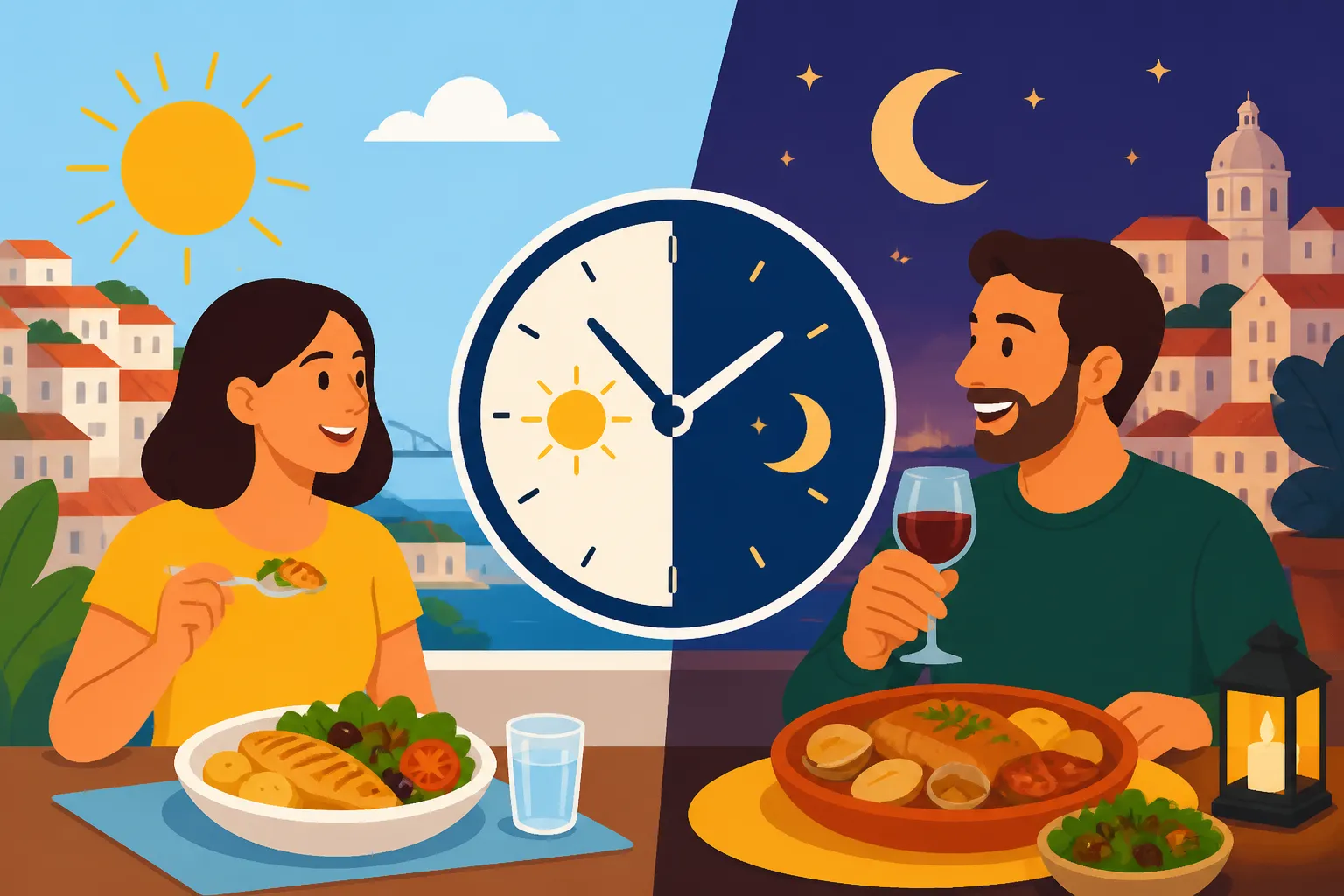
You'll find that most Portuguese restaurants, especially outside heavily touristed areas, don't even open their doors for dinner service until 7:00 PM or 7:30 PM. And even then, locals rarely start drifting in until 8:00 PM or 8:30 PM. Peak dining hours typically fall between 9:00 PM and 10:00 PM, particularly on weekends. It's not uncommon to see families with young children sitting down for dinner closer to 9:30 PM or 10:00 PM, a sight that often baffles those from cultures where kids are tucked into bed by then.
This later dining schedule is largely influenced by the warm climate and historical traditions. In the summer months, the heat often means that daytime activities stretch longer, and the cooler evening air is much more inviting for a leisurely meal. The concept of an afternoon siesta, while not as prevalent as it once was, also contributes to a later overall daily schedule. Imagine trying to eat a heavy meal at 6 PM when the sun is still beating down fiercely! This cultural rhythm extends beyond just eating; understanding these nuances can really help you settle into Daily Life in Portugal: Supermarkets, Language, and Cultural Etiquette.
Bridging the Gap: The Importance of "Lanche"
So, what do you do if you finish work or sightseeing at 6:00 PM and your stomach is rumbling, but dinner isn't even a glimmer on the horizon? This is where the lanche comes in. The lanche is a crucial late afternoon snack, typically consumed between 4:30 PM and 6:30 PM. It's not just for kids; adults embrace it too. This can be anything from a pastry (a pastel de nata, naturally!) and coffee, to a small sandwich, a toastie (tosta mista), or even a small savory snack called a salgado.
Many pastelarias (pastry shops) and cafes remain open throughout the late afternoon, perfectly positioned to offer this sustenance. Embracing the lanche is key to surviving Portuguese meal timings without feeling constantly hungry. Think of it as your strategic bridge between a hearty lunch and a late dinner. For more on how to order your midday pick-me-up, check out our guide on Portuguese Coffee Culture and Restaurant Etiquette: Ordering Like a Local.
Navigating Meal Times as an Expat or Tourist
Adjusting to Portuguese meal times requires a bit of planning and a willingness to embrace a new rhythm. While it might feel awkward at first, soon you’ll find yourself enjoying these extended, social meal experiences.
Practical Tips for Dining Out
- Embrace Flexibility: If you're a creature of habit, this will be your biggest challenge. Learn to eat when the Portuguese eat. If you absolutely must eat earlier, especially for dinner, look for restaurants in more tourist-heavy areas. They often cater to international schedules and might open slightly earlier, perhaps around 6:00 PM or 6:30 PM, though their menu or ambiance might be less authentically Portuguese.
- Make Reservations: For popular restaurants, especially on weekends or if you're a larger group, making a reservation is always a good idea. Even if you plan to eat at a slightly "earlier" time like 8:00 PM, a reservation ensures you won't be left wandering if kitchens are only just firing up or already busy with early local birds.
- Explore Different Types of Eateries:
- Cafes/Pastelarias: Excellent for breakfast, snacks (lanches), and light lunch items. They often have savory pastries, sandwiches, and soup available all day.
- Shopping Center Food Courts: These are reliable options if you need food at odd hours. They usually open earlier and close later than traditional restaurants.
- Markets: Many municipal markets, like Time Out Market in Lisbon or Mercado Bom Sucesso in Porto, offer food stalls with continuous service throughout the day, providing delicious options when traditional restaurants are closed.
- Stock Your Kitchen: If you have a self-catering apartment booked through platforms like Booking.com, taking advantage of local supermarkets is a lifesaver. You can pick up cheeses, pão (bread), chouriço, and fruit for those "emergency" early dinners or late-night snacks. Getting familiar with Grocery Shopping in Portugal: Continente, Pingo Doce, Auchan, and Mercados will save you from going hungry.
When planning activities, especially with tour operators like GetYourGuide, keep meal times in mind. A wine tasting tour that ends at 5:00 PM might leave you famished before dinner service starts, so pack a snack or know where the nearest pastelaria is! And speaking of planning your budget, remember to factor in eating out costs, as outlined in our guide on the Real cost of living in Lisbon 2026: Rent, groceries, and eating out breakdown.
Seasonal Adjustments and Holiday Closures
It's also worth noting that meal times and restaurant availability can subtly shift with the seasons. During peak summer, particularly in August when many Portuguese take their holidays (famously known as The "August Shutdown": Why getting things done in summer is impossible), some smaller, family-run establishments might close entirely for a few weeks. Others might adjust their hours to accommodate the influx of tourists, sometimes opening earlier but also filling up more quickly.
Conversely, in smaller, more rural towns during the off-season, you might find fewer options open, particularly late at night. Always check opening hours online or call ahead if you're unsure, especially if you're venturing off the beaten path.
Understanding the Dining Flow: More Than Just Food
Portuguese dining is a social ritual. It's not just about consuming calories; it's about connection, conversation, and enjoying life's simple pleasures. This ethos contributes significantly to the unhurried pace and later meal times.
When you sit down for a meal, particularly dinner, expect a leisurely pace. Starters (entradas) might include bread, olives, cheese, or patê de atum (tuna spread) that are placed on your table automatically. Be aware that these aren't free; if you eat them, you'll be charged. If you don't want them, simply say "Não, obrigado/a" (No, thank you) and they'll be taken away. After the main course, dessert and coffee are standard, often followed by a small digestif. There's no rush to turn tables over like in some faster-paced countries. This extended experience is part of the charm. When it comes to the bill, understanding Tipping culture in Portugal: Do you leave 10% or just round up the bill? can help you navigate the end of your meal smoothly.
It's also a great way to meet people. Many expats find that sharing a meal or a coffee is an integral part of Making Friends and Networking in Portugal: Expat Groups and Meetups. Don't be shy; embrace the social aspect of Portuguese dining, even if it means adjusting your internal clock a little.
Table: Typical Portuguese Meal Times
Here's a quick overview of the usual meal timings you can expect in Portugal:
| Meal | Typical Time Range (Weekdays) | Typical Time Range (Weekends) | Notes |
|---|---|---|---|
| Pequeno-almoço (Breakfast) | 7:30 AM – 10:00 AM | 8:30 AM – 11:00 AM | Usually light: coffee, bread/toast with butter/jam, pastry. Hotels often serve earlier. |
| Almoço (Lunch) | 12:30 PM – 2:30 PM | 1:00 PM – 3:30 PM | The main meal of the day. Restaurants often close kitchen between 3:00/3:30 PM and 7:00/7:30 PM. |
| Lanche (Afternoon Snack) | 4:30 PM – 6:30 PM | 4:00 PM – 7:00 PM | Crucial bridge between lunch and dinner. Coffee, pastry, small sandwich. Available at pastelarias and cafes. |
| Jantar (Dinner) | 7:30 PM – 10:00 PM | 8:00 PM – 11:00 PM | Restaurants typically open at 7:00 PM/7:30 PM, but locals usually dine later. Peak hours are 9:00 PM-10:00 PM. Reservations recommended for popular spots, especially on weekends or if you're using a platform like Booking.com to coordinate group dinners. |
Final Thoughts on Portuguese Meal Rhythms
Embracing the Portuguese way of eating means more than just knowing when to eat; it's about understanding the cultural significance of food and shared meals. It's a slower, more deliberate approach that values connection over efficiency. While it might take some getting used to, especially if you’re used to dining much earlier, you'll soon find that these later hours lend themselves perfectly to long, enjoyable conversations and a truly relaxed lifestyle. So, go ahead, grab that bica and pastel de nata for your lanche, and settle in for a delightful, albeit late, Portuguese dinner.
Disclaimer
The information provided in this guide is for general informational purposes only and is based on common practices and current observations in Portugal. Meal timings, restaurant hours, and cultural norms can vary by region, specific establishment, and seasonality. While efforts have been made to ensure accuracy, readers should always verify specific details with local businesses or official sources, particularly when planning travel or making reservations.