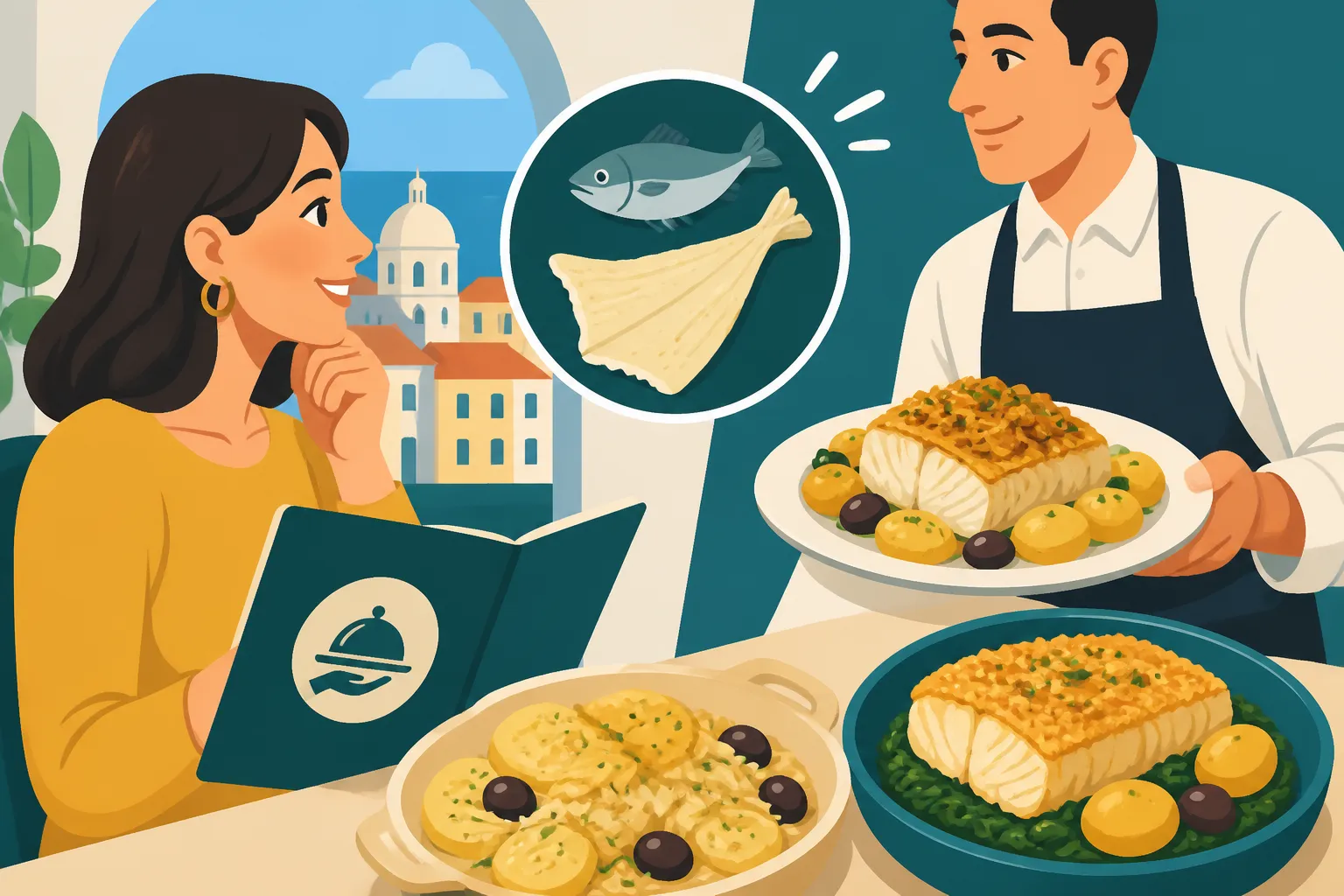
How to Order Bacalhau and Try Portugal’s Cod Dishes
Disclosure: This article contains affiliate links. If you buy through them, we may earn a commission at no extra cost to you. Read our full disclosure.
It's one of those quintessential Portuguese experiences, isn't it? You arrive, excited to dive into the local cuisine, and then you open a menu and are immediately faced with what feels like a hundred different variations of "bacalhau." It can be utterly overwhelming, like trying to decipher a secret code written in delicious, salty fish. But don't you worry, because this guide is here to unravel the mystery of Portugal's beloved cod, helping you confidently order and savor its incredible diversity, just like a local.
The Unsung Hero: Understanding Bacalhau's Place in Portuguese Culture
Before we even get to ordering, it's crucial to understand why bacalhau holds such a sacred, almost mythical, place in the hearts (and stomachs) of the Portuguese. It's not just food; it's history, tradition, and a source of national pride. Expats often scratch their heads, wondering why a country with such a long coastline focuses so much on dried, salted cod when fresh fish is abundant. The answer, my friends, lies deep in the annals of Portugal's seafaring past.
Back in the Age of Discoveries, when Portuguese caravels were charting new worlds, the ability to preserve food for long voyages was paramount. Salted cod, or bacalhau, was the perfect solution. It could last for months, even years, without refrigeration, providing essential protein to sailors and explorers. When they returned, the tradition stuck, becoming ingrained in the national diet. Over centuries, this simple preserved fish transformed into an art form, with cooks devising countless ways to rehydrate, desalt, and transform it into mouth-watering dishes. They say there are "1001 ways to cook bacalhau," and while that might be a slight exaggeration, you'll certainly find enough variations to keep your taste buds intrigued for a lifetime. This deep historical connection makes bacalhau more than just a meal; it's a taste of Portugal's soul.
A Deep Dive into Portugal's Cod Obsession
The sheer variety of bacalhau preparations isn't just a quirk; it's a testament to Portuguese culinary ingenuity. Think about it: taking a heavily salted, dried fish and transforming it into something tender, flaky, and packed with flavor requires skill and dedication. The process itself, from the initial salting and drying (which, by the way, typically happens in Norway or Iceland, as Portugal doesn't have the cold, dry climate for it) to the meticulous desalting by soaking it in water for days, is an art.
For many Portuguese families, bacalhau is the centerpiece of festive meals, especially Christmas Eve. Bacalhau cozido (boiled cod with potatoes and greens) is a simple yet cherished tradition. This reliance on a preserved fish also speaks to the resilience and resourcefulness of the Portuguese people, who historically made do with what they had, elevating humble ingredients to gastronomic heights. It’s a dish that transcends social classes, enjoyed in Michelin-starred restaurants and humble tascas alike. Even if you're traveling across the country, say, taking a train from Lisbon to Porto with Omio to sample regional variations, you'll find the same reverence for bacalhau everywhere.
The Economics and Availability of Bacalhau
Despite its humble origins, bacalhau can sometimes be surprisingly expensive, especially for the prime cuts. This is partly due to the import costs and the labor-intensive process of preparing it. You'll find different grades and cuts, from the thick, meaty lombos (loins) to the more economical shredded pieces. Don't be surprised to see prices ranging quite a bit between a posta (a thick slab) of fresh-tasting bacalhau and a plate of Pataniscas de Bacalhau (codfish cakes), for example.
For expats settling in, knowing where to buy good quality bacalhau is a rite of passage. Supermarkets like Continente, Pingo Doce, and Auchan all carry various forms, but often the best places are local mercados or specialty fish shops (peixarias) where you can get advice on cuts and desalting. This also connects to the topic of Grocery Shopping in Portugal: Continente, Pingo Doce, Auchan, and Mercados if you're looking for more details on sourcing your ingredients. Even though it's a traditional food, its availability year-round means you can satisfy your bacalhau craving any time you like.
Navigating the Bacalhau Menu: Common Preparations and What to Expect
Alright, let's get down to business. You're in a restaurant, menu in hand, and you see "Bacalhau à Brás," "Bacalhau com Natas," "Bacalhau à Lagareiro," and more. Which one do you choose? It’s like a delicious, yet confusing, culinary lottery. Here’s a breakdown of some of the most popular and iconic bacalhau dishes you’ll encounter.
Top Bacalhau Dishes You Absolutely Must Try
Each bacalhau dish has its own personality, offering a different flavor profile and texture. Here are some of the heavy hitters you’ll see on most menus:
- Bacalhau à Brás: This is arguably the most famous and universally loved bacalhau dish. It features shredded cod mixed with thinly fried potato sticks, scrambled eggs, onions, garlic, and usually garnished with black olives and fresh parsley. It's comfort food at its finest – moist, savory, and incredibly satisfying. Often served with a simple salad, it’s a dish that feels homey and deeply Portuguese.
- Bacalhau com Natas: (Cod with Cream) Oh, this one is pure indulgence! Flaked bacalhau is layered with thinly sliced fried potatoes and sautéed onions, all bathed in a rich, creamy sauce, then baked in the oven until golden and bubbly. It's incredibly rich, decadent, and perfect for a colder evening. While you might find variations, the essence is always that creamy, comforting goodness.
- Bacalhau à Gomes de Sá: A classic from Porto, this dish involves flaked bacalhau oven-baked with sautéed onions, garlic, new potatoes, hard-boiled eggs, and black olives. It’s hearty, flavorful, and a staple in northern Portugal. If you're on a food tour or just exploring on your own in Porto, using platforms like GetYourGuide could help you discover local eateries famous for this particular preparation.
- Bacalhau à Lagareiro: Named after the "lagareiro" (olive oil presser), this dish highlights the glorious Portuguese olive oil. A thick, roasted posta (steak) of bacalhau is served with "batatas a murro" (punched potatoes), which are small, roasted potatoes lightly smashed and drenched in olive oil and garlic. It's simpler, allowing the quality of the cod and olive oil to shine, resulting in a beautifully tender, flaky piece of fish.
- Pataniscas de Bacalhau: These are delicious, crispy cod fritters, often served as an appetizer (entrada) or a light meal. Made with shredded bacalhau, flour, eggs, and plenty of fresh herbs like parsley, they're fried until golden brown. They’re fantastic with a dollop of arroz de feijão (bean rice) or a simple salad. They are also common in taverns and cafés as a quick snack.
- Bolinhos de Bacalhau (or Pastéis de Bacalhau): These are perhaps the most recognizable bacalhau bites. Small, oval-shaped fried cakes made from shredded cod, mashed potatoes, eggs, and parsley. They're crispy on the outside, soft on the inside, and perfect for a snack with a cold beer or glass of Vinho Verde. You'll find them everywhere, from pastry shops to dedicated bacalhau houses.
This isn't an exhaustive list, mind you. You might also encounter Bacalhau Assado na Brasa (grilled cod), Bacalhau à Zé do Pipo (cod with mayonnaise crust), or Bacalhau Espiritual (a lighter, gratinated version). Each offers a unique window into Portuguese cooking.
Regional Specialties and Their Flavors
Just like wine regions, different areas of Portugal boast their own twists on bacalhau. While Bacalhau à Brás is ubiquitous, other dishes have strong regional ties. For instance, the richer, creamier dishes or those baked with lots of olive oil tend to be more prevalent in the colder, northern regions like Minho, where dishes like Bacalhau à Moda de Braga are quite famous – a fried cod dish with thin fried potatoes and a spicy touch. If you decide to spend a few days exploring these northern flavors, finding a quaint guesthouse on Booking.com in a city like Braga or Guimarães could be part of your gastronomic journey.
Further south, particularly along the coast, you might find bacalhau grilled more simply, allowing the fish itself to be the star. The Alentejo region, known for its hearty, rustic cuisine, might incorporate bacalhau into stews or with bread. The Azores and Madeira also have their own interpretations, often influenced by island ingredients and cooking methods. So, when you're traveling, keep an eye out for regional variations – they’re always a treat!
Ordering Like a Local: Tips for Choosing and Enjoying Bacalhau
Now that you know your à Brás from your com Natas, let’s talk about the practicalities of ordering and truly enjoying your bacalhau experience. It's more than just pointing at a menu item; it's about understanding the nuances, the portion sizes, and perhaps even practicing a little Portuguese.
Navigating the Menu and Asking for Recommendations
First things first, don't be shy about asking for help! Many restaurant staff in tourist areas, especially in Lisbon and Porto, will speak some English. However, a little effort goes a long way. Try asking: "Qual é o bacalhau da casa?" (What is the house bacalhau?) or "Qual é a sua recomendação de bacalhau?" (What is your bacalhau recommendation?). This shows respect for the local culture and often results in a fantastic suggestion.
Portions in Portugal, particularly for main dishes, can be incredibly generous. Many bacalhau dishes are easily enough for two people, or even three, especially if you’ve started with appetizers. If you’re unsure, ask "É para uma pessoa ou para partilhar?" (Is it for one person or to share?). Don't be surprised if a dish advertised for one person could feed a small army! This is a common aspect of dining, and it also applies to many other dishes, not just bacalhau. If you are new to the local dining culture, you might find more general advice in a guide like Portuguese Coffee Culture and Restaurant Etiquette: Ordering Like a Local.
Wine Pairings and Side Dishes
When it comes to drinks, bacalhau pairs beautifully with wine. For lighter preparations like Bacalhau à Brás or Pataniscas, a crisp, refreshing Vinho Verde (green wine) is often the perfect accompaniment. Its slight fizziness and acidity cut through the richness of the food. For heartier, oven-baked dishes like Bacalhau com Natas or Bacalhau à Lagareiro, a medium-bodied red wine from the Dão or Douro region can be an excellent choice. Don't be afraid to ask the waiter for their wine recommendation – they often know best!
Most bacalhau dishes already come with potatoes (fried, roasted, or mashed) and often a simple salad. Sometimes, you might get a side of grelos (broccoli rabe) or other greens, especially with boiled cod. You usually won't need to order extra side dishes unless you have a particularly large appetite or want something specific.
Here’s a quick reference table for some common bacalhau dishes and their characteristics:
| Dish Name | Main Ingredients | Typical Preparation | Flavor Profile | Regional Association |
|---|---|---|---|---|
| Bacalhau à Brás | Shredded cod, straw potatoes, scrambled eggs, onions, garlic, parsley, black olives | Sautéed and scrambled | Savory, comforting, moist | Lisbon |
| Bacalhau com Natas | Flaked cod, sliced fried potatoes, onions, creamy sauce | Oven-baked, gratinéed | Rich, creamy, indulgent | Nationwide |
| Bacalhau à Gomes de Sá | Flaked cod, onions, garlic, new potatoes, hard-boiled eggs, black olives, olive oil | Oven-baked | Hearty, earthy, savory | Porto |
| Bacalhau à Lagareiro | Roasted cod loin, "punched" potatoes, lots of olive oil, garlic | Roasted | Simple, fresh, pure cod flavor, rich olive | Beiras, Minho |
| Pataniscas de Bacalhau | Shredded cod, flour, eggs, parsley, onions | Deep-fried fritters | Crispy exterior, soft interior, savory | Nationwide |
| Bolinhos de Bacalhau | Shredded cod, mashed potatoes, eggs, parsley | Deep-fried small cakes | Classic, salty, addictive snack | Nationwide |
The Desalting Process and Your Expectations
It's common for newcomers to wonder if bacalhau is going to be incredibly salty. While it starts that way, the desalting process is crucial and done meticulously by restaurants and home cooks alike. Good bacalhau should not be overly salty; it should retain a subtle saltiness that enhances its flavor, but it shouldn't overpower the dish. If you find a dish too salty, it might just be a sign of a less-than-perfect preparation. However, if you are genuinely struggling with the salt, you can always mention "Está um pouco salgado para mim" (It's a bit salty for me), although this is rarely necessary in reputable establishments.
For those considering a move or a longer stay in Portugal, you'll eventually learn the ropes of cooking your own. Guides like Daily Life in Portugal: Supermarkets, Language, and Cultural Etiquette can provide broader insights into adapting to local habits, including food preparation.
Beyond the Restaurant: Where to Buy and Prepare Bacalhau at Home
For the adventurous expat or the long-term visitor, trying your hand at cooking bacalhau at home is a rewarding experience. It's a way to truly embrace Portuguese culinary culture and perhaps even create your own "1002nd way" of preparing it!
Choosing the Right Bacalhau at the Market
When you venture into a Portuguese supermarket or mercado in search of bacalhau, you'll find a few options. The most traditional is the whole, dried, and heavily salted cod, which will need significant desalting. You'll see different cuts:
- Lombos de Bacalhau: The thickest, meatiest parts, usually from the back. These are prized and often used for roasted or grilled dishes.
- Postas de Bacalhau: Slabs or steaks of cod, often with bone, suitable for roasting or boiling.
- Abas: Thinner cuts, good for shredding.
- Migas de Bacalhau: Pre-shredded pieces, often smaller and more economical, perfect for dishes like Bacalhau à Brás or Pataniscas.
You can also find bacalhau already frozen and sometimes even pre-desalted, which is a huge time-saver for busy cooks. However, many purists argue that the flavor is best when you desalt it yourself from the dried form. Look for fish that is thick, has a consistent color (not too yellow), and smells fresh (not overly fishy or ammonia-like). Don't be afraid to ask the fishmonger for advice; they're usually happy to help.
The Art of Desalting at Home
This is where many first-time bacalhau cooks get intimidated, but it's really quite simple, albeit time-consuming. The general rule is to soak the dried bacalhau in cold water, changing the water frequently.
- Preparation: Rinse the cod under cold water to remove any surface salt.
- Soaking: Place the cod in a large bowl or container, completely submerged in cold water. You can even place it in the fridge during this process, especially in warmer months.
- Water Changes:
- For thinner cuts or shredded migas, change the water every 6-8 hours for about 24-36 hours.
- For thicker postas or lombos, change the water every 6-8 hours for 48-72 hours.
- Extremely thick pieces might need even longer.
- Testing: Taste a tiny bit of a cooked flake of the cod to check the saltiness. It should still have some salt, but not be overwhelmingly so.
The key is patience! If you rush it, your bacalhau will be too salty. If you over-soak it, it might become bland and lose its characteristic texture. This process is truly a labor of love, and mastering it is a mark of a true Portuguese cook.
Disclaimer
Please remember that this guide provides general information based on common practices and current knowledge. While we strive to be as accurate and up-to-date as possible, culinary traditions, restaurant offerings, and market availability can change. Always verify specific details with local establishments or food experts. Personal preferences for taste and saltiness can vary widely, so don't be afraid to experiment and find your own favorite bacalhau dish!