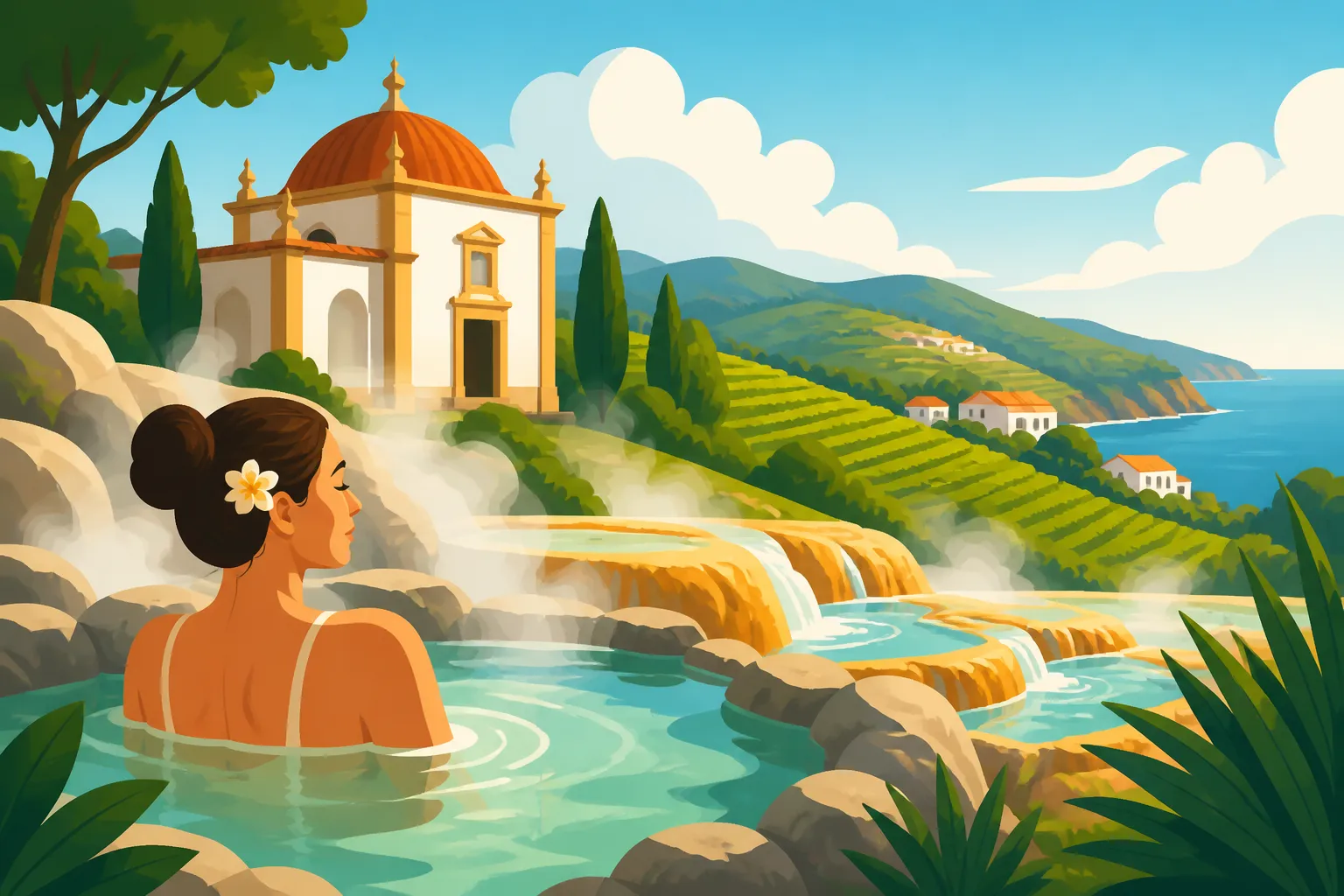
Thermal Spas and Hot Springs in Portugal
Disclosure: This article contains affiliate links. If you buy through them, we may earn a commission at no extra cost to you. Read our full disclosure.
If you have ever found yourself shivering in a drafty Portuguese stone house during a rainy February, you know that the "sunny Portugal" dream has a damp, chilly underside. This guide is your survival manual for those bone-chilling months, revealing the network of thermal spas and hot springs that locals use to stay sane and healthy when the Atlantic winds howl.
The Cultural Legacy of Termas in Portugal
When you first move here, you might notice signs for Termas scattered across the countryside. For a veteran expat, these are not just "spas" in the modern, incense-and-whale-music sense. They are historic institutions, often built directly over Roman foundations, where the water is treated with a level of reverence usually reserved for Fado or football. Understanding the distinction between a luxury spa and a traditional Portuguese Termas is the first step toward integrating into the local lifestyle.
From Roman Foundations to Belle Époque Luxury
Portugal’s relationship with hot springs dates back over two millennia. The Romans were the first to systematically harness the mineral-rich waters of the Iberian Peninsula, establishing baths in places like Chaves and São Pedro do Sul. After the Romans left, these springs remained, but they saw a massive resurgence during the 19th and early 20th centuries. This was the era of the "Grande Hotel" and the Belle Époque, where European royalty would descend upon towns like Vidago to "take the waters."
When you walk into some of these older establishments today, you are stepping into a time capsule. High ceilings, intricate tile work (azulejos), and marble therapy rooms are common. It is a world away from the glass-and-chrome wellness centers you find in London or New York. For someone following a Living in Portugal Guide 2027: The Complete Relocation Manual for Expats, visiting these historic sites is a lesson in the country’s architectural and social history. You aren't just soaking; you are participating in a ritual that has sustained the Portuguese elite and the working class alike for centuries.
The Thermal Season and Why Locals Swear by It
In Portugal, there is a very specific "thermal season," typically running from May to October, though many of the best facilities are now open year-round to accommodate the growing expat and tourist population. Locals don’t just go to the Termas for a "pamper day." They go for "curas"—treatments lasting seven to fourteen days intended to solve specific ailments. You will see people there for respiratory issues, skin conditions, and, most commonly, rheumatism.
As an expat, you might find the administrative side of this a bit baffling. If you want the full therapeutic experience, many Termas require a brief consultation with an on-site doctor. This is very different from the quick waiver you sign at a gym spa. They will check your blood pressure and ask about your medical history before "prescribing" a specific circuit of waters. It’s a level of bureaucracy that feels quintessentially Portuguese, but it also ensures you are getting the most out of the specific mineral composition of that spring. For many, this is a vital part of their Health checklist for your first 30 days living in Portugal as an expat.
The Azores: The Epicenter of Volcanic Waters
If you are looking for the raw, primal power of the earth, you have to leave the mainland and head to the middle of the Atlantic. The Azores, specifically the island of São Miguel, is a geothermal wonderland that puts most of continental Europe to shame. Here, the heat isn't just a byproduct of the earth; it's a way of life. You can cook your dinner in the ground (Cozido das Furnas) and then soak in the very same volcanic heat.
Furnas: A Jurassic Park Wellness Experience
The village of Furnas feels like it belongs in a prehistoric era. Steam rises from the pavement, and the smell of sulfur—which you eventually get used to—hangs thick in the air. The most famous spot here is the Terra Nostra Park. The main attraction is a massive, orange-hued thermal pool surrounded by one of the most beautiful botanical gardens in the world. The water is thick with iron, which is fantastic for your skin but will absolutely ruin a white swimsuit, so plan accordingly.
For a more intimate experience, locals and savvy expats head to Poça da Dona Beija. This consists of five smaller pools with varying temperatures, nestled against a rushing stream and surrounded by tropical ferns. It is particularly magical at night when the pools are lit and the mist from the hot water meets the cool Atlantic air. You can easily book a guided day trip to these spots via GetYourGuide if you don't want to navigate the winding island roads yourself. Many visitors find that staying in a local hotel via Booking.com allows them to visit these pools in the early morning before the tour buses arrive.
Ferraria: Where the Ocean Meets Volcanic Heat
On the western tip of São Miguel, there is a place called Ponta da Ferraria that offers an experience unlike almost anywhere else on earth. Here, a geothermal spring flows directly into a small cove in the Atlantic Ocean. At low tide, the freezing ocean water mixes with the scalding volcanic water, creating a natural bathtub where you can float while watching the waves crash against the lava rocks just meters away.
There is a ladder and ropes to hold onto so the tide doesn't pull you out, but it’s still a wild, exhilarating experience. It’s free, it’s rugged, and it embodies the adventurous spirit of the Azores. If the open ocean feels a bit too intense, there is a nearby paid thermal bath complex that uses the same volcanic water in a more controlled environment. Whether you are living in a city or exploring the islands, understanding Where to Live in Portugal: Lisbon, Porto, Algarve, and Silver Coast Compared often involves weighing these unique natural perks against the convenience of the mainland.
Northern Portugal’s Majestic Thermal Towns
The north of Portugal is where the "Termas" culture is most deeply rooted. The landscape is greener, the winters are harsher, and the granite mountains are filled with mineral springs. This region offers a blend of aristocratic luxury and wild, rugged nature that provides a perfect escape from the bustle of Porto or Braga.
Vidago and Pedras Salgadas: Royalty and Rare Mineral Waters
If you want to feel like a 19th-century aristocrat, Vidago is your destination. The Vidago Palace Hotel is an iconic pink building that looks like something out of a Wes Anderson film. The waters here were once bottled and shipped to the royal palace in Lisbon. Today, the thermal spa is a sleek, minimalist space designed by the famous architect Álvaro Siza Vieira, providing a stark but beautiful contrast to the ornate hotel.
Just down the road is Pedras Salgadas, which offers a different vibe. Instead of a grand palace, you have "Eco-houses" and treehouses scattered through a lush park. The water here is naturally carbonated—it’s one of the few places in the world where you can drink sparkling water straight from the spring. It’s incredibly refreshing and supposedly great for digestion. Getting to this region is a breeze if you use Omio to check the train and bus connections from Porto, though having a car is recommended to truly explore the surrounding Tras-os-Montes region.
Gerês National Park: Wild Springs and Mountain Serenity
For the more adventurous expat, the Peneda-Gerês National Park offers the chance to find hot springs in their natural state. While there are established spas like Termas do Gerês, the real thrill is finding the "hidden" spots. One of the most famous is the Termas de Lobios, located just across the border in Spain but frequently visited by those staying on the Portuguese side.
On the Portuguese side, you have the Aguas Quentes of the Rio Caldo. The experience of hiking through the only National Park in Portugal and then soaking in warm mineral water as the sun sets over the mountains is incomparable. It’s a great way to disconnect from the administrative headaches of residency renewals or the Cost of Living in Portugal 2026: Detailed Budgets for Singles and Families. The air is pure, the water is healing, and the silence of the mountains is the ultimate luxury.
| Spa Location | Region | Key Benefit | Atmosphere |
|---|---|---|---|
| Furnas (Terra Nostra) | Azores | High Iron Content (Skin/Joints) | Tropical/Jurassic |
| Vidago Palace | North | Digestive & Metabolic Health | Regal/Luxurious |
| São Pedro do Sul | Central | Respiratory & Rheumatism | Historic/Traditional |
| Monchique | Algarve | Respiratory & Muscle Pain | Forest/Secluded |
| Luso | Central | Renal & Detoxification | Classic Belle Époque |
Central Portugal: Healing Waters and Historic Villages
Central Portugal is the heartland of the traditional thermal circuit. This is where you will find the most robust medical thermal facilities and some of the most charming "spa towns" that have remained virtually unchanged for decades. It is a region that rewards slow travel and deep dives into local culture.
Luso and Curia: The Classic Termas Experience
Luso is perhaps the most famous name in Portuguese water. You will see "Água de Luso" bottles in every supermarket from Melgaço to Monte Gordo. But visiting the town of Luso itself is a different experience. Nestled on the slopes of the Bussaco National Forest, the town is built around its thermal springs. The Malo Clinic Spa Luso is a modern facility that integrates the historic springs with contemporary wellness treatments.
A short drive away is Curia, another classic spa town. Curia is famous for its massive "Parque das Termas" and its Art Deco architecture. The waters here are particularly recommended for those with high blood pressure or circulation issues. Walking through the quiet, tree-lined avenues of Curia feels like stepping back into a more elegant era. If you are Learning European Portuguese: Top Apps, Tutors, and Free Government Classes, these smaller towns are fantastic places to practice your language skills, as the pace of life is slower and the locals are generally patient with "estrangeiros."
Termas de Monfortinho: Relaxation on the Spanish Border
Located in the remote Idanha-a-Nova region, Termas de Monfortinho is one of the oldest and most prestigious thermal establishments in the country. It sits right on the Erges river, which forms the border with Spain. The water here comes from the Penha Garcia mountains and is renowned for its purity and its benefits for skin conditions and the digestive system.
Because it is so far from the major cities, Monfortinho offers a level of peace and quiet that is hard to find in Lisbon or the Algarve. It’s an ideal spot for a digital nomad who needs a total "digital detox." You can find lovely accommodation nearby through Booking.com, often in converted manor houses that provide a deeply authentic Portuguese experience. Exploring this area also gives you a sense of the "Interior," a part of the country that many expats overlook but which offers incredible value and beauty.
Navigating the Termas System as an Expat or Tourist
If you are used to the "walk-in and pay" style of spas in Northern Europe or North America, the Portuguese Termas system requires a bit of an adjustment. It is a more formal, health-oriented process that reflects the country’s deep respect for medical expertise and tradition.
Medical Consultations and Long-term Treatments
As mentioned earlier, if you are looking for more than just a quick soak in a pool, you will likely encounter the "Consulta Térmica." This is a mandatory meeting with a doctor at the spa. They aren't trying to upsell you; they are ensuring that the high mineral content of the water won't interfere with any existing conditions (like high blood pressure).
For those who have their Número de Utente and are registered in the public health system, some thermal treatments can actually be partially subsidized by the state if prescribed by your family doctor. This is a fantastic "insider tip" for residents. If you are struggling with chronic pain, it’s worth discussing with your "Médico de Família" at the local Centro de Saúde. It’s another example of how navigating the bureaucracy can lead to significant benefits for your quality of life in Portugal.
Logistics: Booking, Etiquette, and What to Bring
When planning your visit, keep a few logistical points in mind. First, "Termas" are not "Water Parks." The atmosphere is generally quiet and respectful. In the more traditional medical wings, you might be required to wear a specific type of cap or robe provided by the facility. Always check the website beforehand or use GetYourGuide to book packages that clearly outline what is included.
What should you bring?
- A dark-colored swimsuit (especially for the iron-rich waters of the Azores).
- Flip-flops (often mandatory for hygiene).
- A swimming cap (some places require them, others sell them for a few euros at the desk).
- Patience. The check-in process at a traditional Termas can be slow, involving several paper forms and stamps. Embrace it as part of the cultural experience.
Practical Tips for a Hot Spring Road Trip
The best way to see the thermal springs of Portugal is undoubtedly by car. While the main towns are accessible, the most beautiful springs are often tucked away in valleys or mountain ranges where public transport is infrequent.
Transportation and the Best Time to Visit
If you are planning a multi-stop trip, use Omio to get between the major hubs like Porto, Coimbra, and Lisbon, and then consider a short-term car rental for the "thermal loops." For instance, you could take the train to Coimbra and then drive to Luso, Curia, and Monfortinho. Understanding Public Transport and Driving in Portugal: Trains, Tolls, and Licenses will help you navigate the electronic tolls (SCUTs) that you will inevitably encounter on the northern and central highways.
The "Golden Rule" for hot springs in Portugal is to visit in the shoulder seasons—May/June or September/October. The weather is cool enough that the hot water feels restorative, but you avoid the peak summer crowds. However, if you are a resident, don't sleep on the winter months. There is nothing quite like soaking in 38-degree water in the Azores while a cold Atlantic rain falls on your face.
Integrating Wellness into Your Residency Journey
Moving to a new country is stressful. Between Driving in Portugal: Exchanging Your Foreign License to a Portuguese One and the endless paperwork for AIMA, it’s easy to get burnt out. The Portuguese have a word, "desenrascar," which means to find a way out of a difficult situation. I like to think of the Termas as the ultimate "desenrascar" for your mental health.
By integrating these visits into your life, you aren't just a tourist; you are adopting a local health strategy. You are learning that in Portugal, wellness isn't a luxury—it’s a mineral-rich birthright. Whether you choose the aristocratic halls of Vidago or the wild pools of the Azores, you are participating in a tradition that will help you truly call this beautiful, damp, wonderful country "home."
Disclaimer
The information provided in this guide is for informational purposes only and does not constitute medical advice. Thermal waters have high mineral contents and temperatures that may not be suitable for everyone, particularly those with heart conditions, high blood pressure, or who are pregnant. Always consult with a qualified healthcare professional before beginning any thermal treatment, and follow the specific safety guidelines and medical consultation requirements of each individual thermal establishment in Portugal.